Read the gap between what sold and what's listed
What it means when a card keeps selling near $20 and the copies left are priced at $35.
Tradewind Forecast · Tuesday, November 17, 2026 · 1 min read
A price is what a card sold for. A listing is what someone hopes it sells for. Tradewind's fair value comes from sales; the copies listed are a separate clue, and the most useful thing about them is the gap.
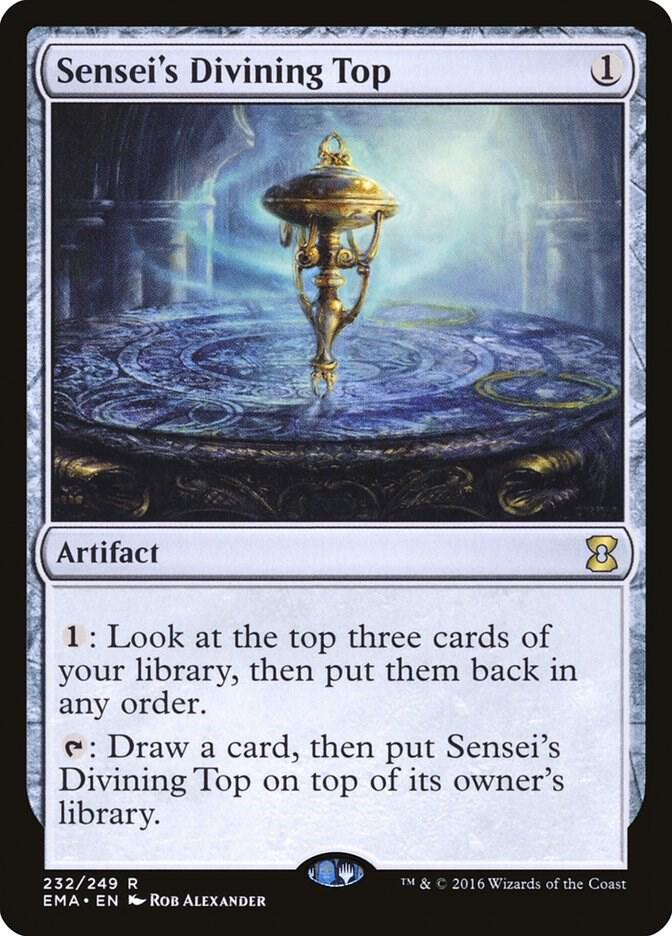
Take the Secret Lair x MSCHF Zeta Set Sensei's Divining Top. Its recent sales sit between about $20 and $24, about six a week, and its fair value is $20.30. On November 17, the cheapest copy listed was about $25, and almost all the rest were $35 to $40.

Two ways it can go
At six sales a week, the $25 copy won't last long. Then one of two things happens. The next buyer pays into the $30s, and the price moves into the gap. Or new copies show up near the old price, and nothing changes.
Which one depends on supply. A printing that can't be made again (a fixed-run drop, an out-of-print set) has fewer new copies coming, and the gap is more likely to close upward. A card still being opened from packs will keep refilling the bottom.
How to tell a real wall from wishful listings
Look at whether anything near the higher price has actually sold. If copies at $35 are sitting for weeks with no sale, they're wishful, and the real price is still the $20s. If one or two sell up there, the floor has moved. A single day's listings can't tell you which; a week of them can.
Every card shows the value we quoted on the day we wrote about it, and Tradewind's fair value for the same copy today.
Forecast is research, not financial advice. Card prices can fall as easily as they rise; past calls do not promise future ones. Every price is Tradewind's fair value from real sales, never a listing.