

Booster Pack
30th Anniversary Edition Pack
- Market Price
- $377.23
- MSRP
- —
- Loose
- $377.23
- Each, in the sealed product
- $377.36

30A · Magic: The Gathering
582 cards, led by Black Lotus at $3,402.93.
Released Nov 28, 2022
Set index · 30A
101.37
+1.37 (+1.37%)1Y


The 5 most valuable · $722.94 – $3,402.93
A score that starts at 100 and moves with the set's fair value, compared on the same printings week to week.
One Near Mint copy of every printing at fair value; the chase cards move it most.
one of every printing · fair value · Nov 12, 2026
Near Mint was $26,736.48 on Aug 30, 2026 (+2.3%). Totals move when printings are added or first priced; the index above doesn't.
Every way 30th Anniversary Edition was sold, priced.
2 products
Booster Pack
Display
InsideReported
582 of 610 valued in Near Mint
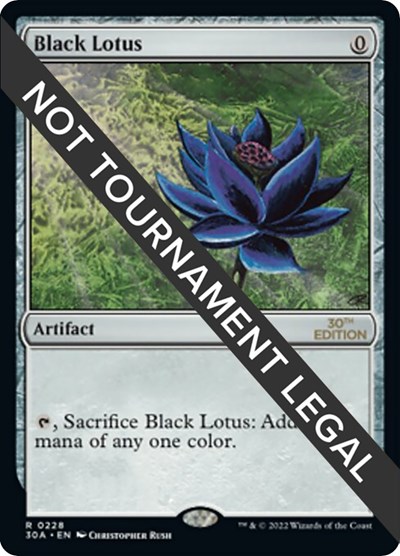
Black Lotus

Timetwister (Retro Frame)

Timetwister

Mox Jet

Mox Emerald

Mox Ruby

Mox Sapphire

Volcanic Island (Retro Frame)

Tundra (Retro Frame)
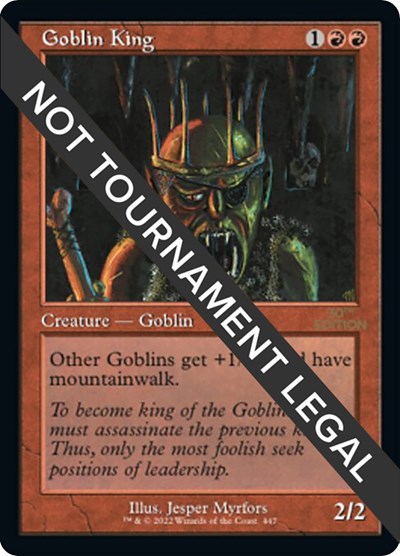
Goblin King (Retro Frame)

Mox Pearl
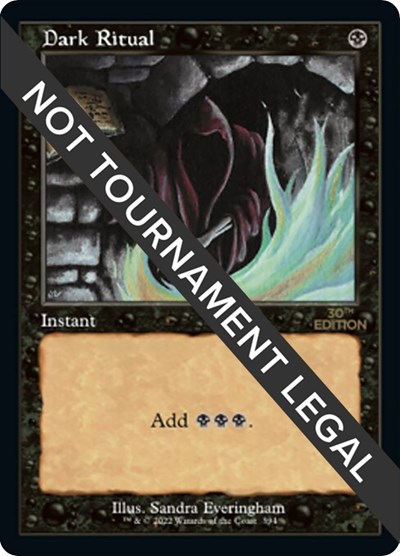
Dark Ritual (Retro Frame)
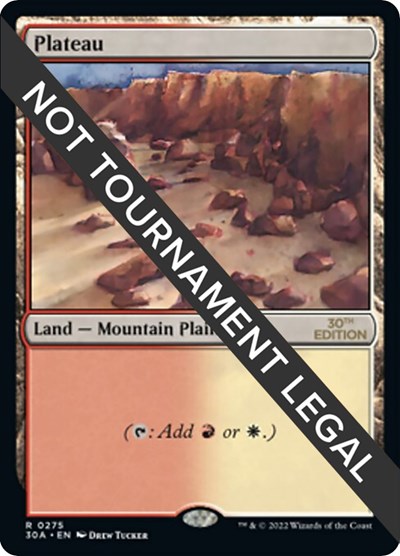
Plateau

Volcanic Island
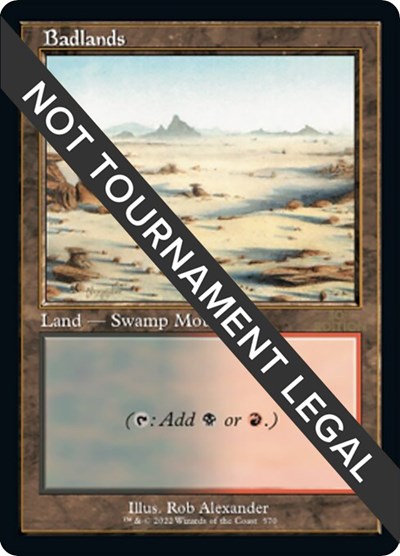
Badlands (Retro Frame)
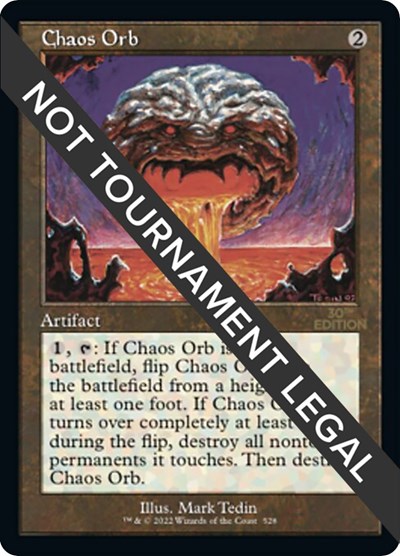
Chaos Orb (Retro Frame)
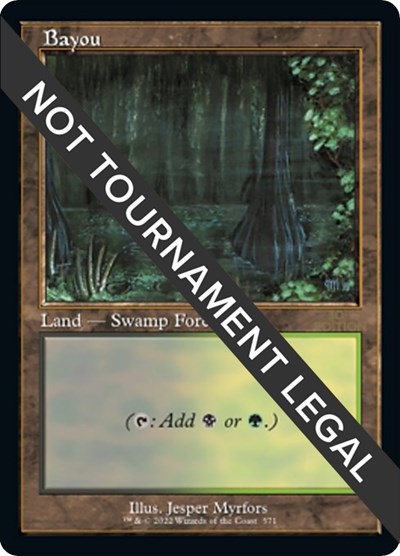
Bayou (Retro Frame)

Underground Sea

Wheel of Fortune
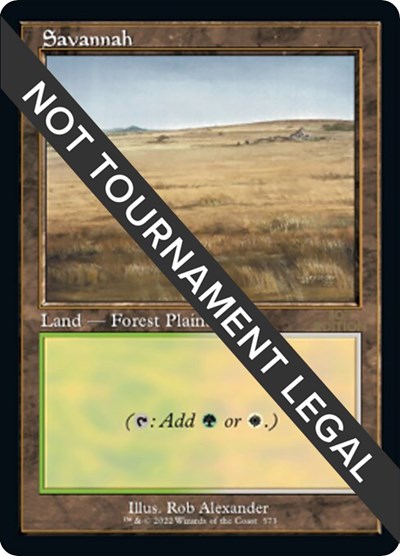
Savannah (Retro Frame)

Tropical Island
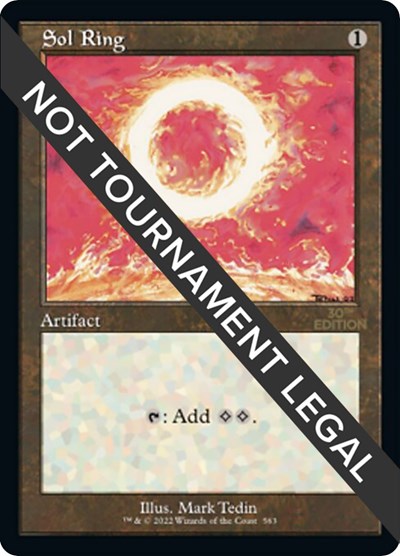
Sol Ring (563) (Retro Frame)
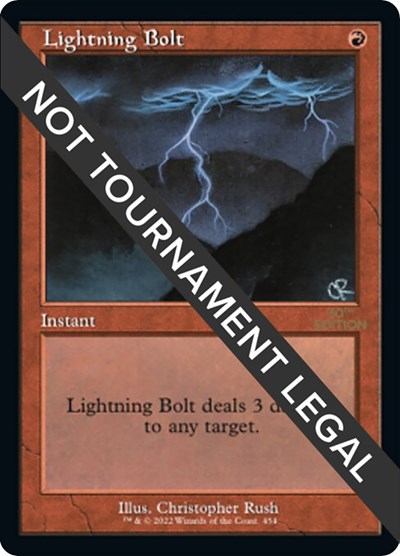
Lightning Bolt (Retro Frame)
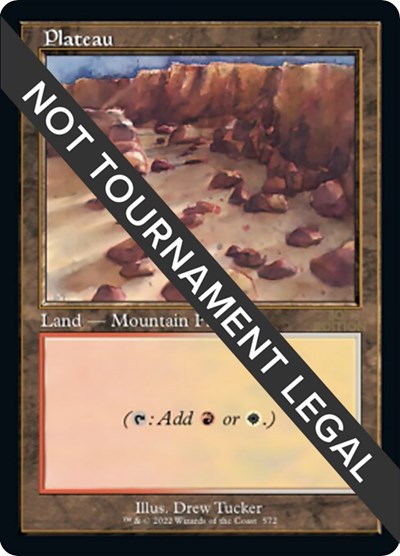
Plateau (Retro Frame)

Taiga
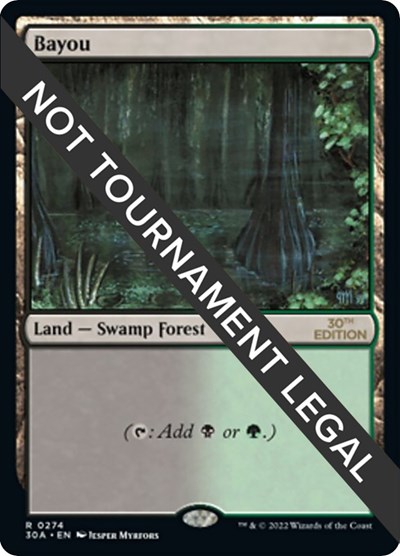
Bayou
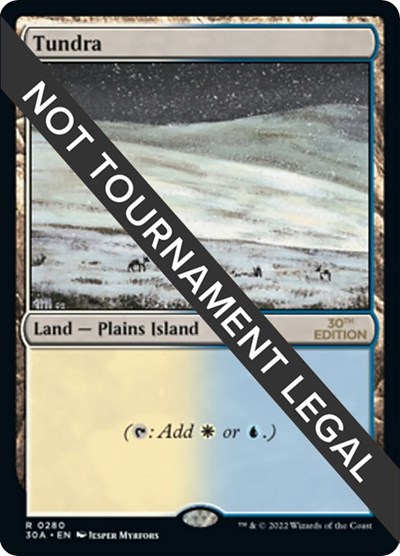
Tundra
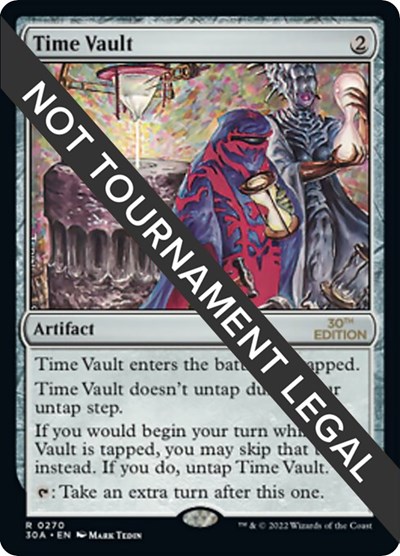
Time Vault

Scrubland
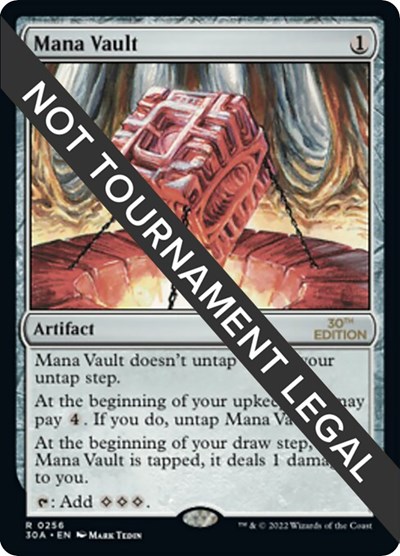
Mana Vault

Underground Sea (Retro Frame)
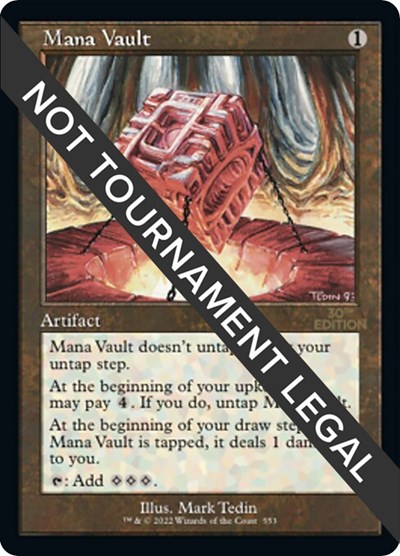
Mana Vault (Retro Frame)
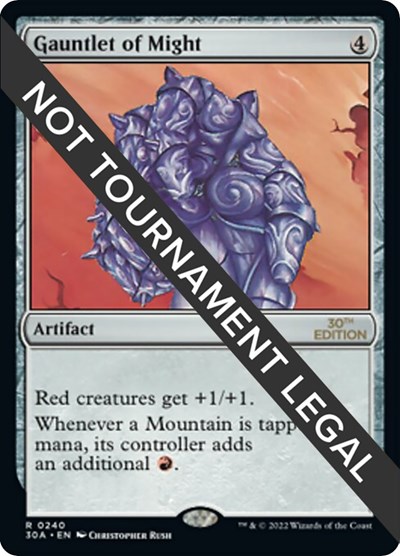
Gauntlet of Might
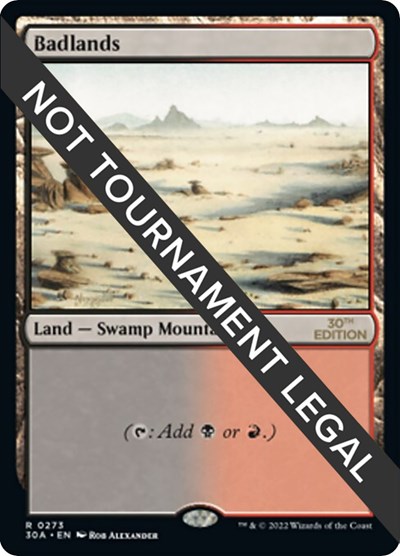
Badlands
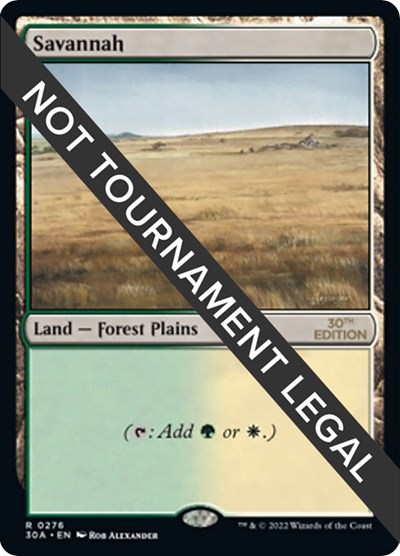
Savannah
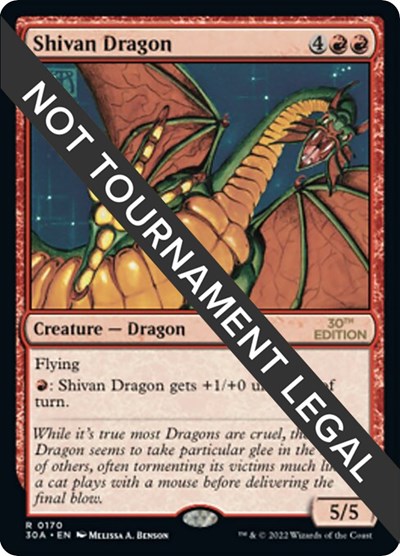
Shivan Dragon
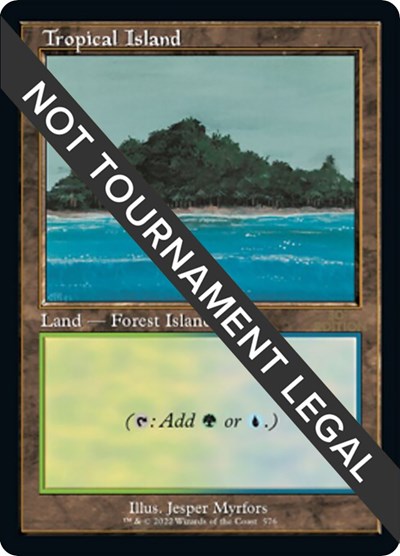
Tropical Island (Retro Frame)
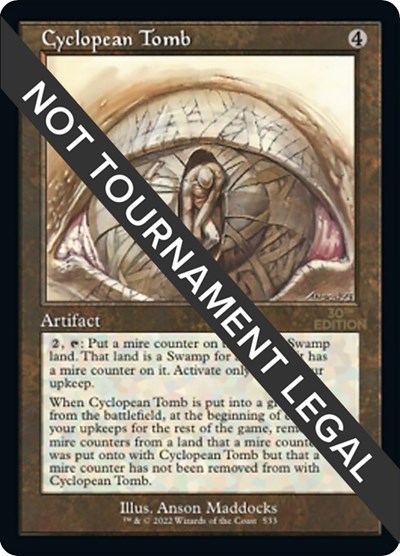
Cyclopean Tomb (Retro Frame)
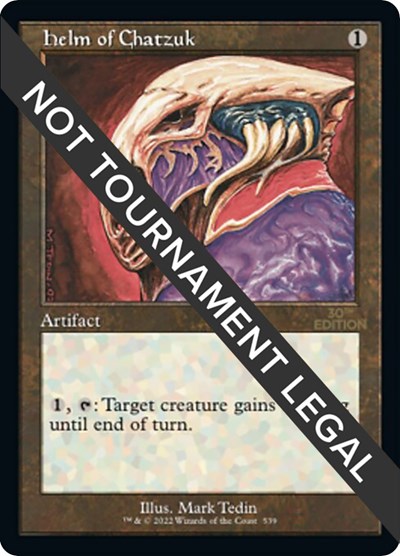
Helm of Chatzuk (Retro Frame)
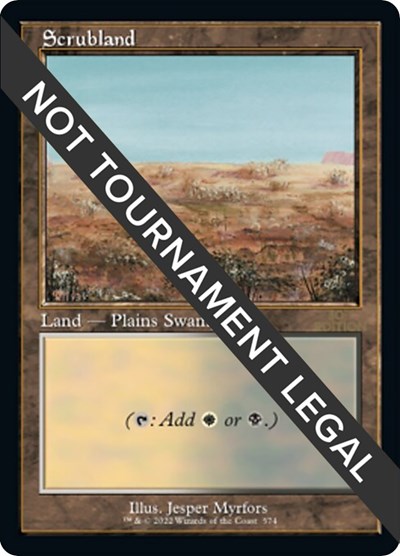
Scrubland (Retro Frame)
610 singles tracked