

Booster Box
Legendary Collection Booster Box
- Market Price
- —
- MSRP
- —
What's inside
InsideReported
36×Booster Pack

 LC · Pokémon
110 cards, led by Gengar at $335.46.
Released May 24, 2002
Set index · LC
145.97
+45.97 (+45.97%)1Y


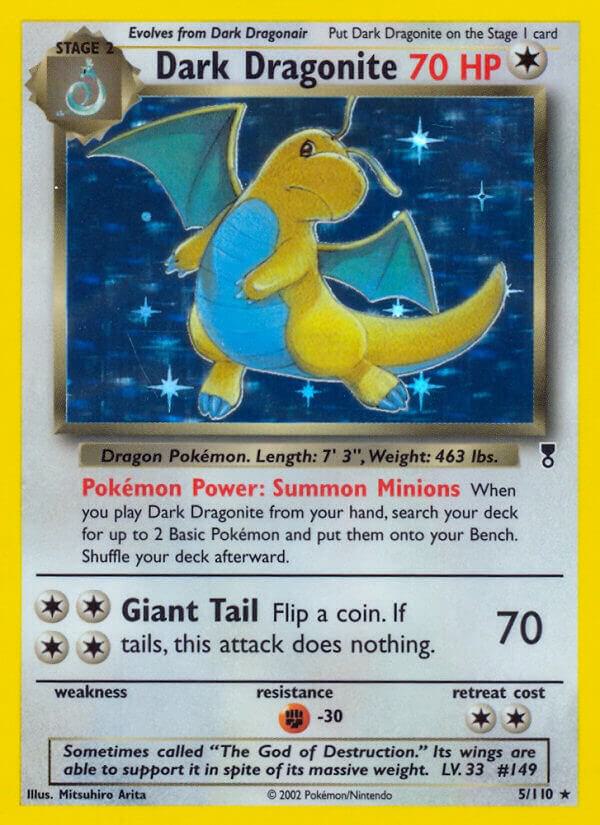
The 5 most valuable · $249.10 – $335.46
A score that starts at 100 and moves with the set's fair value, compared on the same printings week to week.
One Near Mint copy of every printing at fair value; the chase cards move it most.
one of every printing · fair value · Nov 10, 2026
Near Mint was $46,996.95 on Aug 30, 2026 (+44.9%). Totals move when printings are added or first priced; the index above doesn't.
Every way Legendary Collection was sold, priced.
4 products
110 of 110 valued in Near Mint
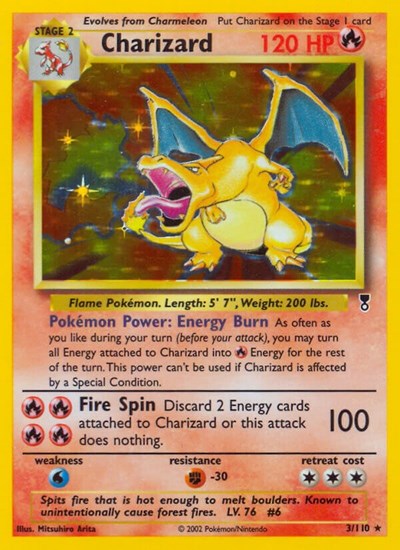
Charizard
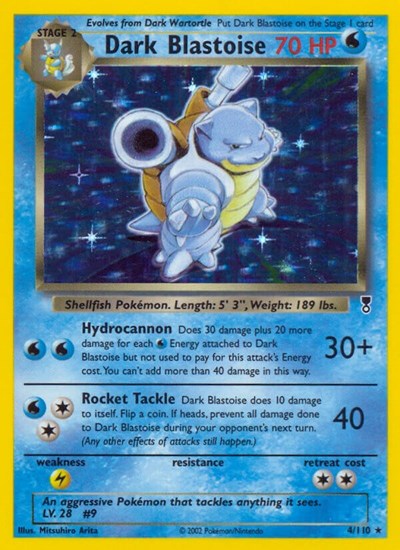
Dark Blastoise
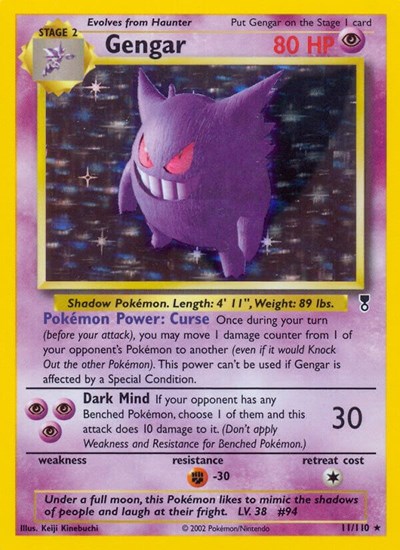
Gengar
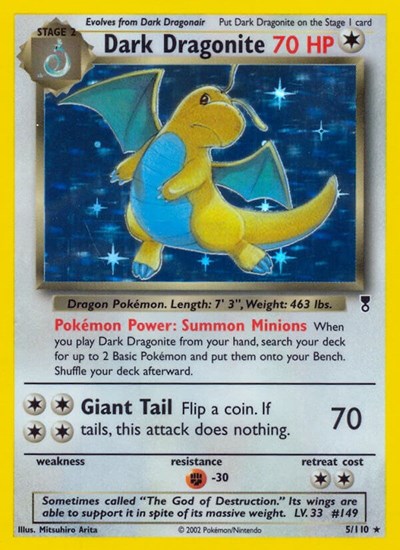
Dark Dragonite

Venusaur
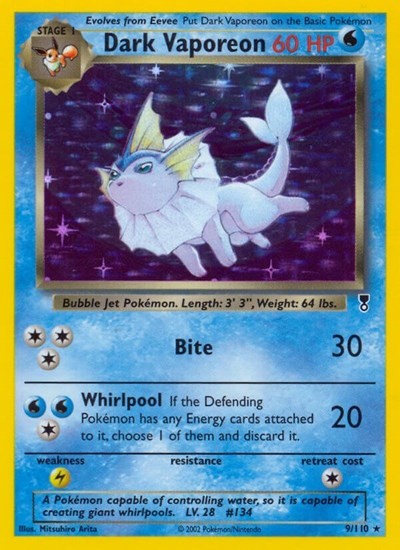
Dark Vaporeon

Mewtwo
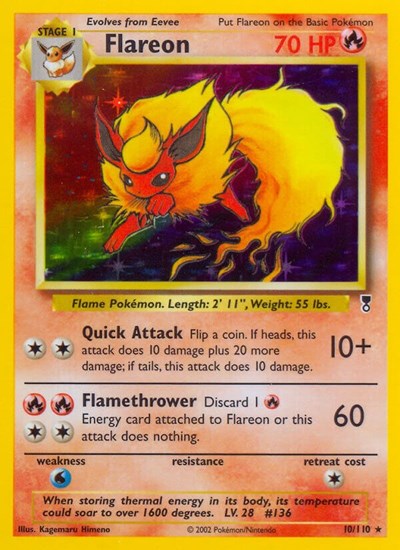
Flareon
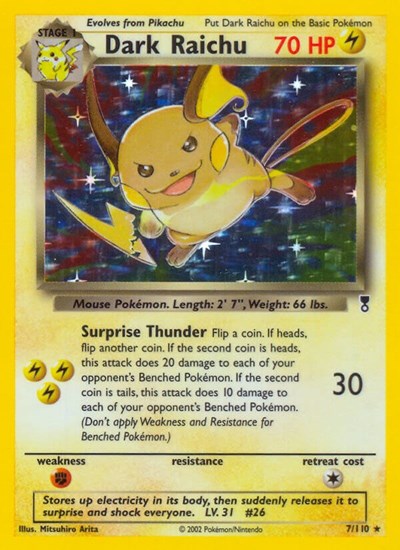
Dark Raichu
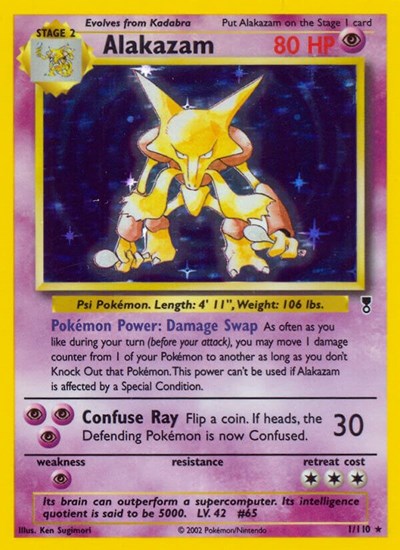
Alakazam

Ninetales

Jolteon
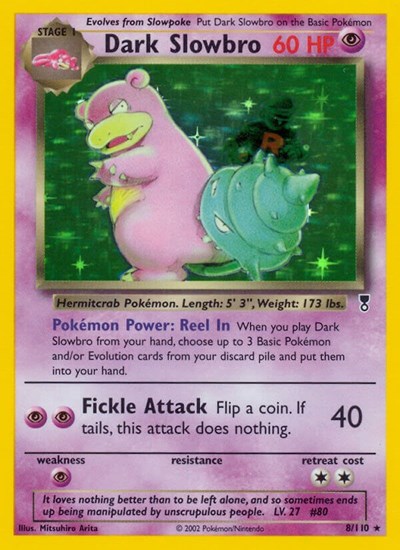
Dark Slowbro
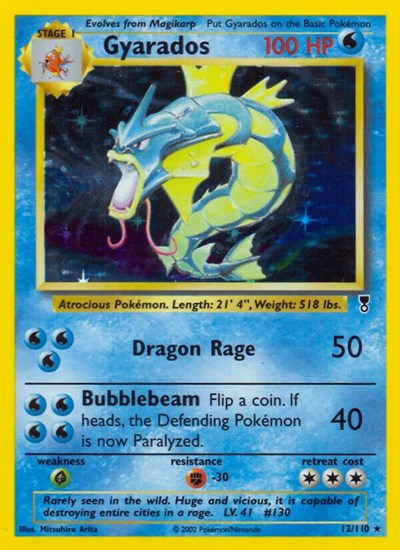
Gyarados
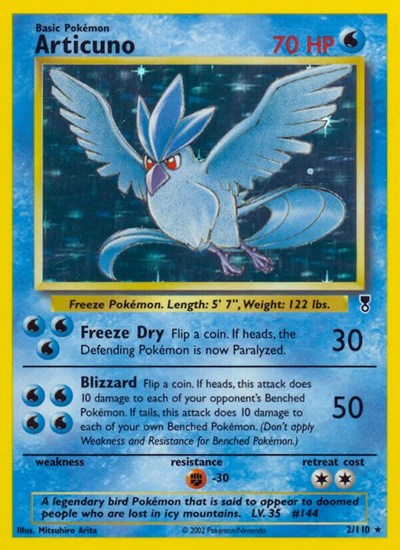
Articuno

Machamp

Zapdos
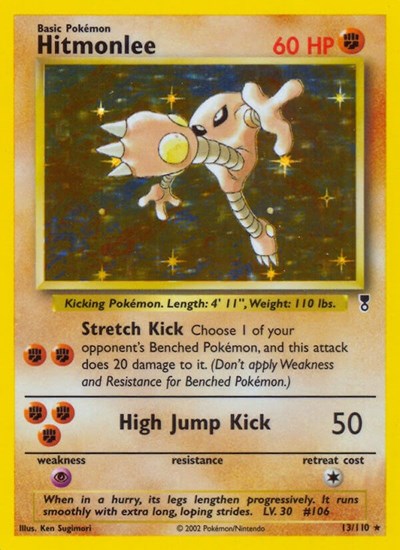
Hitmonlee
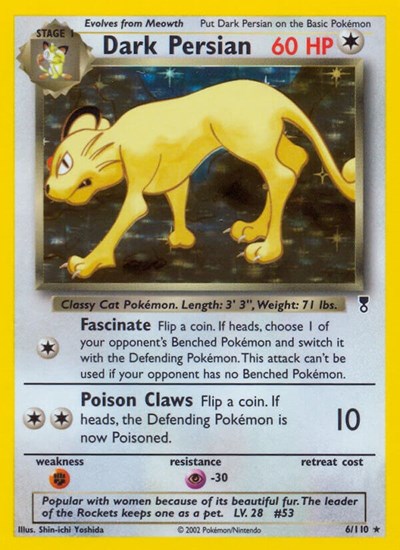
Dark Persian

Muk

Snorlax
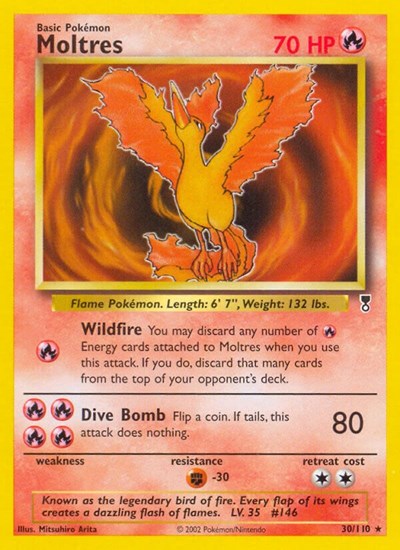
Moltres
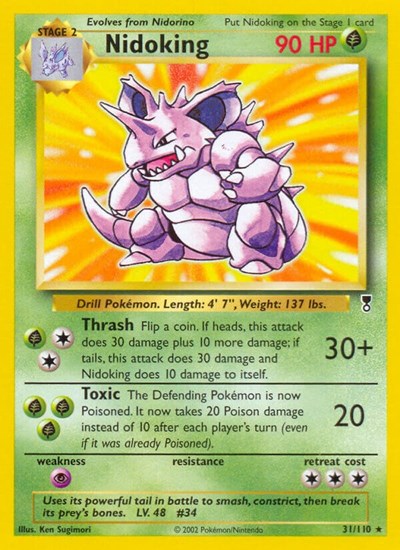
Nidoking
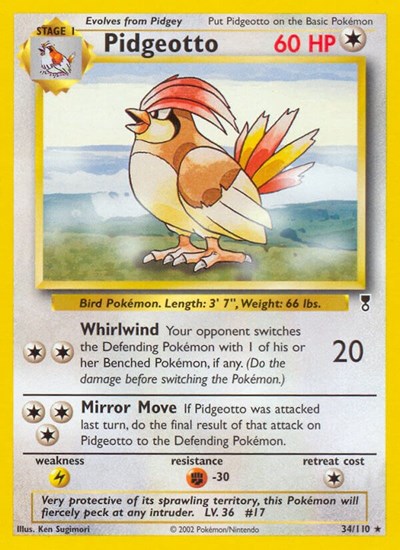
Pidgeotto
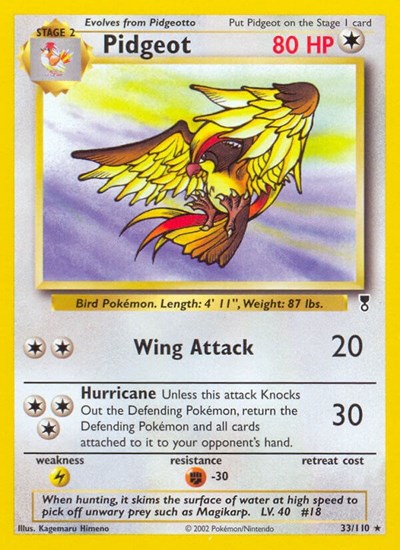
Pidgeot
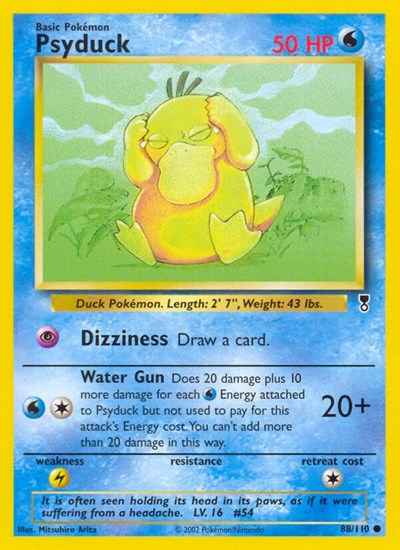
Psyduck
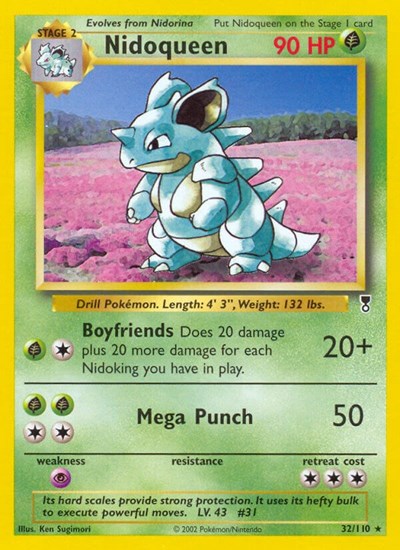
Nidoqueen
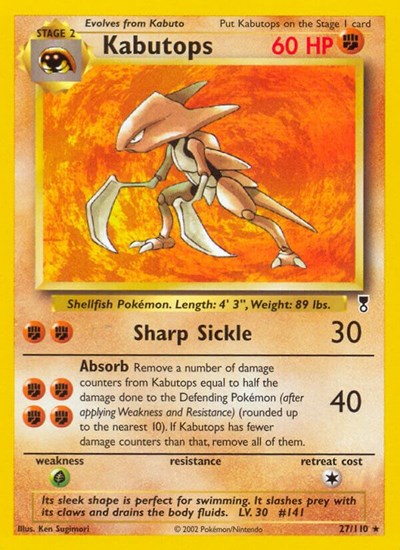
Kabutops

Bulbasaur

Butterfree

Haunter
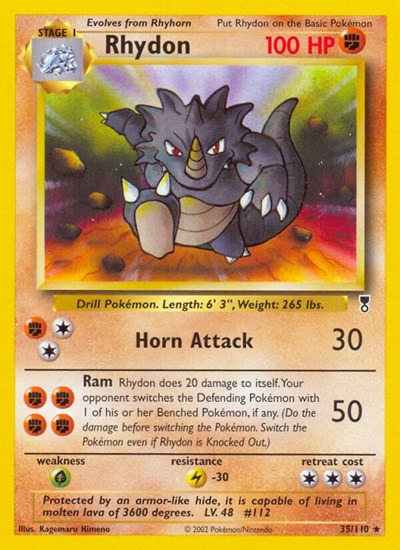
Rhydon

Arcanine
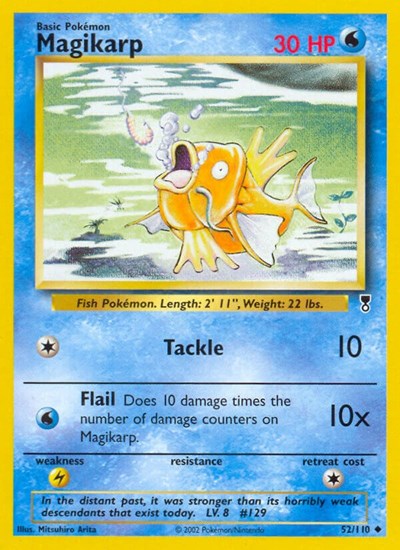
Magikarp

Scoop Up

Growlithe
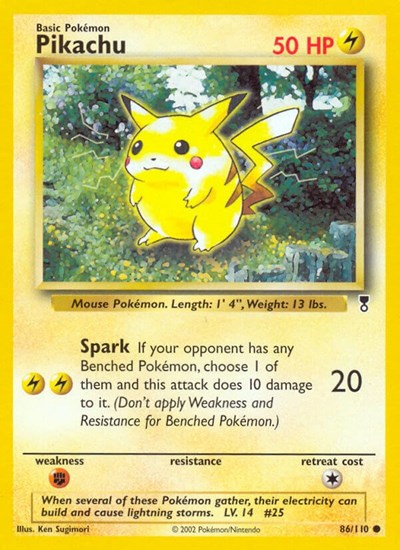
Pikachu
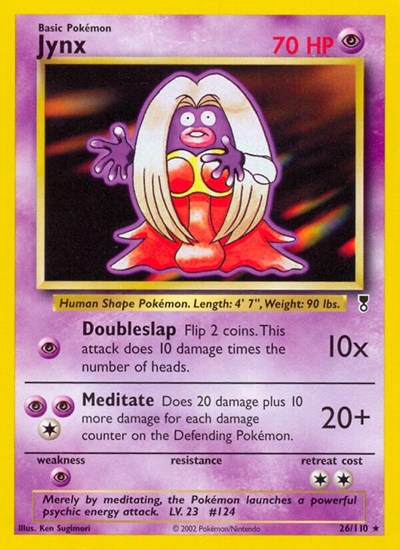
Jynx
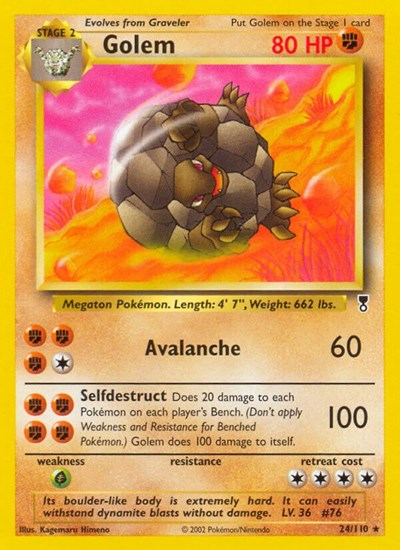
Golem
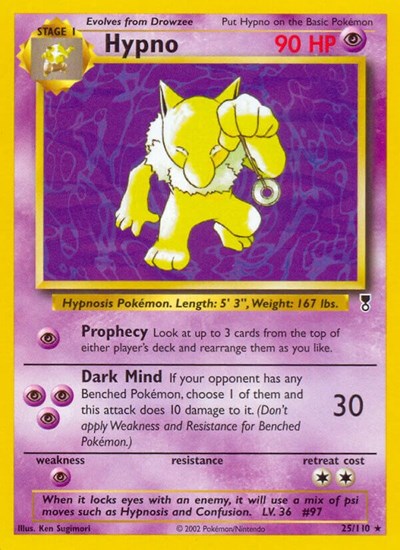
Hypno
110 singles tracked