

Starter Deck
Structure Deck [1st Edition]
- Market Price
- $38.36
- MSRP
- —
What's inside
InsideReported
- 50×preconstructed deck cards
- 1×rule sheet
- 1×paper playmat
SD8 · Yu-Gi-Oh!
36 cards, led by Heavy Storm at $2.10.
Released Jul 12, 2006
Set index · SD8
85.59
−14.41 (−14.41%)1Y


The 5 most valuable · $0.50 – $2.10
A score that starts at 100 and moves with the set's fair value, compared on the same printings week to week.
One Near Mint copy of every printing at fair value; the chase cards move it most.
one of every printing · fair value · Nov 12, 2026
Near Mint was $72.77 on Aug 30, 2026 (-1.1%). Totals move when printings are added or first priced; the index above doesn't.
Every way Structure Deck: Lord of the Storm was sold, priced.
2 products
Starter Deck
Structure Deck [1st Edition]
InsideReported
Starter Deck
Structure Deck [Unlimited Edition]
InsideReported
36 of 36 valued in Near Mint
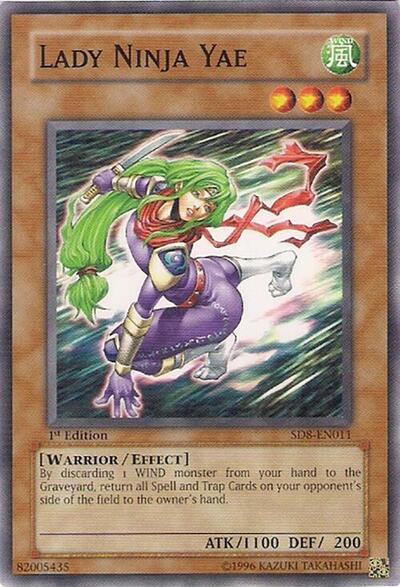
Lady Ninja Yae
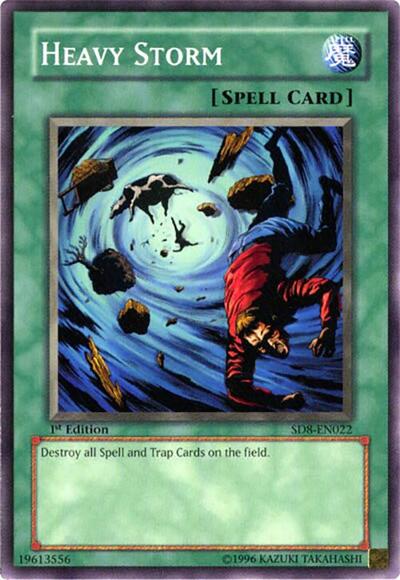
Heavy Storm
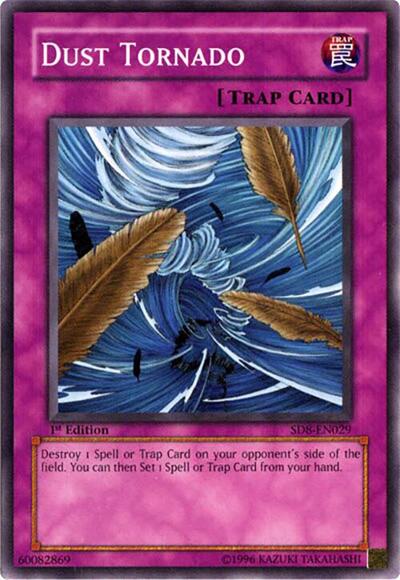
Dust Tornado
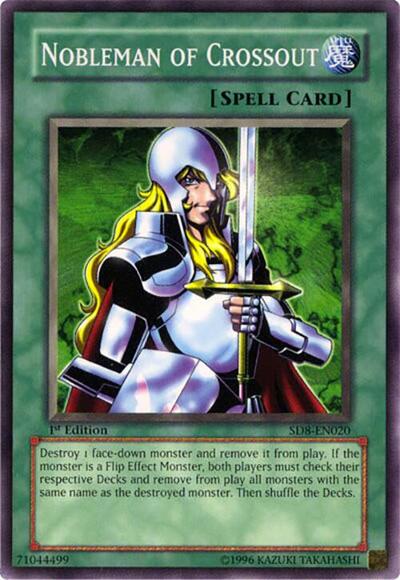
Nobleman of Crossout
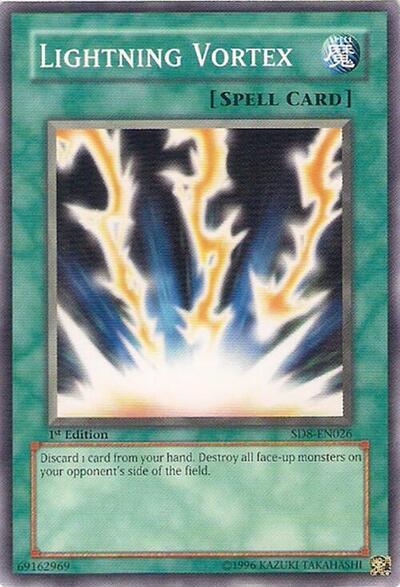
Lightning Vortex
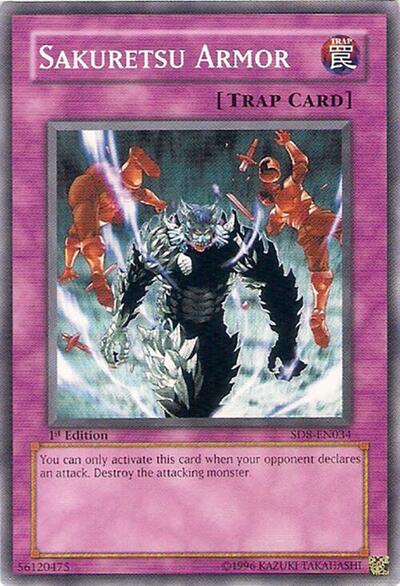
Sakuretsu Armor
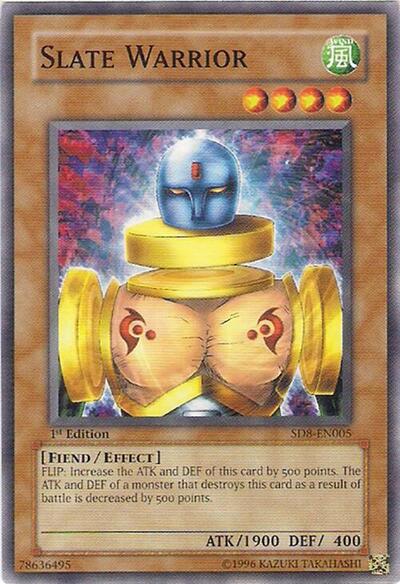
Slate Warrior
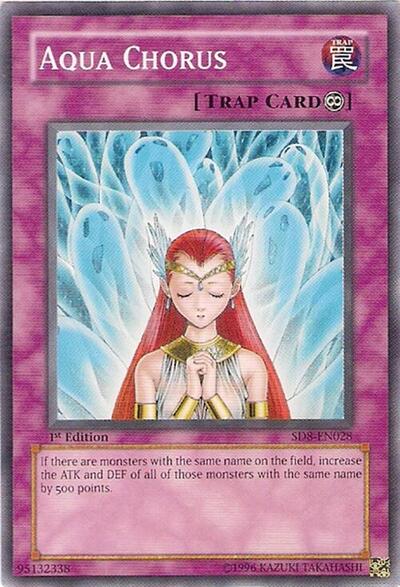
Aqua Chorus
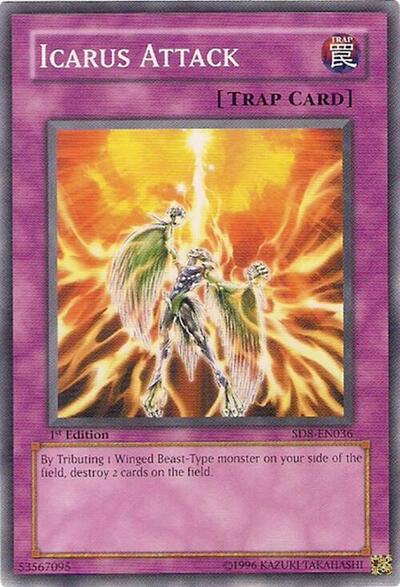
Icarus Attack
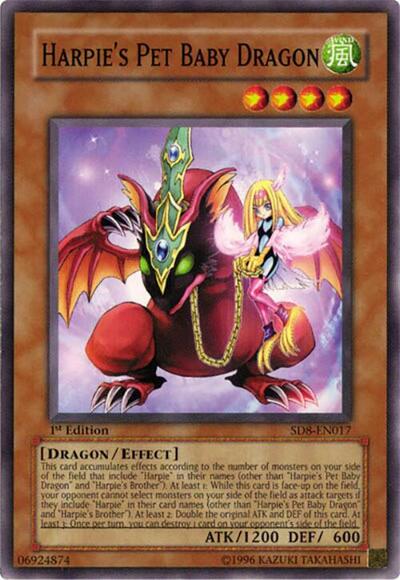
Harpie's Pet Baby Dragon
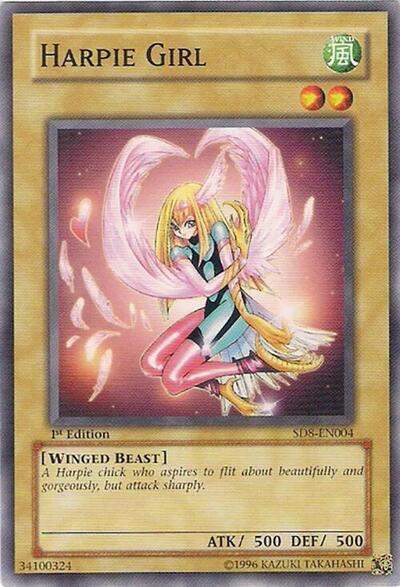
Harpie Girl
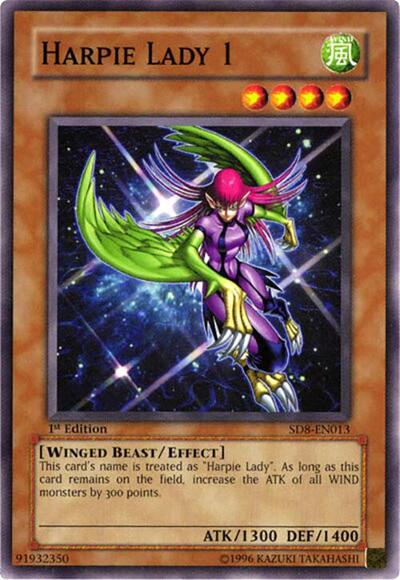
Harpie Lady 1
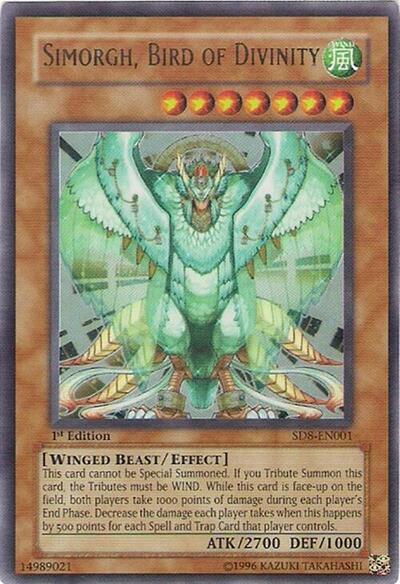
Simorgh, Bird of Divinity
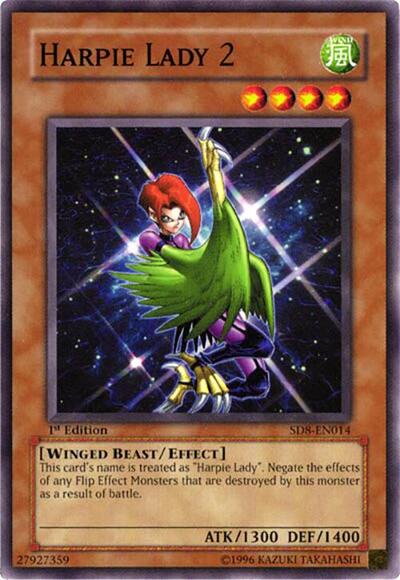
Harpie Lady 2
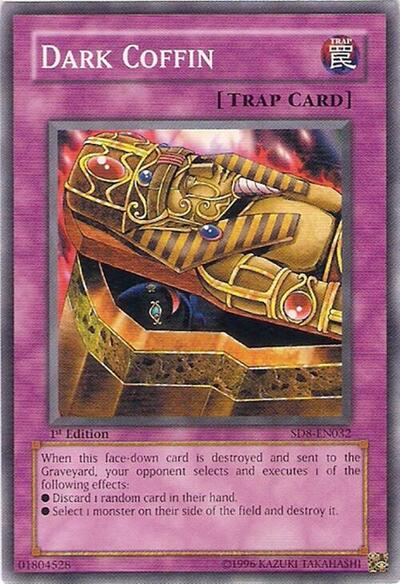
Dark Coffin
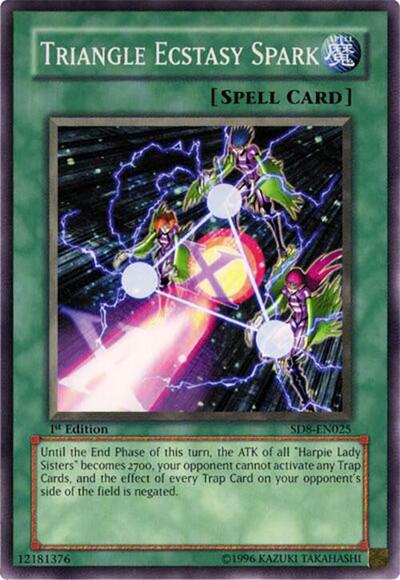
Triangle Ecstasy Spark
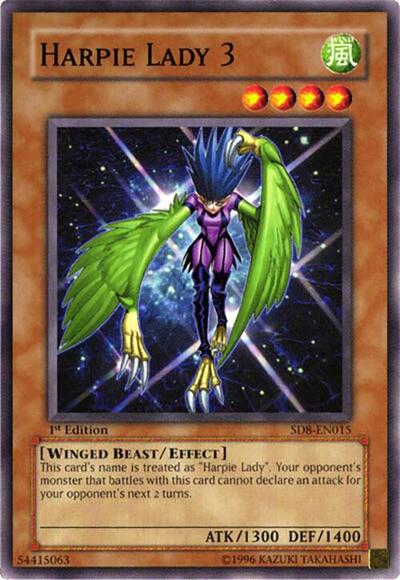
Harpie Lady 3
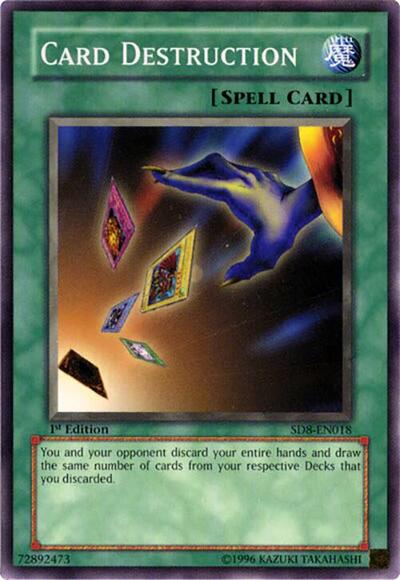
Card Destruction
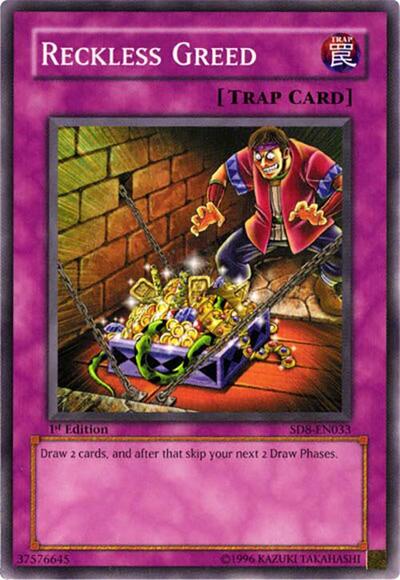
Reckless Greed
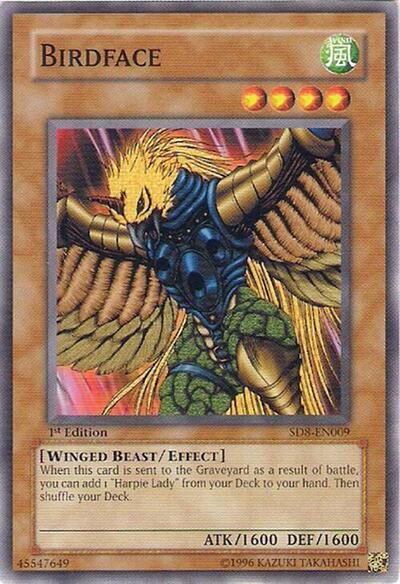
Birdface
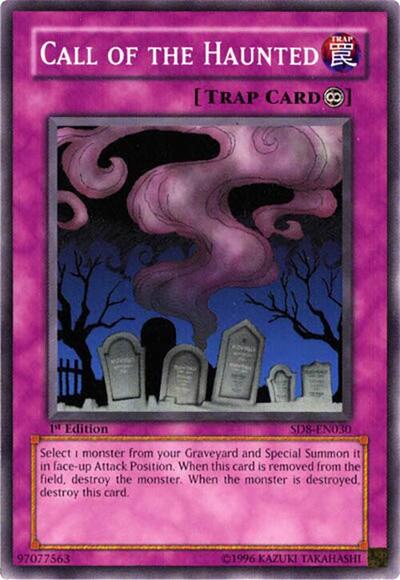
Call of the Haunted
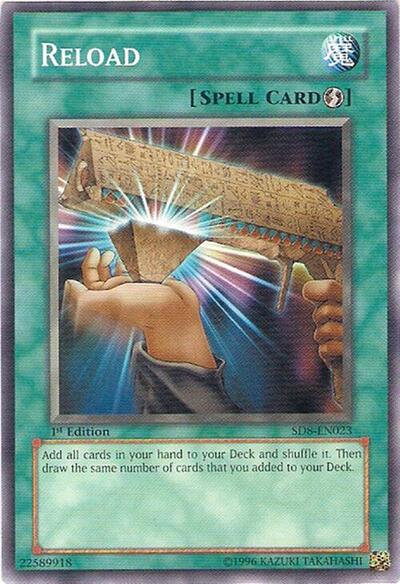
Reload
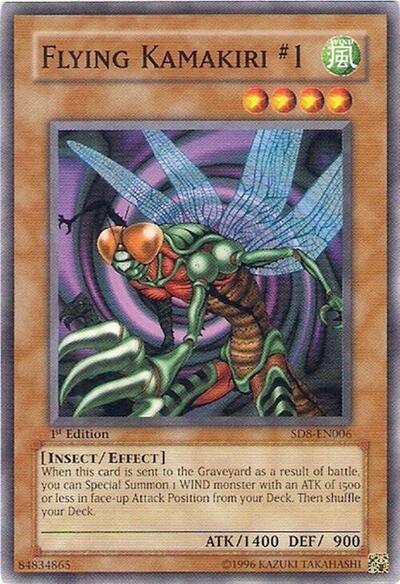
Flying Kamakiri #1
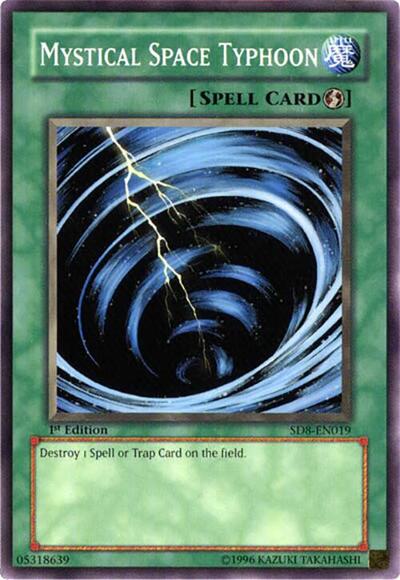
Mystical Space Typhoon
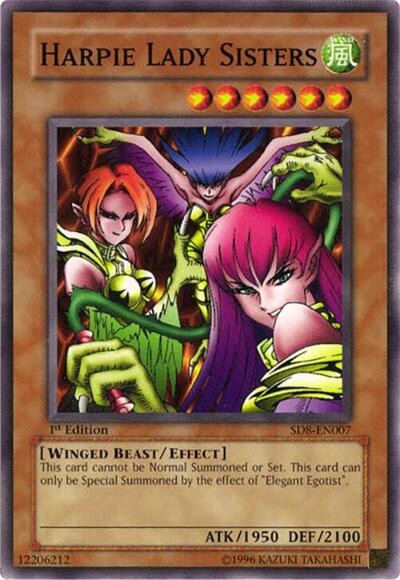
Harpie Lady Sisters
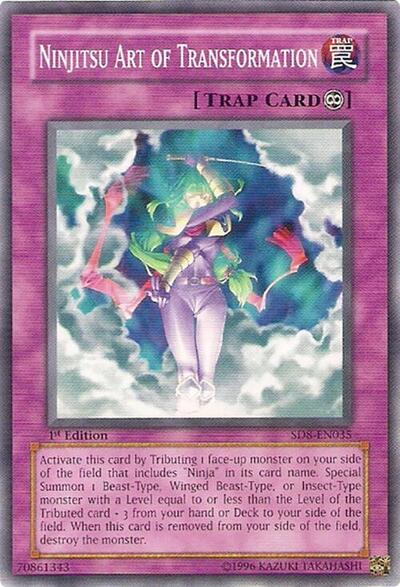
Ninjitsu Art of Transformation
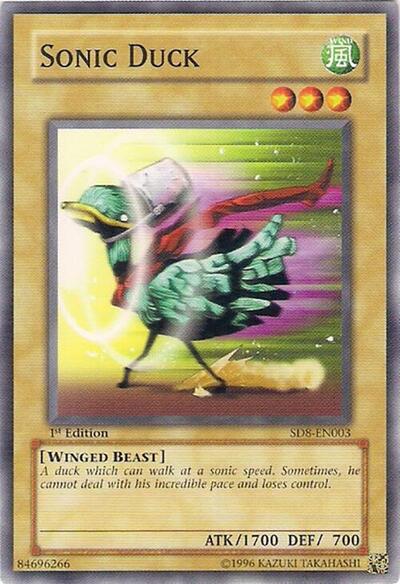
Sonic Duck
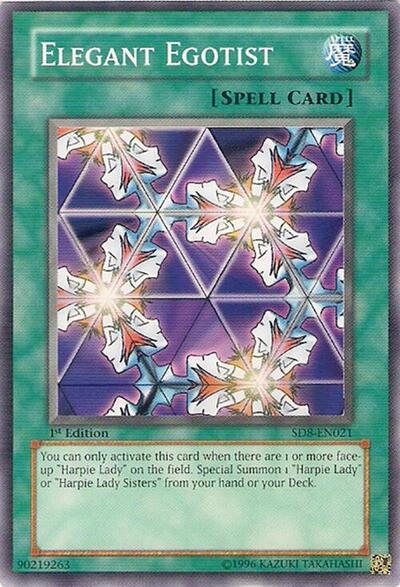
Elegant Egotist
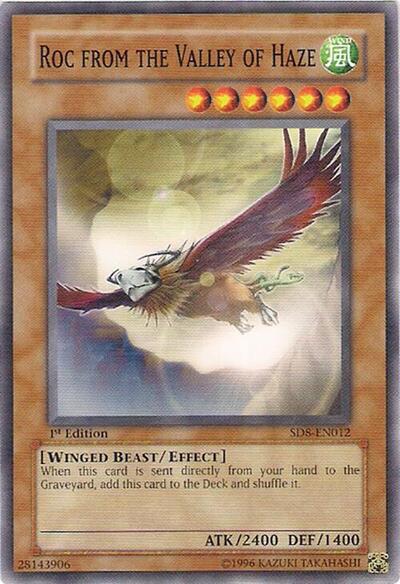
Roc from the Valley of Haze
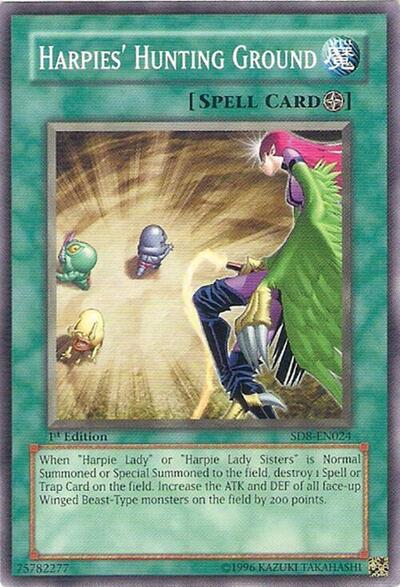
Harpies' Hunting Ground
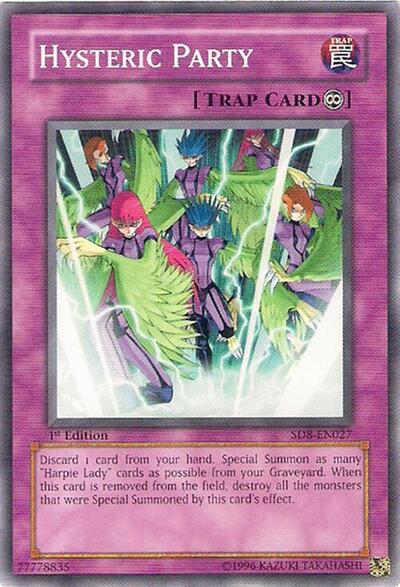
Hysteric Party
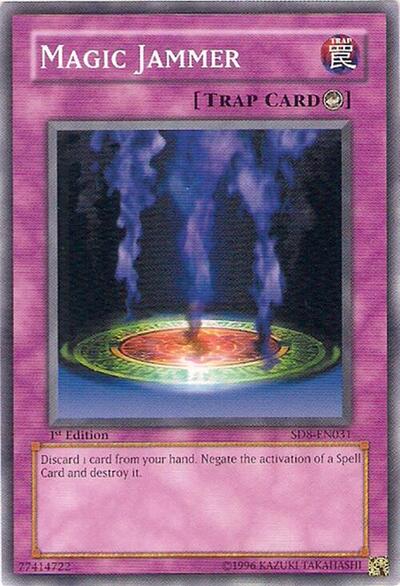
Magic Jammer
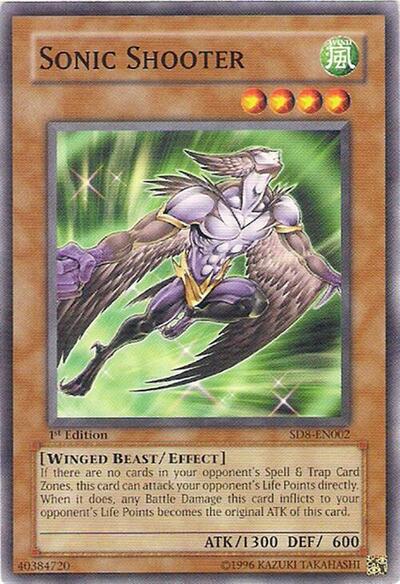
Sonic Shooter
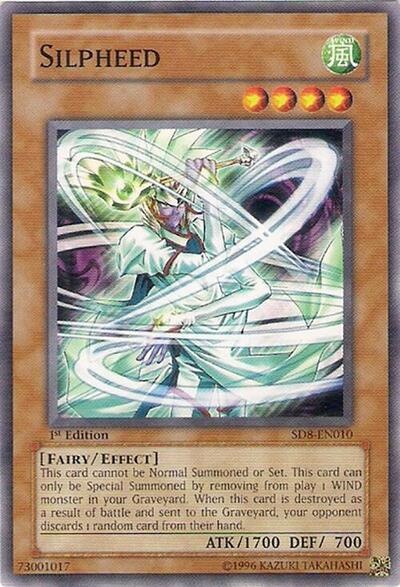
Silpheed
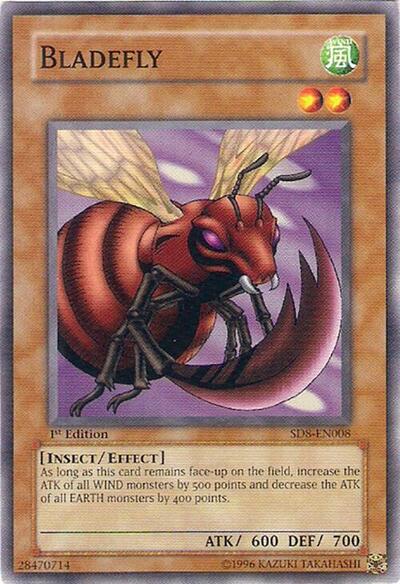
Bladefly
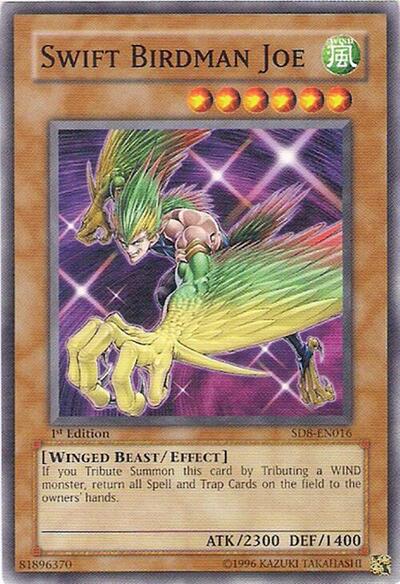
Swift Birdman Joe
36 singles tracked