

Tin
2014 Mega-Tin Mega-Pack
- Market Price
- —
- MSRP
- —
MP14 · Yu-Gi-Oh!
247 cards, led by Bujingi Pavo at $0.09.
Released Aug 29, 2014
Set index · MP14
74.02
−25.98 (−25.98%)1Y


The 5 most valuable · $7.30 – $0.09
A score that starts at 100 and moves with the set's fair value, compared on the same printings week to week.
One Near Mint copy of every printing at fair value; the chase cards move it most.
one of every printing · fair value · Nov 10, 2026
Near Mint was $584.26 on Aug 30, 2026 (-14.4%). Totals move when printings are added or first priced; the index above doesn't.
Every way 2014 Mega-Tins Mega Pack was sold, priced.
1 product
247 of 247 valued in Near Mint
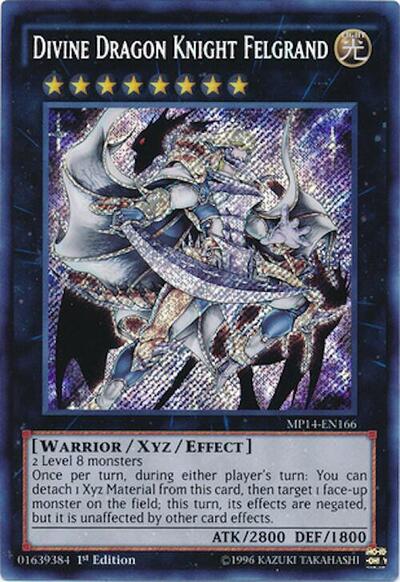
Divine Dragon Knight Felgrand
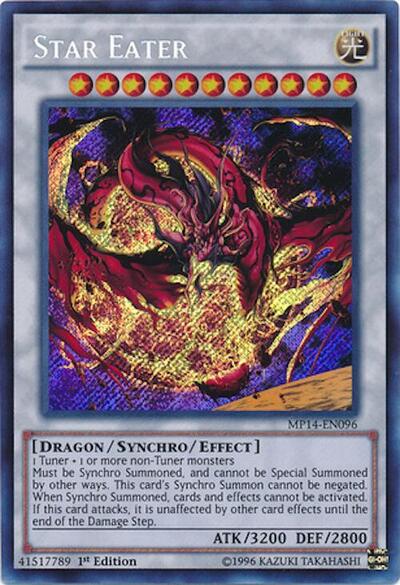
Star Eater
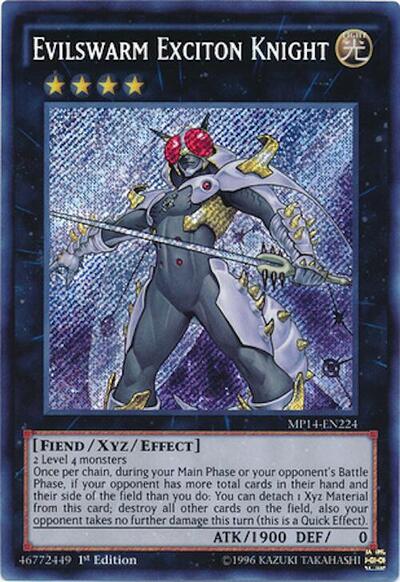
Evilswarm Exciton Knight
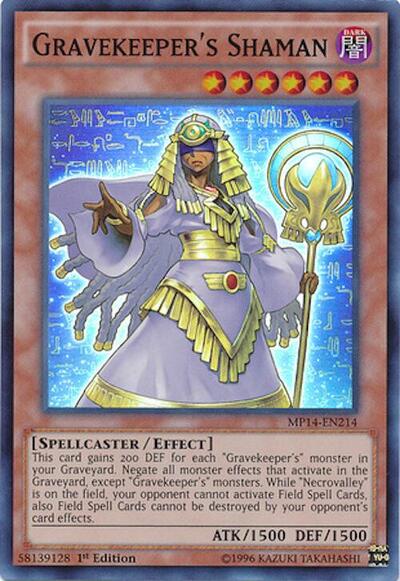
Gravekeeper's Shaman
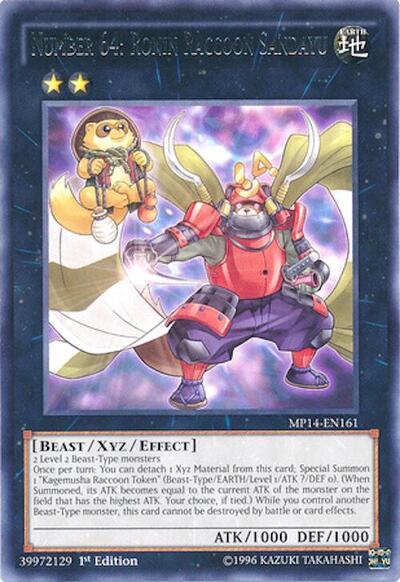
Number 64: Ronin Raccoon Sandayu
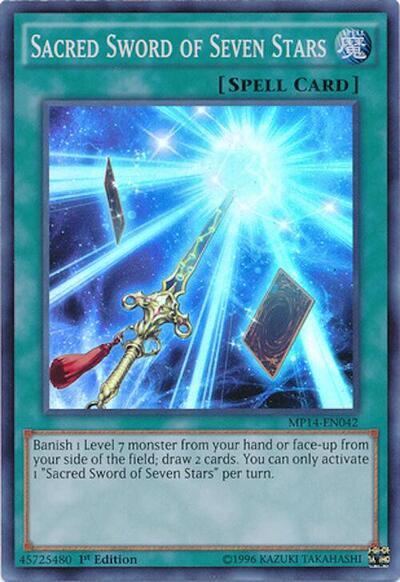
Sacred Sword of Seven Stars
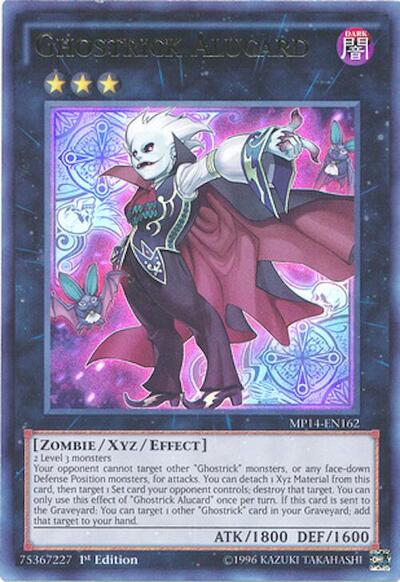
Ghostrick Alucard
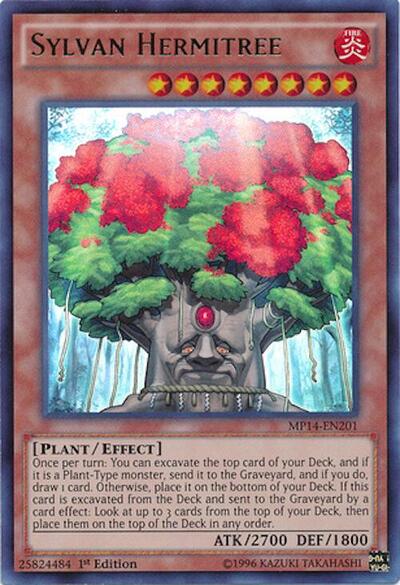
Sylvan Hermitree
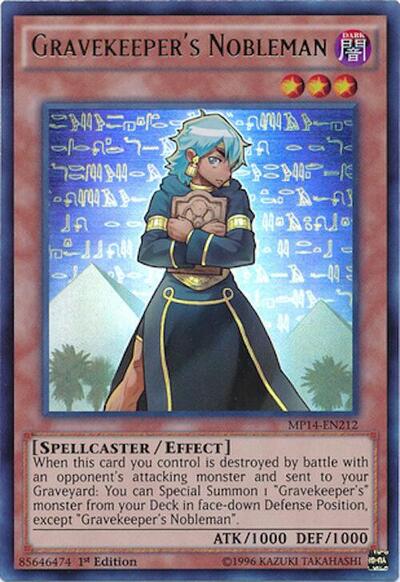
Gravekeeper's Nobleman
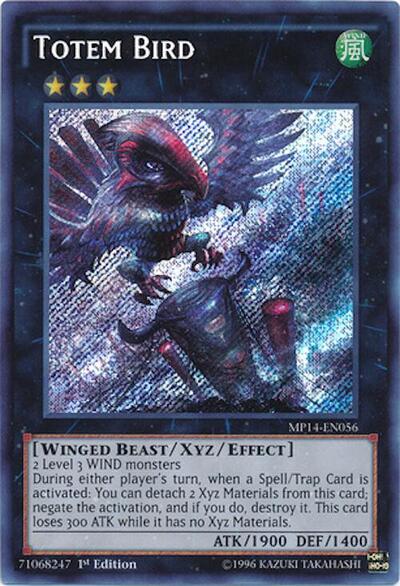
Totem Bird
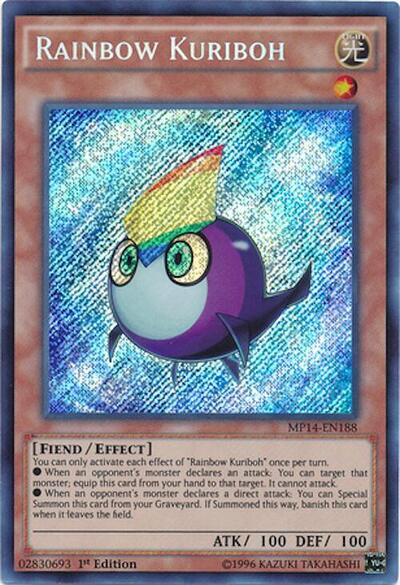
Rainbow Kuriboh
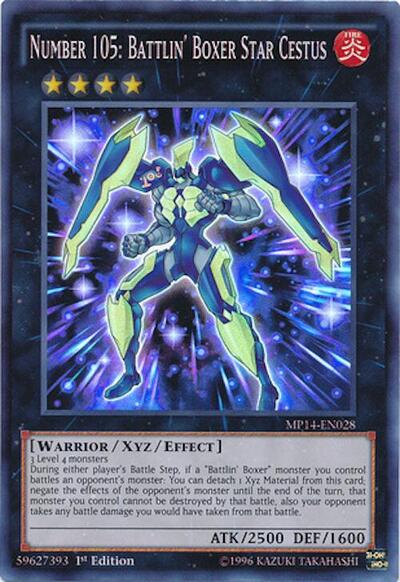
Number 105: Battlin' Boxer Star Cestus
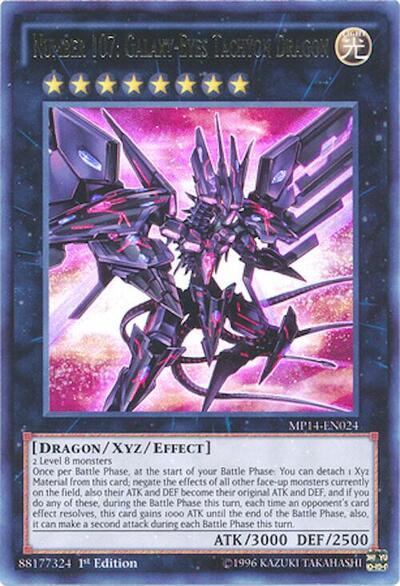
Number 107: Galaxy-Eyes Tachyon Dragon
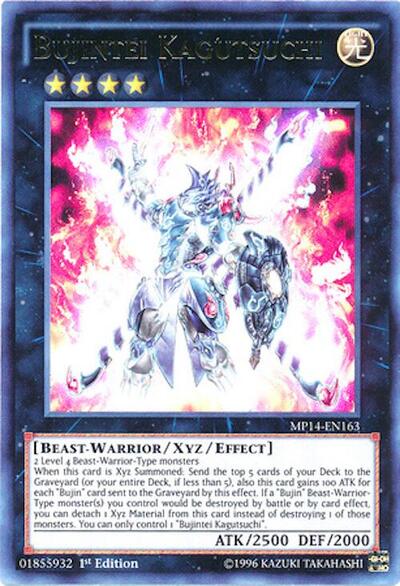
Bujintei Kagutsuchi
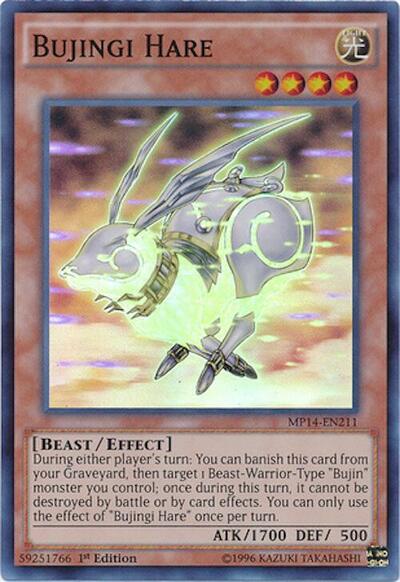
Bujingi Hare
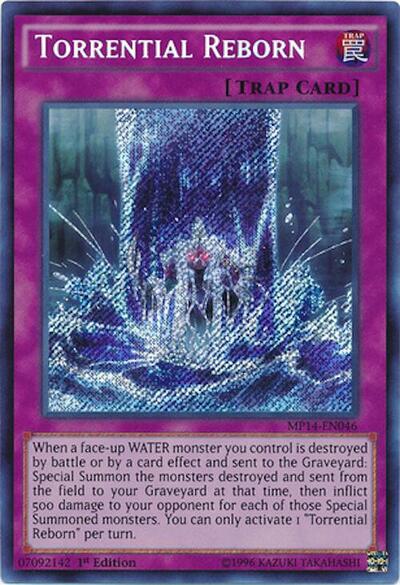
Torrential Reborn
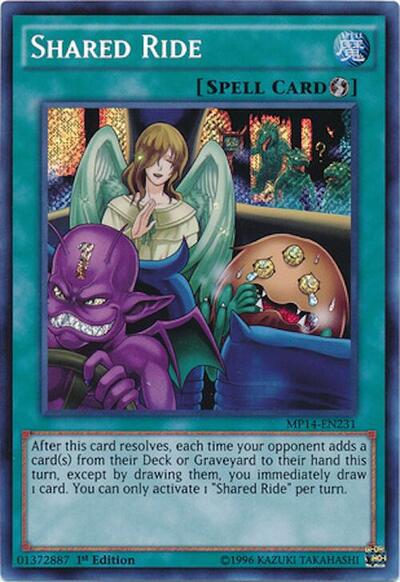
Shared Ride
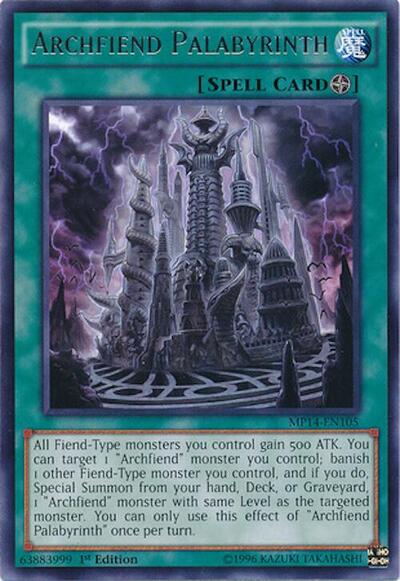
Archfiend Palabyrinth
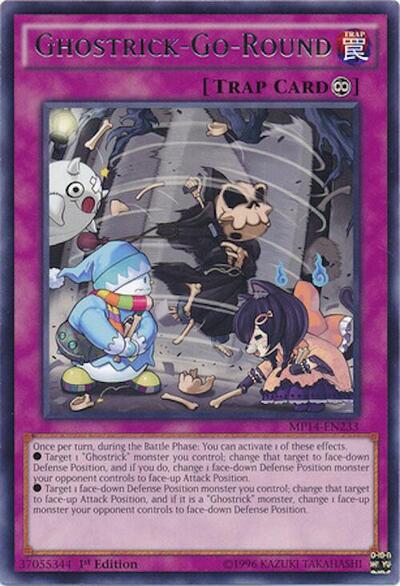
Ghostrick-Go-Round
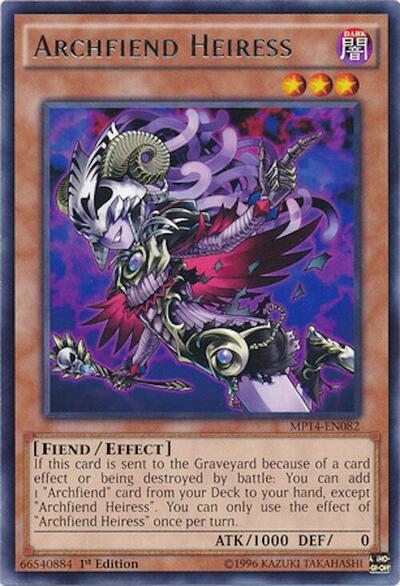
Archfiend Heiress
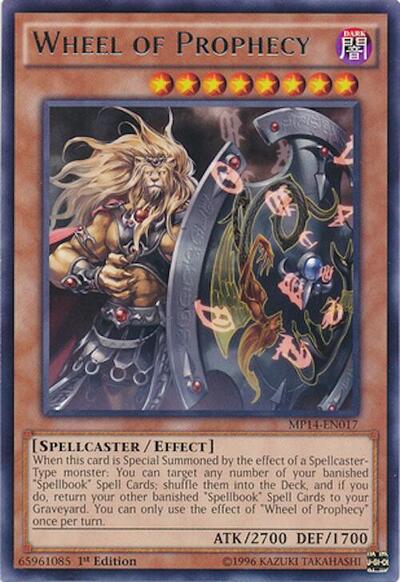
Wheel of Prophecy
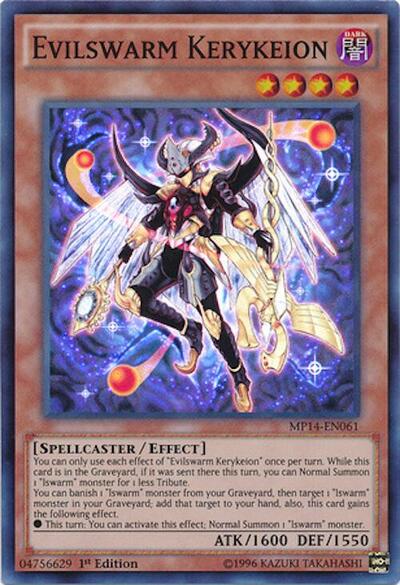
Evilswarm Kerykeion
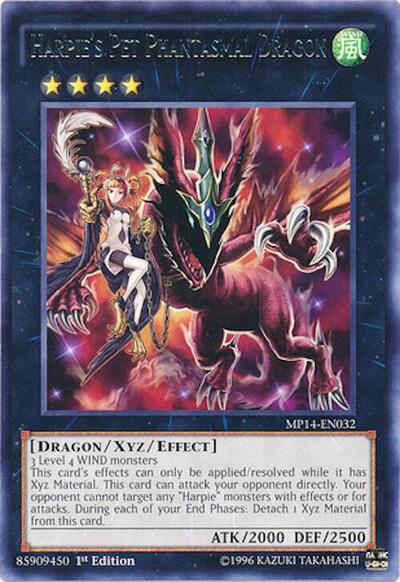
Harpie's Pet Phantasmal Dragon
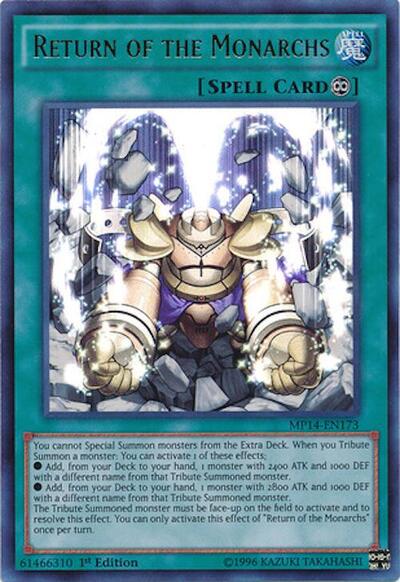
Return of the Monarchs
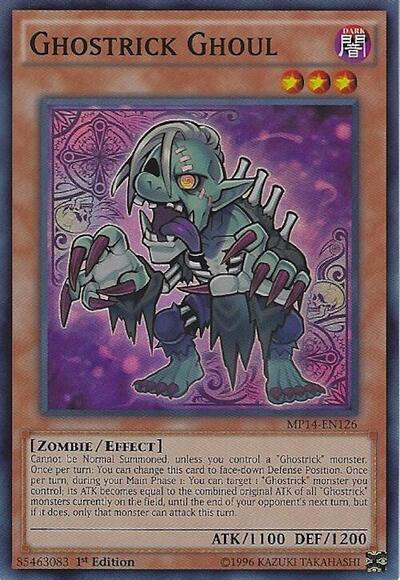
Ghostrick Ghoul
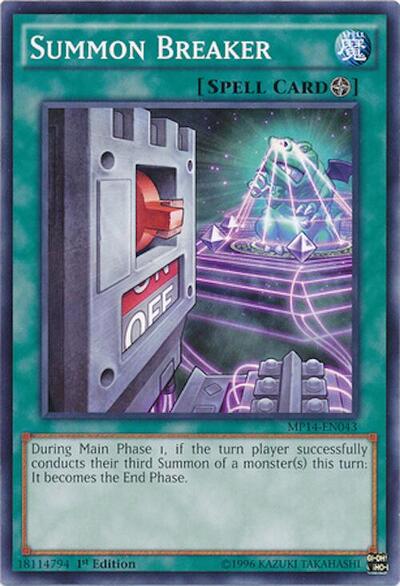
Summon Breaker
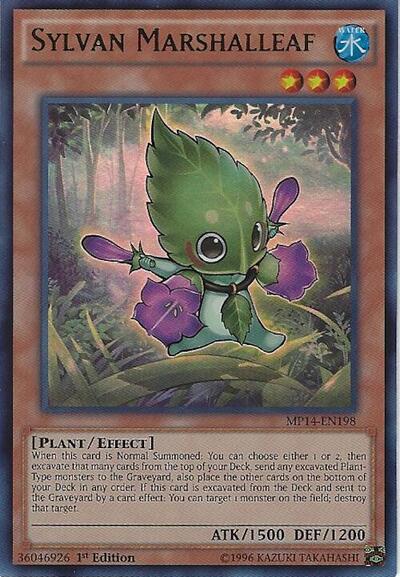
Sylvan Marshalleaf
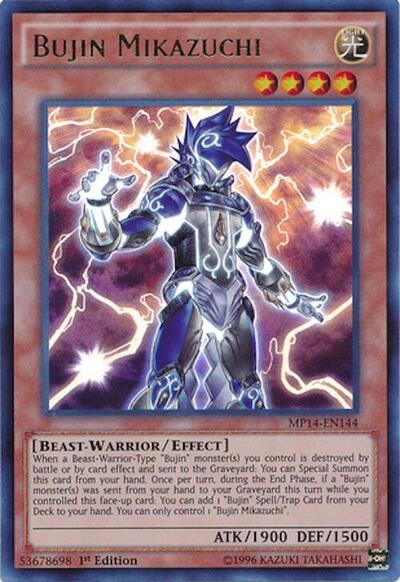
Bujin Mikazuchi
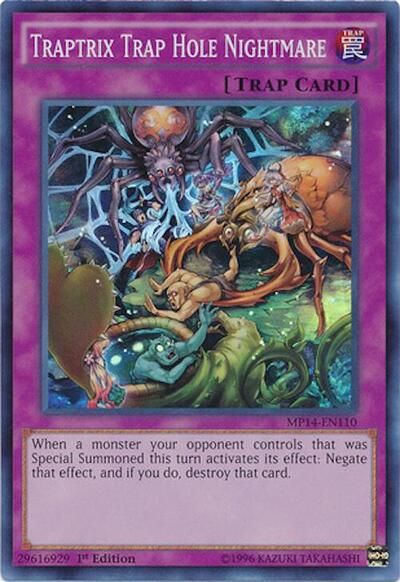
Traptrix Trap Hole Nightmare
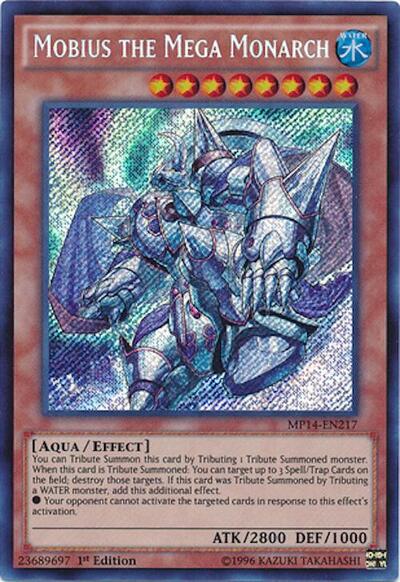
Mobius the Mega Monarch
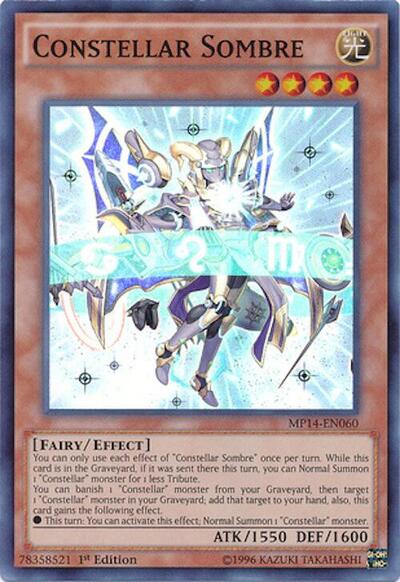
Constellar Sombre
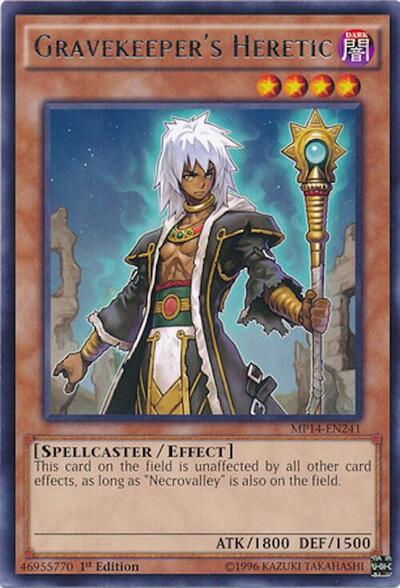
Gravekeeper's Heretic
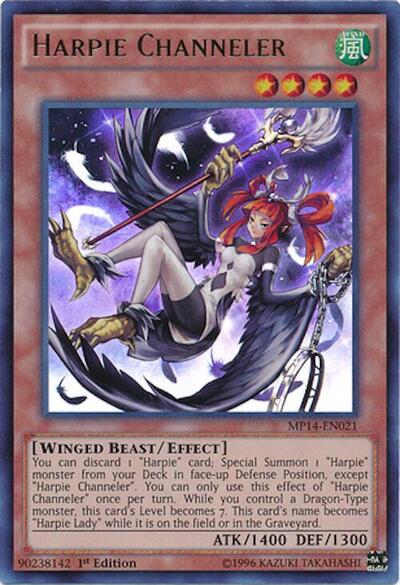
Harpie Channeler
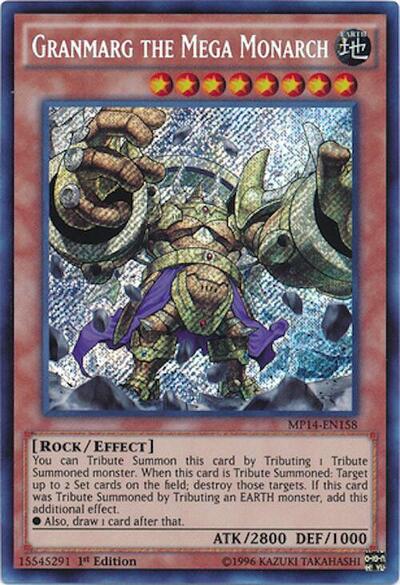
Granmarg the Mega Monarch
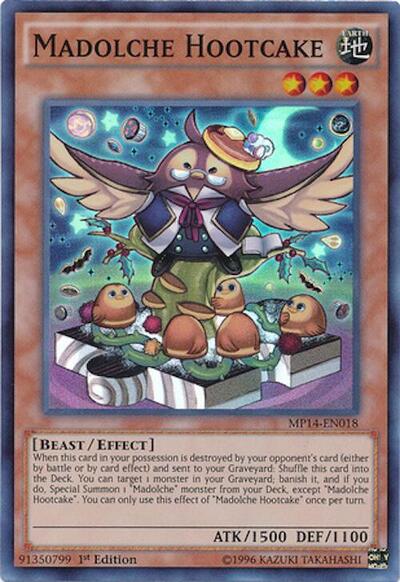
Madolche Hootcake
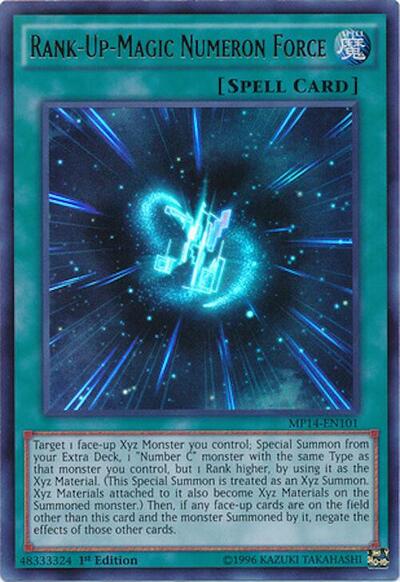
Rank-Up-Magic Numeron Force
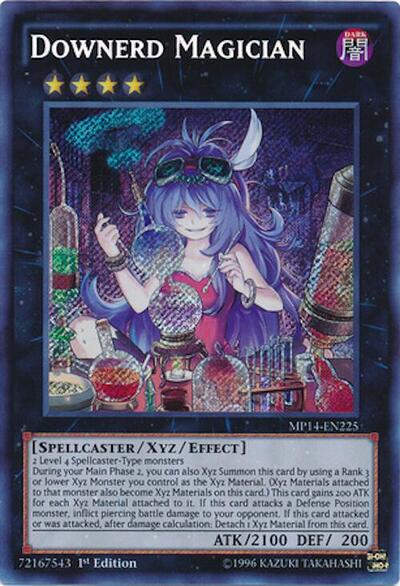
Downerd Magician
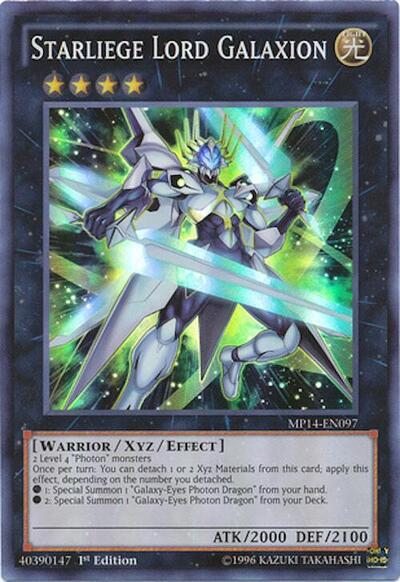
Starliege Lord Galaxion
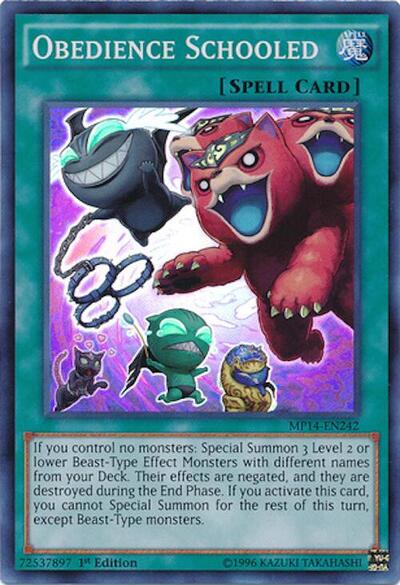
Obedience Schooled
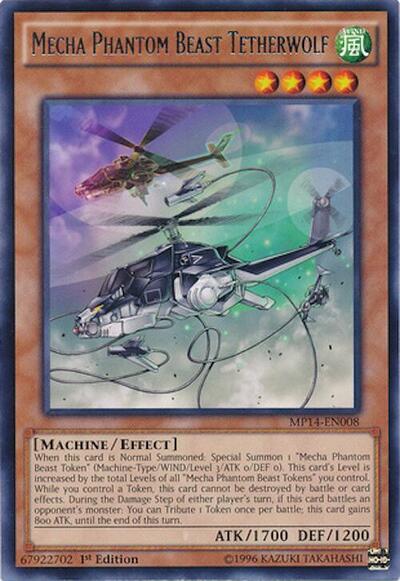
Mecha Phantom Beast Tetherwolf
247 singles tracked