

Booster Pack
Unstable - Booster Pack
- Market Price
- $8.17
- MSRP
- $3.99*
- Against MSRP
- ▲ 105% vs MSRP
- Loose
- $8.17
- Each, in the sealed product
- $5.30

UST · Magic: The Gathering
288 cards, led by Island at $3.60.
Released Dec 8, 2017
Set index · UST
81.79
−18.21 (−18.21%)1Y


The 5 most valuable · $3.97 – $3.60
A score that starts at 100 and moves with the set's fair value, compared on the same printings week to week.
One Near Mint copy of every printing at fair value; the chase cards move it most.
one of every printing · fair value · Nov 11, 2026
Near Mint was $1,409.77 on Aug 30, 2026 (-13.5%). Totals move when printings are added or first priced; the index above doesn't.
Every way Unstable was sold, priced.
3 products
Booster Pack
Booster Box
InsideReported
Booster Pack
3-Booster Draft Pack
InsideReported
* Standard MSRP for that product type, or a bundle's count × that price.
288 of 288 valued in Near Mint
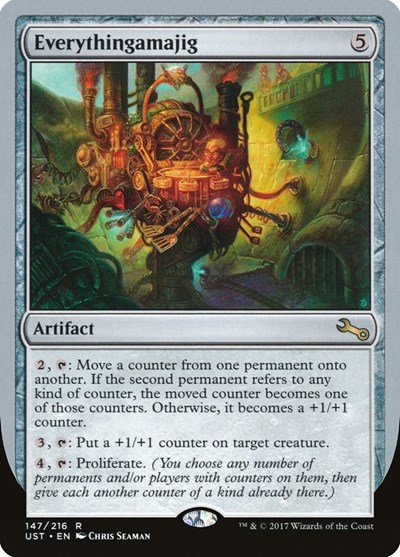
Everythingamajig (A)
Swamp
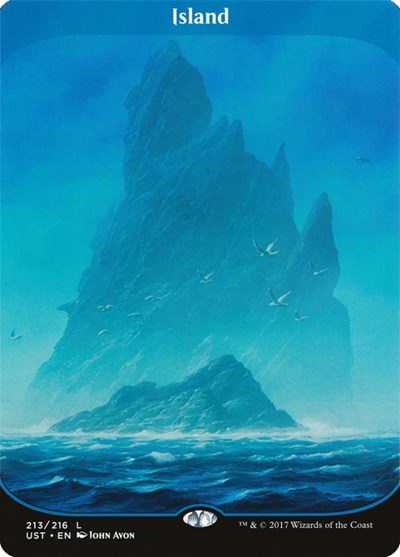
Island
Construct Token

Forest
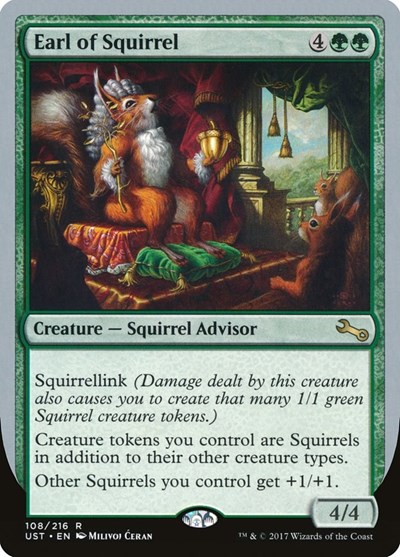
Earl of Squirrel
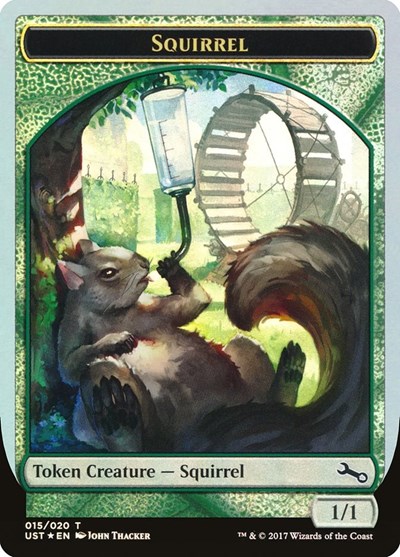
Squirrel Token
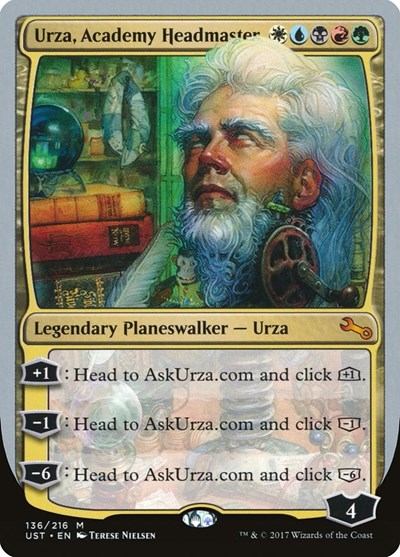
Urza, Academy Headmaster
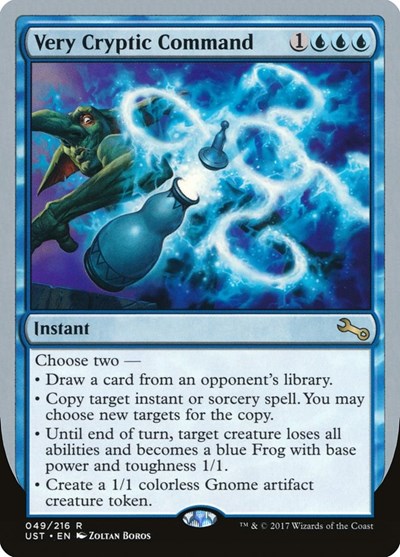
Very Cryptic Command (C)
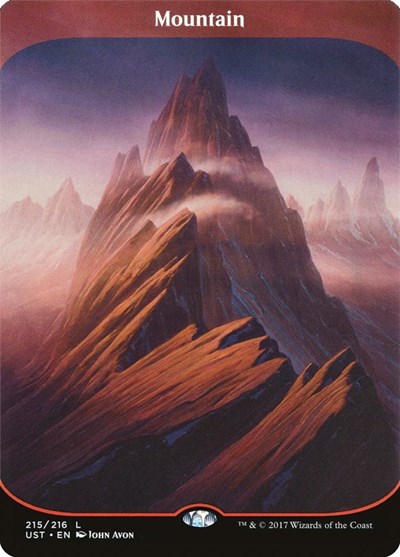
Mountain
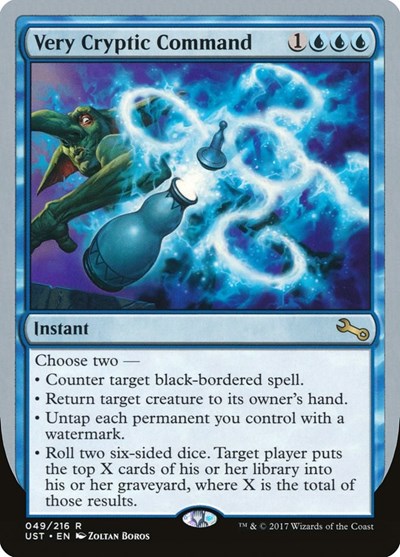
Very Cryptic Command (E)
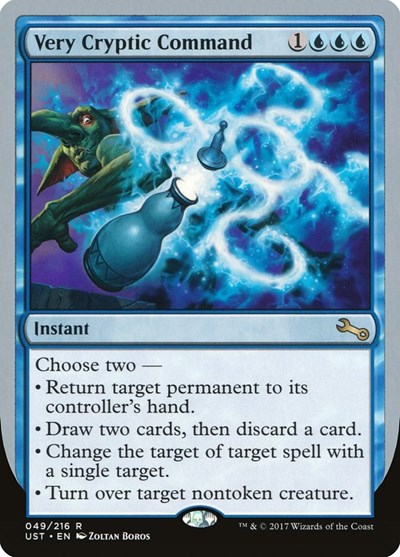
Very Cryptic Command (D)
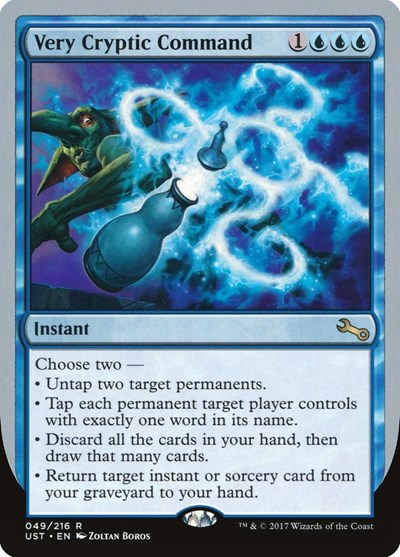
Very Cryptic Command (B)

Plains
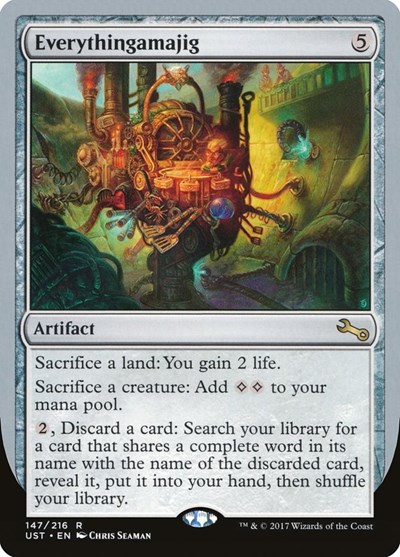
Everythingamajig (E)
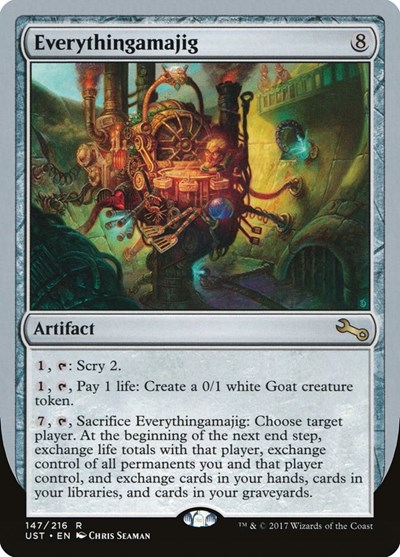
Everythingamajig (F)
Vampire Token
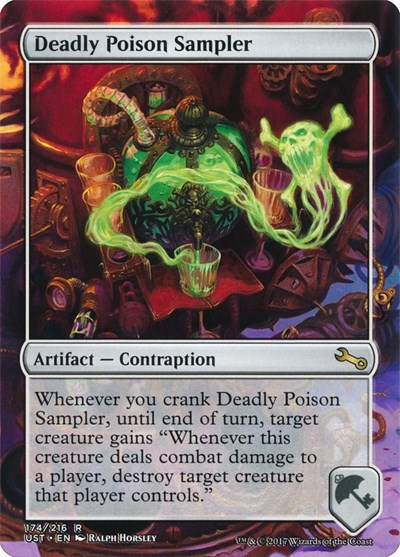
Deadly Poison Sampler
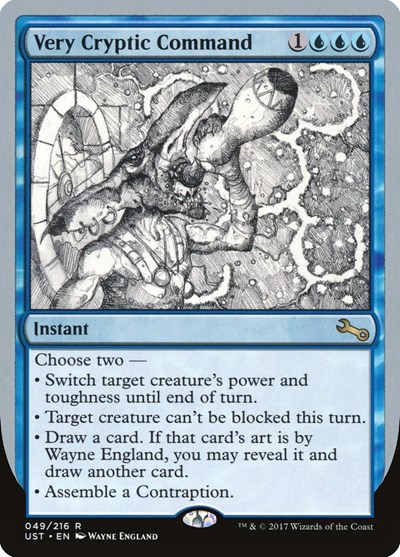
Very Cryptic Command (A)
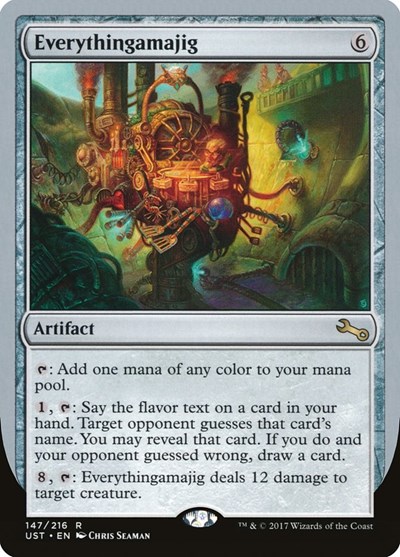
Everythingamajig (D)
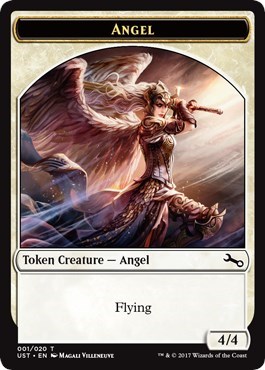
Angel Token
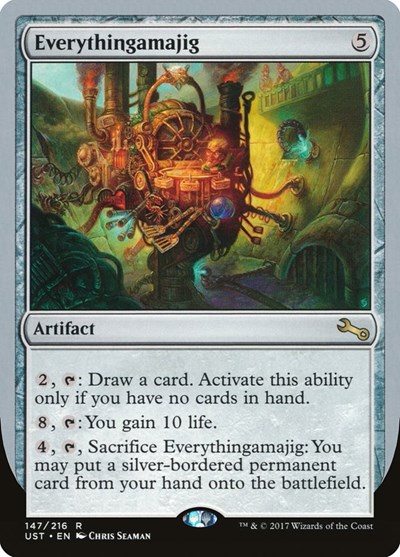
Everythingamajig (B)
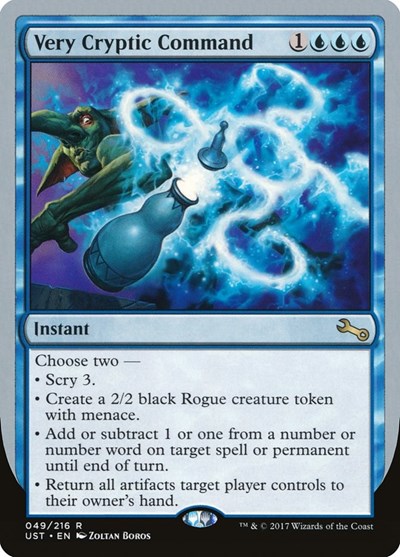
Very Cryptic Command (F)
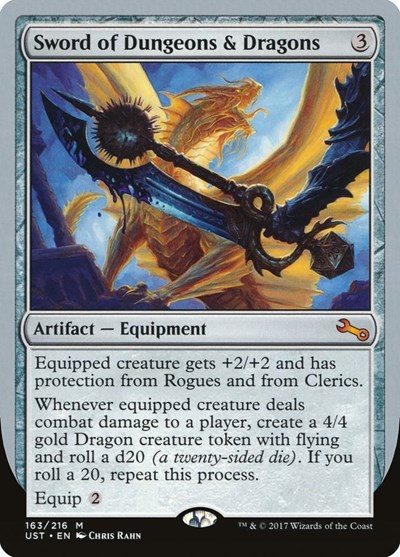
Sword of Dungeons & Dragons
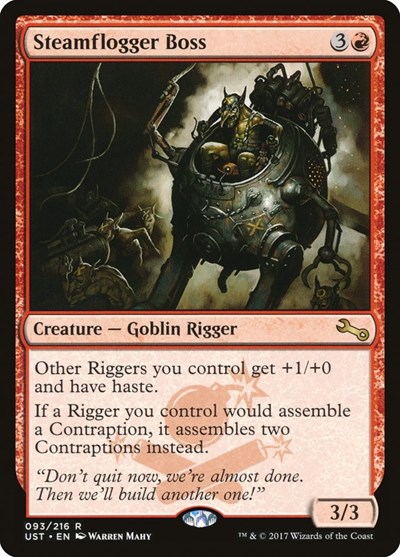
Steamflogger Boss
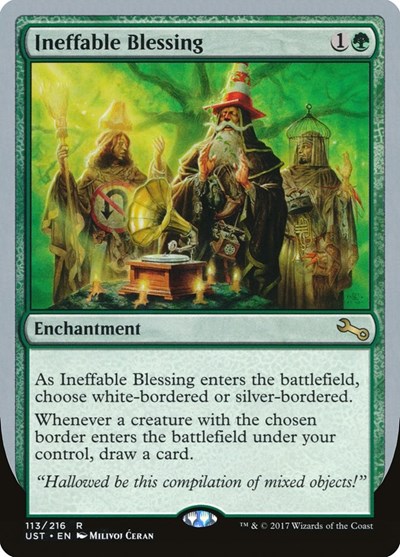
Ineffable Blessing (C)
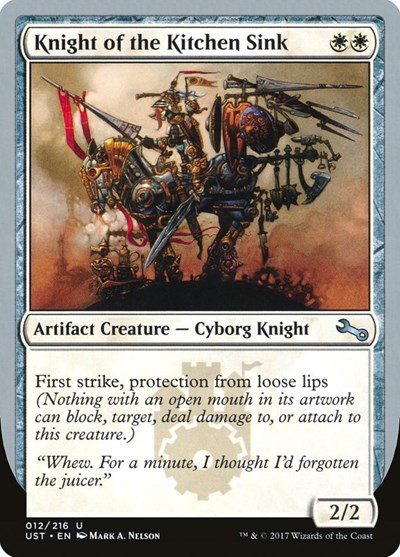
Knight of the Kitchen Sink (C)
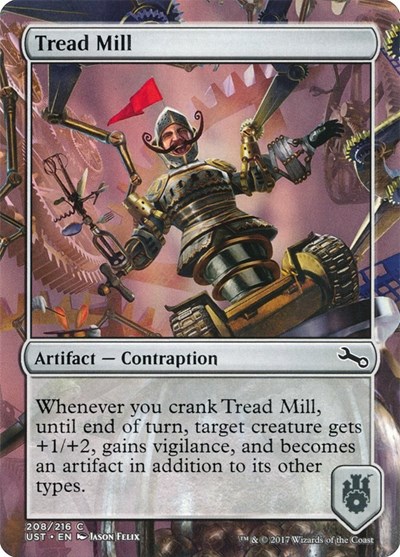
Tread Mill
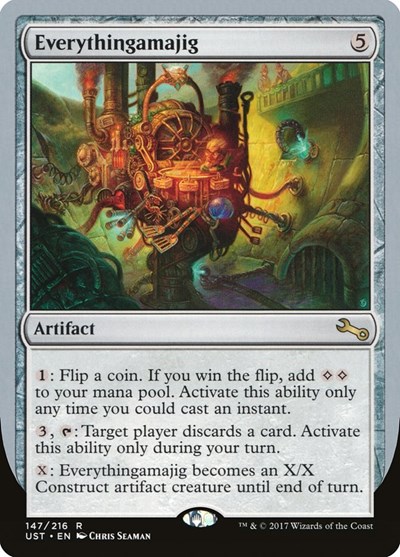
Everythingamajig (C)
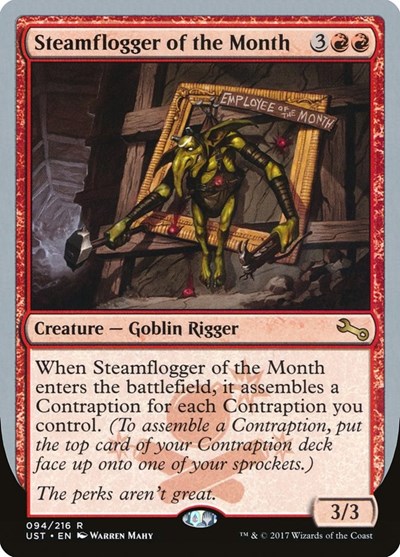
Steamflogger of the Month
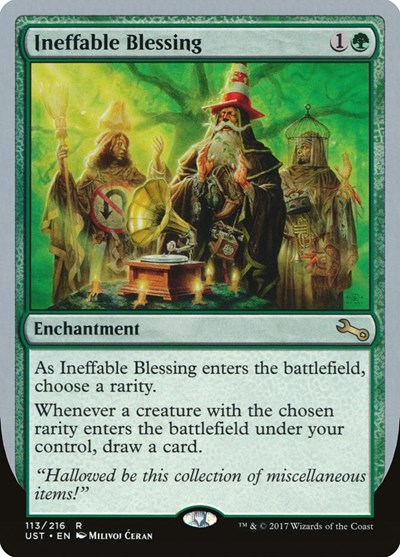
Ineffable Blessing (D)
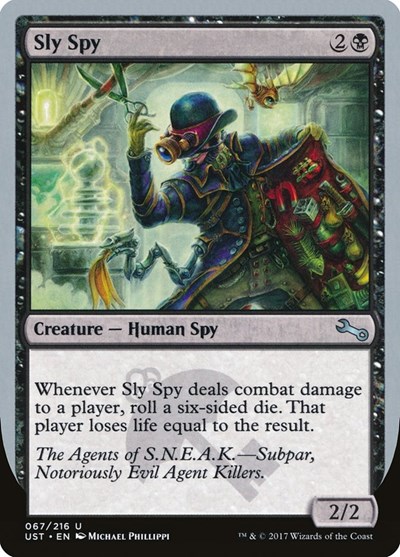
Sly Spy (F)
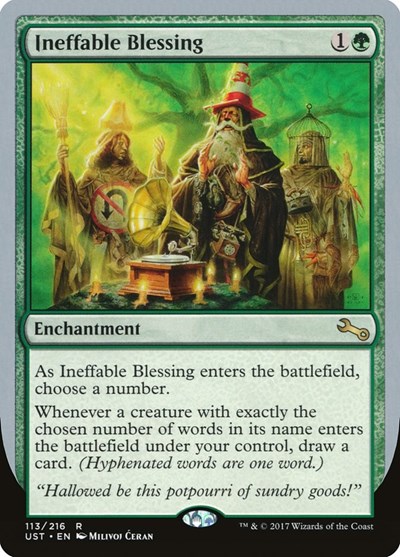
Ineffable Blessing (F)
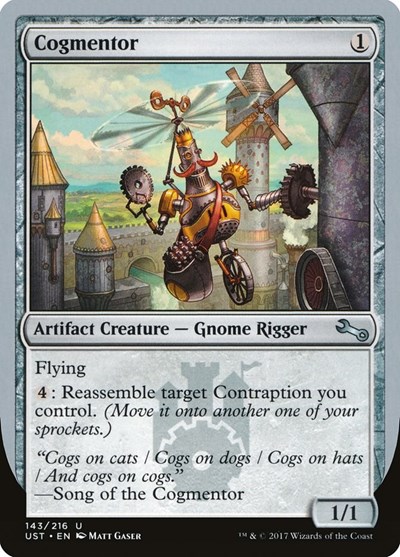
Cogmentor
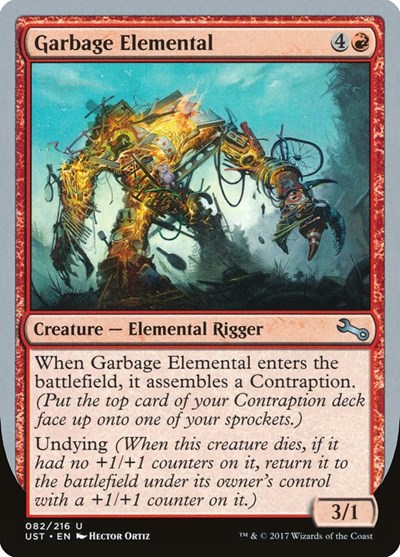
Garbage Elemental (B)
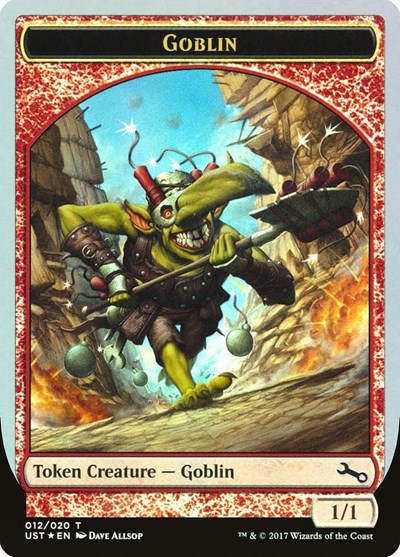
Goblin Token
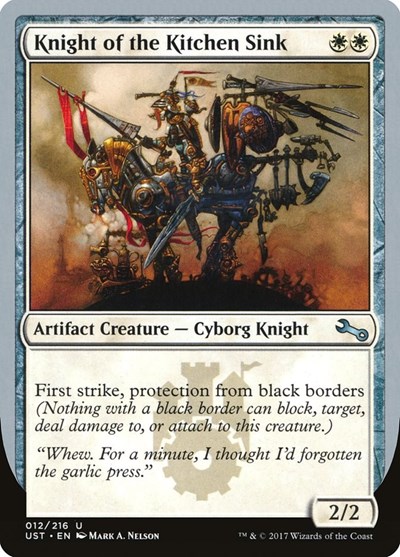
Knight of the Kitchen Sink (A)
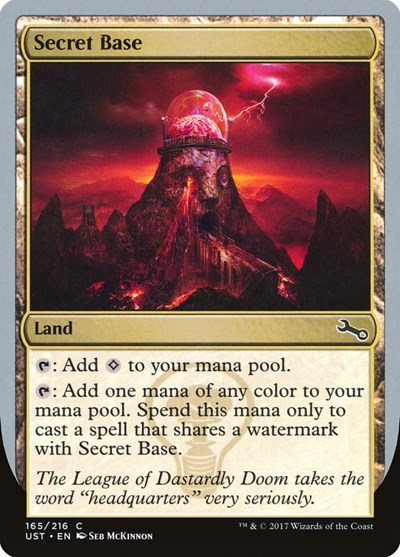
Secret Base (C)
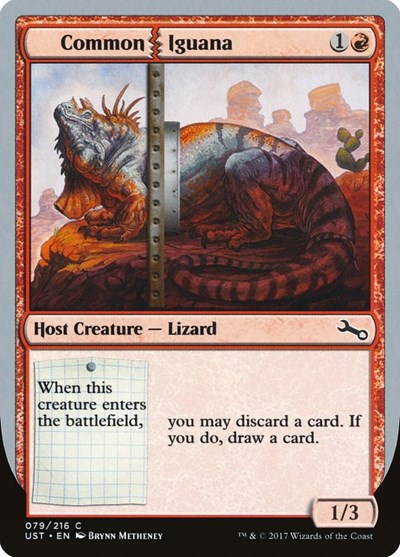
Common Iguana
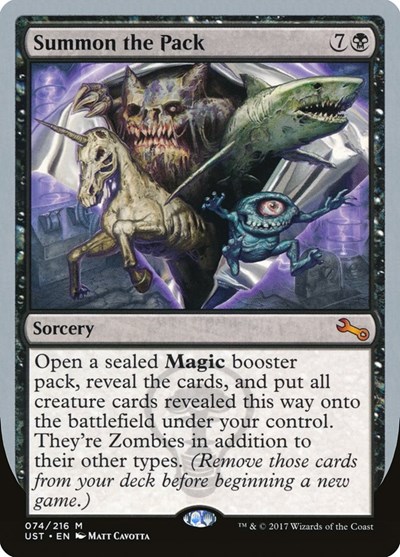
Summon the Pack
288 singles tracked