

DPBC · Yu-Gi-Oh!
Duelist Pack: Battle City
47 cards, led by Black Luster Soldier at $8.73.
Released Jun 19, 2015
Set index · DPBC
81.68
−18.32 (−18.32%)1Y
- 1W
- +0.34%
- 1M
- −9.27%
- 1Y
- −18.32%
52W low 78.59high 112.07


The 5 most valuable · $5.33 – $8.73
- Cards
- 47
- Priced printings
- 47
- Sales a week
- 29
- Typical single, Near Mint
- $0.25
- Popularity
- 33/100
- Standing
- #500
The index
A score that starts at 100 and moves with the set's fair value, compared on the same printings week to week.
One Near Mint copy of every printing at fair value; the chase cards move it most.
Master set value
one of every printing · fair value · Nov 10, 2026
- NM
- $64.50
- 47 of 47 priced · 100% from sales
- LP
- $48.75
- 47 of 47 priced · 100% from sales
- MP
- $42.22
- 47 of 47 priced · 100% from sales
- HP
- $37.01
- 47 of 47 priced · 83% from sales
- DMG
- $32.65
- 47 of 47 priced · 51% from sales
Near Mint was $81.31 on Aug 30, 2026 (-20.7%). Totals move when printings are added or first priced; the index above doesn't.
Sealed
Every way Duelist Pack: Battle City was sold, priced.
2 products
Booster Box
Duelist Pack: Battle City Booster Box [1st Edition]
- Market Price
- —
- MSRP
- —
InsideReported
36×Booster Pack [1st Edition]
Cards
47 of 47 valued in Near Mint
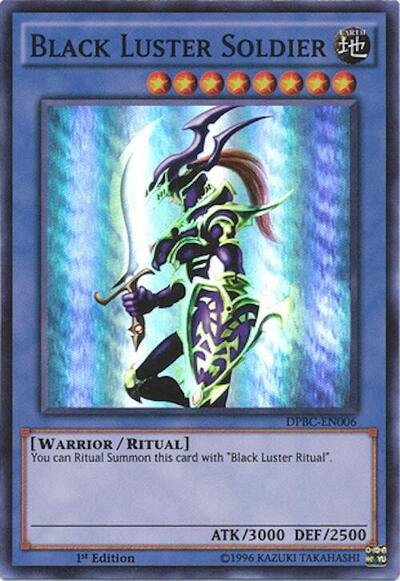
Black Luster Soldier
Super Rare$8.73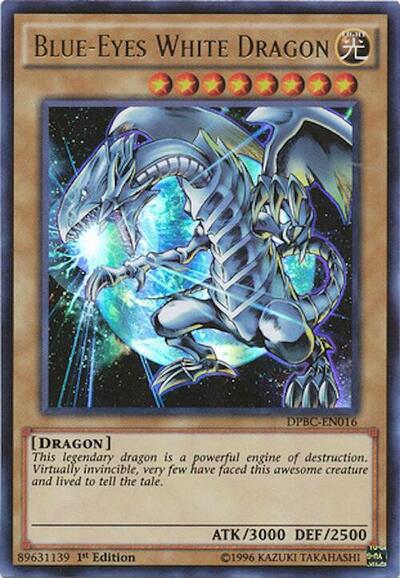
Blue-Eyes White Dragon
Ultra Rare$8.53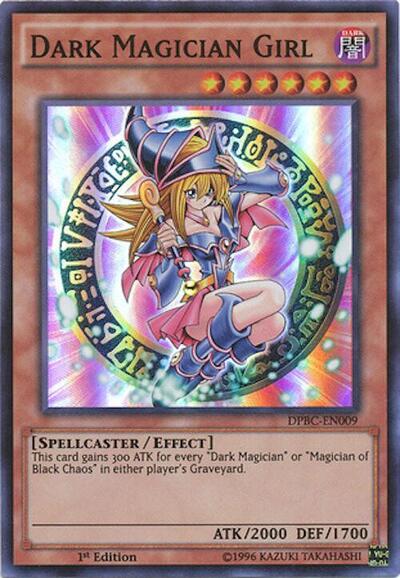
Dark Magician Girl
Super Rare$8.17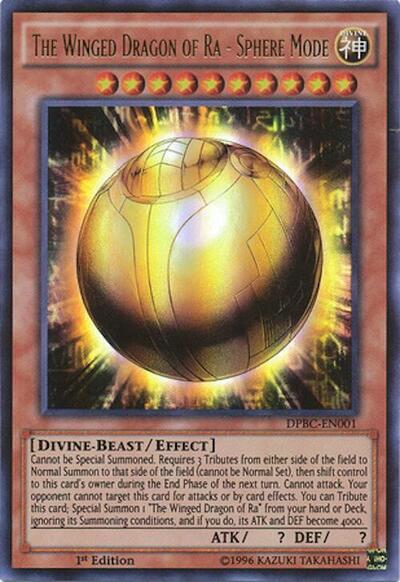
The Winged Dragon of Ra - Sphere Mode
Ultra Rare$5.82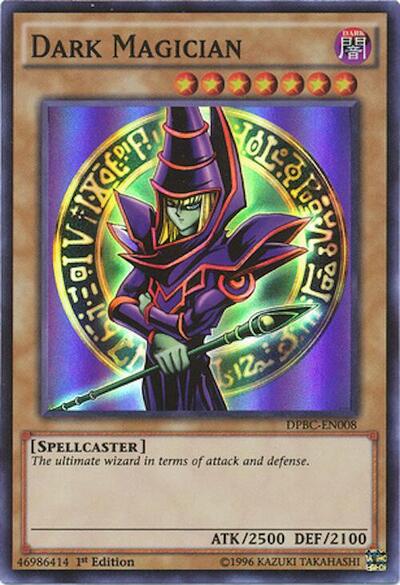
Dark Magician
Super Rare$5.33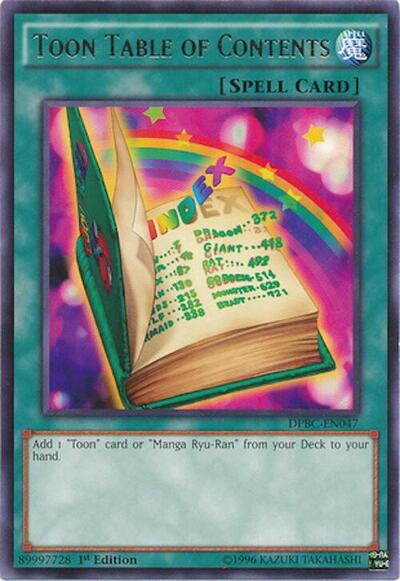
Toon Table of Contents
Rare$5.00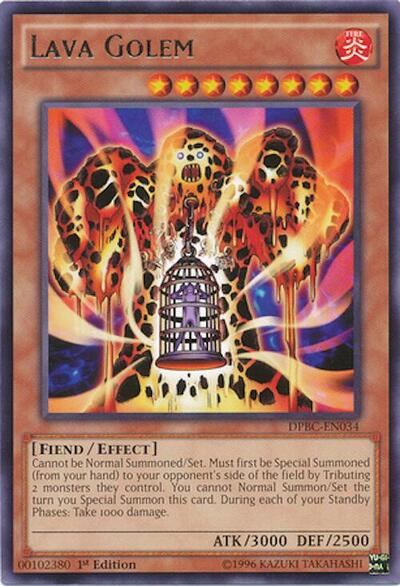
Lava Golem
Rare$3.20
Blue-Eyes Toon Dragon
Common$3.17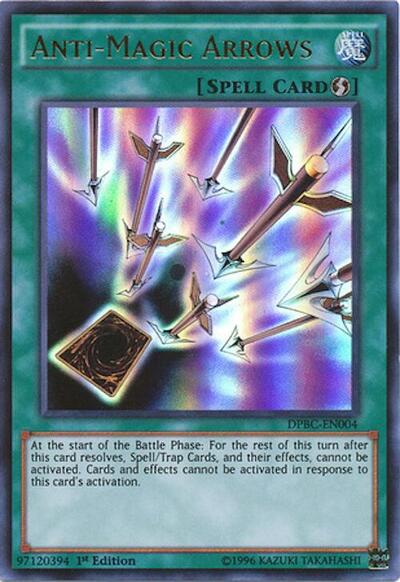
Anti-Magic Arrows
Ultra Rare$2.03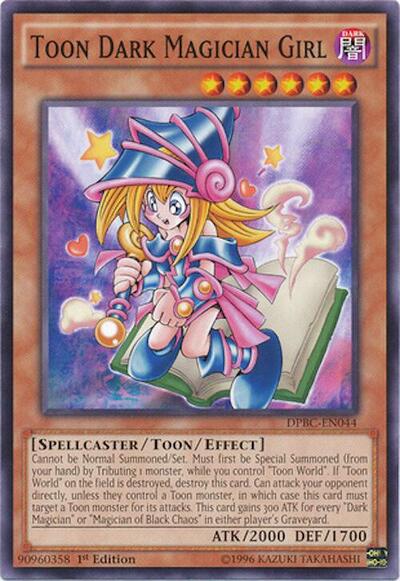
Toon Dark Magician Girl
Common$1.70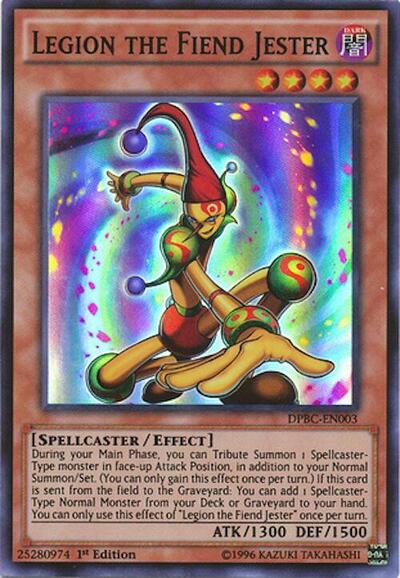
Legion the Fiend Jester
Super Rare$1.21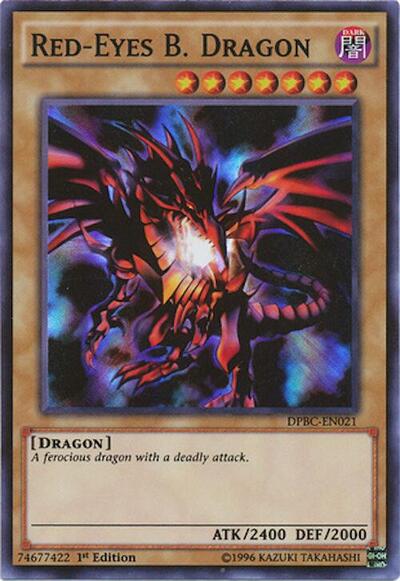
Red-Eyes B. Dragon
Super Rare$1.14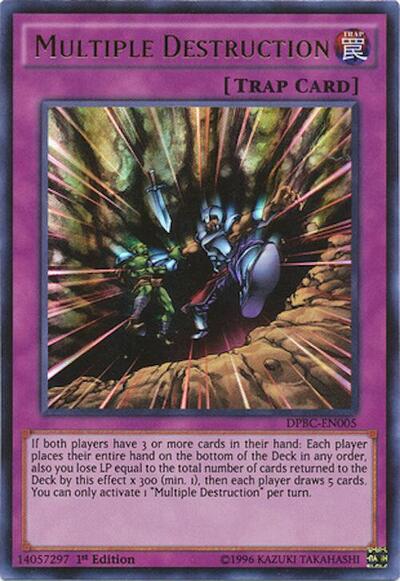
Multiple Destruction
Ultra Rare$0.97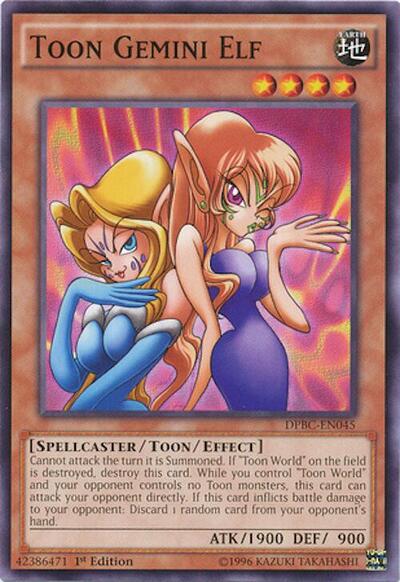
Toon Gemini Elf
Common$0.74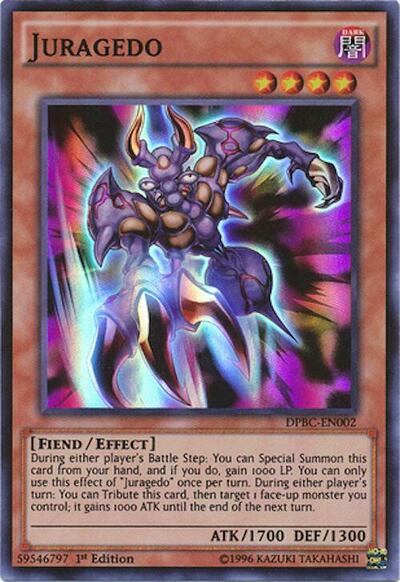
Juragedo
Super Rare$0.71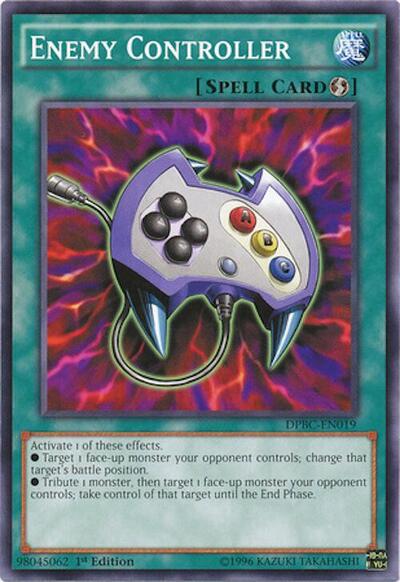
Enemy Controller
Common$0.69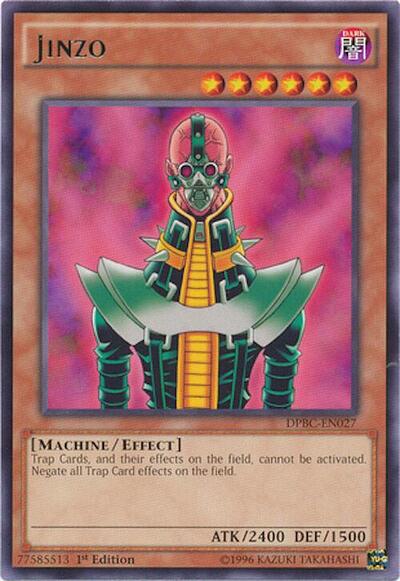
Jinzo
Rare$0.66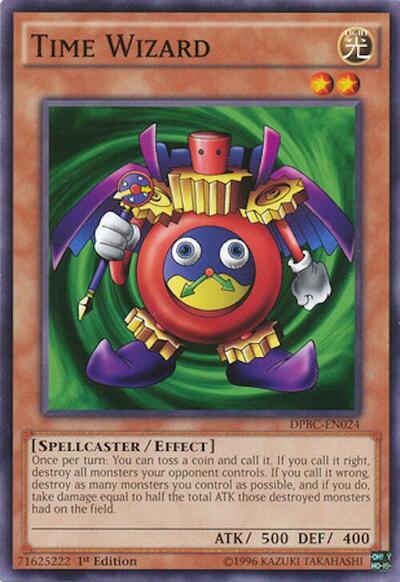
Time Wizard
Common$0.57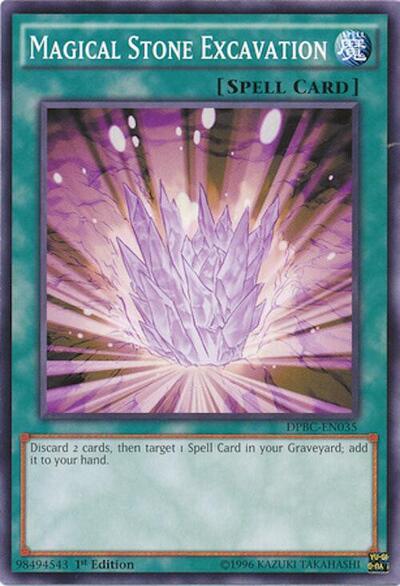
Magical Stone Excavation
Common$0.50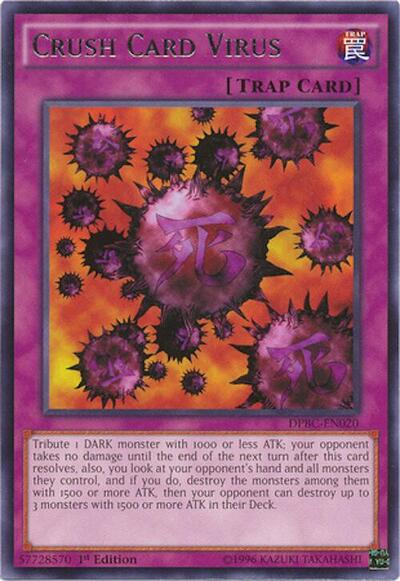
Crush Card Virus
Rare$0.49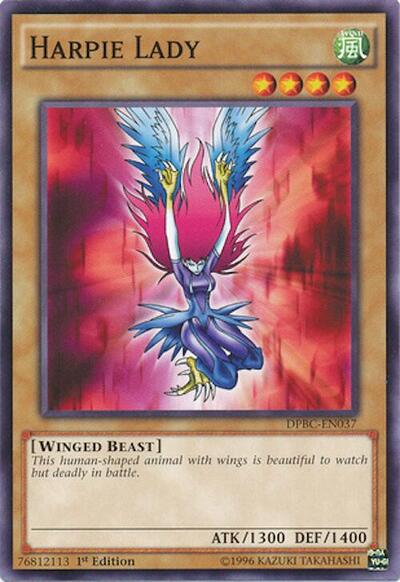
Harpie Lady
Common$0.45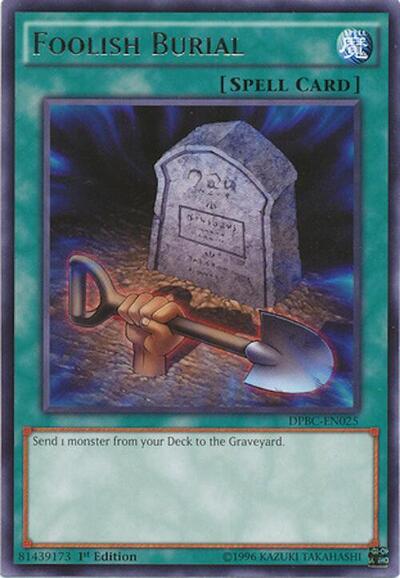
Foolish Burial
Rare$0.29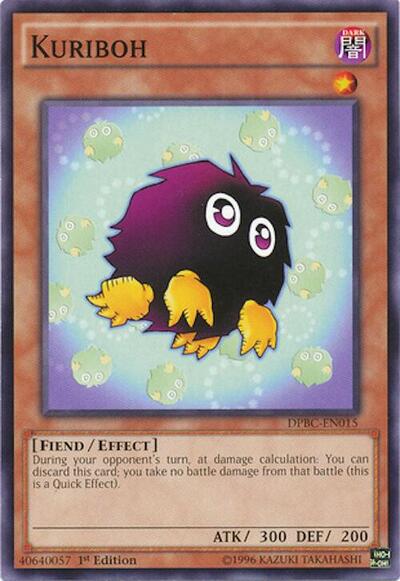
Kuriboh
Common$0.25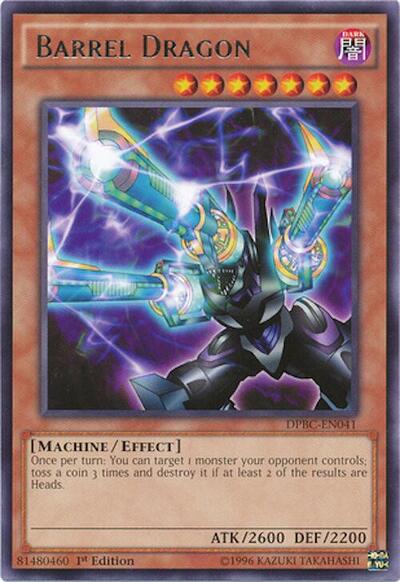
Barrel Dragon
Rare$0.25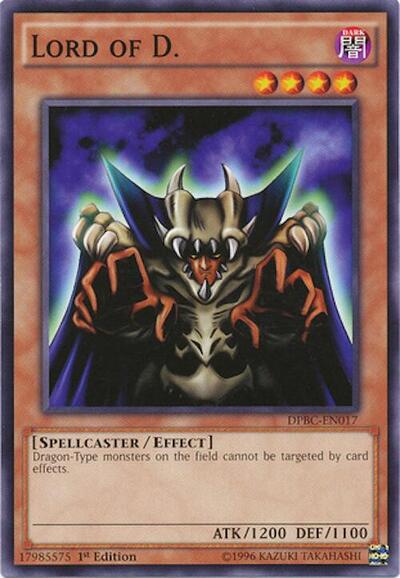
Lord of D.
Common$0.24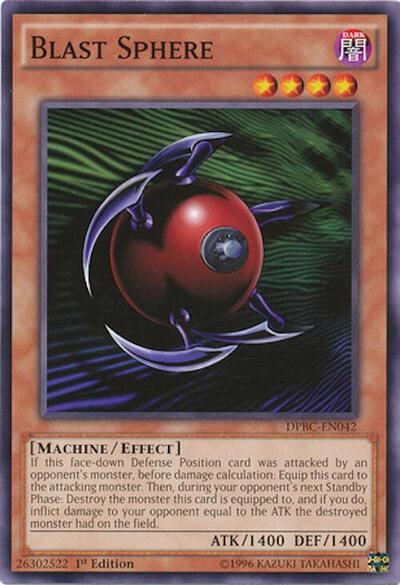
Blast Sphere
Common$0.24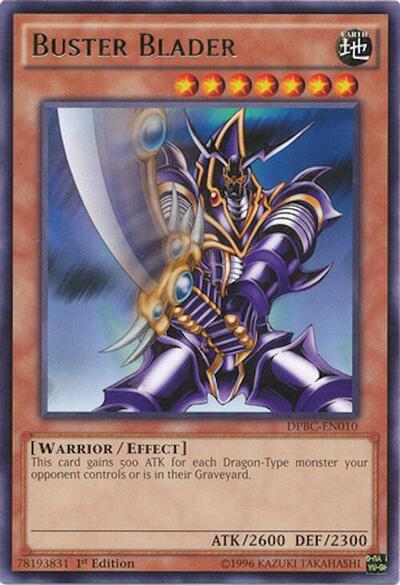
Buster Blader
Rare$0.23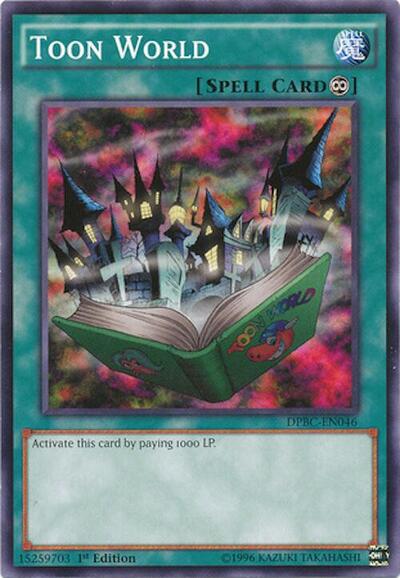
Toon World
Common$0.23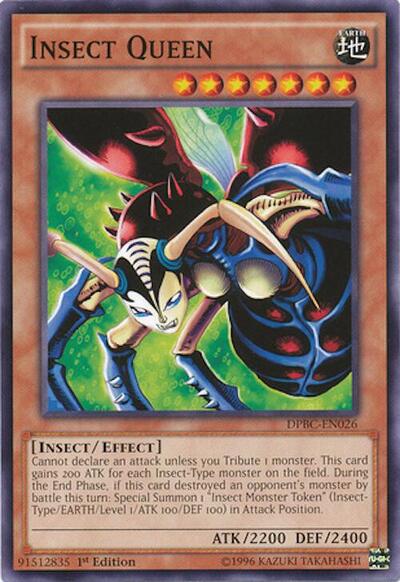
Insect Queen
Common$0.21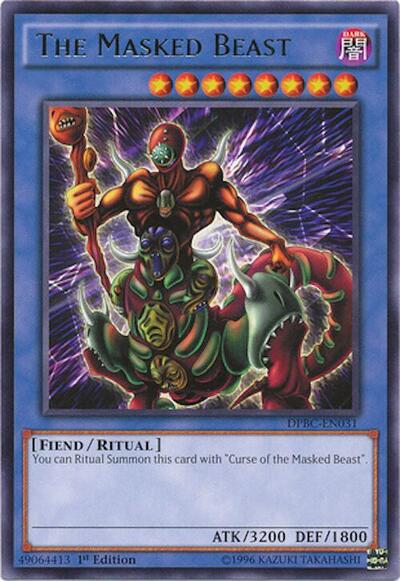
The Masked Beast
Rare$0.21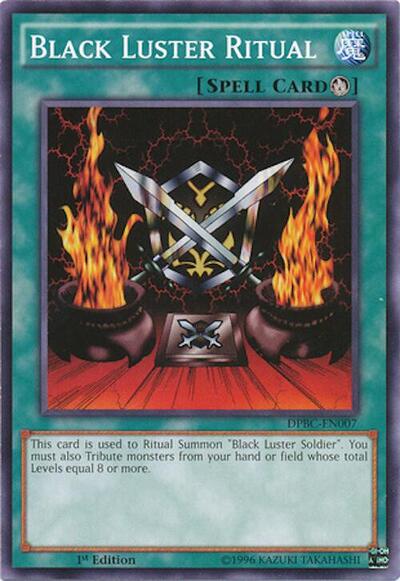
Black Luster Ritual
Common$0.19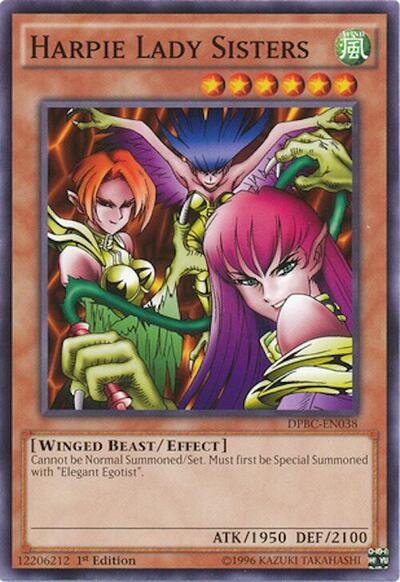
Harpie Lady Sisters
Common$0.19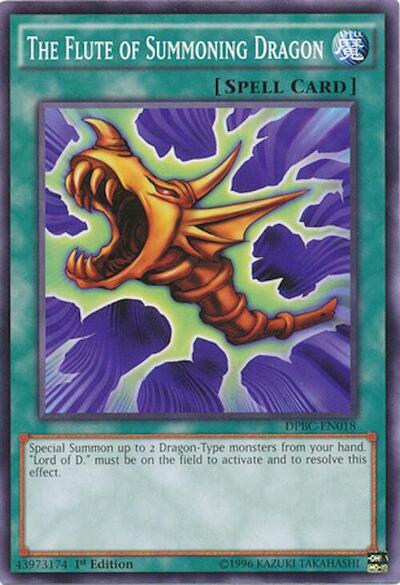
The Flute of Summoning Dragon
Common$0.18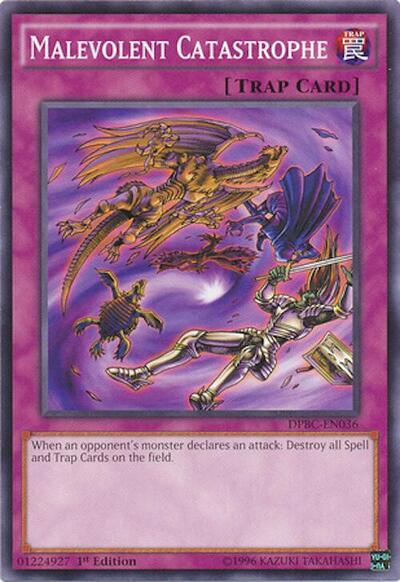
Malevolent Catastrophe
Common$0.18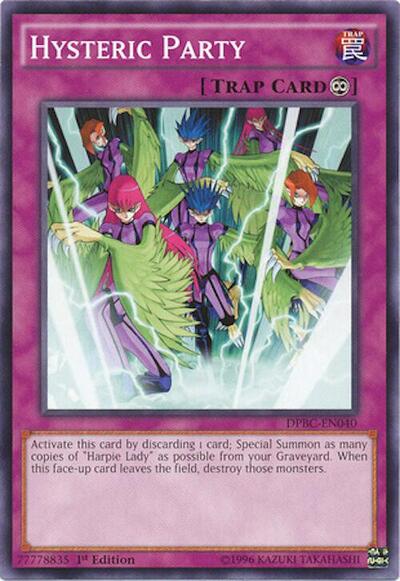
Hysteric Party
Common$0.18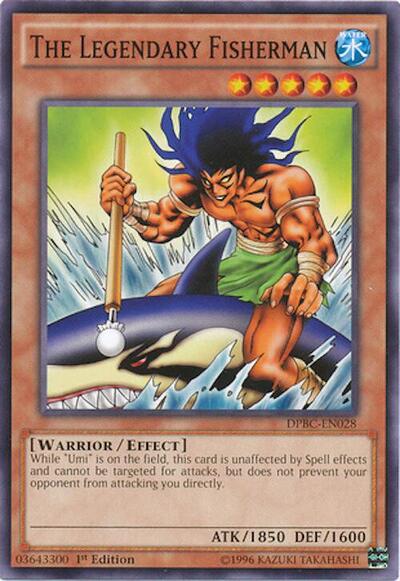
The Legendary Fisherman
Common$0.16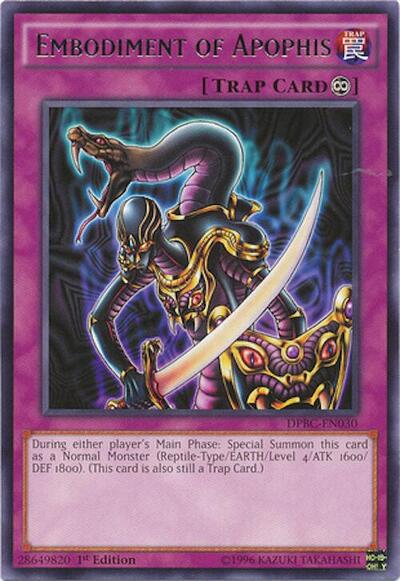
Embodiment of Apophis
Rare$0.13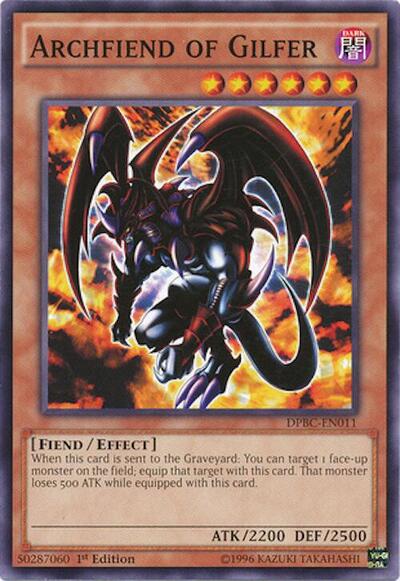
Archfiend of Gilfer
Common$0.11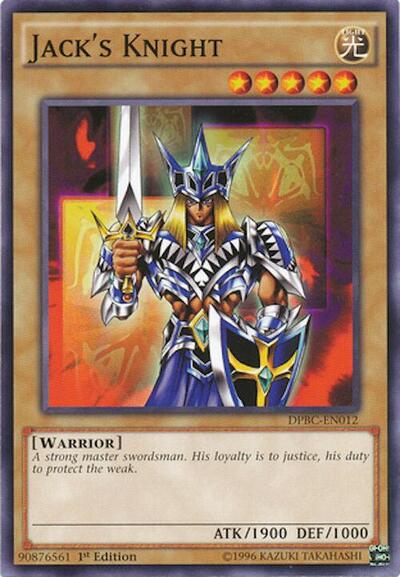
Jack's Knight
Common$0.11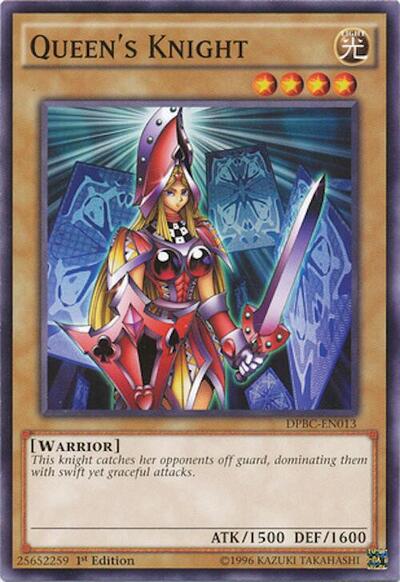
Queen's Knight
Common$0.11
In the set
47 singles tracked
- Common27 · 57%
- Rare10 · 21%
- Super Rare6 · 13%
- Ultra Rare4 · 9%
How to read the set index
- What is the typical single?
- The median fair value of the set's Near Mint English singles — the price in the middle, so one chase card can't drag it up. Fair value comes from real sales only; the marketplace's Market Price is shown on card pages but never counted.
- What does the index line show?
- The Set Value Index: one Near Mint copy of every printing at fair value, compared week to week on the same printings, so it moves with the set's value — the chase cards most. It starts at 100; the 90-day figure is that line over the last quarter. Beside it, the typical card (every card counted the same, chases left out) and the chases on their own.
- How is popularity scored?
- Out of 100, against the rest of the game: how much the set's cards sell for, how many of them sell each week, how many cards it holds and how its index has moved. It ranks sets; it isn't a price.