

MAMS · Yu-Gi-Oh!
Magnificent Maestros
249 cards, led by Blue-Eyes White Dragon, the White Phantom Beast (Starlight Rare) at $452.80.
Released Nov 12, 2026
Set index · MAMS
The index starts once a few weeks of sales collect.


- Cards
- 249
- Priced printings
- 249
- Sales a week
- 51
- Typical single, Near Mint
- $7.56
- Popularity
- 88/100
- Standing
- #3
The index
A score that starts at 100 and moves with the set's fair value, compared on the same printings week to week.
One Near Mint copy of every printing at fair value; the chase cards move it most.
The index line fills in as weekly prices collect.
Master set value
one of every printing · fair value · Nov 10, 2026
- NM
- $8,287.71
- 249 of 249 priced · 51% from sales
- LP
- $7,247.50
- 249 of 249 priced · 51% from sales
- MP
- $5,446.48
- 249 of 249 priced · 31% from sales
- HP
- $3,736.97
- 249 of 249 priced · 22% from sales
- DMG
- $3,396.44
- 249 of 249 priced · 0% from sales
Near Mint was $4,957.16 on Nov 8, 2026 (+67.2%). Totals move when printings are added or first priced; the index above doesn't.
Sealed
Every way Magnificent Maestros was sold, priced.
3 products
Collection Box
Box
- Market Price
- $27.57
- MSRP
- $34.99*
- Against MSRP
- ▼ 21% vs MSRP
$9.19 per pack
What's inside
Inside
- 3×Booster Pack
- 3×Secret Rare cards in a cellophane wrap (random; chance to upgrade to Starlight Rare)
* Standard MSRP for that product type, or a bundle's count × that price.
Cards
249 of 267 valued in Near Mint
- Blue-Eyes White Dragon, the White Phantom Beast (Starlight Rare)
Blue-Eyes White Dragon, the White Phantom Beast (Starlight Rare)
Starlight Rare$452.80 - Deep-Eyes White Dragon, the Blue Abyss (Starlight Rare)
Deep-Eyes White Dragon, the Blue Abyss (Starlight Rare)
Starlight Rare$244.18 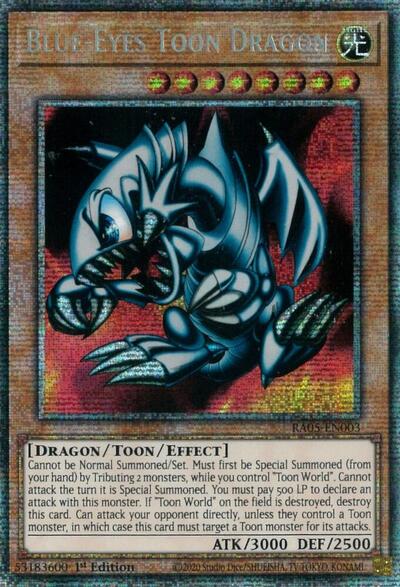
Blue-Eyes Toon Dragon (Starlight Rare)
Starlight Rare$227.90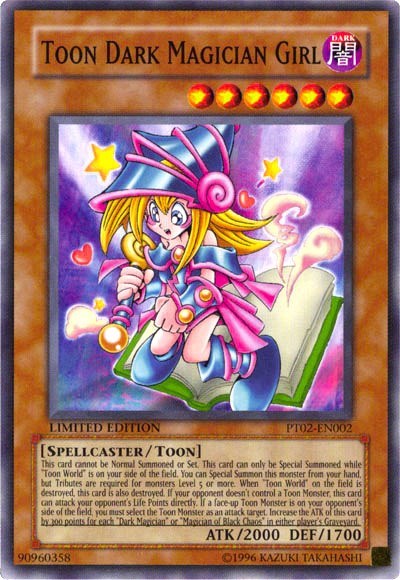
Toon Dark Magician Girl (Starlight Rare)
Starlight Rare$210.54- The Guiding Flute of Summoning Dragons (Starlight Rare)
The Guiding Flute of Summoning Dragons (Starlight Rare)
Starlight Rare$193.77 - Crimson Dragon Quetzalcoatl (Starlight Rare)
Crimson Dragon Quetzalcoatl (Starlight Rare)
Starlight Rare$191.88 - Blue-Eyes White Dragon, the White Phantom Beast (Extended Art)
Blue-Eyes White Dragon, the White Phantom Beast (Extended Art)
Ultra Rare$191.44 - Triple Borrel Launch (Starlight Rare)
Triple Borrel Launch (Starlight Rare)
Starlight Rare$145.53 - Dark Rebellion Xyz Dragon, Four Heavenly Dragons (Starlight Rare)
Dark Rebellion Xyz Dragon, Four Heavenly Dragons (Starlight Rare)
Starlight Rare$144.27 - Starving Venom Fusion Dragon, Four Heavenly Dragons (Starlight Rare)
Starving Venom Fusion Dragon, Four Heavenly Dragons (Starlight Rare)
Starlight Rare$144.12 - Red Nova Dragon - Burning Soul (Starlight Rare)
Red Nova Dragon - Burning Soul (Starlight Rare)
Starlight Rare$142.91 - Neo Galaxy-Eyes Photon Dragon - Photon Howling (Starlight Rare)
Neo Galaxy-Eyes Photon Dragon - Photon Howling (Starlight Rare)
Starlight Rare$142.89 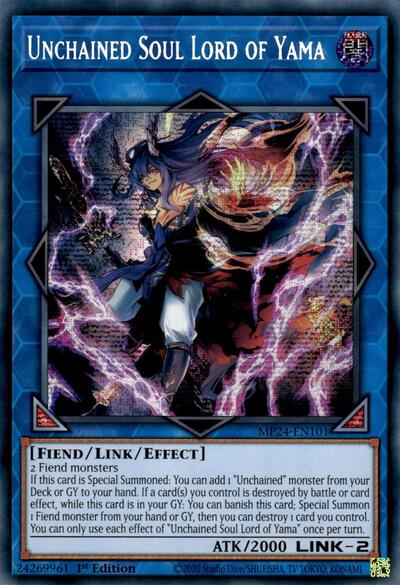
Unchained Soul Lord of Yama (Starlight Rare)
Starlight Rare$129.27- Rokket Barrage (Starlight Rare)
Rokket Barrage (Starlight Rare)
Starlight Rare$126.29 - Blue-Eyes Toon Ultimate Dragon (Starlight Rare)
Blue-Eyes Toon Ultimate Dragon (Starlight Rare)
Starlight Rare$125.50 - Funny Dark Rabbit (Starlight Rare)
Funny Dark Rabbit (Starlight Rare)
Starlight Rare$122.02 - Perfect Toon World (Starlight Rare)
Perfect Toon World (Starlight Rare)
Starlight Rare$119.17 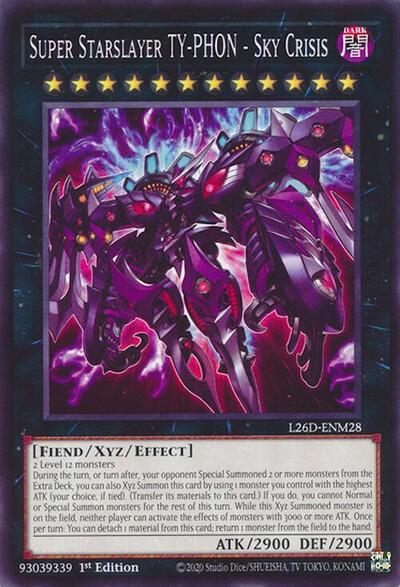
Super Starslayer TY-PHON - Sky Crisis (Starlight Rare)
Starlight Rare$113.12- Cyber Dragon, the Luminous Mech Dragon (Starlight Rare)
Cyber Dragon, the Luminous Mech Dragon (Starlight Rare)
Starlight Rare$104.38 - Animimicat (Starlight Rare)
Animimicat (Starlight Rare)
Starlight Rare$103.96 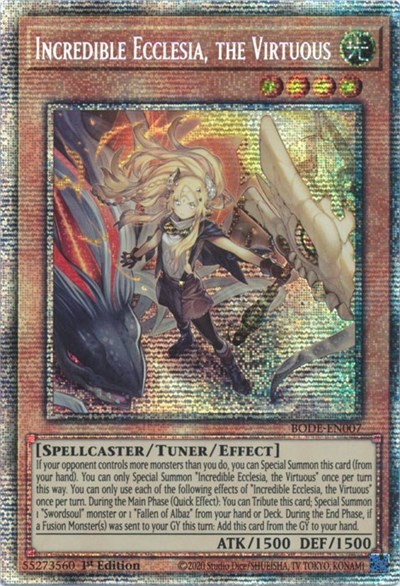
Incredible Ecclesia, the Virtuous (Starlight Rare)
Starlight Rare$103.28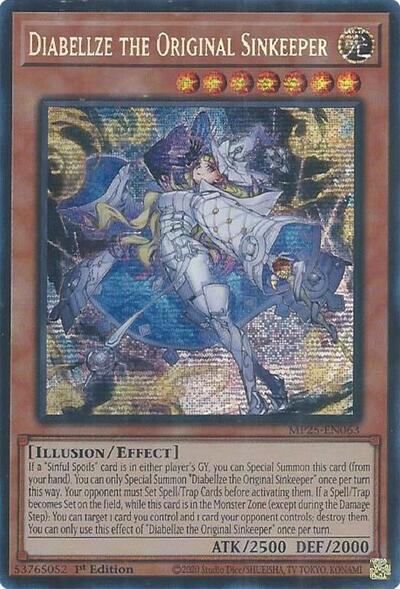
Diabellze the Original Sinkeeper (Starlight Rare)
Starlight Rare$102.18Toon Dark Magician Girl (Extended Art)
Ultra Rare$96.98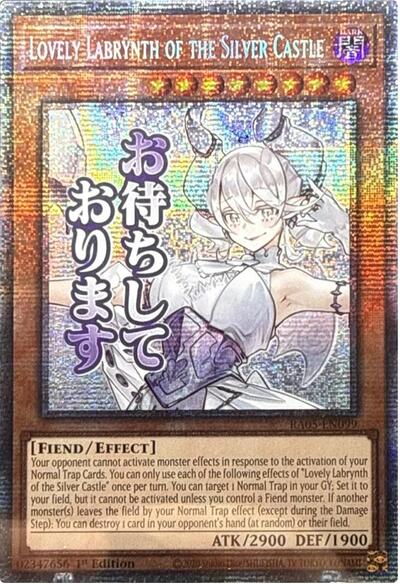
Lovely Labrynth of the Silver Castle (Starlight Rare)
Starlight Rare$86.67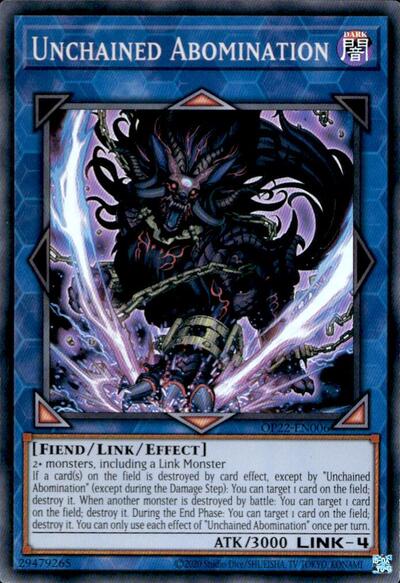
Unchained Abomination (Starlight Rare)
Starlight Rare$85.15- Unchained Firelord of Yama (Starlight Rare)
Unchained Firelord of Yama (Starlight Rare)
Starlight Rare$83.65 - Clear Wing Synchro Dragon, Four Heavenly Dragons (Starlight Rare)
Clear Wing Synchro Dragon, Four Heavenly Dragons (Starlight Rare)
Starlight Rare$80.89 Blue-Eyes Toon Dragon (Extended Art)
Ultra Rare$77.97- Unchained Oni of Shyma (Starlight Rare)
Unchained Oni of Shyma (Starlight Rare)
Starlight Rare$77.66 - Galaxy-Eyes Photon Change Dragon (Starlight Rare)
Galaxy-Eyes Photon Change Dragon (Starlight Rare)
Starlight Rare$77.48 - Mind Scan (Starlight Rare)
Mind Scan (Starlight Rare)
Starlight Rare$77.13 Unchained Soul Lord of Yama (Extended Art)
Ultra Rare$76.60- Cyber End Dragon, the Final Strike Dragon (Starlight Rare)
Cyber End Dragon, the Final Strike Dragon (Starlight Rare)
Starlight Rare$76.15 - Evil Box (Starlight Rare)
Evil Box (Starlight Rare)
Starlight Rare$75.60 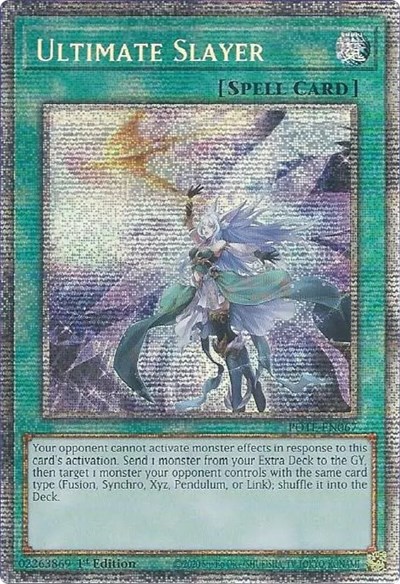
Ultimate Slayer (Starlight Rare)
Starlight Rare$75.21- Unchained Oni of Shara (Starlight Rare)
Unchained Oni of Shara (Starlight Rare)
Starlight Rare$74.52 - Unchained Zealot - Kamra (Starlight Rare)
Unchained Zealot - Kamra (Starlight Rare)
Starlight Rare$74.11 - Borreload Liberator Dragon (Starlight Rare)
Borreload Liberator Dragon (Starlight Rare)
Starlight Rare$73.20 - Dark Rebellion Xyz Dragon, Four Heavenly Dragons (Extended Art)
Dark Rebellion Xyz Dragon, Four Heavenly Dragons (Extended Art)
Ultra Rare$71.90 - Deep-Eyes White Dragon, the Blue Abyss (Extended Art)
Deep-Eyes White Dragon, the Blue Abyss (Extended Art)
Ultra Rare$70.26
In the set
267 singles tracked
- Ultra Rare143 · 54%
- Starlight Rare65 · 24%
- Secret Rare41 · 15%
- Grand Master Rare18 · 7%
How to read the set index
- What is the typical single?
- The median fair value of the set's Near Mint English singles — the price in the middle, so one chase card can't drag it up. Fair value comes from real sales only; the marketplace's Market Price is shown on card pages but never counted.
- What does the index line show?
- The Set Value Index: one Near Mint copy of every printing at fair value, compared week to week on the same printings, so it moves with the set's value — the chase cards most. It starts at 100; the 90-day figure is that line over the last quarter. Beside it, the typical card (every card counted the same, chases left out) and the chases on their own.
- How is popularity scored?
- Out of 100, against the rest of the game: how much the set's cards sell for, how many of them sell each week, how many cards it holds and how its index has moved. It ranks sets; it isn't a price.