

DCR · Yu-Gi-Oh!
Dark Crisis
106 cards, led by Exodia Necross at $16.06.
Released Dec 1, 2003
Set index · DCR
96.40
−3.60 (−3.60%)1Y
- 1W
- +7.03%
- 1M
- +10.11%
- 1Y
- −3.60%
52W low 87.55high 103.60


The 5 most valuable · $10.00 – $16.06
- Cards
- 106
- Priced printings
- 212
- Sales a week
- 72
- Set value
- $737.89
- Popularity
- 79/100
- Standing
- #50
The index
A score that starts at 100 and moves with the set's fair value, compared on the same printings week to week.
One Near Mint copy of every printing at fair value; the chase cards move it most.
Master set value
one of every printing · fair value · Nov 15, 2026
- NM
- $737.89
- 212 of 212 priced · 99% from sales
- LP
- $432.26
- 212 of 212 priced · 100% from sales
- MP
- $292.69
- 212 of 212 priced · 98% from sales
- HP
- $205.23
- 212 of 212 priced · 91% from sales
- DMG
- $156.75
- 212 of 212 priced · 71% from sales
Near Mint was $734.57 on Aug 30, 2026 (+0.5%). Totals move when printings are added or first priced; the index above doesn't.
Sealed
Every way Dark Crisis was sold, priced.
5 products
Booster Box
Dark Crisis - Booster Box (24 packs)
- Market Price
- $299.99
- MSRP
- —
InsideReported
- 24×booster packs (edition and print not stated)
Booster Box
Booster Box (36 packs)
- Market Price
- —
- MSRP
- —
What's inside
InsideReported
- 36×booster packs (edition and print not stated)
Booster Pack
Booster Pack - North American English [Unlimited Edition]
- Market Price
- —
- MSRP
- —
Booster Pack
Booster Pack - Worldwide English [Unlimited Edition]
- Market Price
- $7.08
- MSRP
- —
Cards
106 of 106 valued in Near Mint
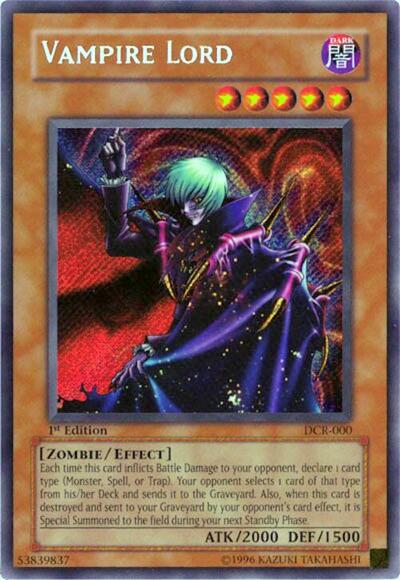
Vampire Lord
Secret Rare$18.37
Exodia Necross
Ultra Rare$16.06
Tsukuyomi
Rare$12.53
Shinato, King of a Higher Plane
Ultra Rare$10.00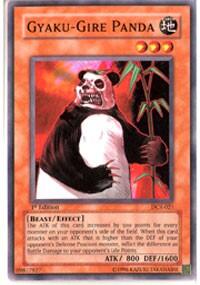
Gyaku-Gire Panda
Common$9.82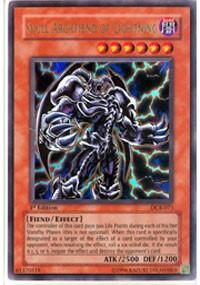
Skull Archfiend of Lightning
Ultra Rare$8.65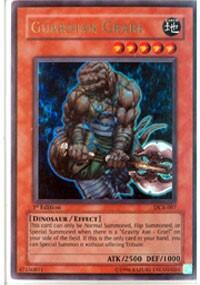
Guardian Grarl
Ultra Rare$8.18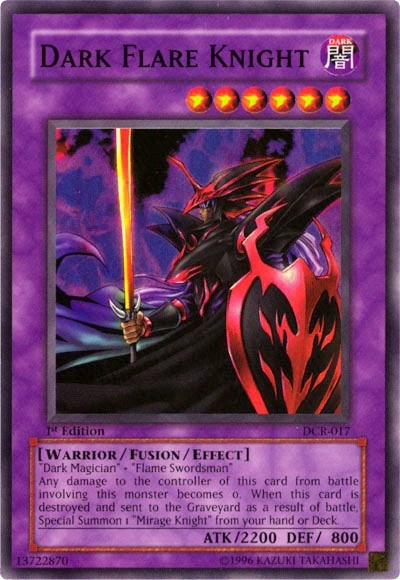
Dark Flare Knight
Super Rare$7.00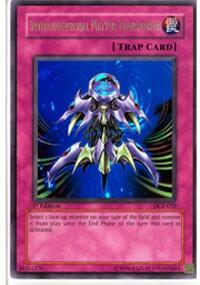
Interdimensional Matter Transporter
Ultra Rare$6.75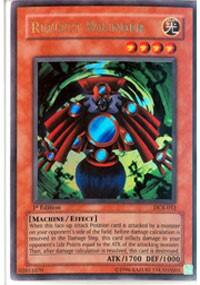
Reflect Bounder
Ultra Rare$6.38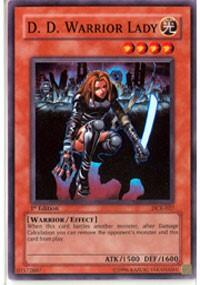
D.D. Warrior Lady
Super Rare$5.17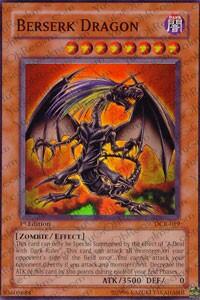
Berserk Dragon
Super Rare$4.12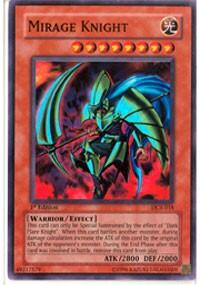
Mirage Knight
Super Rare$3.49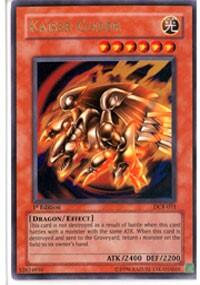
Kaiser Glider
Ultra Rare$3.37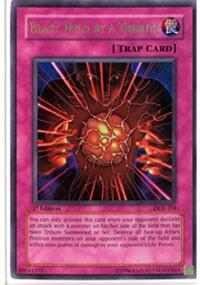
Blast Held by a Tribute
Ultra Rare$3.20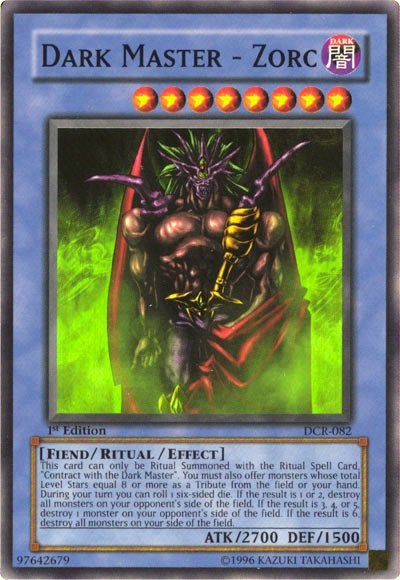
Dark Master - Zorc
Super Rare$3.03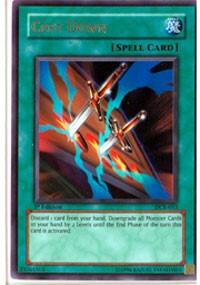
Cost Down
Ultra Rare$2.55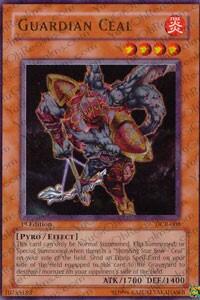
Guardian Ceal
Ultra Rare$2.42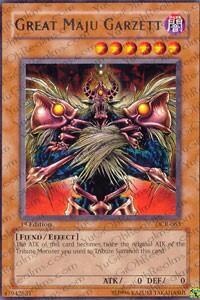
Great Maju Garzett
Rare$2.20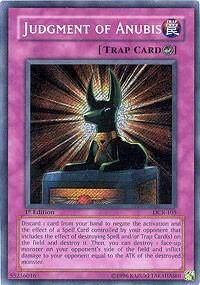
Judgment of Anubis
Secret Rare$2.08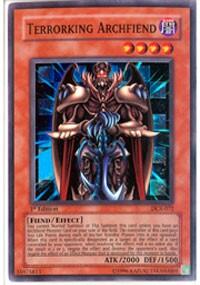
Terrorking Archfiend
Super Rare$2.03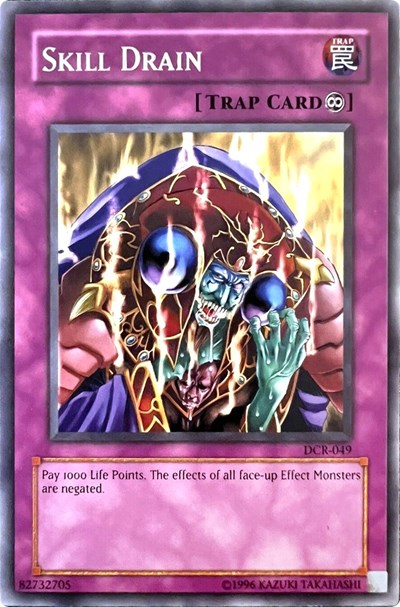
Skill Drain
Rare$1.85
Archfiend Soldier
Rare$1.83
Contract with Exodia
Common$1.73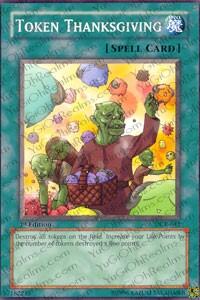
Token Thanksgiving
Common$1.70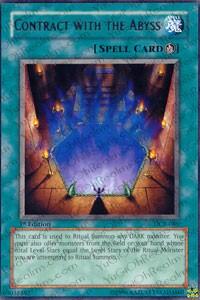
Contract with the Abyss
Rare$1.66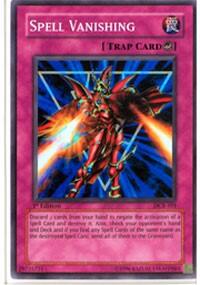
Spell Vanishing
Super Rare$1.55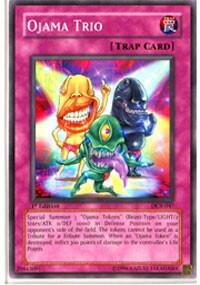
Ojama Trio
Common$1.33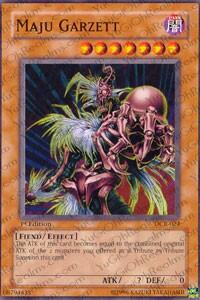
Maju Garzett
Common$1.28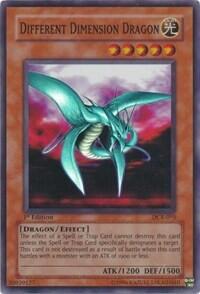
Different Dimension Dragon
Super Rare$1.25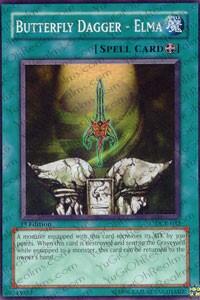
Butterfly Dagger - Elma
Super Rare$1.25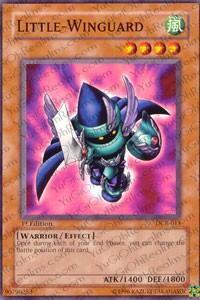
Little-Winguard
Common$1.20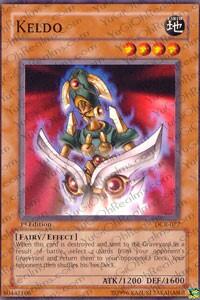
Keldo
Common$1.15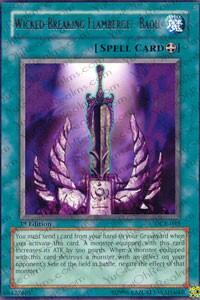
Wicked-Breaking Flamberge - Baou
Rare$1.12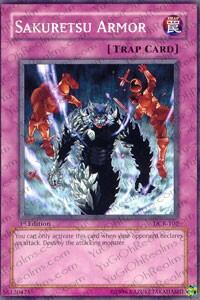
Sakuretsu Armor
Common$1.12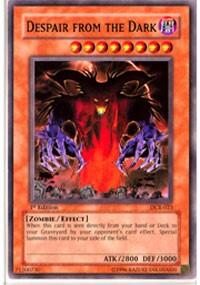
Despair from the Dark
Common$1.06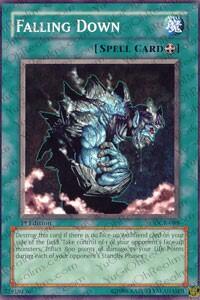
Falling Down
Common$1.01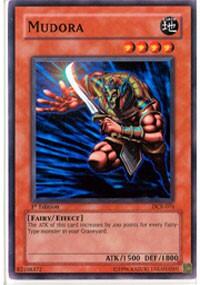
Mudora
Super Rare$0.99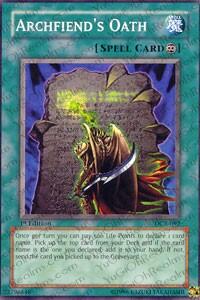
Archfiend's Oath
Common$0.91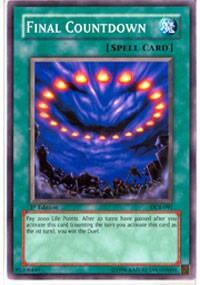
Final Countdown
Common$0.86
In the set
106 singles tracked
- Common67 · 63%
- Rare17 · 16%
- Ultra Rare10 · 9%
- Super Rare10 · 9%
- Secret Rare2 · 2%
How to read the set index
- What is the set value?
- What it costs to own one Near Mint copy of every printing in the set, at fair value. Fair value comes from real sales only; the marketplace's Market Price is shown on card pages but never counted.
- What does the index line show?
- The Set Value Index: one Near Mint copy of every printing at fair value, compared week to week on the same printings, so it moves with the set's value — the chase cards most. It starts at 100; the change beside the set value is that line over 30 days, or over 7 for a set too new for a month. Beside it, the set without the chases (every card counted the same) and the chases on their own.
- How is popularity scored?
- Out of 100, against the rest of the game: how much the set's cards sell for, how many of them sell each week, how many cards it holds and how its index has moved. It ranks sets; it isn't a price.