

Starter Deck
Structure Deck
- Market Price
- $189.99
- MSRP
- —
What's inside
InsideReported
- 1×Preconstructed Deck of 42 cards
- 1×Rulebook
- 1×Dueling Guide
- 1×Playmat
SDMA · Yu-Gi-Oh!
38 cards, led by Lava Golem at $2.53.
Released Oct 19, 2010
Set index · SDMA
58.79
−41.21 (−41.21%)1Y


The 5 most valuable · $0.96 – $2.53
A score that starts at 100 and moves with the set's fair value, compared on the same printings week to week.
One Near Mint copy of every printing at fair value; the chase cards move it most.
one of every printing · fair value · Nov 11, 2026
Near Mint was $85.65 on Aug 30, 2026 (-22.5%). Totals move when printings are added or first priced; the index above doesn't.
Every way Structure Deck: Marik was sold, priced.
1 product
Starter Deck
Structure Deck
InsideReported
38 of 38 valued in Near Mint
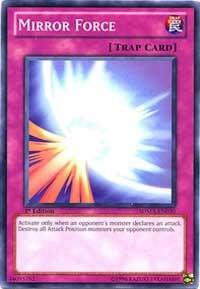
Mirror Force
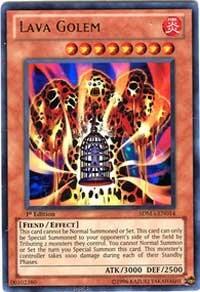
Lava Golem
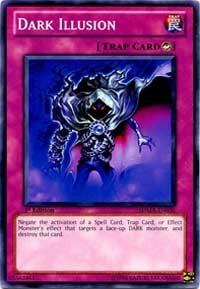
Dark Illusion
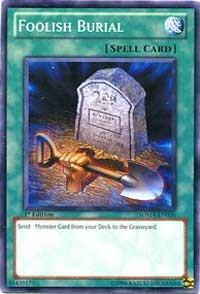
Foolish Burial
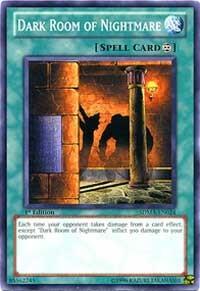
Dark Room of Nightmare
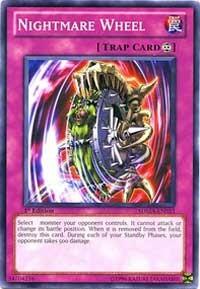
Nightmare Wheel
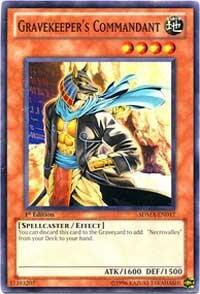
Gravekeeper's Commandant
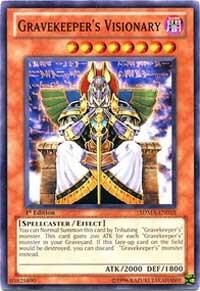
Gravekeeper's Visionary
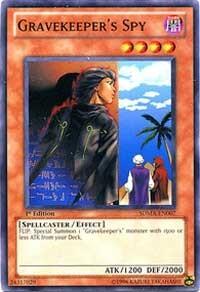
Gravekeeper's Spy
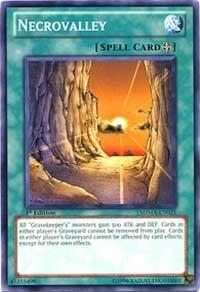
Necrovalley
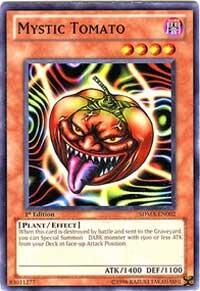
Mystic Tomato
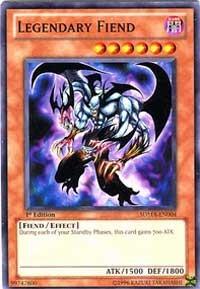
Legendary Fiend
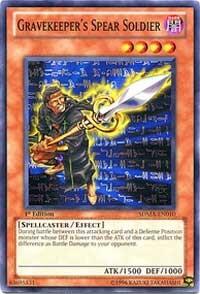
Gravekeeper's Spear Soldier
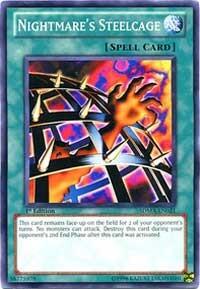
Nightmare's Steelcage
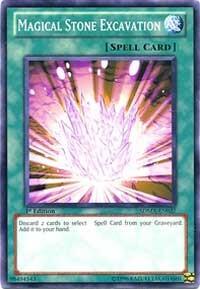
Magical Stone Excavation

Skull Invitation
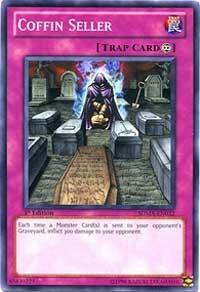
Coffin Seller
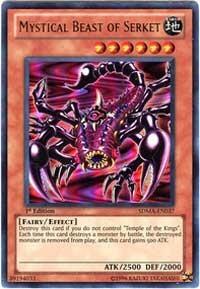
Mystical Beast of Serket
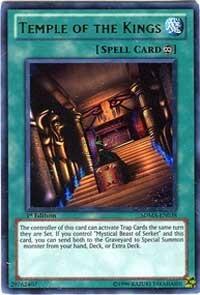
Temple of the Kings
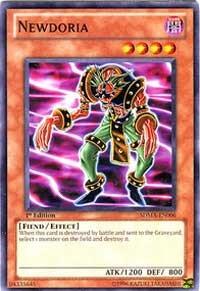
Newdoria
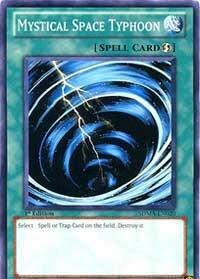
Mystical Space Typhoon
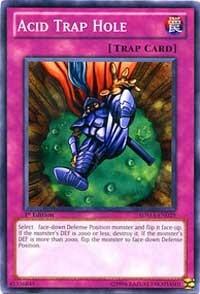
Acid Trap Hole
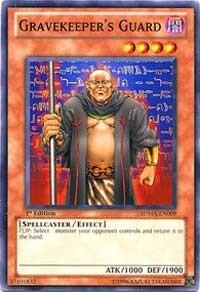
Gravekeeper's Guard
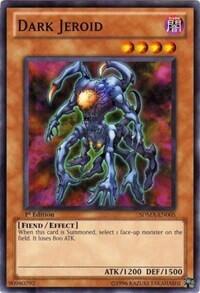
Dark Jeroid
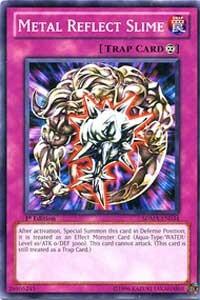
Metal Reflect Slime
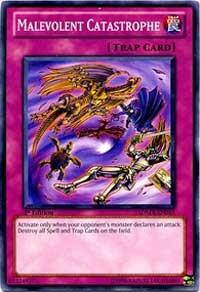
Malevolent Catastrophe
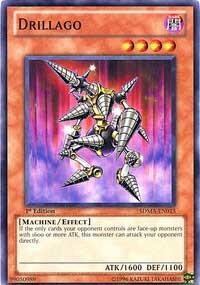
Drillago
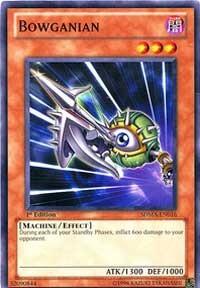
Bowganian
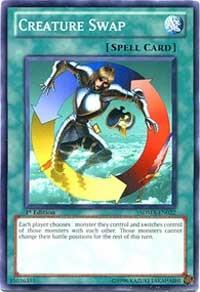
Creature Swap
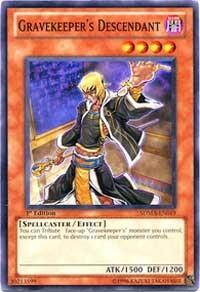
Gravekeeper's Descendant
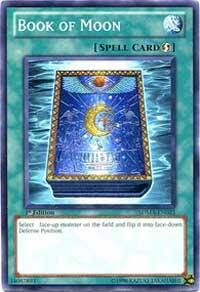
Book of Moon

Gravekeeper's Chief
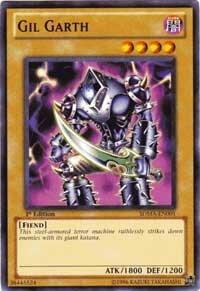
Gil Garth
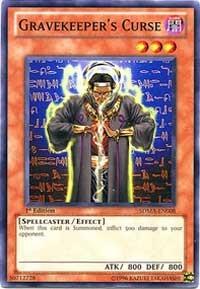
Gravekeeper's Curse
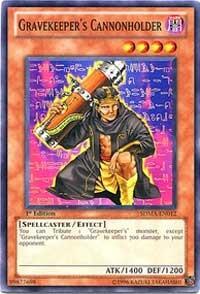
Gravekeeper's Cannonholder
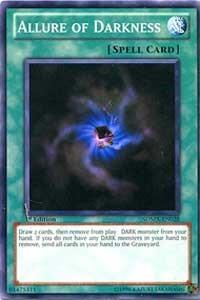
Allure of Darkness
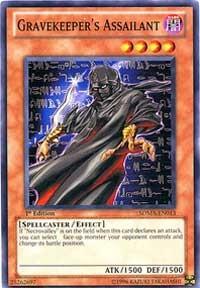
Gravekeeper's Assailant
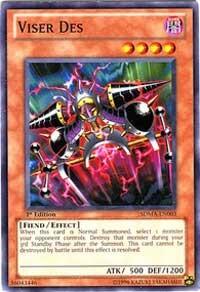
Viser Des
38 singles tracked