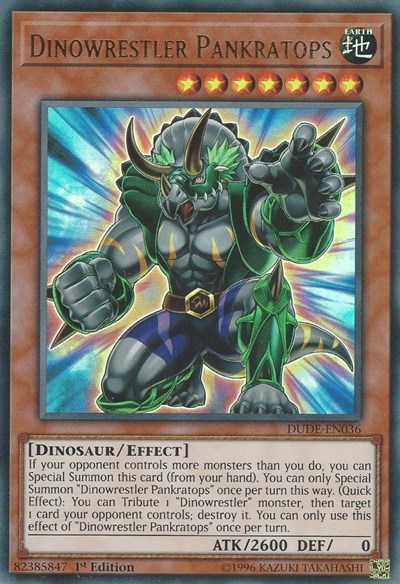
DUDE · Yu-Gi-Oh!

Duel Devastator

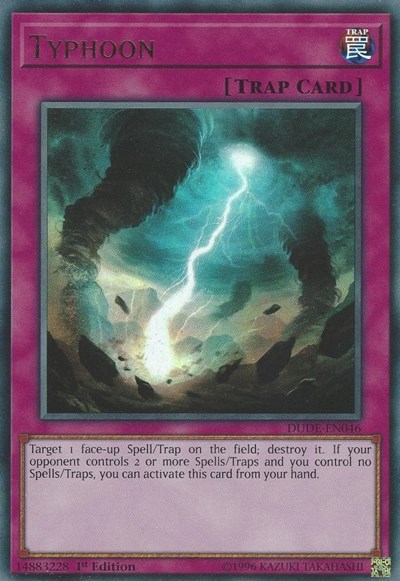
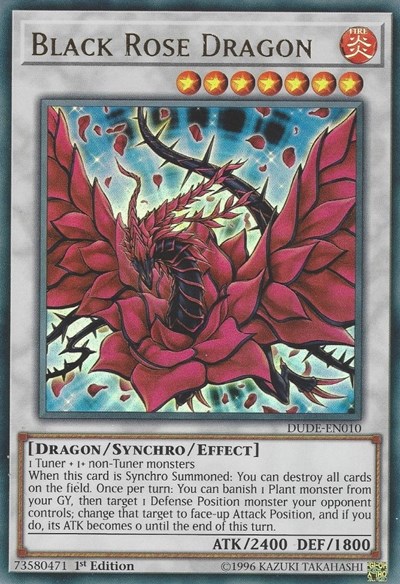
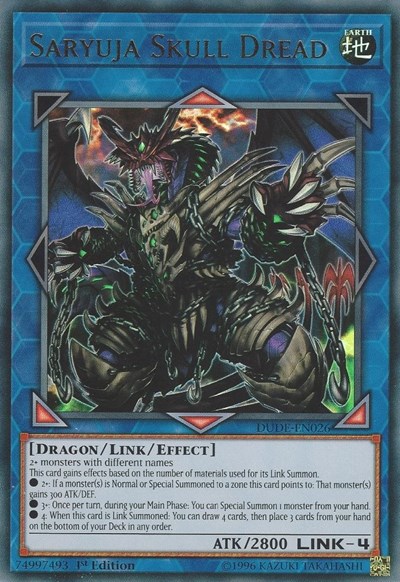
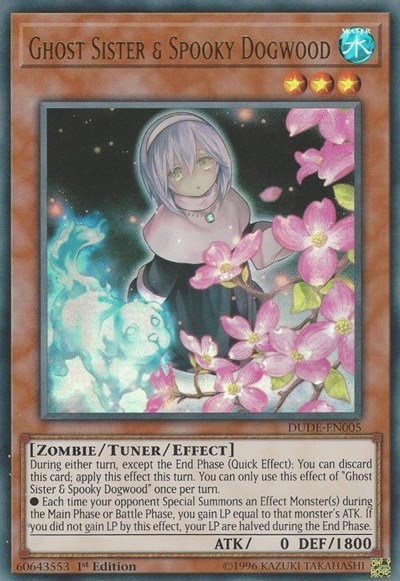
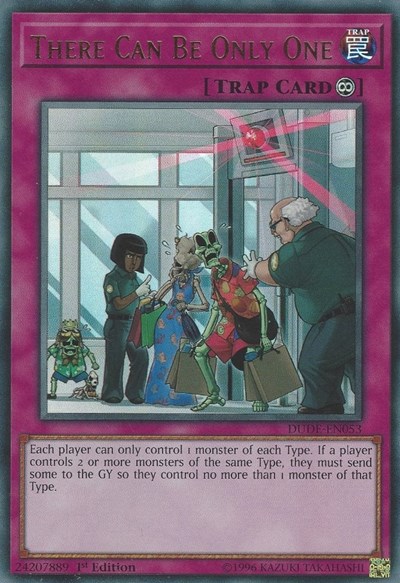
56 cards, led by Typhoon at $7.45.

Released Oct 10, 2019

Set index · DUDE

58.25

−41.75 (−41.75%)1Y

1W
+1.02%
1M
−29.74%
1Y
−41.75%
52W low 56.39high 101.21
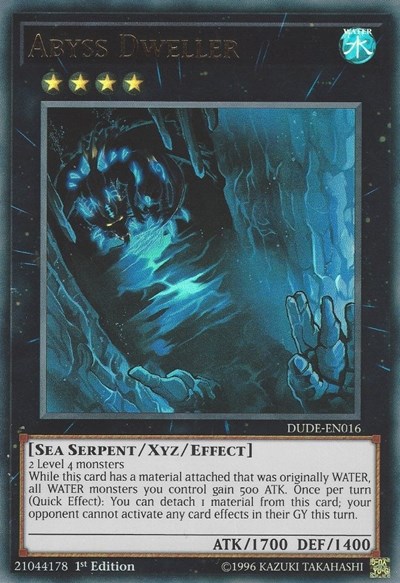
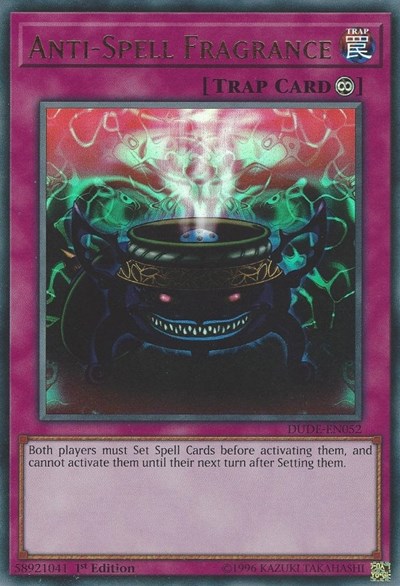
Typhoon
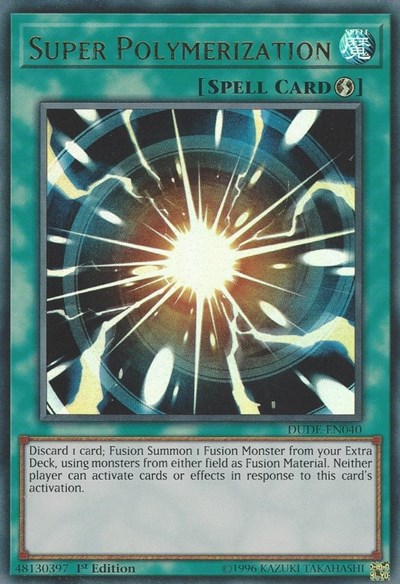
Super Polymerization
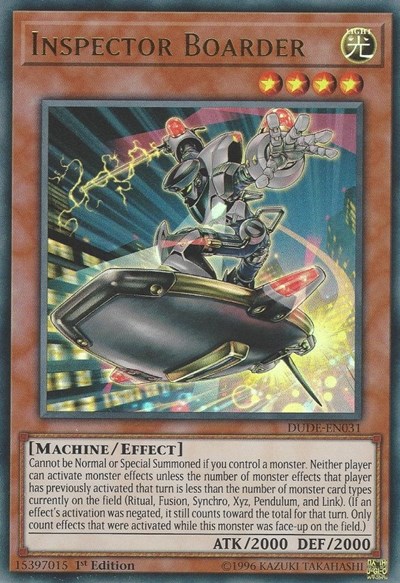
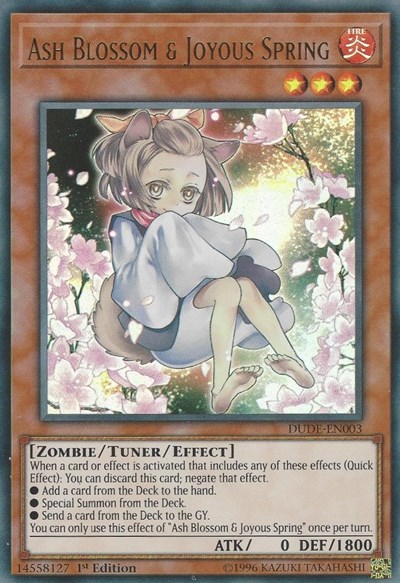
Ash Blossom & Joyous Spring
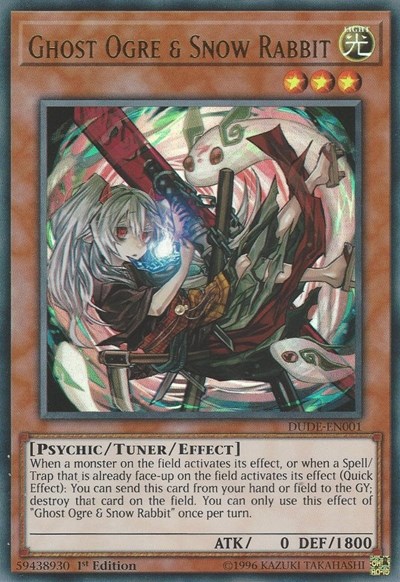
Ghost Ogre & Snow Rabbit
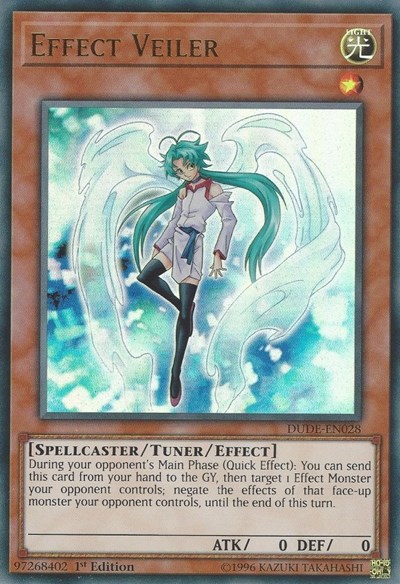
Effect Veiler

The 5 most valuable · $2.59 – $7.45

Cards
56
Priced printings
56
Sales a week
115
Typical single, Near Mint
$0.25
Popularity
38/100
Standing
#452

The index

A score that starts at 100 and moves with the set's fair value, compared on the same printings week to week.
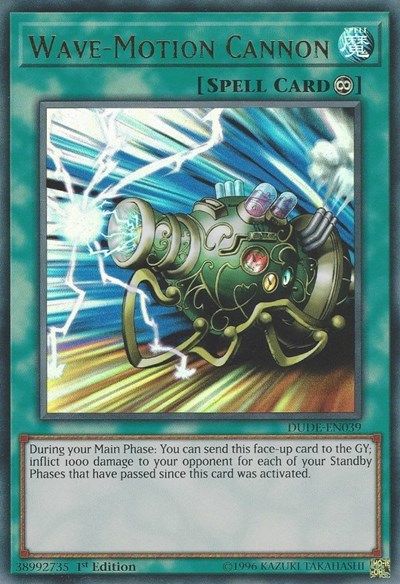
One Near Mint copy of every printing at fair value; the chase cards move it most.

Master set value

one of every printing · fair value · Nov 12, 2026

NM
$43.69
56 of 56 priced · 100% from sales
LP
$36.48
56 of 56 priced · 100% from sales
MP
$32.18
56 of 56 priced · 100% from sales
HP
$23.91
56 of 56 priced · 98% from sales
DMG
$21.24
56 of 56 priced · 73% from sales

Near Mint was $71.74 on Aug 30, 2026 (-39.1%). Totals move when printings are added or first priced; the index above doesn't.
Sealed

Every way Duel Devastator was sold, priced.

1 product

* Standard MSRP for that product type, or a bundle's count × that price.

Cards

56 of 56 valued in Near Mint

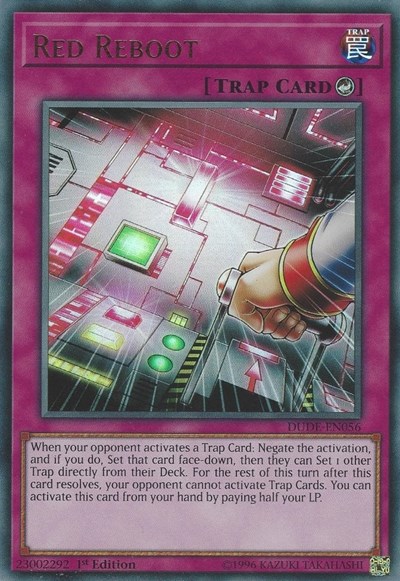
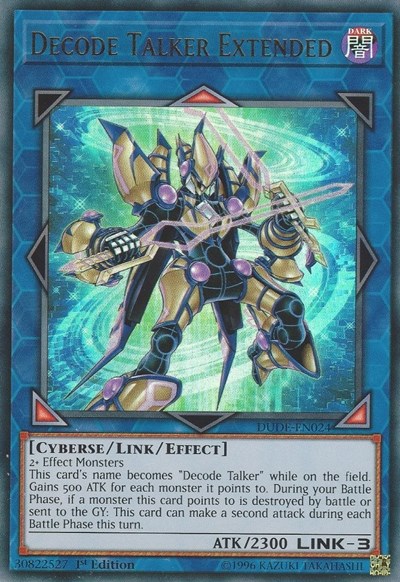
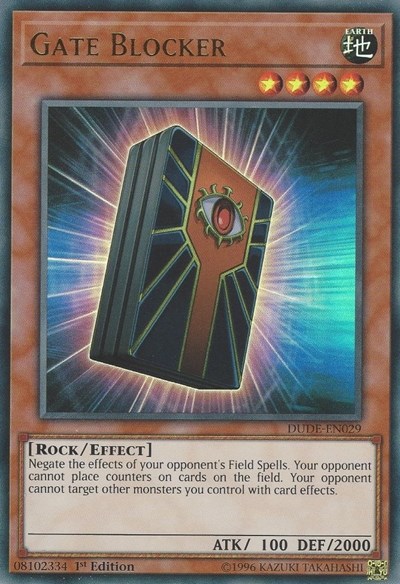
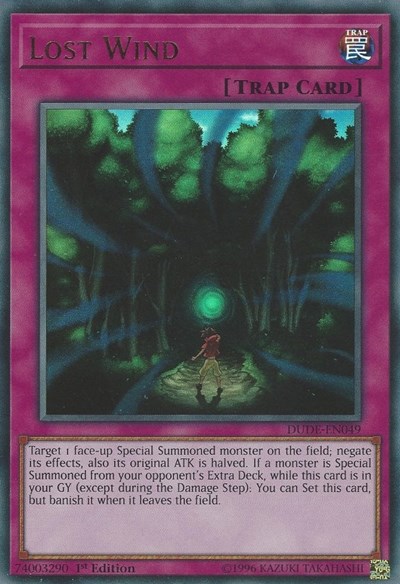
In the set

56 singles tracked

  1. Ultra Rare56 · 100%

How to read the set index

What is the typical single?
The median fair value of the set's Near Mint English singles — the price in the middle, so one chase card can't drag it up. Fair value comes from real sales only; the marketplace's Market Price is shown on card pages but never counted.
What does the index line show?
The Set Value Index: one Near Mint copy of every printing at fair value, compared week to week on the same printings, so it moves with the set's value — the chase cards most. It starts at 100; the 90-day figure is that line over the last quarter. Beside it, the typical card (every card counted the same, chases left out) and the chases on their own.
How is popularity scored?
Out of 100, against the rest of the game: how much the set's cards sell for, how many of them sell each week, how many cards it holds and how its index has moved. It ranks sets; it isn't a price.