

Starter Deck
Structure Deck
- Market Price
- $17.96
- MSRP
- —
What's inside
InsideReported
- 1×Preconstructed Deck of 42 cards
- 1×Dueling Guide
- 1×Playmat
SDGR · Yu-Gi-Oh!
35 cards, led by Ancient Gear Gadjiltron Dragon at $2.08.
Released Oct 17, 2014
Set index · SDGR
64.88
−35.12 (−35.12%)1Y


The 5 most valuable · $1.42 – $2.08
A score that starts at 100 and moves with the set's fair value, compared on the same printings week to week.
One Near Mint copy of every printing at fair value; the chase cards move it most.
one of every printing · fair value · Nov 14, 2026
Near Mint was $30.58 on Aug 30, 2026 (-33.8%). Totals move when printings are added or first priced; the index above doesn't.
Every way Structure Deck: Geargia Rampage was sold, priced.
1 product
Starter Deck
Structure Deck
InsideReported
35 of 35 valued in Near Mint
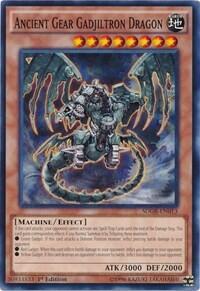
Ancient Gear Gadjiltron Dragon
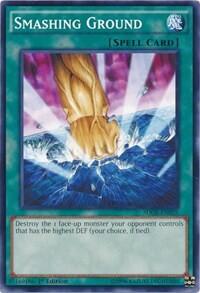
Smashing Ground
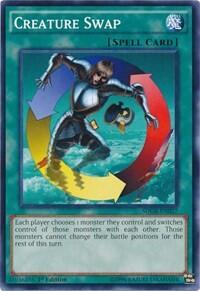
Creature Swap
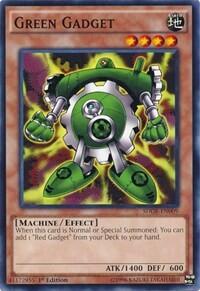
Green Gadget
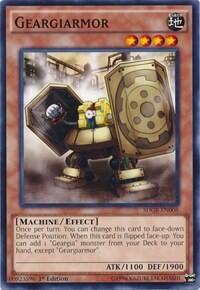
Geargiarmor
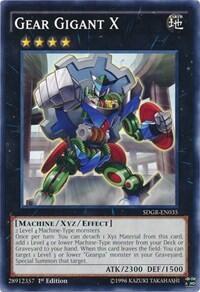
Gear Gigant X
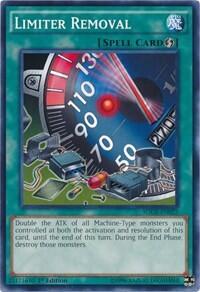
Limiter Removal
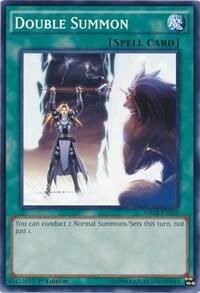
Double Summon
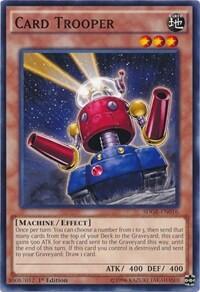
Card Trooper
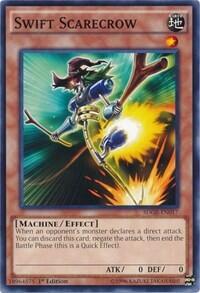
Swift Scarecrow
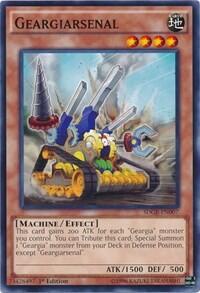
Geargiarsenal
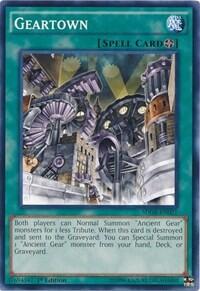
Geartown
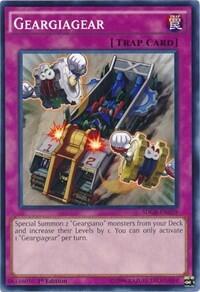
Geargiagear
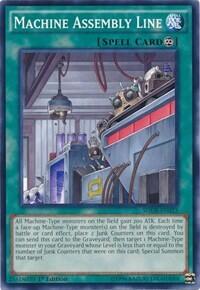
Machine Assembly Line
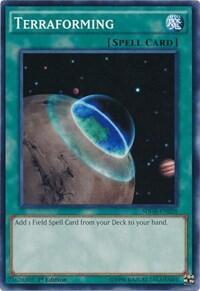
Terraforming
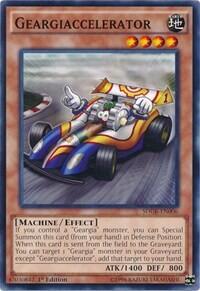
Geargiaccelerator
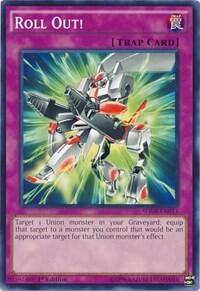
Roll Out!
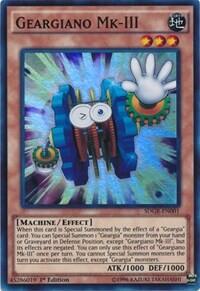
Geargiano Mk-III
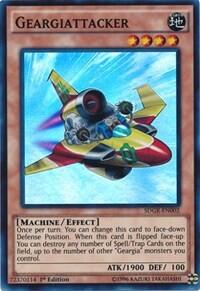
Geargiattacker
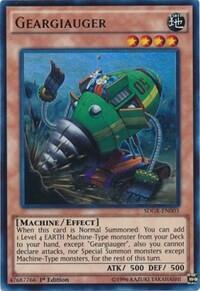
Geargiauger
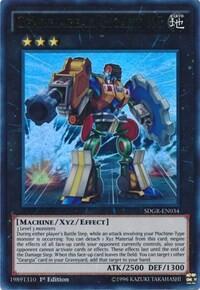
Geargiagear Gigant XG
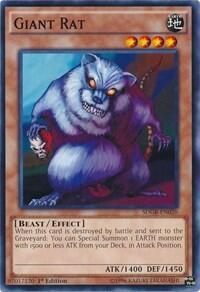
Giant Rat
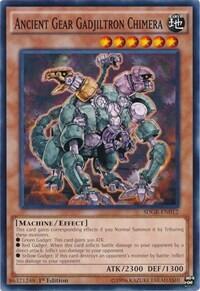
Ancient Gear Gadjiltron Chimera
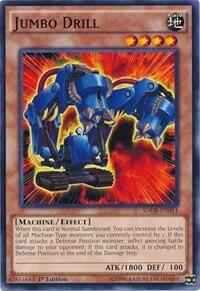
Jumbo Drill
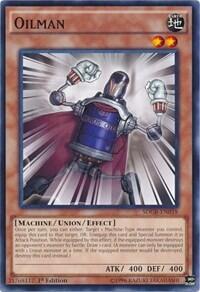
Oilman
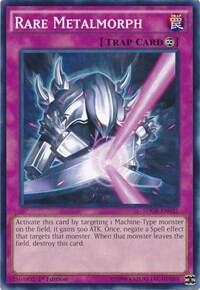
Rare Metalmorph
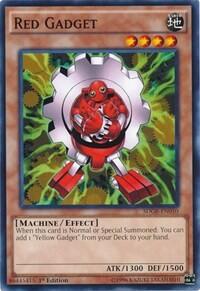
Red Gadget
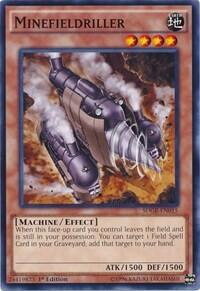
Minefieldriller
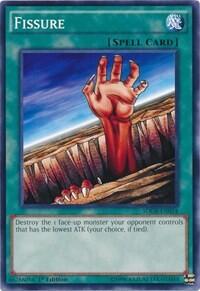
Fissure
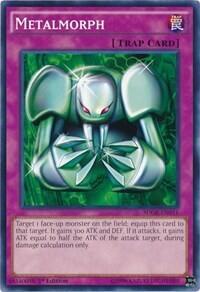
Metalmorph
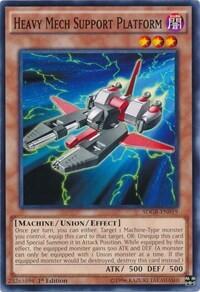
Heavy Mech Support Platform
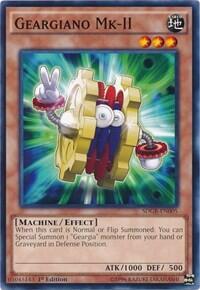
Geargiano Mk-II
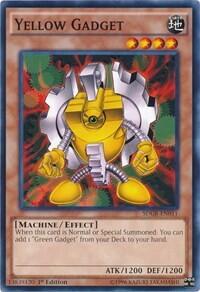
Yellow Gadget
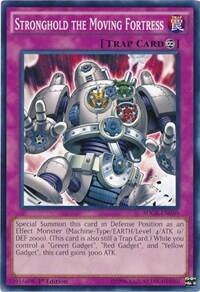
Stronghold the Moving Fortress
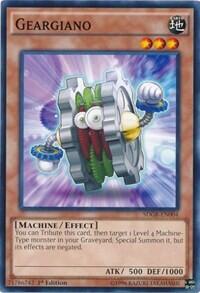
Geargiano
35 singles tracked