


LIST · Magic: The Gathering
The List Reprints
5,788 cards, led by Ancient Tomb at $128.62.
Released Sep 26, 2020
Set index · LIST
95.78
−4.22 (−4.22%)1Y
- 1W
- −0.10%
- 1M
- −5.11%
- 1Y
- −4.22%


The 5 most valuable · $63.57 – $128.62
- Cards
- 5,788
- Priced printings
- 5,704
- Sales a week
- 5,672
- Set value
- $13,133
- Popularity
- 88/100
- Standing
- #14
The index
A score that starts at 100 and moves with the set's fair value, compared on the same printings week to week.
One Near Mint copy of every printing at fair value; the chase cards move it most.
Master set value
one of every printing · fair value · Nov 16, 2026
- NM
- $13,133.47
- 5,704 of 5,821 priced · 99% from sales
- LP
- $11,141.84
- 5,703 of 5,821 priced · 99% from sales
- MP
- $9,810.13
- 5,619 of 5,821 priced · 94% from sales
- HP
- $8,477.04
- 5,547 of 5,821 priced · 69% from sales
- DMG
- $6,867.97
- 5,344 of 5,821 priced · 18% from sales
Near Mint was $366.29 on Aug 30, 2026 (+3485.5%). Totals move when printings are added or first priced; the index above doesn't.
Cards
5,673 of 5,794 valued in Near Mint
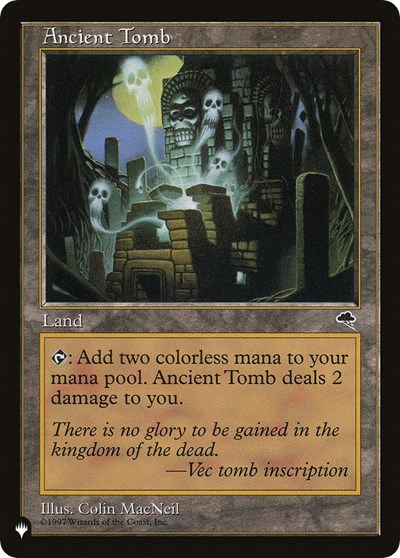
Ancient Tomb
U$128.62
Rhystic Study
C$65.86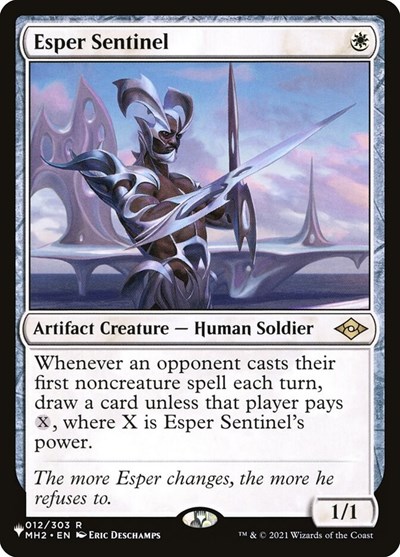
Esper Sentinel
R$64.75
Demonic Tutor (UMA)
R$64.49
Urborg, Tomb of Yawgmoth
R$63.57
Gemstone Caverns
R$62.40
Anointed Procession
R$62.06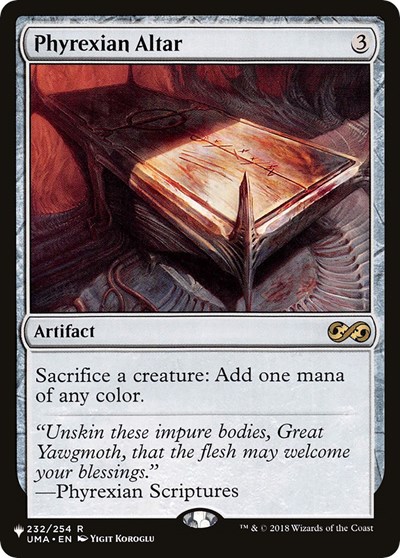
Phyrexian Altar
R$58.93
Nykthos, Shrine to Nyx
R$57.41
Demonic Tutor (DVD)
U$57.38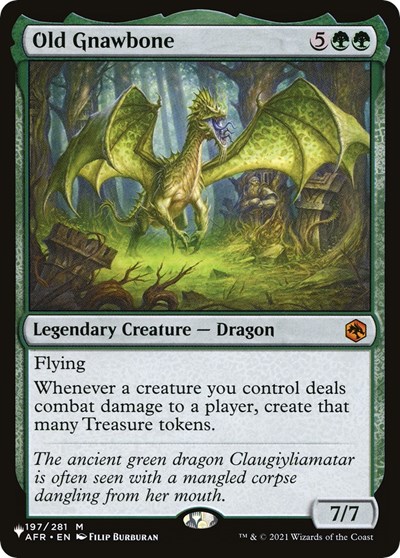
Old Gnawbone
M$51.83
Cavern of Souls
R$50.73
Vampiric Tutor
M$50.45
Mycosynth Golem
R$49.44
Kozilek, Butcher of Truth
M$49.29
Minamo, School at Water's Edge
R$48.57
Phyrexian Tower
R$48.35
Amulet of Vigor
R$47.21
Exquisite Blood
R$45.86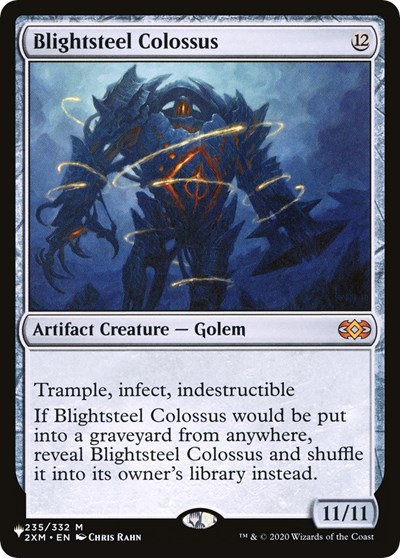
Blightsteel Colossus
M$44.67
Bruvac the Grandiloquent
M$44.29
Teferi's Protection
R$43.41
Sensei's Divining Top
R$42.01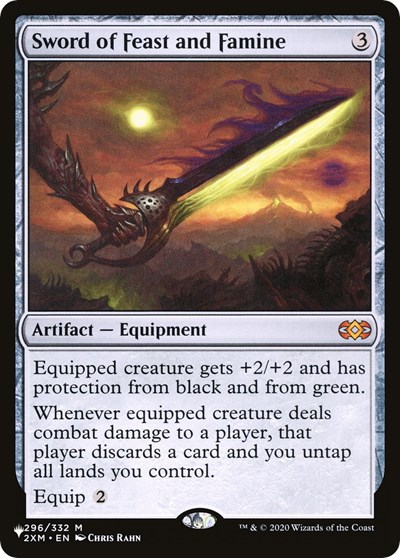
Sword of Feast and Famine
M$41.61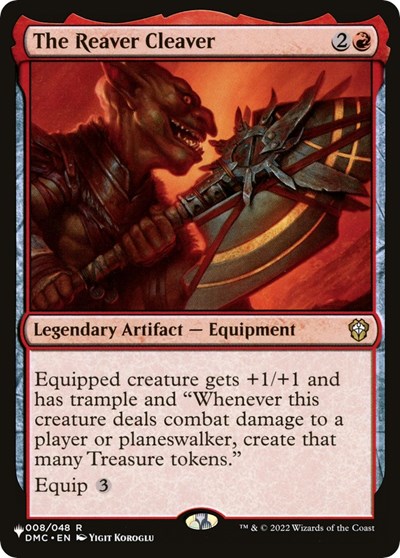
The Reaver Cleaver
R$40.92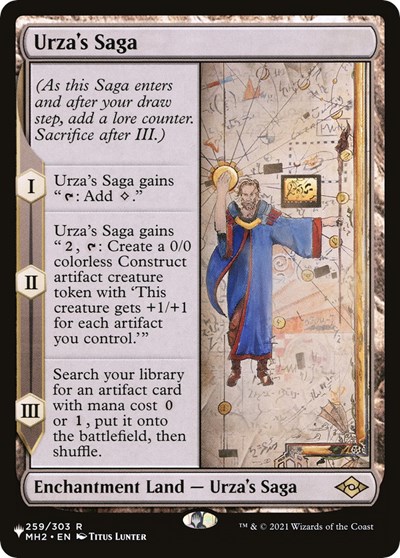
Urza's Saga
R$40.61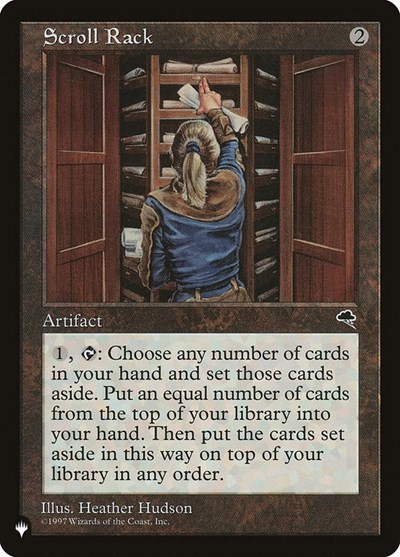
Scroll Rack
R$39.38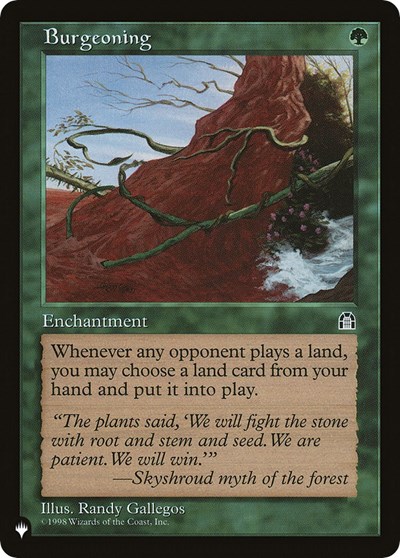
Burgeoning
R$39.20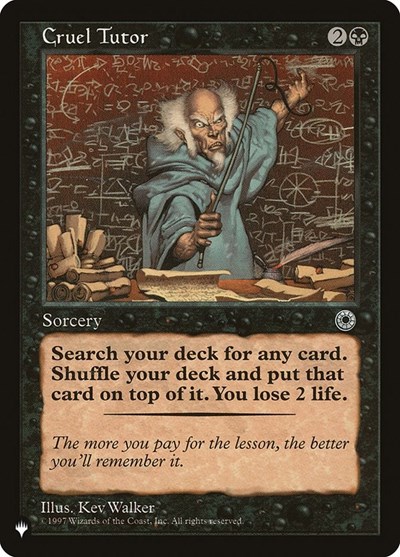
Cruel Tutor
R$38.44
Bone Miser
R$38.37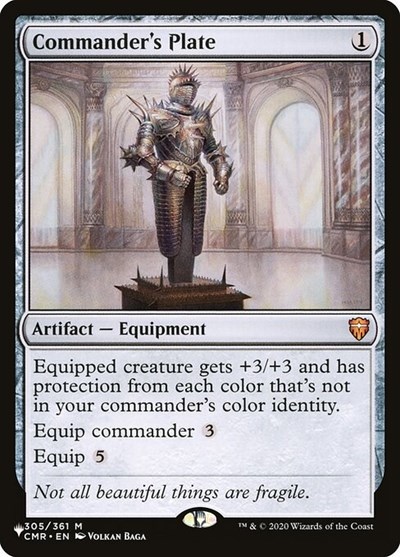
Commander's Plate
M$38.02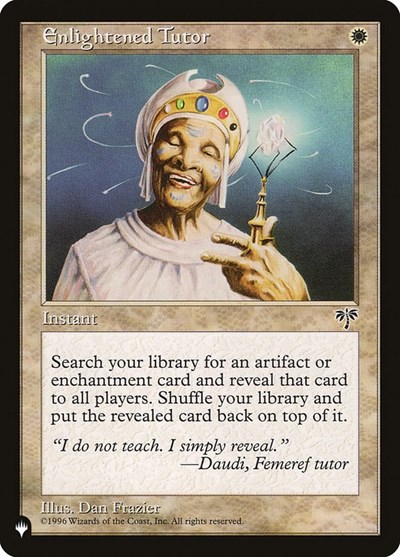
Enlightened Tutor
U$37.47
Lotus Petal
C$37.34
Mana Crypt
M$37.30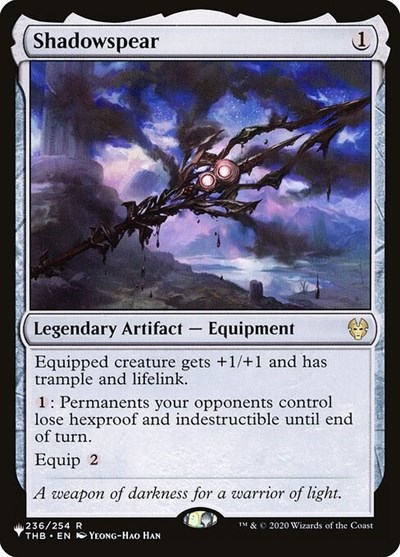
Shadowspear
R$35.70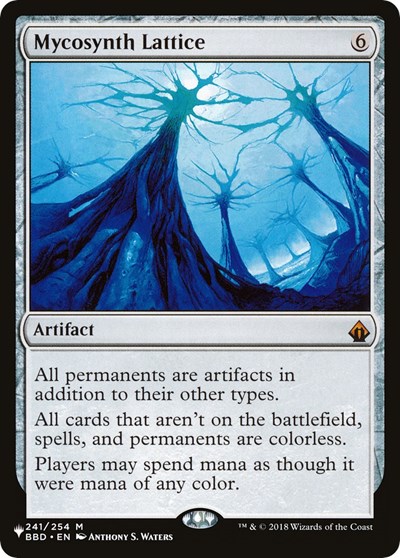
Mycosynth Lattice
M$35.32
Akroma's Memorial
R$34.76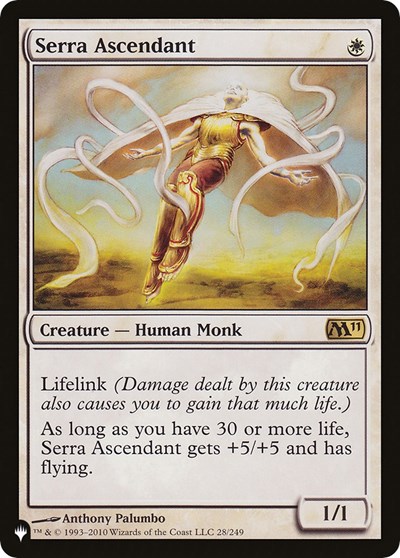
Serra Ascendant
R$34.70
Shizo, Death's Storehouse
R$33.95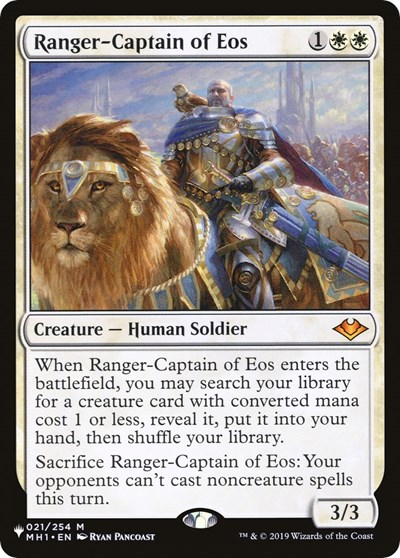
Ranger-Captain of Eos
M$33.52
In the set
5,794 singles tracked
- C2015 · 35%
- U1958 · 34%
- R1332 · 23%
- M352 · 6%
- T69 · 1%
- L52 · 1%
- P11 · 0%
- S5 · 0%
How to read the set index
- What is the set value?
- What it costs to own one Near Mint copy of every printing in the set, at fair value. Fair value comes from real sales only; the marketplace's Market Price is shown on card pages but never counted.
- What does the index line show?
- The Set Value Index: one Near Mint copy of every printing at fair value, compared week to week on the same printings, so it moves with the set's value — the chase cards most. It starts at 100; the change beside the set value is that line over 30 days, or over 7 for a set too new for a month. Beside it, the set without the chases (every card counted the same) and the chases on their own.
- How is popularity scored?
- Out of 100, against the rest of the game: how much the set's cards sell for, how many of them sell each week, how many cards it holds and how its index has moved. It ranks sets; it isn't a price.