

MISC · Yu-Gi-Oh!
Miscellaneous Promotional Cards
19 cards, led by Red-Eyes Black Dragon at $420.17.
Released Sep 22, 2020
Set index · MISC
118.17
+18.17 (+18.17%)1Y
- 1W
- +10.64%
- 1M
- +11.26%
- 1Y
- +18.17%


The 5 most valuable · $217.19 – $420.17
- Cards
- 19
- Priced printings
- 19
- Sales a week
- 5.8
- Set value
- $2,380
- Popularity
- 68/100
- Standing
- #143
The index
A score that starts at 100 and moves with the set's fair value, compared on the same printings week to week.
One Near Mint copy of every printing at fair value; the chase cards move it most.
Master set value
one of every printing · fair value · Nov 15, 2026
- NM
- $2,379.85
- 19 of 19 priced · 84% from sales
- LP
- $1,599.25
- 19 of 19 priced · 74% from sales
- MP
- $935.81
- 19 of 19 priced · 53% from sales
- HP
- $643.48
- 19 of 19 priced · 32% from sales
- DMG
- $560.46
- 19 of 19 priced · 11% from sales
Near Mint was $1,661.05 on Aug 30, 2026 (+43.3%). Totals move when printings are added or first priced; the index above doesn't.
Cards
19 of 22 valued in Near Mint
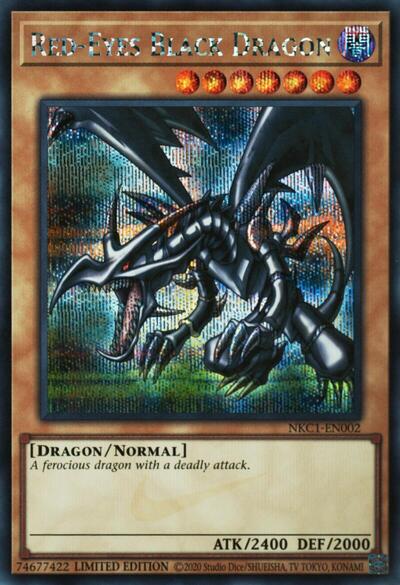
Red-Eyes Black Dragon
Prismatic Secret Rare$420.17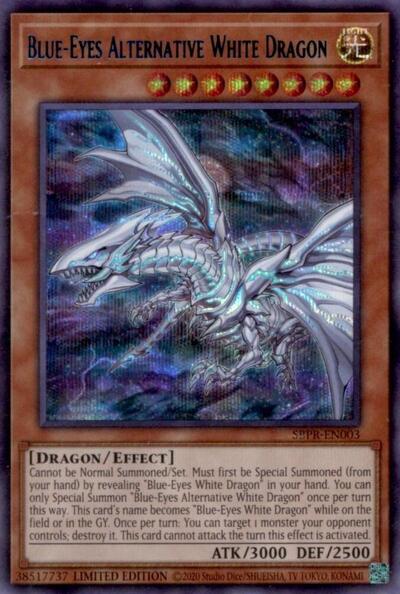
Blue-Eyes Alternative White Dragon
Secret Rare$354.02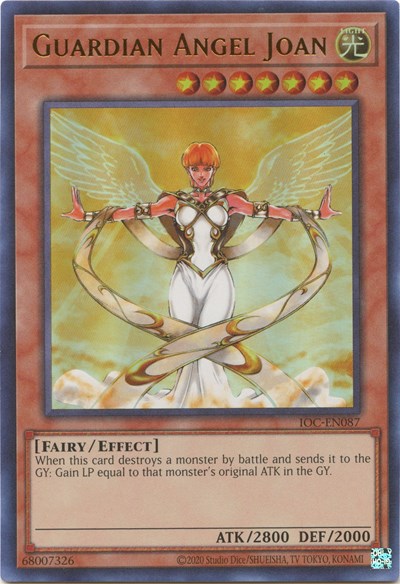
Guardian Angel Joan (Blue)
Secret Rare$288.33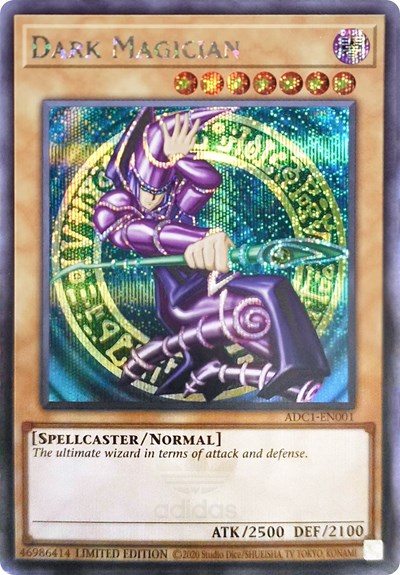
Dark Magician (Adidas Exclusive)
Prismatic Secret Rare$232.98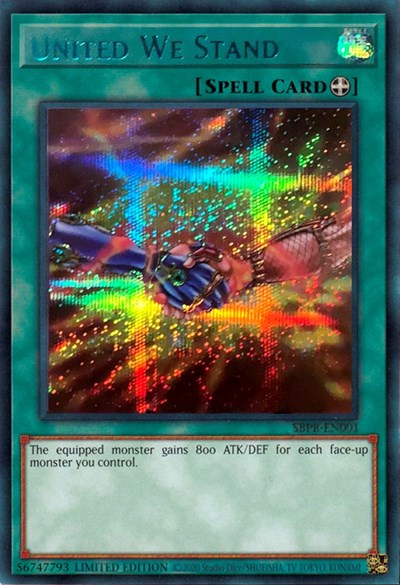
United We Stand (Blue)
Secret Rare$217.19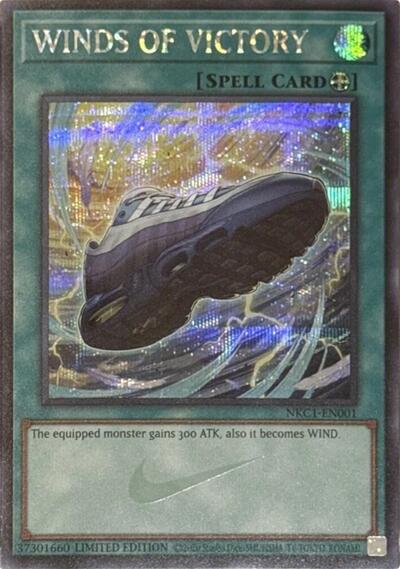
Winds of Victory
Prismatic Secret Rare$207.90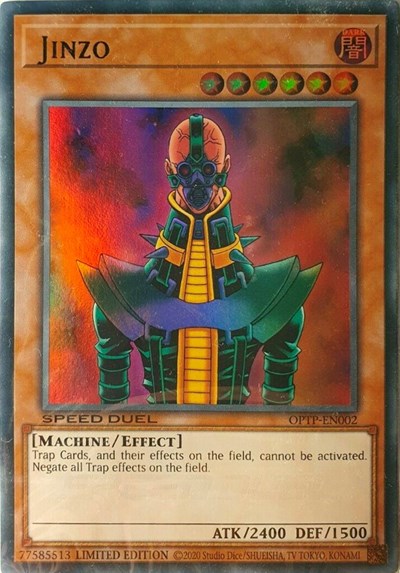
Jinzo
Ultra Rare$129.16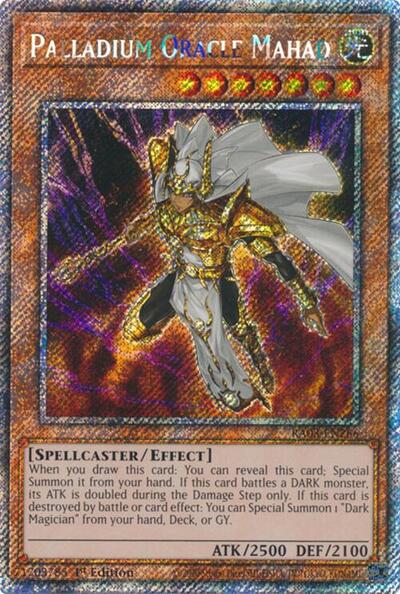
Palladium Oracle Mahad (Blue)
Secret Rare$123.32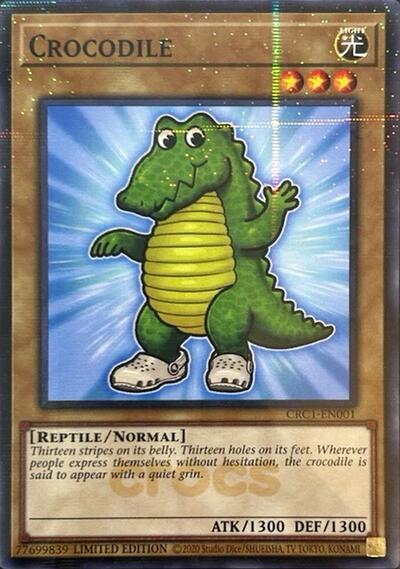
Crocodile (Crocs Exclusive)
Parallel Rare$121.94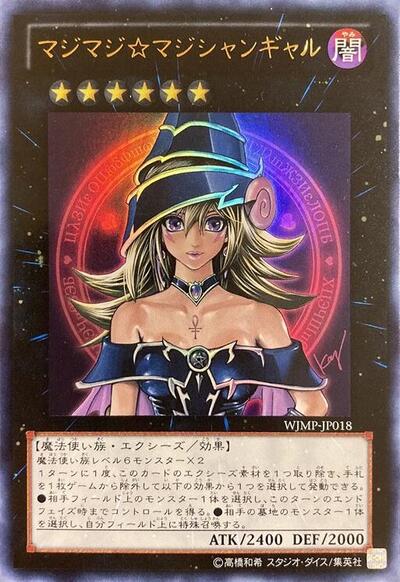
Magi Magi Magician Gal (Japanese Exclusive)
Ultra Rare$70.64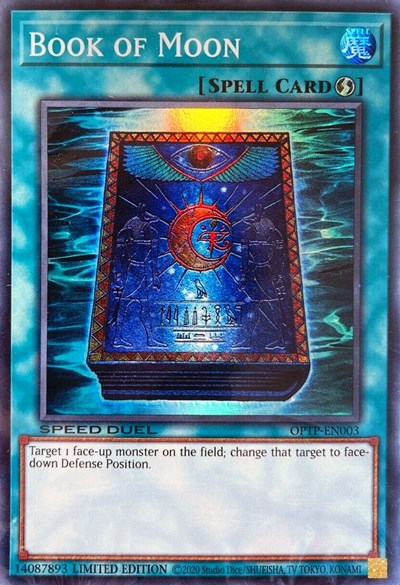
Book of Moon
Super Rare$66.35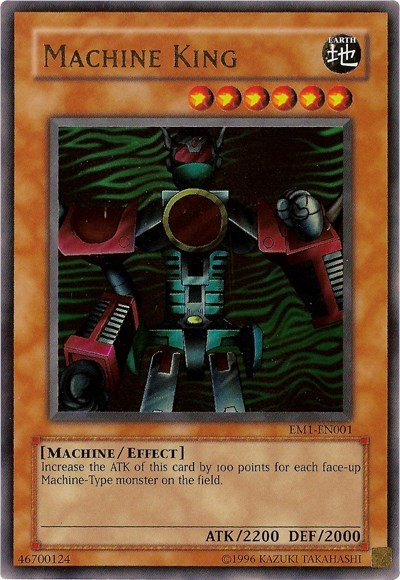
Machine King
Ultra Rare$45.66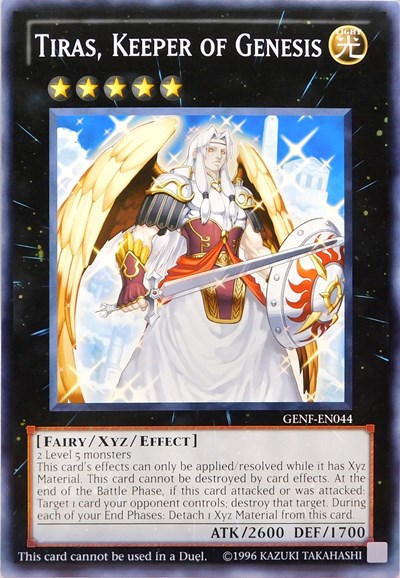
Tiras, Keeper of Genesis (Oversized)
Promo$32.04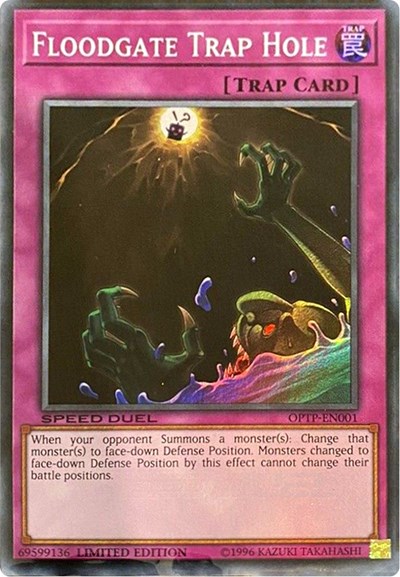
Floodgate Trap Hole
Super Rare$30.08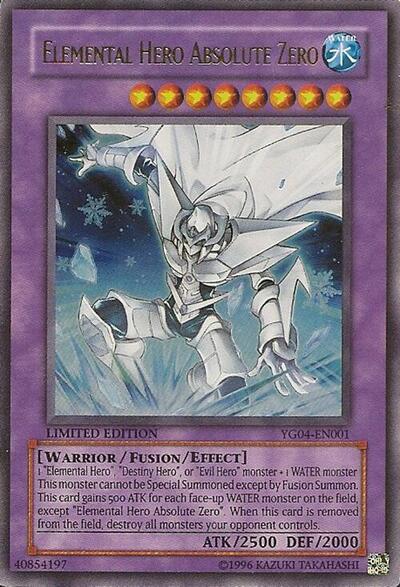
Elemental Hero Absolute Zero
Ultra Rare$22.56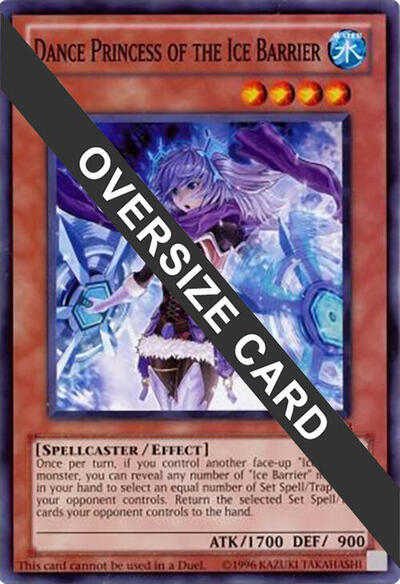
Dance Princess of the Ice Barrier (Oversized)
Promo$10.95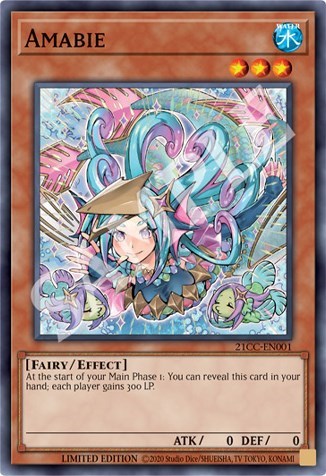
Amabie
Promo$3.00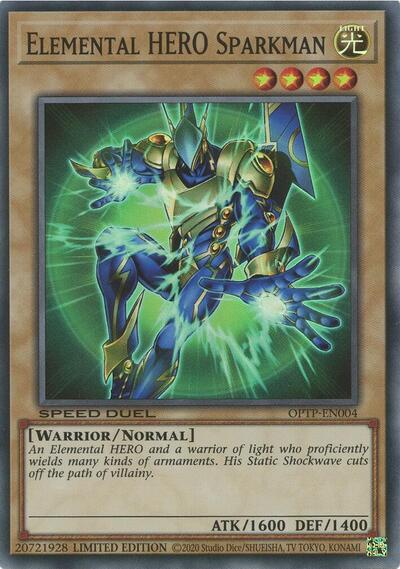
Elemental HERO Sparkman
Super Rare$2.47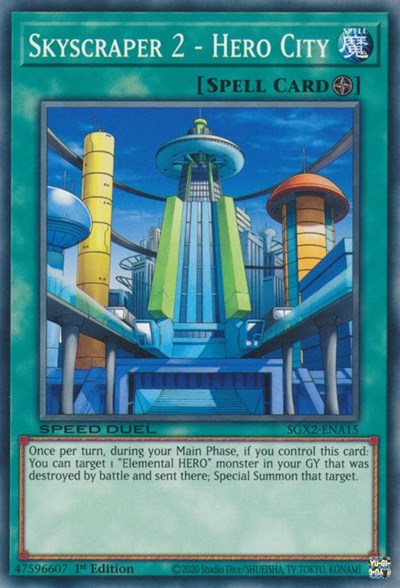
Skyscraper 2 - Hero City
Super Rare$0.92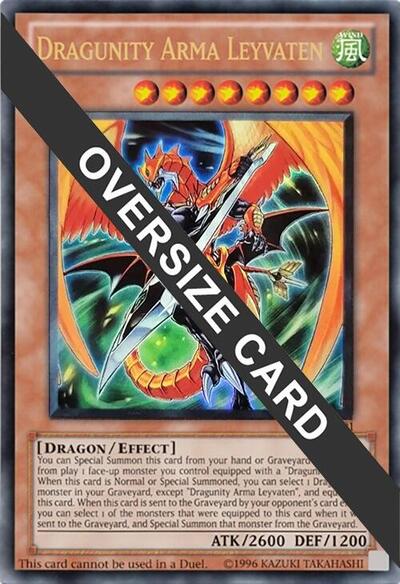
Dragunity Arma Leyvaten (Oversized)
Promo—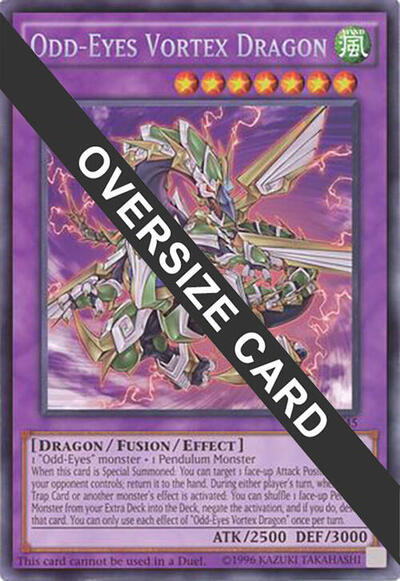
Odd-Eyes Vortex Dragon (Oversized)
Promo—
Black Luster Soldier
Ultra Rare—
In the set
22 singles tracked
- Ultra Rare5 · 23%
- Promo5 · 23%
- Super Rare4 · 18%
- Secret Rare4 · 18%
- Prismatic Secret Rare3 · 14%
- Parallel Rare1 · 5%
How to read the set index
- What is the set value?
- What it costs to own one Near Mint copy of every printing in the set, at fair value. Fair value comes from real sales only; the marketplace's Market Price is shown on card pages but never counted.
- What does the index line show?
- The Set Value Index: one Near Mint copy of every printing at fair value, compared week to week on the same printings, so it moves with the set's value — the chase cards most. It starts at 100; the change beside the set value is that line over 30 days, or over 7 for a set too new for a month. Beside it, the set without the chases (every card counted the same) and the chases on their own.
- How is popularity scored?
- Out of 100, against the rest of the game: how much the set's cards sell for, how many of them sell each week, how many cards it holds and how its index has moved. It ranks sets; it isn't a price.