


4ED · Magic: The Gathering
Fourth Edition
376 cards, led by Mana Vault at $98.57.
Released Apr 1, 1995
Set index · 4ED
40.84
−59.16 (−59.16%)1Y
- 1W
- +5.58%
- 1M
- −23.90%
- 1Y
- −59.16%
52W low 38.68high 100.00


The 5 most valuable · $16.21 – $98.57
- Cards
- 376
- Priced printings
- 376
- Sales a week
- 284
- Set value
- $547.49
- Popularity
- 44/100
- Standing
- #272
The index
A score that starts at 100 and moves with the set's fair value, compared on the same printings week to week.
One Near Mint copy of every printing at fair value; the chase cards move it most.
Master set value
one of every printing · fair value · Nov 14, 2026
- NM
- $547.49
- 376 of 376 priced · 100% from sales
- LP
- $419.81
- 376 of 376 priced · 100% from sales
- MP
- $344.87
- 376 of 376 priced · 100% from sales
- HP
- $287.13
- 376 of 376 priced · 100% from sales
- DMG
- $248.02
- 376 of 376 priced · 99% from sales
Near Mint was $1,161.20 on Aug 30, 2026 (-52.9%). Totals move when printings are added or first priced; the index above doesn't.
Sealed
Every way Fourth Edition was sold, priced.
5 products
Display
Starter Deck Display
- Market Price
- —
- MSRP
- $79.50*
What's inside
InsideReported
10×Starter Deck
Gift Set
Gift Box
- Market Price
- $485.00
- MSRP
- —
Starter Deck
Fourth Edition - Starter Deck
- Market Price
- $193.01
- MSRP
- $7.95*
- Against MSRP
- ▲ 2328% vs MSRP
What's inside
InsideReported
- 1×4ED 'starter' pack (random cards; MTGJSON booster type 'starter')
- 1×Starter Deck Rule Book
* Standard MSRP for that product type, or a bundle's count × that price.
Cards
376 of 376 valued in Near Mint
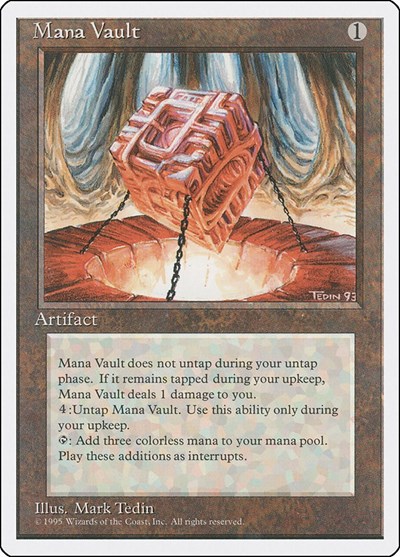
Mana Vault
R$98.57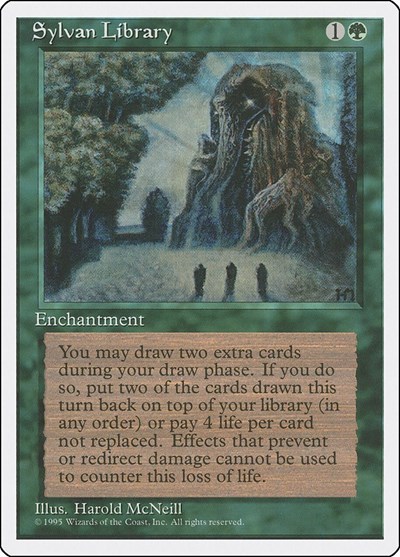
Sylvan Library
R$31.79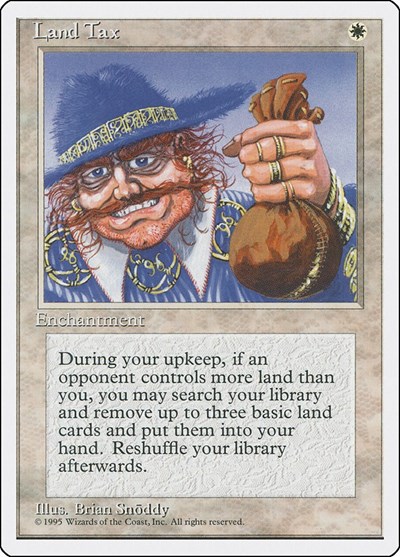
Land Tax
R$21.63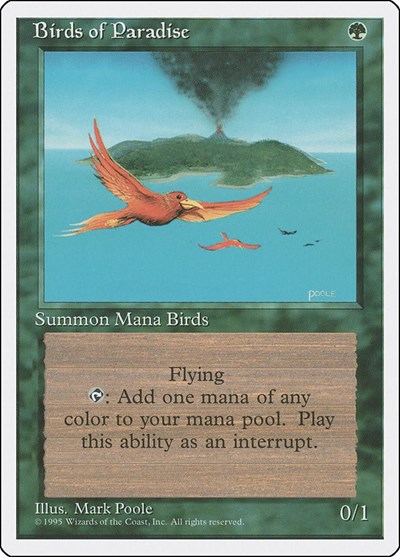
Birds of Paradise
R$18.46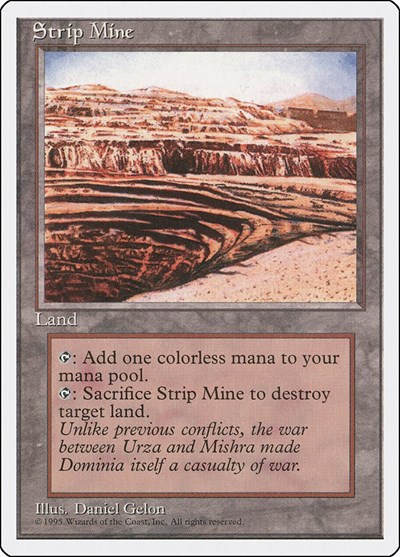
Strip Mine
U$16.21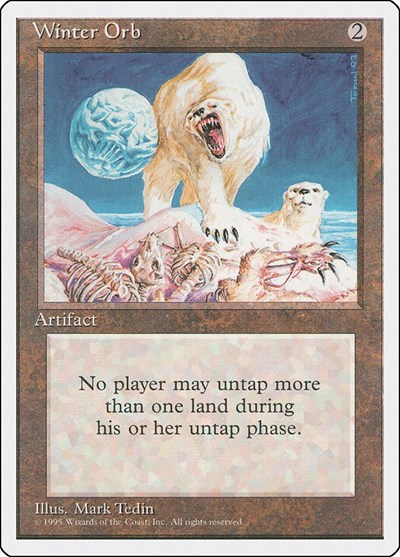
Winter Orb
R$12.84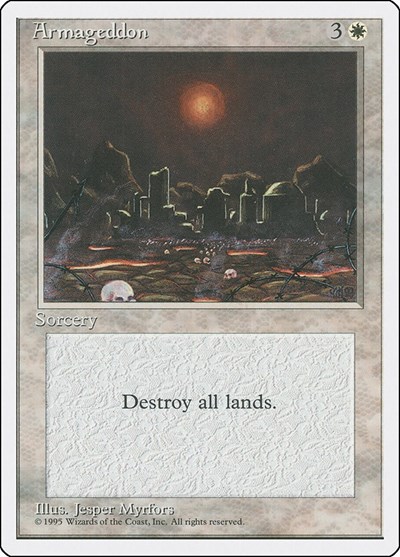
Armageddon
R$12.40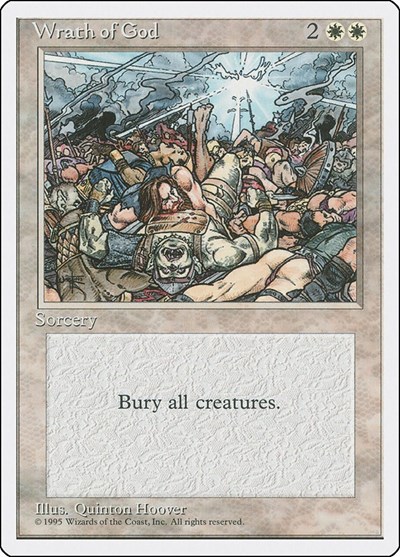
Wrath of God
R$9.61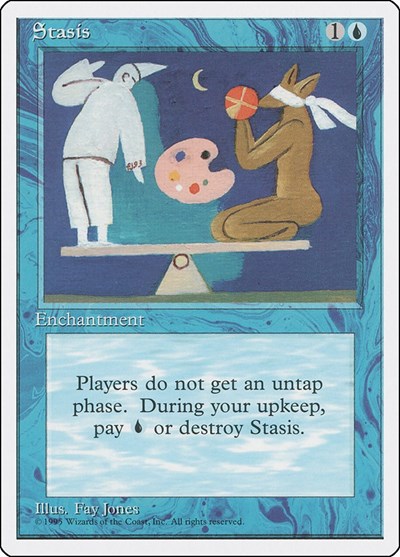
Stasis
R$9.58
Meekstone
R$9.39
Smoke
R$9.03
Ankh of Mishra
R$8.91
Mishra's Factory
U$8.60
Ball Lightning
R$7.57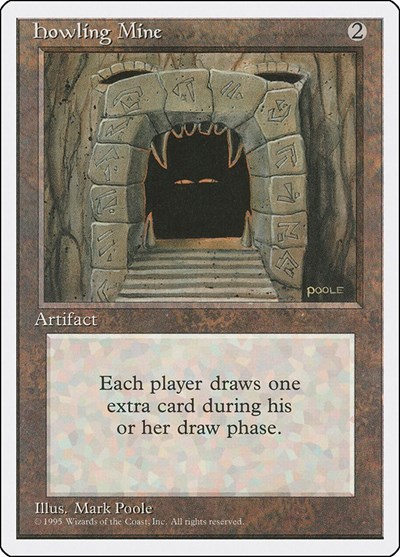
Howling Mine
R$7.23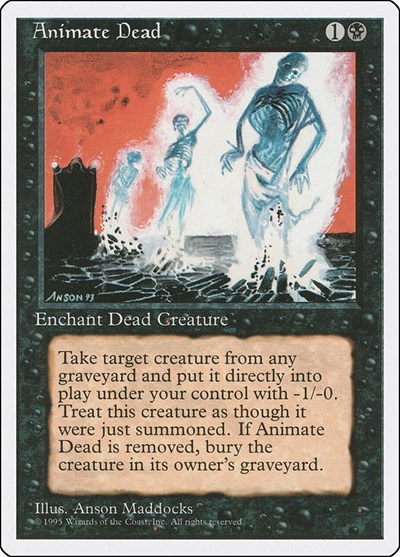
Animate Dead
U$6.78
Shivan Dragon
R$6.64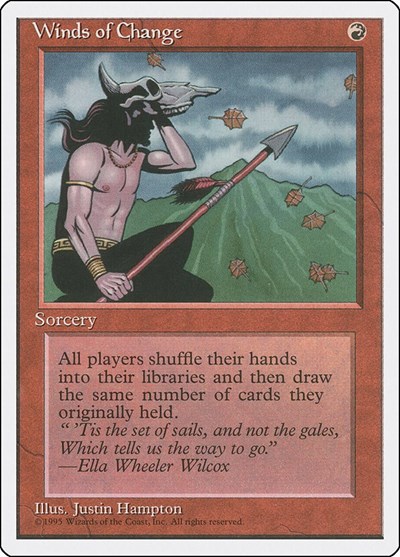
Winds of Change
R$6.56
Goblin King
R$6.54
Savannah Lions
R$6.46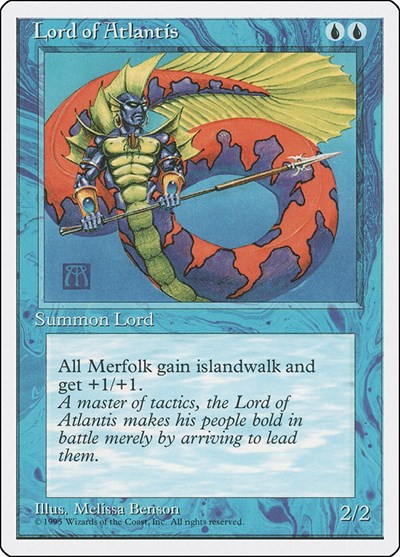
Lord of Atlantis
R$5.91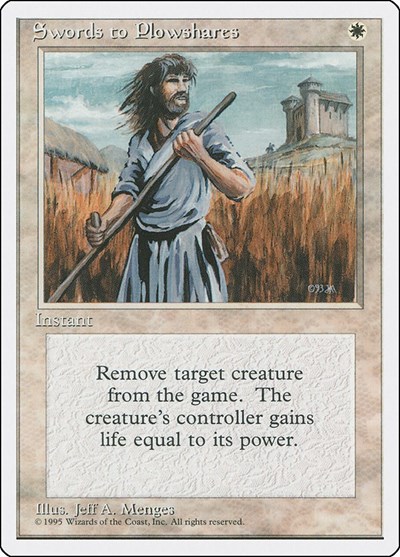
Swords to Plowshares
U$5.42
Bad Moon
R$5.26
Nevinyrral's Disk
R$5.06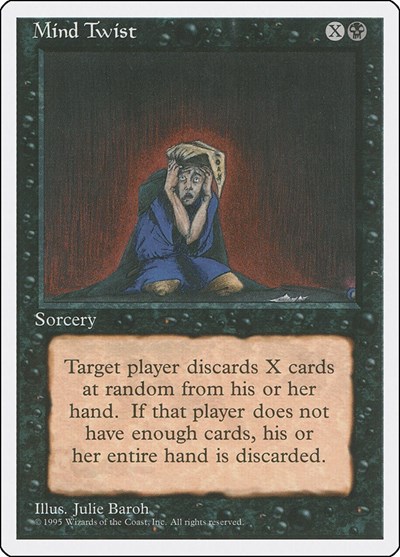
Mind Twist
R$4.99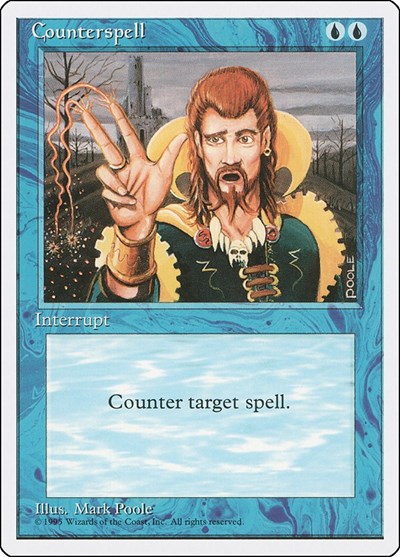
Counterspell
U$4.99
Nightmare
R$4.91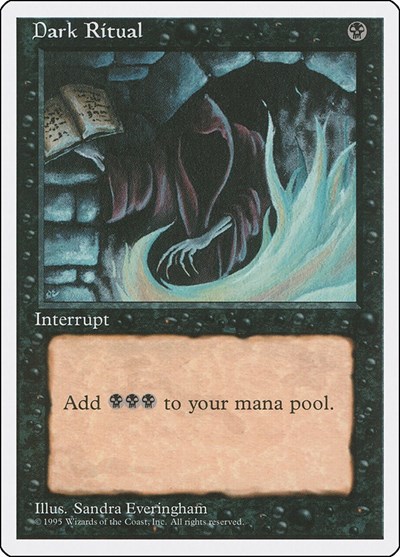
Dark Ritual
C$4.66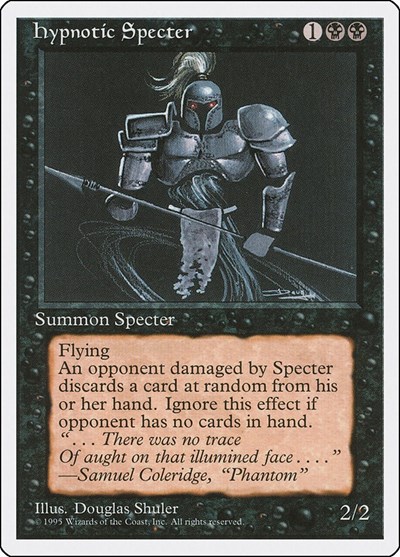
Hypnotic Specter
U$4.50
Royal Assassin
R$4.21
Manabarbs
R$3.89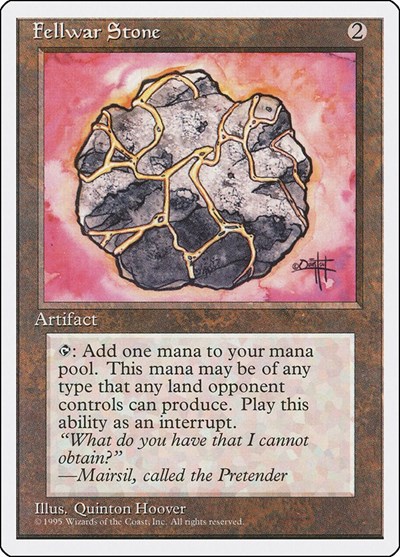
Fellwar Stone
U$3.84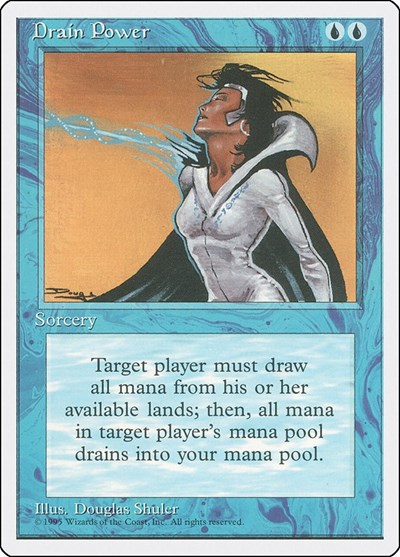
Drain Power
R$3.83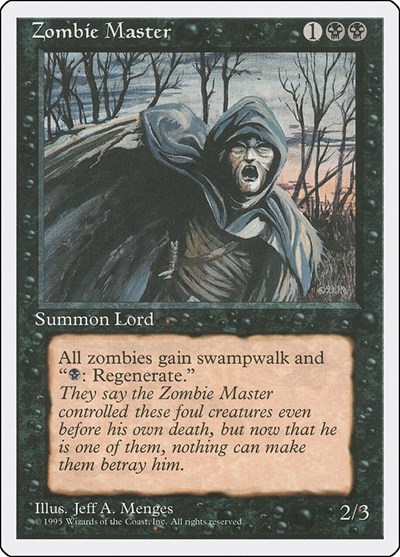
Zombie Master
R$3.64
Mana Flare
R$3.40
Island Sanctuary
R$3.38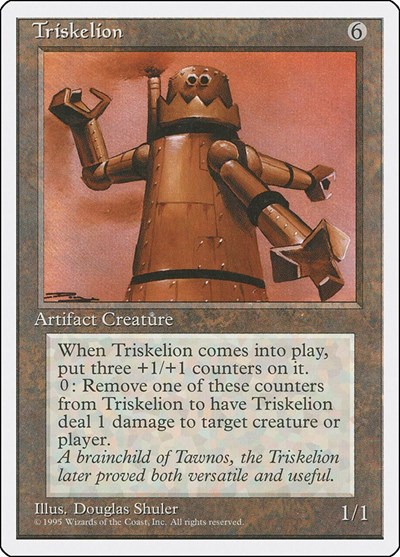
Triskelion
R$3.20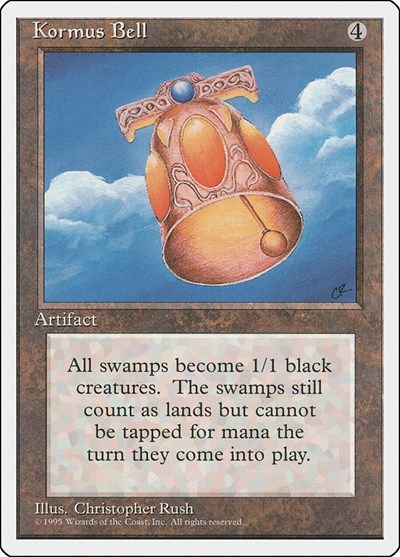
Kormus Bell
R$2.96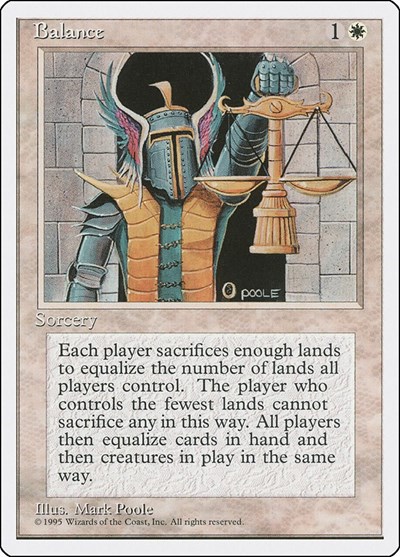
Balance
R$2.91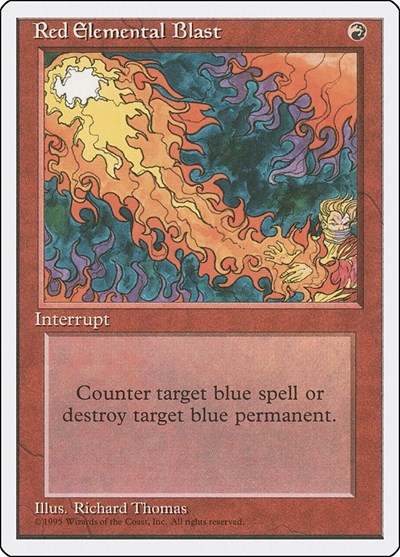
Red Elemental Blast
C$2.89
In the set
376 singles tracked
- U121 · 32%
- C120 · 32%
- R120 · 32%
- L15 · 4%
How to read the set index
- What is the set value?
- What it costs to own one Near Mint copy of every printing in the set, at fair value. Fair value comes from real sales only; the marketplace's Market Price is shown on card pages but never counted.
- What does the index line show?
- The Set Value Index: one Near Mint copy of every printing at fair value, compared week to week on the same printings, so it moves with the set's value — the chase cards most. It starts at 100; the change beside the set value is that line over 30 days, or over 7 for a set too new for a month. Beside it, the set without the chases (every card counted the same) and the chases on their own.
- How is popularity scored?
- Out of 100, against the rest of the game: how much the set's cards sell for, how many of them sell each week, how many cards it holds and how its index has moved. It ranks sets; it isn't a price.