

EOR01 · Cyberpunk Trading Card Game
Edgerunner Open Season 1
0 cards.
Released Sep 4, 2026
Set index · EOR01
The index starts once a few weeks of sales collect.




The 5 most valuable
- Cards
- 0
- Priced printings
- 0
- Sales a week
- 0.0
- Typical single, Near Mint
- —
- Popularity
- 0/100
- Standing
- #0
The index
A score that starts at 100 and moves with the set's fair value, compared on the same printings week to week.
One Near Mint copy of every printing at fair value; the chase cards move it most.
The index line fills in as weekly prices collect.
Cards
0 of 21 valued in Near Mint
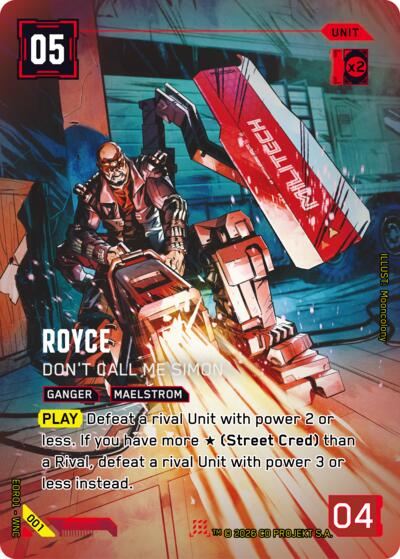
Royce - Don't Call Me Simon
NR—
Field Operator
NR—
Riding Nomad
NR—
Industrial Assembly
NR—
Afterparty at Lizzie's
NR—
Peace Offering
NR—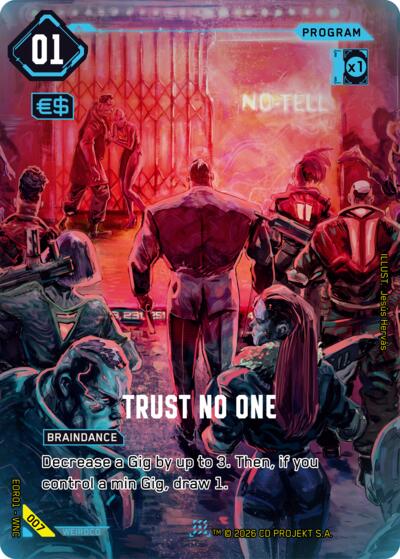
Trust No One
NR—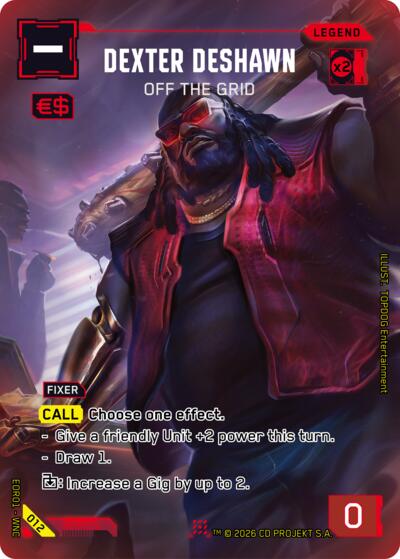
Dexter DeShawn - Off the Grid
NR—
V - StreetKid
NR—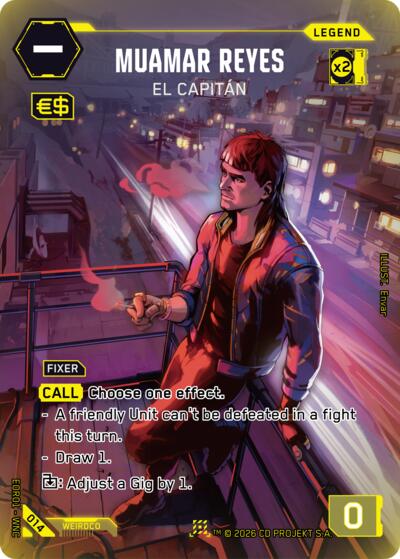
Muamar Reyes - El Capitan
NR—
Judy Alvarez - Braindance Maestro
NR—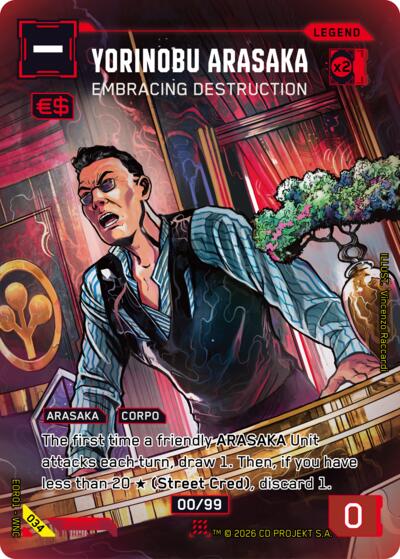
Yorinobu Arasaka - Embracing Destruction
NR—
River Ward - Detective on the Hunt
NR—
Viktor Vektor - Sit Down and Relax
NR—
Goro Takemura - Hands Unclean
NR—
Jackie Welles - Mama's Favorite
NR—
Saburo Arasaka - Stubborn Patriarch
NR—
Alt Cunningham - Soulkiller Architect
NR—
Evelyn Parker - Beautiful Enigma
NR—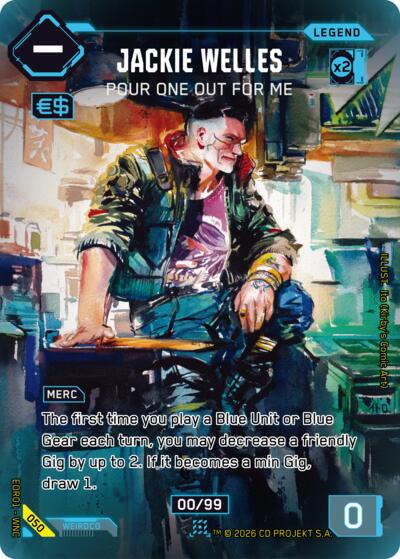
Jackie Welles - Pour One Out For Me
NR—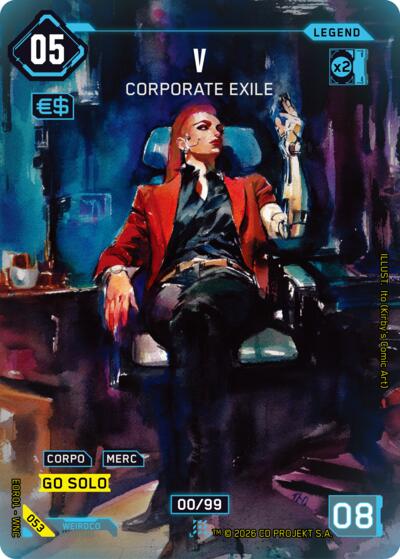
V - Corporate Exile
NR—
In the set
21 singles tracked
- NR21 · 100%
How to read the set index
- What is the typical single?
- The median fair value of the set's Near Mint English singles — the price in the middle, so one chase card can't drag it up. Fair value comes from real sales only; the marketplace's Market Price is shown on card pages but never counted.
- What does the index line show?
- The Set Value Index: one Near Mint copy of every printing at fair value, compared week to week on the same printings, so it moves with the set's value — the chase cards most. It starts at 100; the 90-day figure is that line over the last quarter. Beside it, the typical card (every card counted the same, chases left out) and the chases on their own.
- How is popularity scored?
- Out of 100, against the rest of the game: how much the set's cards sell for, how many of them sell each week, how many cards it holds and how its index has moved. It ranks sets; it isn't a price.