

Starter Deck
[1st Edition North American English]
- Market Price
- —
- MSRP
- —
What's inside
Inside
- 50×cards: 1 Ultra Rare, 2 Super Rares, 47 Commons
SDK · Yu-Gi-Oh!
50 cards, led by Blue-Eyes White Dragon at $75.51.
Released Mar 29, 2002
Set index · SDK
130.89
+30.89 (+30.89%)1Y


The 5 most valuable · $0.99 – $75.51
A score that starts at 100 and moves with the set's fair value, compared on the same printings week to week.
One Near Mint copy of every printing at fair value; the chase cards move it most.
one of every printing · fair value · Nov 12, 2026
Near Mint was $1,648.43 on Aug 30, 2026 (+28.4%). Totals move when printings are added or first priced; the index above doesn't.
Every way Starter Deck: Kaiba was sold, priced.
2 products
Starter Deck
[1st Edition North American English]
Inside
Starter Deck
[Unlimited Edition North American English]
Inside
50 of 50 valued in Near Mint

Blue-Eyes White Dragon

Koumori Dragon

Rude Kaiser

Gyakutenno Megami

Just Desserts

Battle Ox

Ryu-Kishin

Judge Man

Dark Assassin
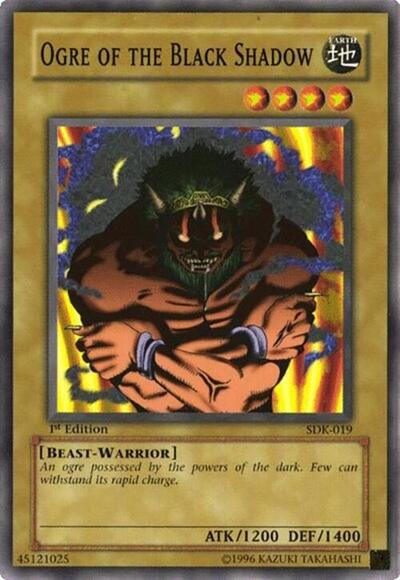
Ogre of the Black Shadow

La Jinn the Mystical Genie of the Lamp

Lord of D.

Trap Master

Swordstalker
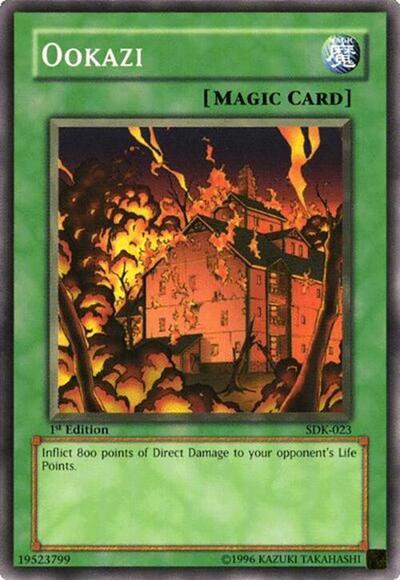
Ookazi

Monster Reborn
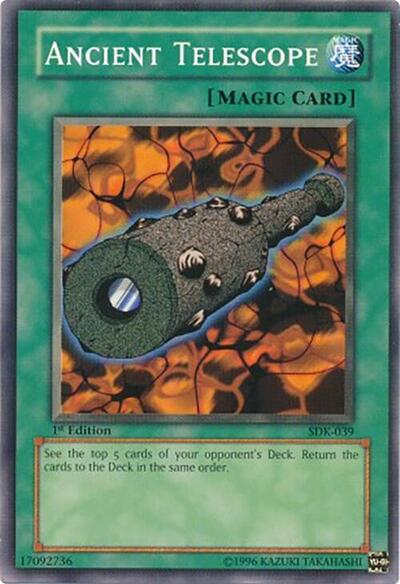
Ancient Telescope

The Wicked Worm Beast

The Flute of Summoning Dragon

D. Human

De-Spell

Hitotsu-Me Giant
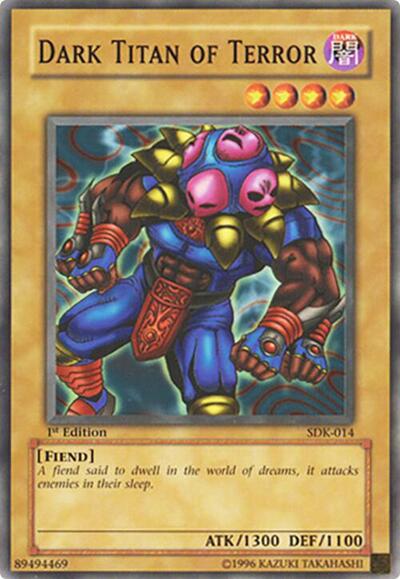
Dark Titan of Terror
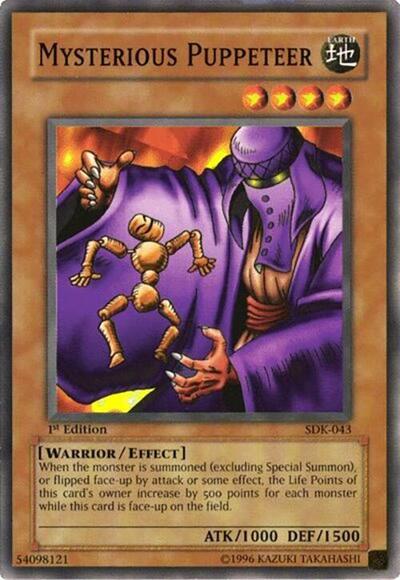
Mysterious Puppeteer
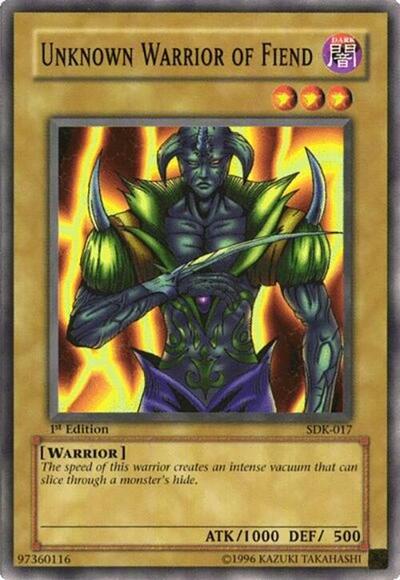
Unknown Warrior of Fiend

Invigoration
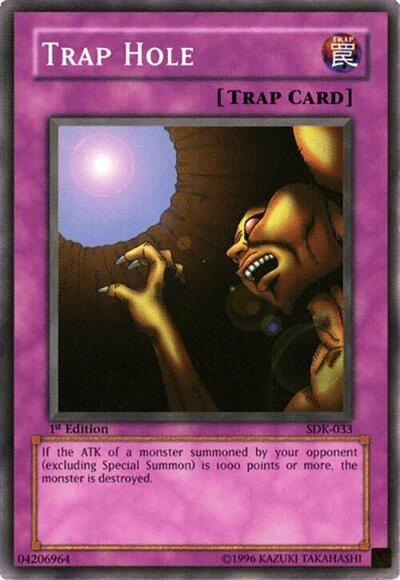
Trap Hole

Reinforcements
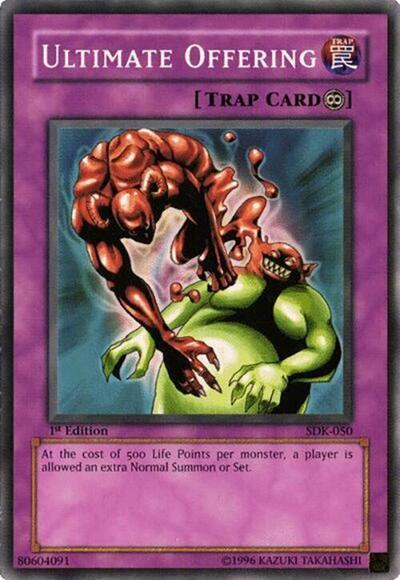
Ultimate Offering
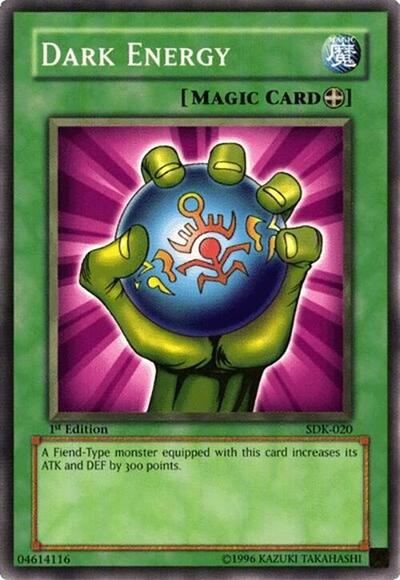
Dark Energy

Dark Hole
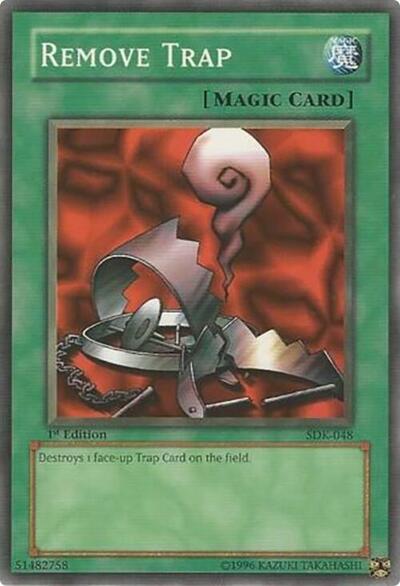
Remove Trap

Fissure

Ryu-Kishin Powered
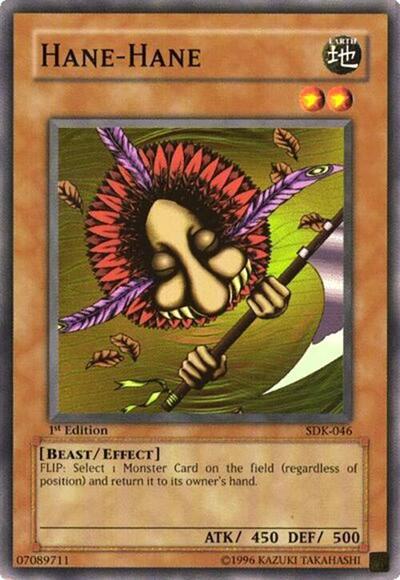
Hane-Hane
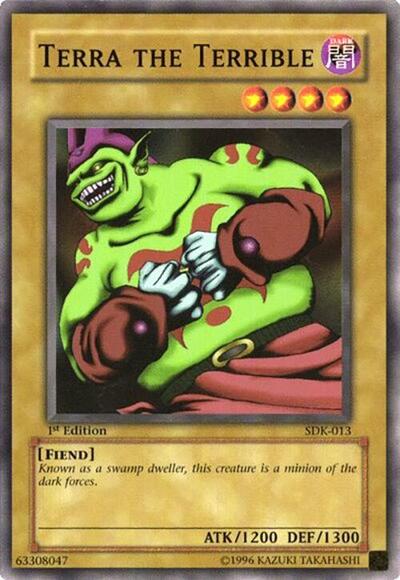
Terra the Terrible
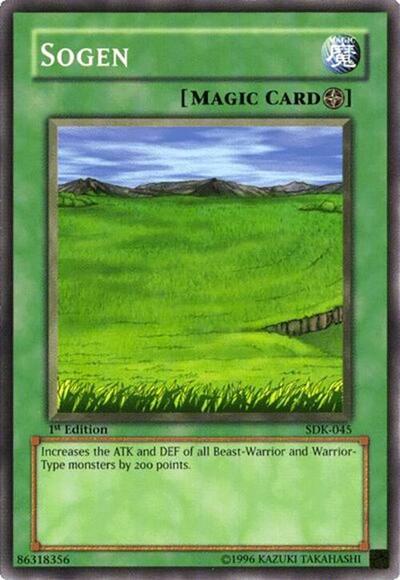
Sogen
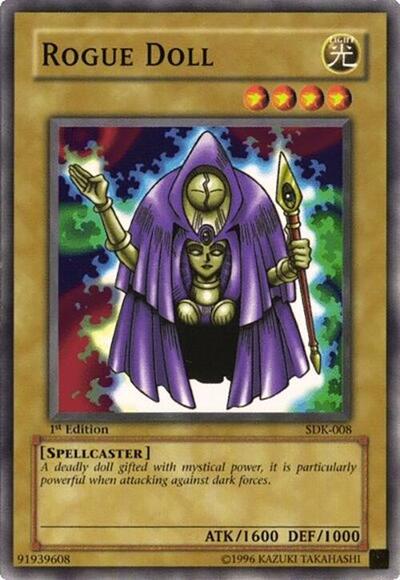
Rogue Doll
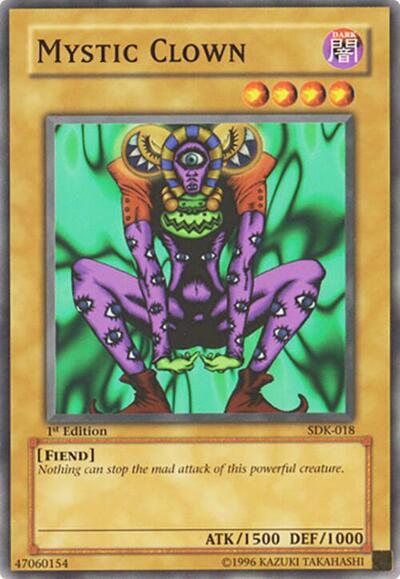
Mystic Clown
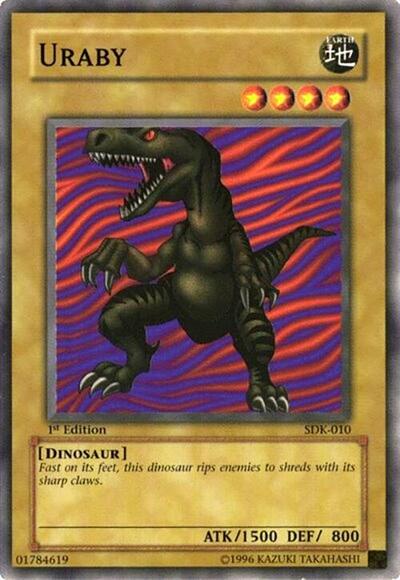
Uraby
50 singles tracked