

Display
Cyber Strike Structure Deck Display [1st Edition]
- Market Price
- $67.50
- MSRP
- —
Inside
8×Structure Deck [1st Edition]
SDCS · Yu-Gi-Oh!
48 cards, led by Infinite Impermanence at $1.33.
Released Oct 14, 2021
Set index · SDCS
99.86
−0.14 (−0.14%)1Y


The 5 most valuable · $0.14 – $1.33
A score that starts at 100 and moves with the set's fair value, compared on the same printings week to week.
One Near Mint copy of every printing at fair value; the chase cards move it most.
one of every printing · fair value · Nov 14, 2026
Near Mint was $43.97 on Aug 30, 2026 (+0.8%). Totals move when printings are added or first priced; the index above doesn't.
Every way Structure Deck: Cyber Strike was sold, priced.
3 products
Display
Inside
Starter Deck
Structure Deck [1st Edition]
Inside
Starter Deck
Structure Deck [Unlimited Edition]
Inside
* Standard MSRP for that product type, or a bundle's count × that price.
48 of 48 valued in Near Mint
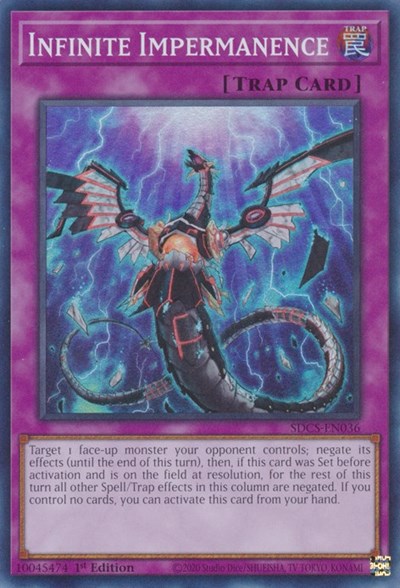
Infinite Impermanence
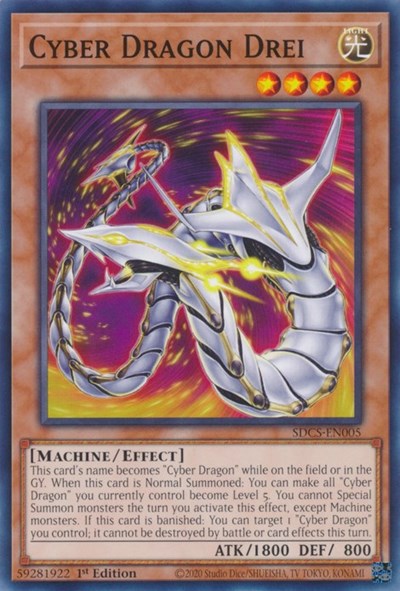
Cyber Dragon Drei
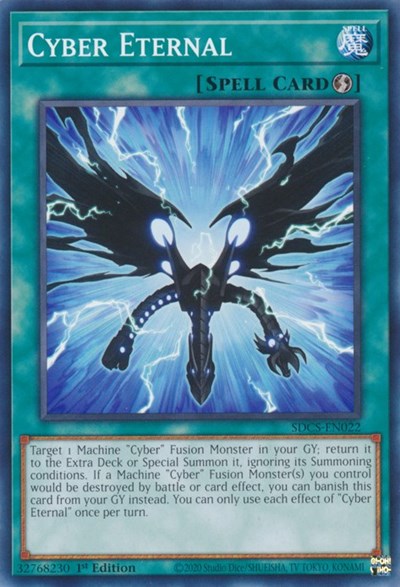
Cyber Eternal
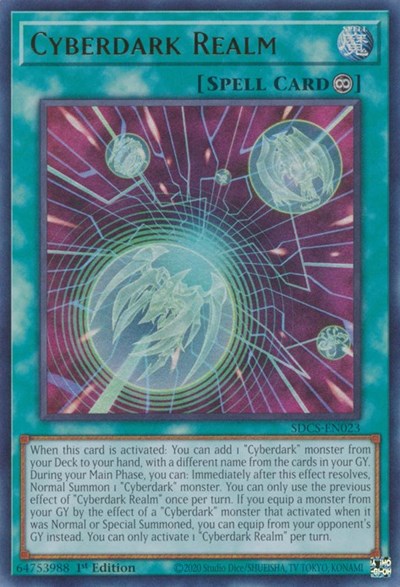
Cyberdark Realm
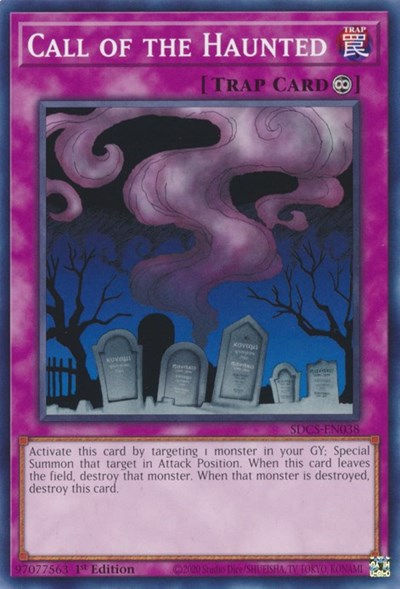
Call of the Haunted
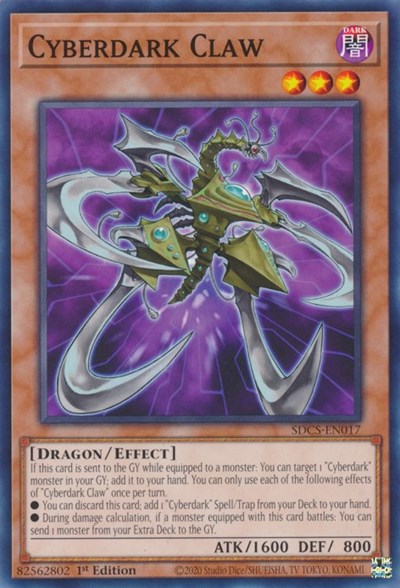
Cyberdark Claw
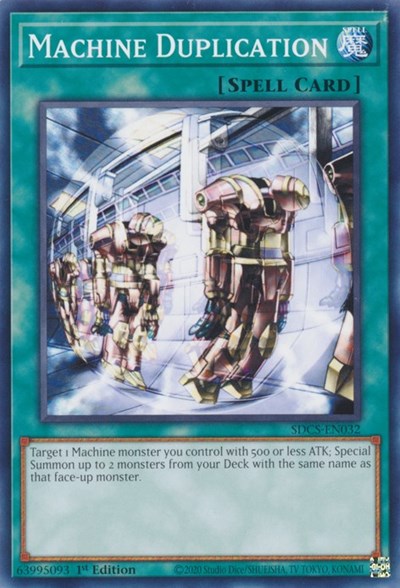
Machine Duplication
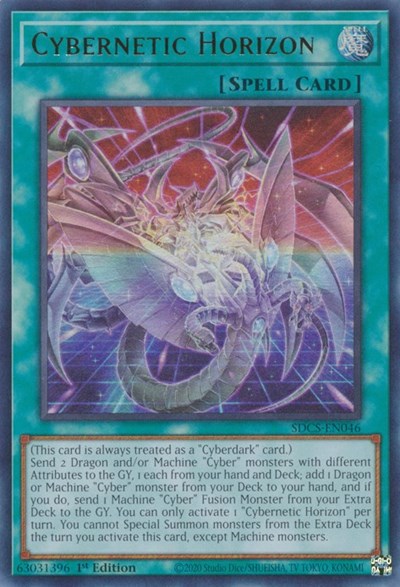
Cybernetic Horizon
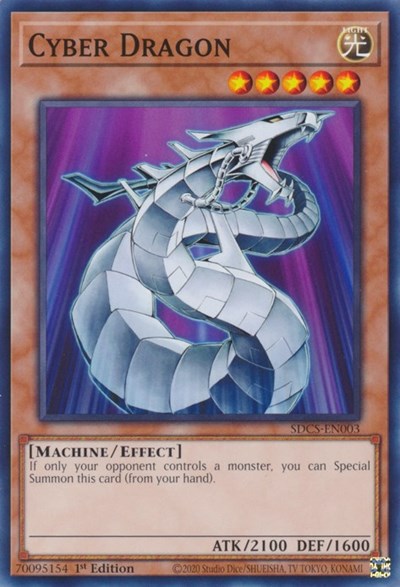
Cyber Dragon
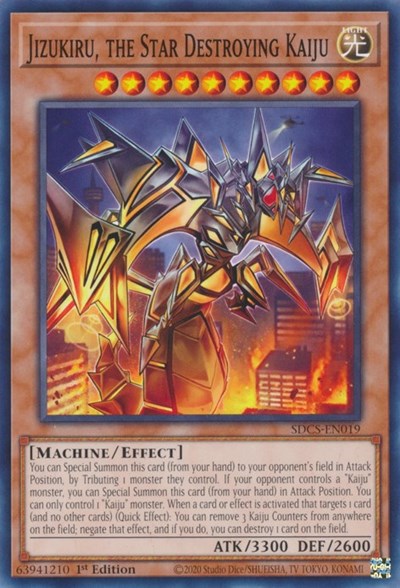
Jizukiru, the Star Destroying Kaiju
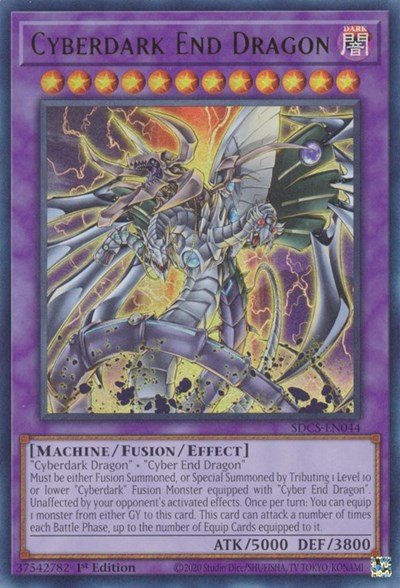
Cyberdark End Dragon
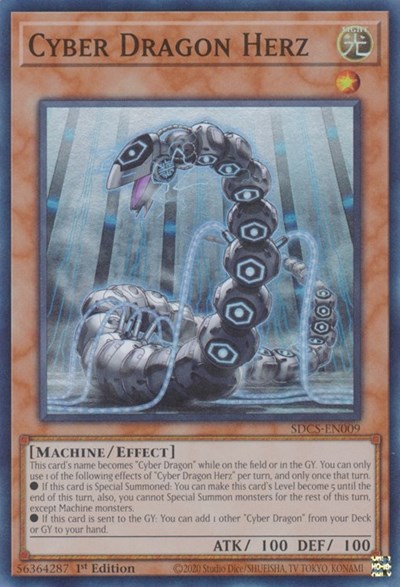
Cyber Dragon Herz
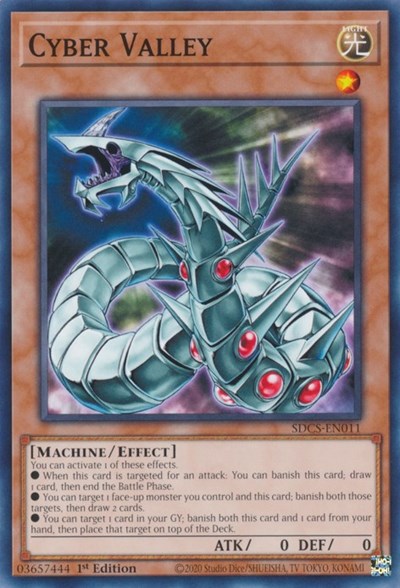
Cyber Valley
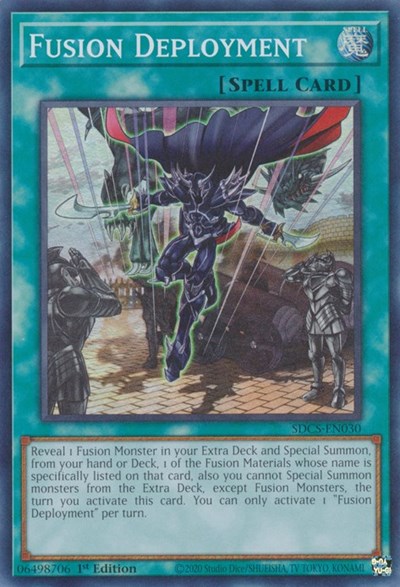
Fusion Deployment
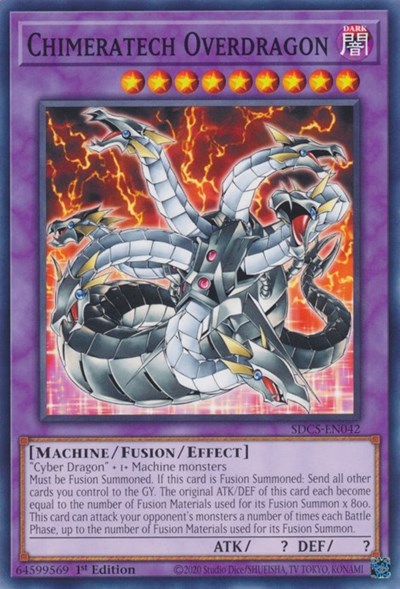
Chimeratech Overdragon
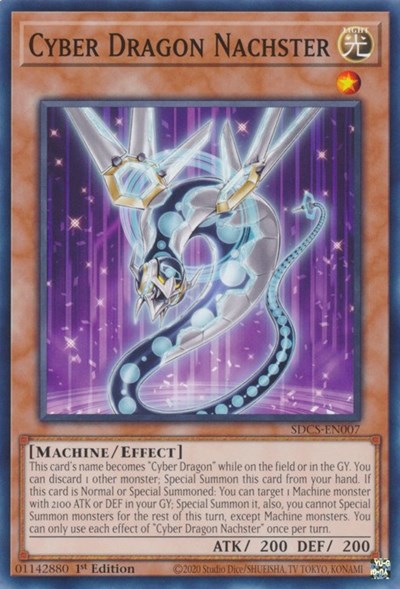
Cyber Dragon Nachster
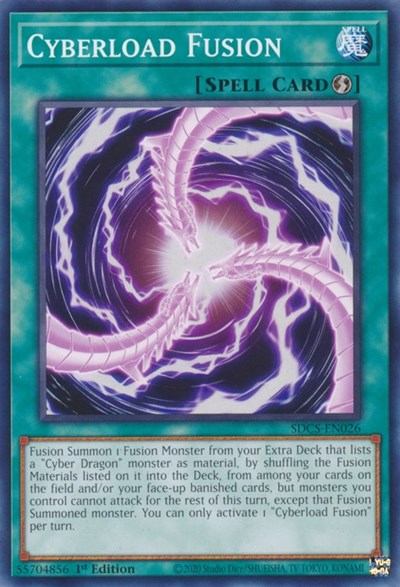
Cyberload Fusion
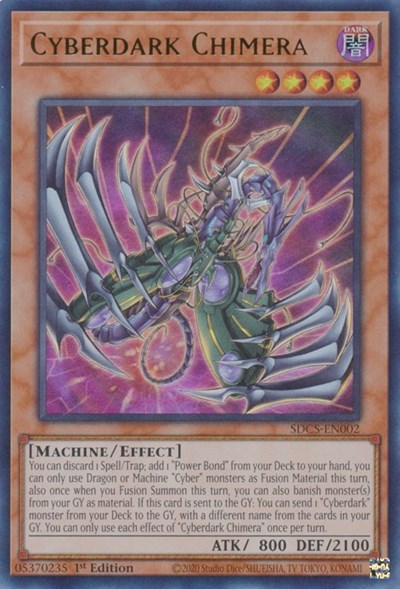
Cyberdark Chimera
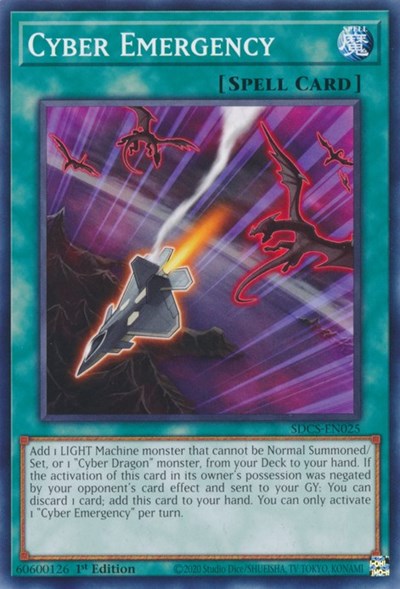
Cyber Emergency
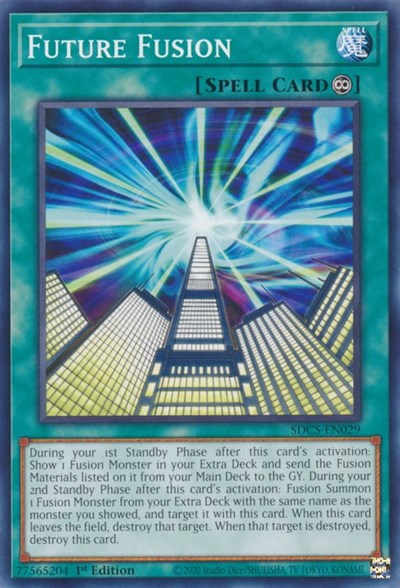
Future Fusion
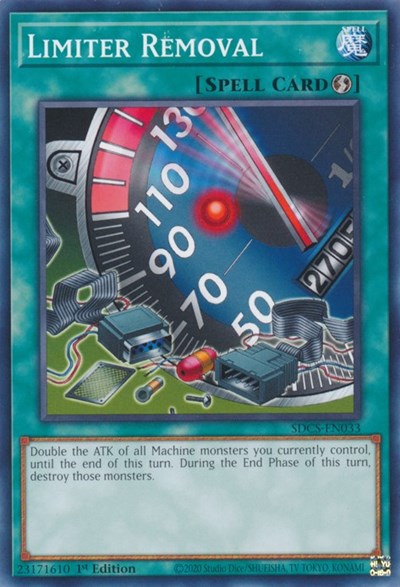
Limiter Removal
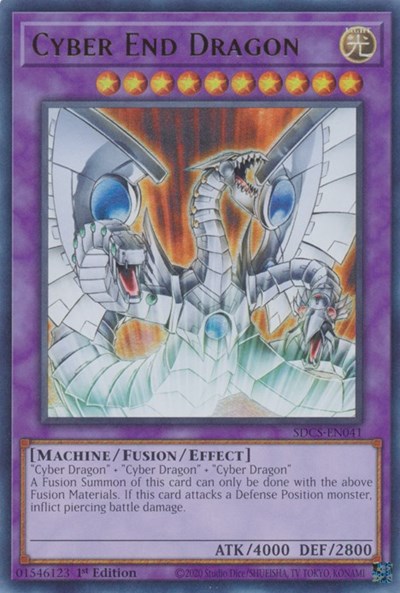
Cyber End Dragon
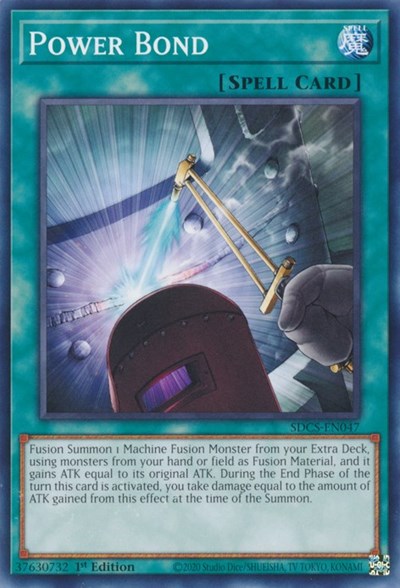
Power Bond
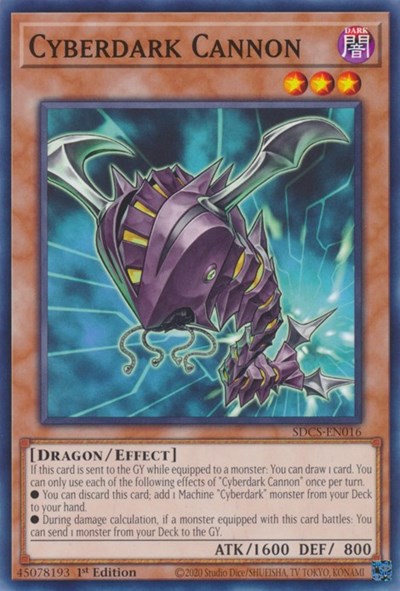
Cyberdark Cannon
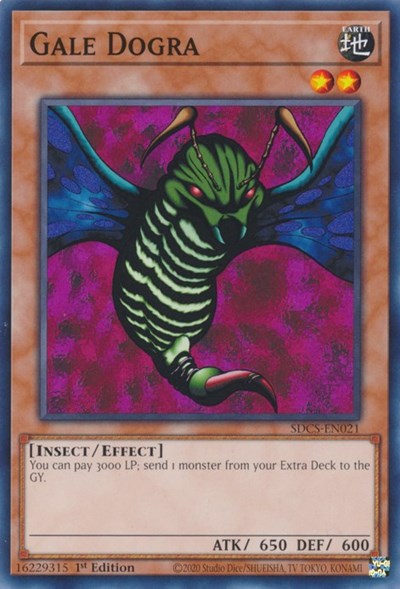
Gale Dogra
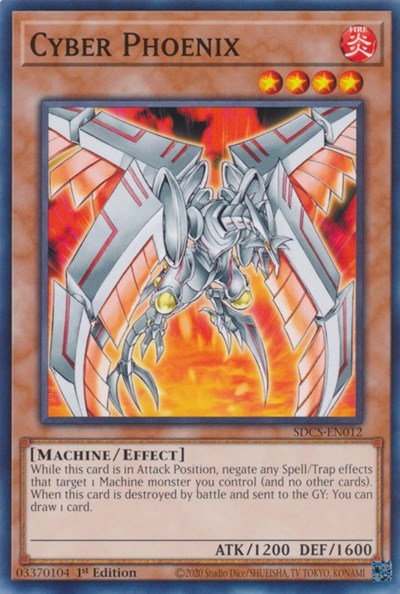
Cyber Phoenix
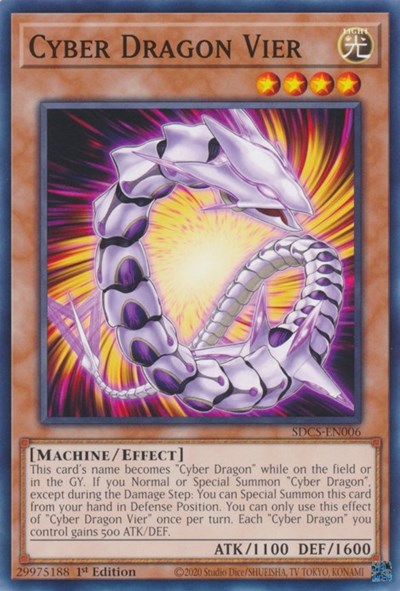
Cyber Dragon Vier
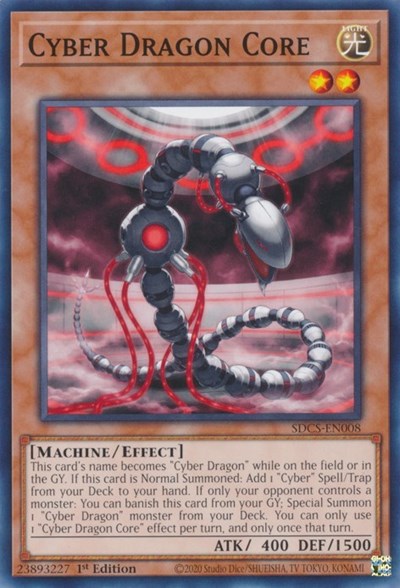
Cyber Dragon Core
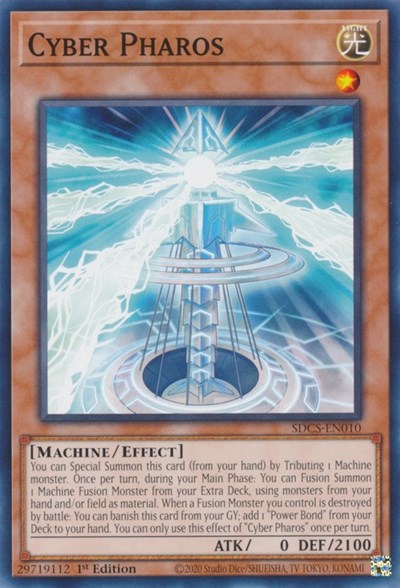
Cyber Pharos
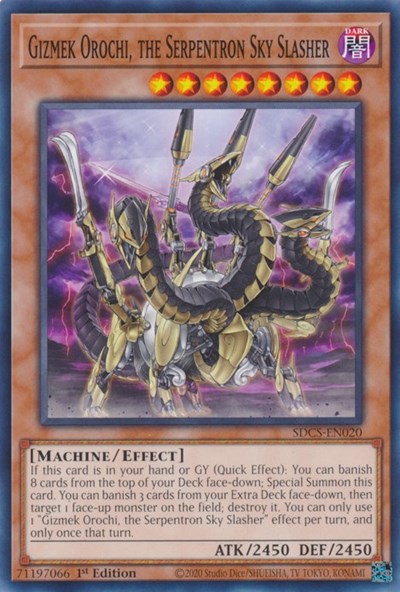
Gizmek Orochi, the Serpentron Sky Slasher
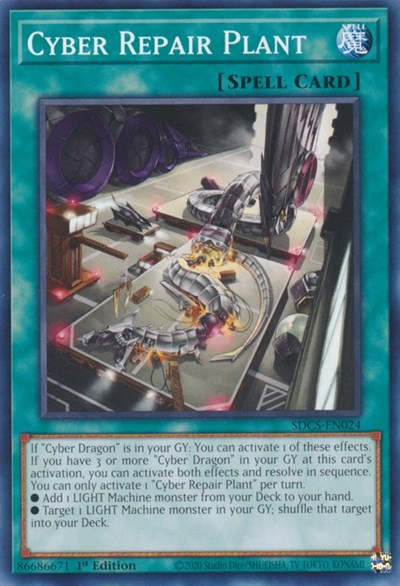
Cyber Repair Plant
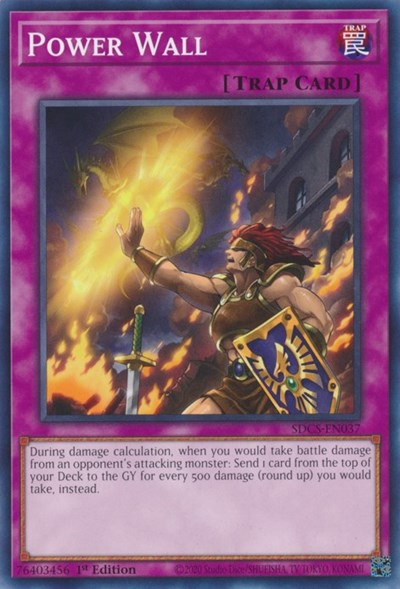
Power Wall
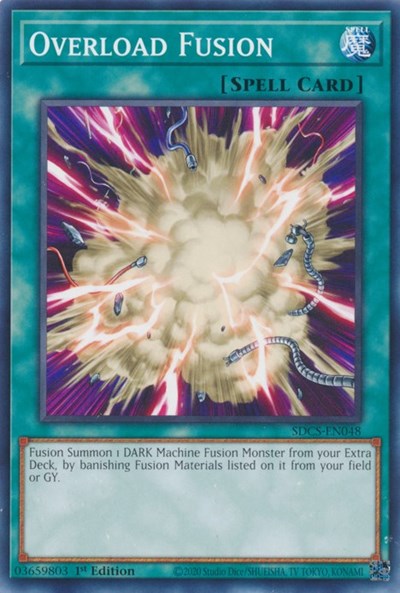
Overload Fusion
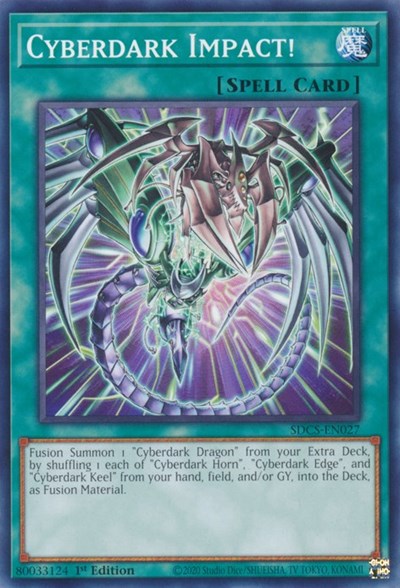
Cyberdark Impact!
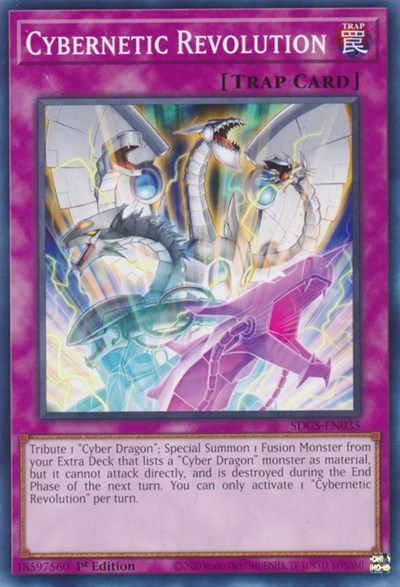
Cybernetic Revolution
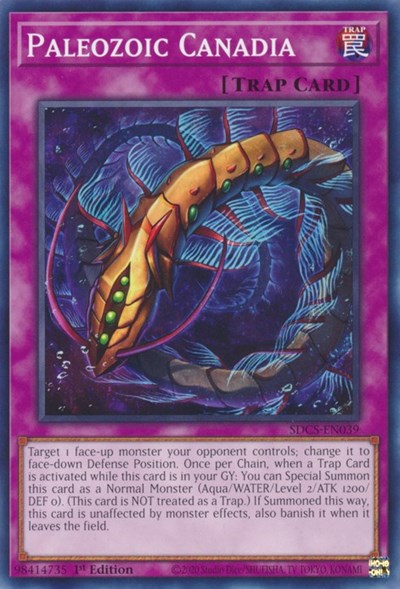
Paleozoic Canadia
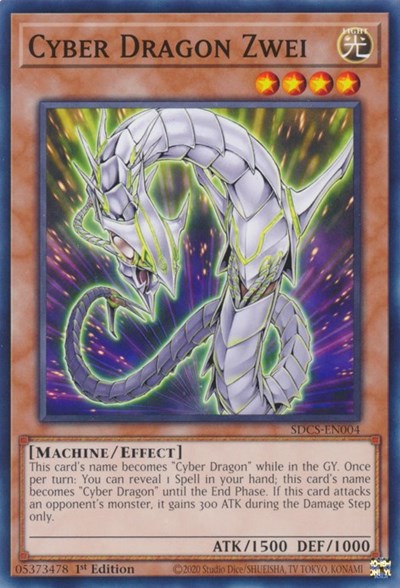
Cyber Dragon Zwei
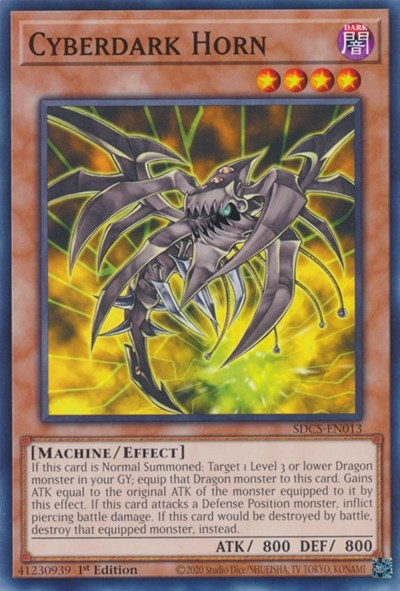
Cyberdark Horn
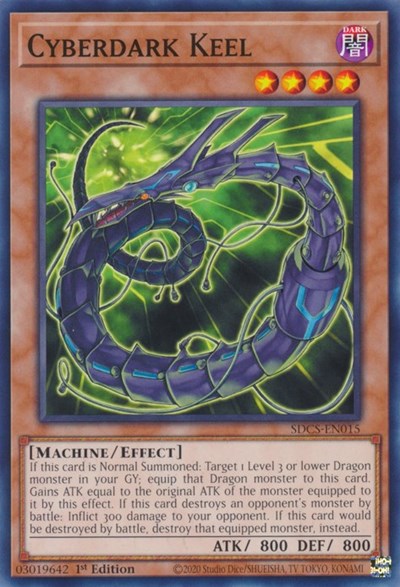
Cyberdark Keel
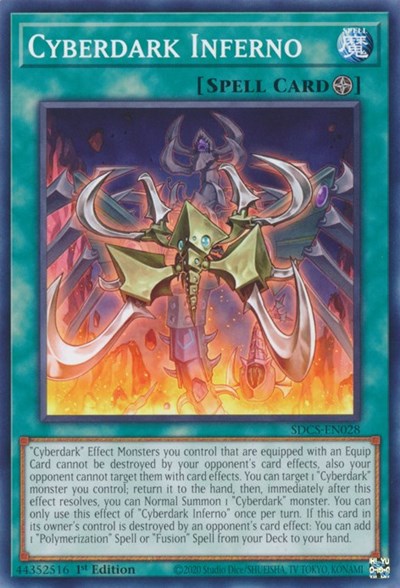
Cyberdark Inferno
48 singles tracked