

CSVM2BC · Pokémon China
Master Strategy Deck Building Set (Dragapult ex)
0 cards.
Released Jul 16, 2026
Set index · CSVM2BC
The index starts once a few weeks of sales collect.
The 5 most valuable
- Cards
- 0
- Priced printings
- 0
- Sales a week
- 0.0
- Set value
- —
- Popularity
- 0/100
- Standing
- #0
The index
A score that starts at 100 and moves with the set's fair value, compared on the same printings week to week.
One Near Mint copy of every printing at fair value; the chase cards move it most.
The index line fills in as weekly prices collect.
Cards
0 of 34 valued in Near Mint
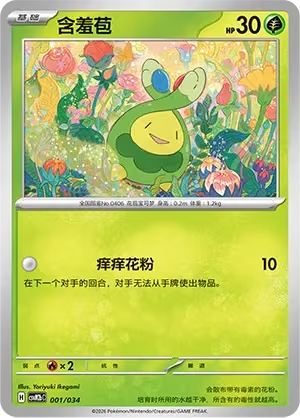
Budew
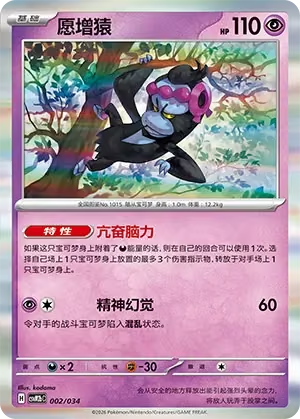
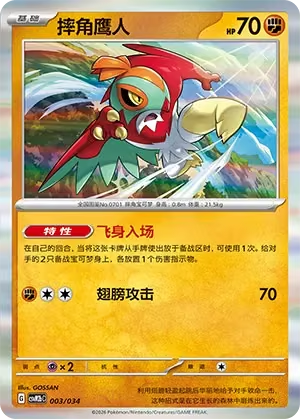
001/034—Munkidori
002/034—Hawlucha
003/034—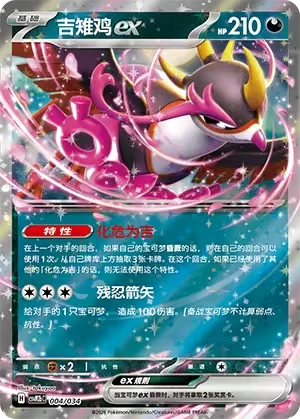
Fezandipiti ex
004/034—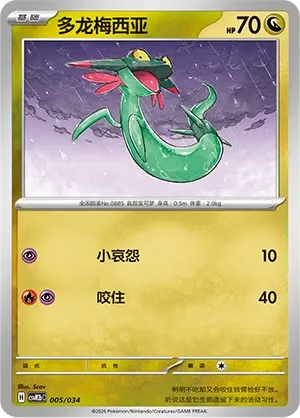
Dreepy
005/034—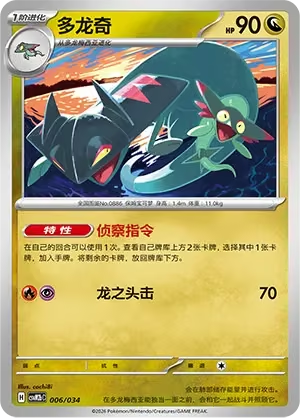
Drakloak
006/034—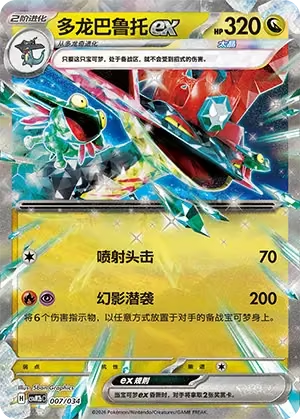
Dragapult ex
007/034—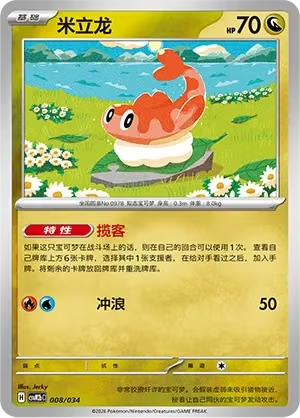
Tatsugiri
008/034—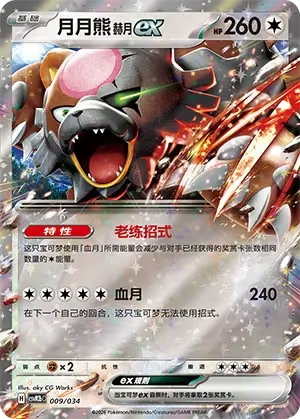
Bloodmoon Ursaluna ex
009/034—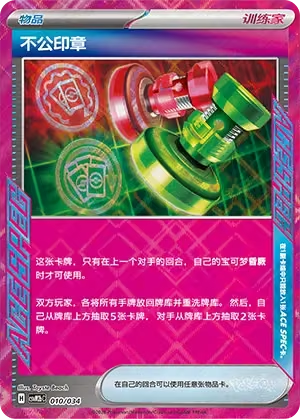
Unfair Stamp
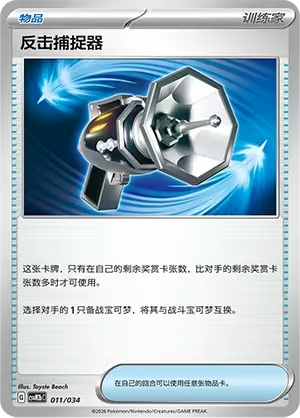
010/034—Counter Catcher
011/034—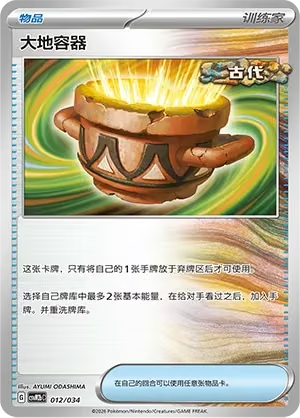
Earthen Vessel
012/034—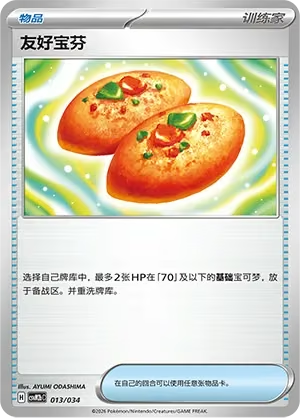
Buddy-Buddy Poffin
013/034—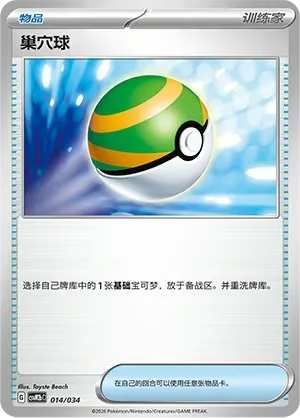
Nest Ball
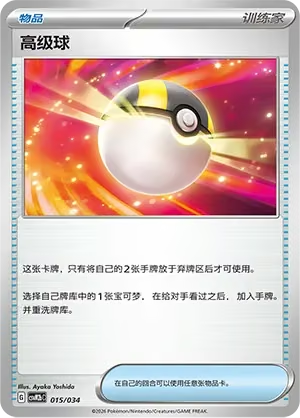
014/034—Ultra Ball
015/034—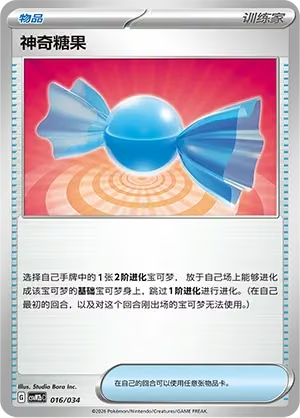
Rare Candy
016/034—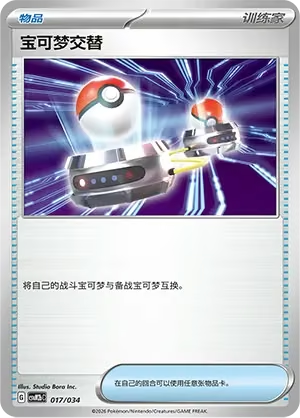
Switch
017/034—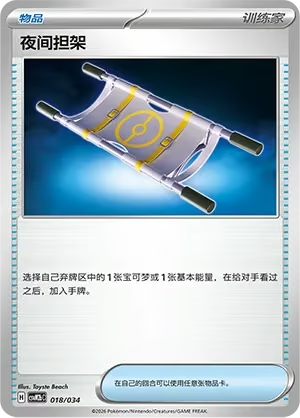
Night Stretcher
018/034—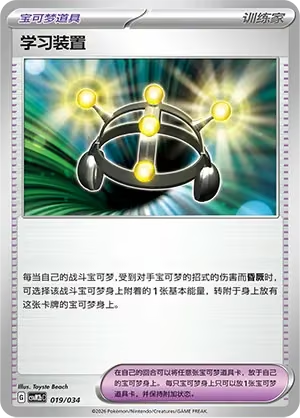
Exp. Share
019/034—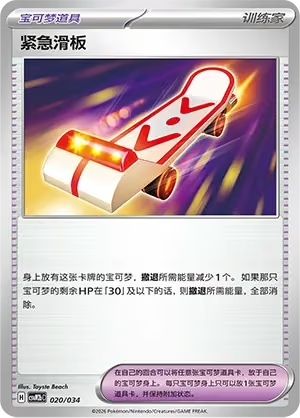
Rescue Board
020/034—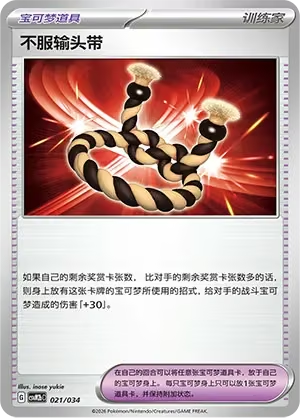
Defiance Band
021/034—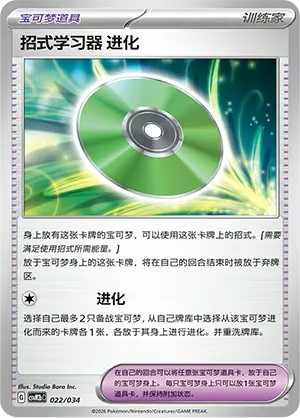
Technical Machine: Evolution
022/034—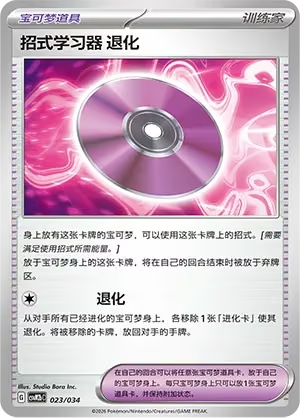
Technical Machine: Devolution
023/034—
Jacq
024/034—
Brock's Scouting
025/034—
Iono
026/034—
Professor's Research
027/034—
Professor Turo's Scenario
028/034—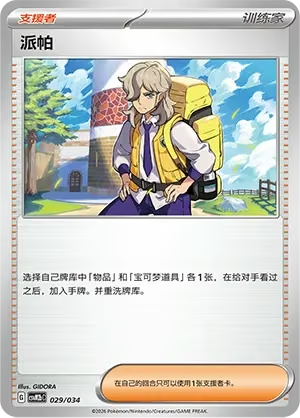
Arven
029/034—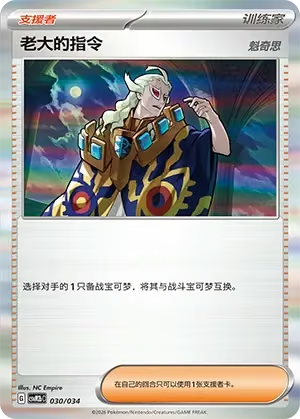
Boss's Orders
030/034—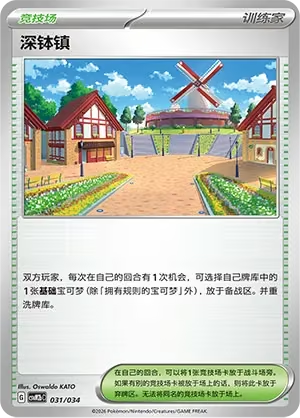
Artazon
031/034—
Pokémon League Headquarters
032/034—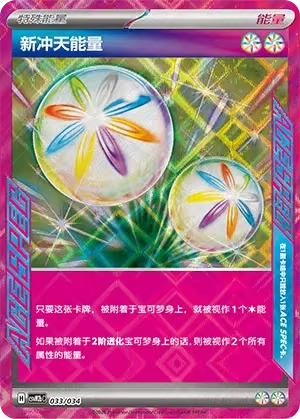
Neo Upper Energy
033/034—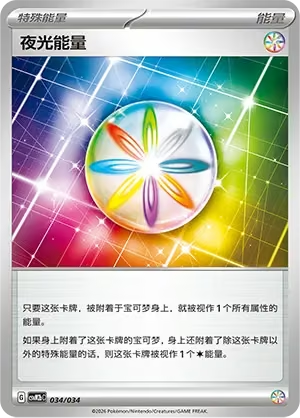
Luminous Energy
034/034—
In the set
34 singles tracked
- Unlisted34 · 100%
How to read the set index
- What is the set value?
- What it costs to own one Near Mint copy of every printing in the set, at fair value. Fair value comes from real sales only.
- What does the index line show?
- The Set Value Index: one Near Mint copy of every printing at fair value, compared week to week on the same printings, so it moves with the set's value — the chase cards most. It starts at 100; the change beside the set value is that line over 30 days, or over 7 for a set too new for a month. Beside it, the set without the chases (every card counted the same) and the chases on their own.
- How is popularity scored?
- Out of 100, against the rest of the game: how much the set's cards sell for, how many of them sell each week, how many cards it holds and how its index has moved. It ranks sets; it isn't a price.