

SMP · Pokémon
SM Promos
309 cards, led by Champions Festival - SM78 (World Championships 2017) at $688.71.
Released Dec 14, 2016
Set index · SMP
106.51
+6.51 (+6.51%)1Y
- 1W
- −0.04%
- 1M
- −2.42%
- 1Y
- +6.51%

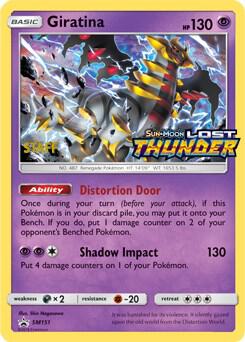
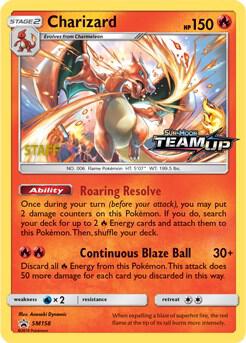


The 5 most valuable · $413.94 – $688.71
- Cards
- 309
- Priced printings
- 312
- Sales a week
- 362
- Typical single, Near Mint
- $16.26
- Popularity
- 84/100
- Standing
- #3
The index
A score that starts at 100 and moves with the set's fair value, compared on the same printings week to week.
One Near Mint copy of every printing at fair value; the chase cards move it most.
Master set value
one of every printing · fair value · Nov 11, 2026
- NM
- $14,040.59
- 312 of 312 priced · 98% from sales
- LP
- $9,352.70
- 312 of 312 priced · 97% from sales
- MP
- $6,576.14
- 312 of 312 priced · 94% from sales
- HP
- $4,286.98
- 312 of 312 priced · 86% from sales
- DMG
- $3,447.12
- 312 of 312 priced · 80% from sales
Near Mint was $13,036.65 on Aug 30, 2026 (+7.7%). Totals move when printings are added or first priced; the index above doesn't.
Cards
309 of 333 valued in Near Mint
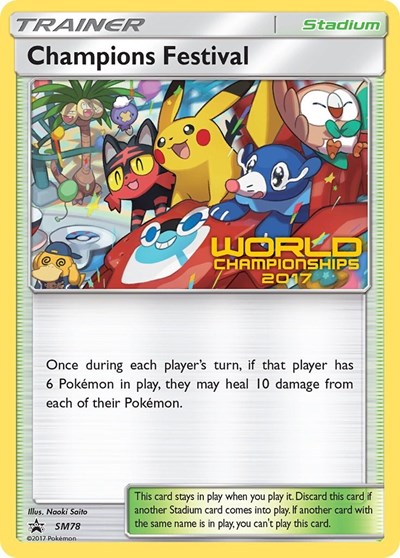
Champions Festival - SM78 (World Championships 2017)
Promo$688.71
Giratina - SM151 (Prerelease) [Staff]
Promo$571.65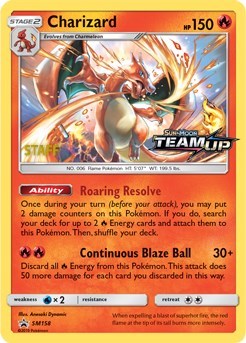
Charizard - SM158 [Staff]
Promo$550.28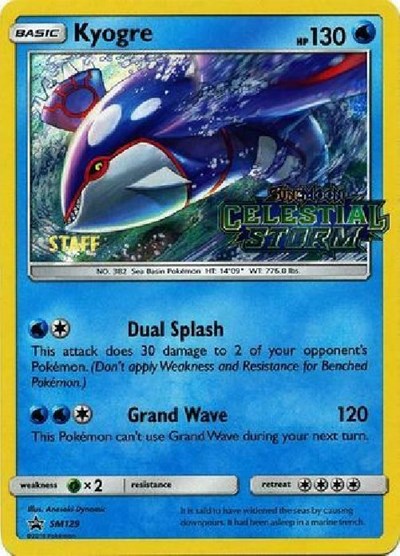
Kyogre - SM129 (Prerelease) [Staff]
Promo$472.43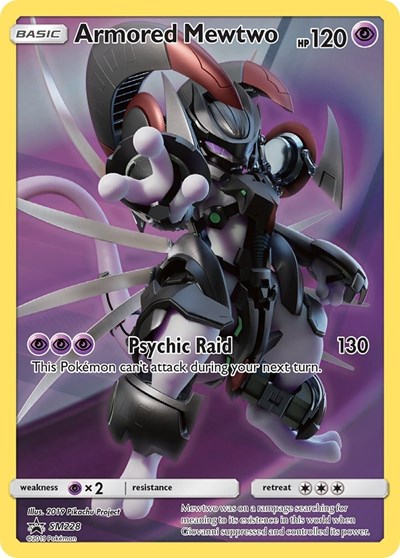
Armored Mewtwo - SM228
Promo$413.94
Zapdos - SM159 (Prerelease) [Staff]
Promo$400.00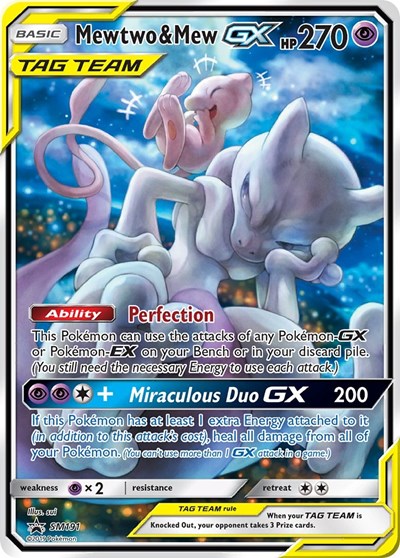
Mewtwo & Mew GX - SM191
Promo$350.86
Alolan Raichu - SM72 (Prerelease) [Staff]
Promo$295.14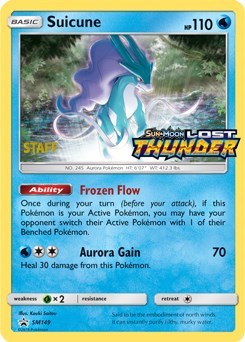
Suicune - SM149 (Prerelease) [Staff]
Promo$286.69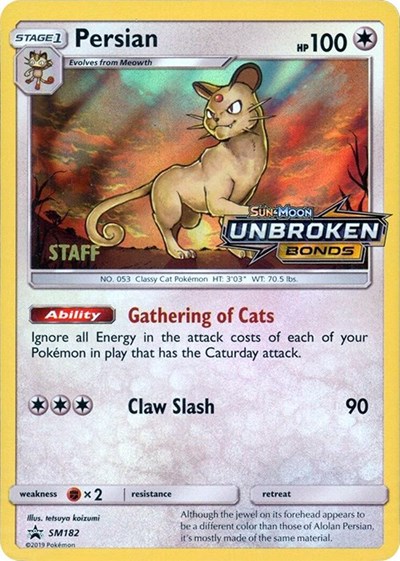
Persian - SM182 (Prerelease) [Staff]
Promo$283.60
Lucario - SM95 (Prerelease) [Staff]
Promo$259.84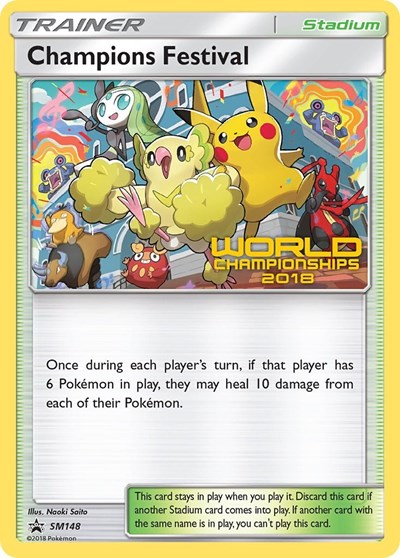
Champions Festival - SM148 (World Championships 2018)
Promo$249.99
Eevee & Snorlax GX - SM169
Promo$204.80
Pikachu & Zekrom GX
Promo$201.37
Entei - SM219 (Prerelease) [Staff]
Promo$200.56
Alolan Sandslash - SM18 (Prerelease) [Staff]
Promo$200.07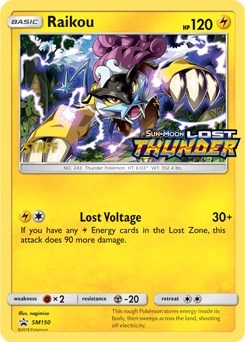
Raikou - SM150 (Prerelease) (Staff)
Promo$196.49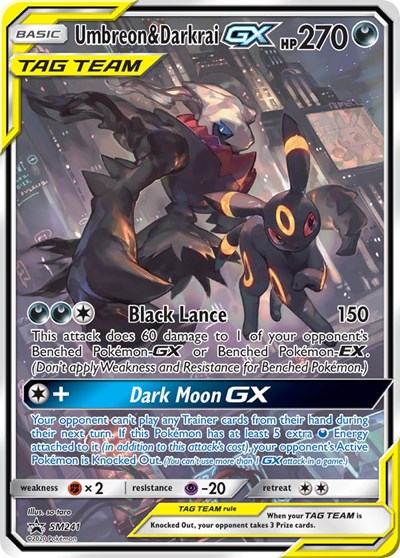
Umbreon & Darkrai GX - SM241
Promo$190.04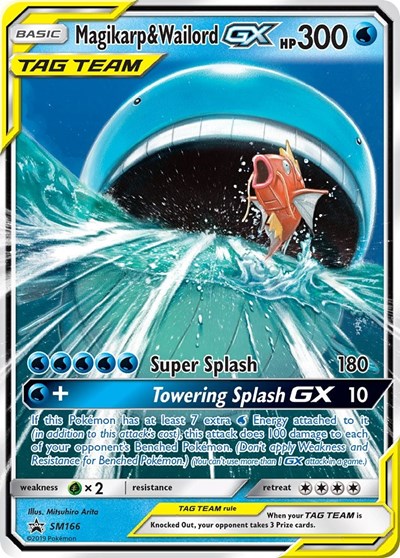
Magikarp & Wailord GX
Promo$179.19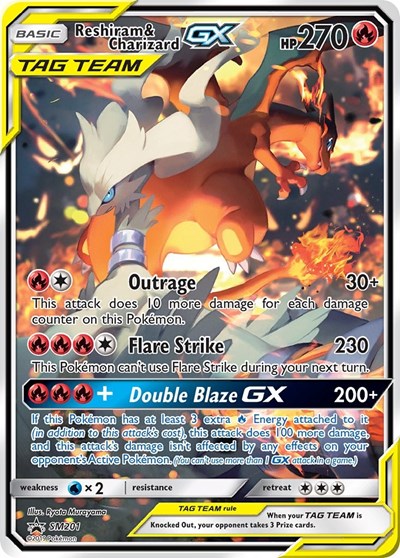
Reshiram & Charizard GX - SM201
Promo$166.02
Lycanroc - SM118 (Prerelease) [Staff]
Promo$157.19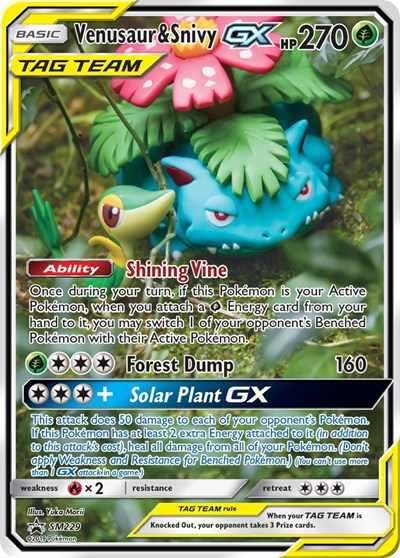
Venusaur & Snivy GX - SM229
Promo$153.25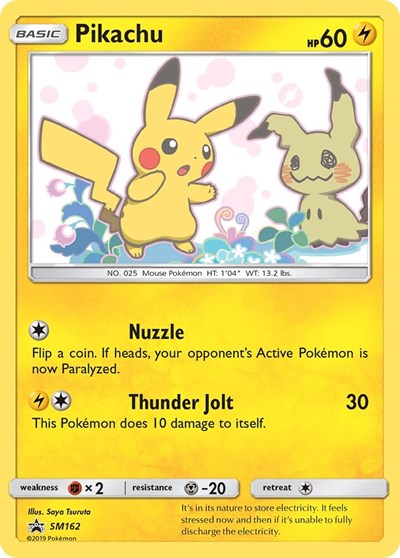
Pikachu - SM162
Promo$139.05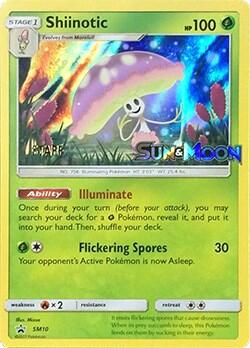
Shiinotic - SM10 (Prerelease) [Staff]
Promo$135.06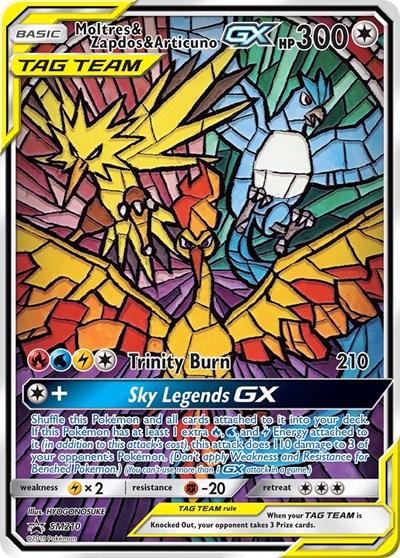
Moltres & Zapdos & Articuno GX
Promo$133.53
Shining Lugia - SM82
Promo$124.96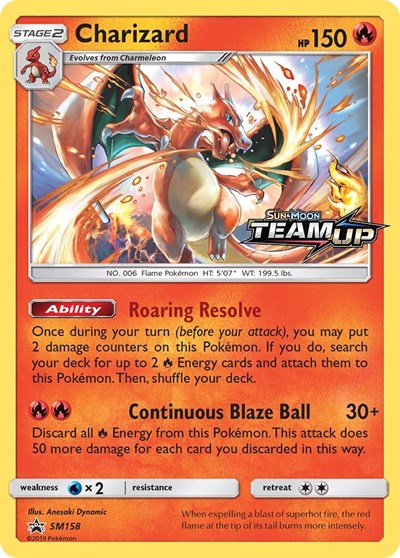
Charizard - SM158
Promo$123.10
Espeon & Deoxys GX - SM240
Promo$118.69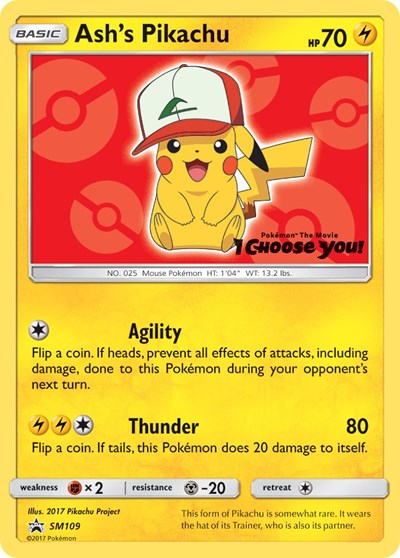
Ash's Pikachu - SM109
Promo$117.23
Wash Rotom - SM94 (Prerelease) [Staff]
Promo$113.96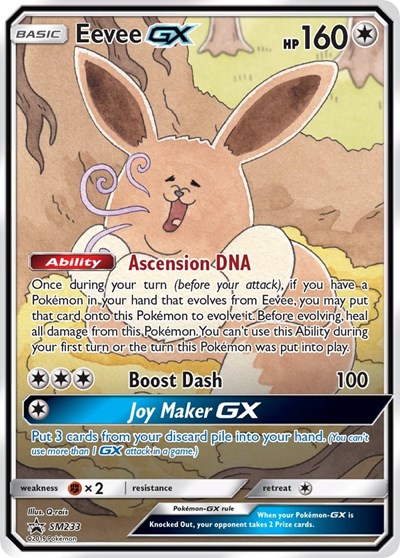
Eevee GX - SM233
Promo$106.55
Garchomp & Giratina GX - SM193
Promo$102.63
Delcatty - SM132 (Prerelease) [Staff]
Promo$102.50
Phione - SM220 (Prerelease) [Staff]
Promo$101.33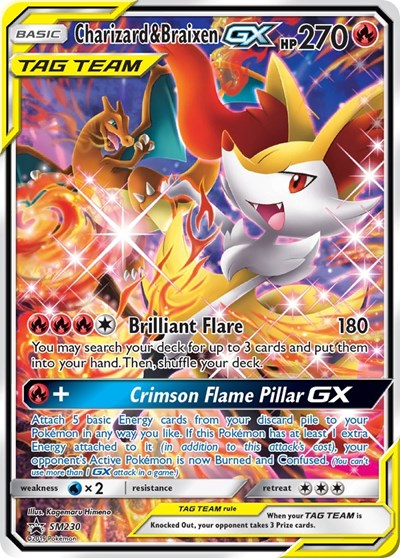
Charizard & Braixen GX - SM230
Promo$96.84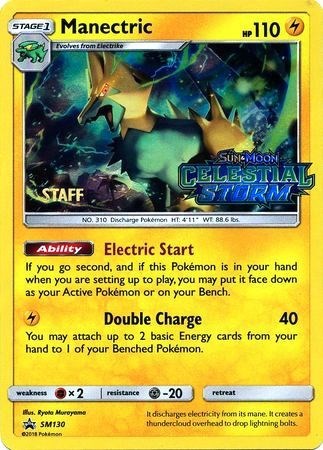
Manectric - SM130 (Prerelease) [Staff]
Promo$95.93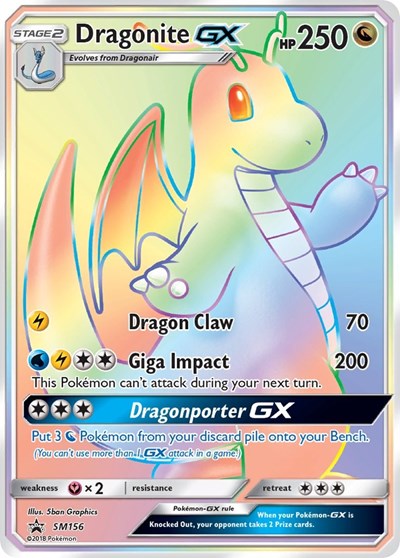
Dragonite GX - SM156
Promo$94.77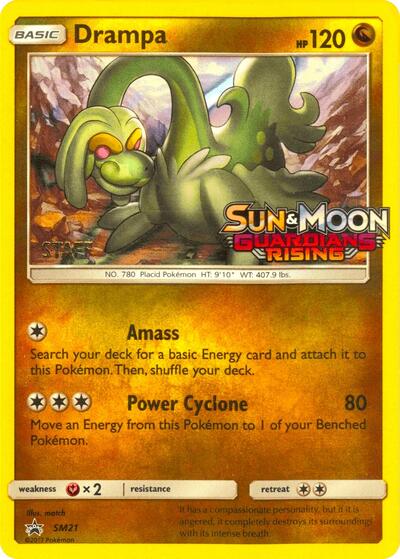
Drampa - SM21 (Prerelease) [Staff]
Promo$94.31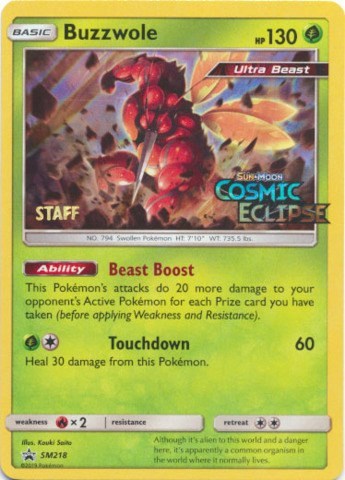
Buzzwole - SM218 (Prerelease) [Staff]
Promo$93.31
Eevee GX - SM174
Promo$91.62
In the set
333 singles tracked
- Promo332 · 100%
- Uncommon1 · 0%
How to read the set index
- What is the typical single?
- The median fair value of the set's Near Mint English singles — the price in the middle, so one chase card can't drag it up. Fair value comes from real sales only; the marketplace's Market Price is shown on card pages but never counted.
- What does the index line show?
- The Set Value Index: one Near Mint copy of every printing at fair value, compared week to week on the same printings, so it moves with the set's value — the chase cards most. It starts at 100; the 90-day figure is that line over the last quarter. Beside it, the typical card (every card counted the same, chases left out) and the chases on their own.
- How is popularity scored?
- Out of 100, against the rest of the game: how much the set's cards sell for, how many of them sell each week, how many cards it holds and how its index has moved. It ranks sets; it isn't a price.