

Starter Deck
Structure Deck [1st Edition]
- Market Price
- $54.95
- MSRP
- —
What's inside
InsideReported
- 40×card Structure Deck
SD10 · Yu-Gi-Oh!
37 cards, led by Heavy Storm at $3.60.
Released Jan 17, 2007
Set index · SD10
60.95
−39.05 (−39.05%)1Y


The 5 most valuable · $1.25 – $3.60
A score that starts at 100 and moves with the set's fair value, compared on the same printings week to week.
One Near Mint copy of every printing at fair value; the chase cards move it most.
one of every printing · fair value · Nov 10, 2026
Near Mint was $75.56 on Aug 30, 2026 (-32.6%). Totals move when printings are added or first priced; the index above doesn't.
Every way Structure Deck: Machine Re-Volt was sold, priced.
2 products
Starter Deck
Structure Deck [1st Edition]
InsideReported
Starter Deck
Structure Deck [Unlimited Edition]
InsideReported
37 of 37 valued in Near Mint
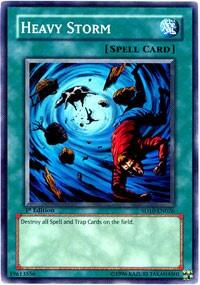
Heavy Storm
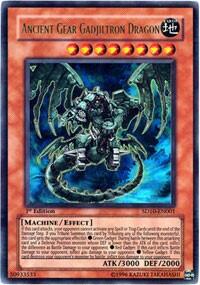
Ancient Gear Gadjiltron Dragon
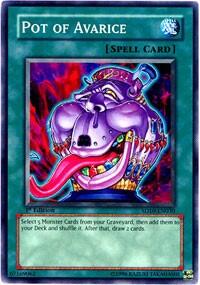
Pot of Avarice
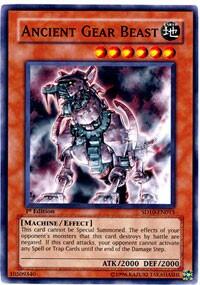
Ancient Gear Beast
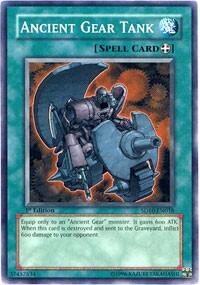
Ancient Gear Tank
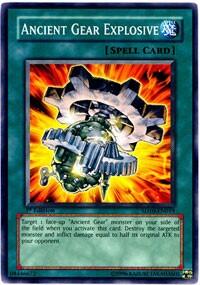
Ancient Gear Explosive
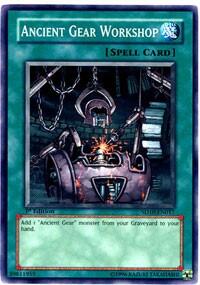
Ancient Gear Workshop
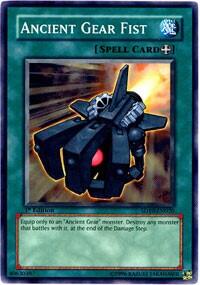
Ancient Gear Fist
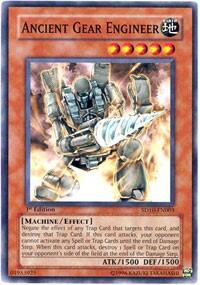
Ancient Gear Engineer
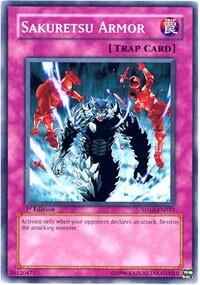
Sakuretsu Armor
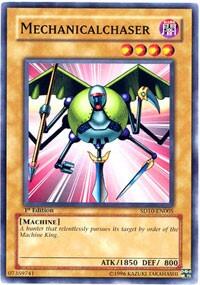
Mechanicalchaser
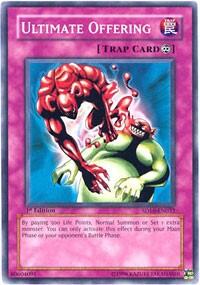
Ultimate Offering
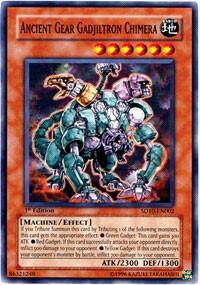
Ancient Gear Gadjiltron Chimera
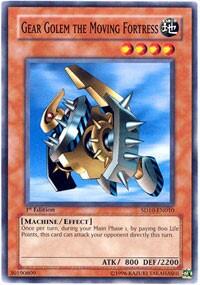
Gear Golem the Moving Fortress
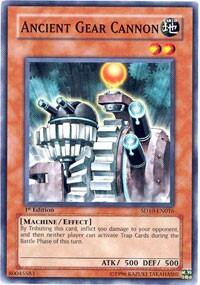
Ancient Gear Cannon
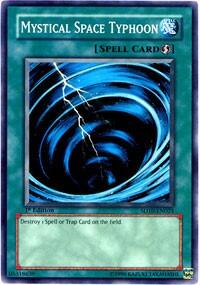
Mystical Space Typhoon
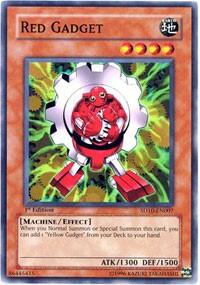
Red Gadget
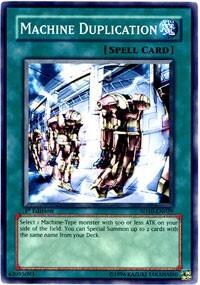
Machine Duplication
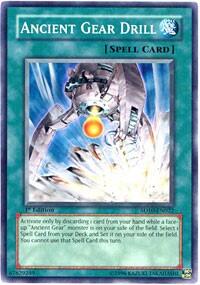
Ancient Gear Drill
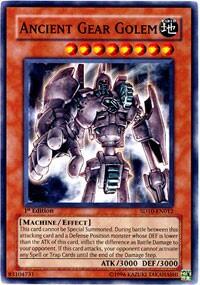
Ancient Gear Golem
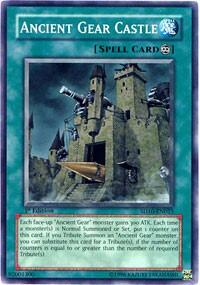
Ancient Gear Castle
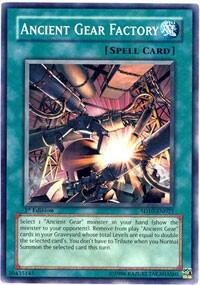
Ancient Gear Factory
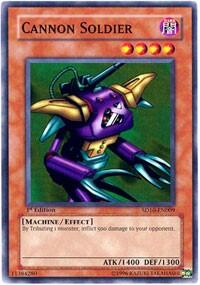
Cannon Soldier
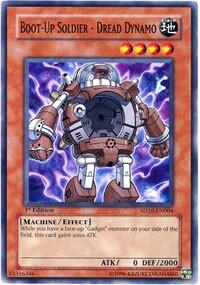
Boot-Up Soldier - Dread Dynamo
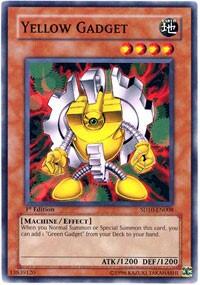
Yellow Gadget
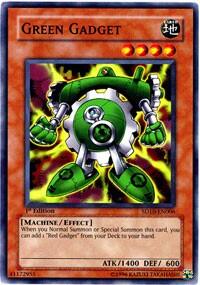
Green Gadget
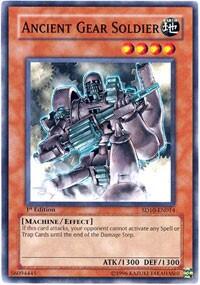
Ancient Gear Soldier
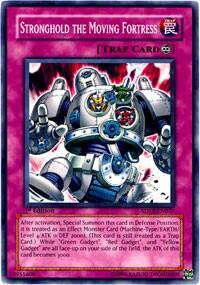
Stronghold the Moving Fortress
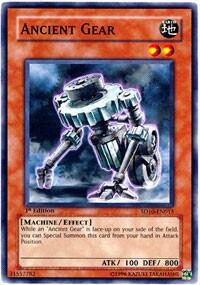
Ancient Gear
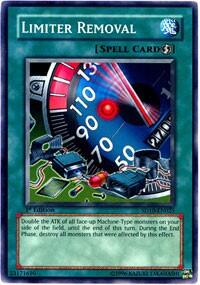
Limiter Removal
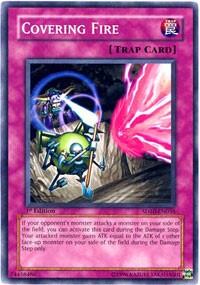
Covering Fire
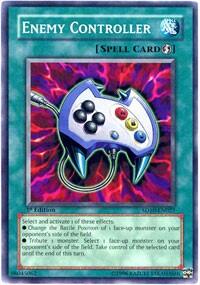
Enemy Controller
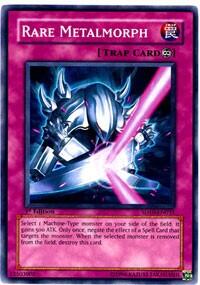
Rare Metalmorph
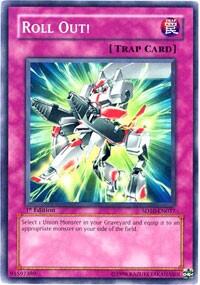
Roll Out!
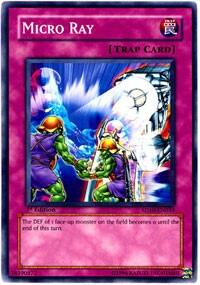
Micro Ray
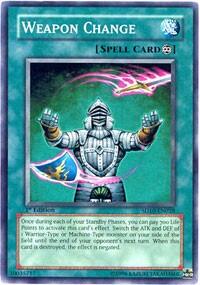
Weapon Change
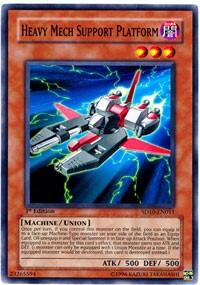
Heavy Mech Support Platform
37 singles tracked