

DEM3 · Yu-Gi-Oh!
Demo Deck 2016
19 cards, led by Dragon Horn Hunter at $9.60.
Released Jan 14, 2016
Set index · DEM3
73.42
−26.58 (−26.58%)1Y
- 1W
- +0.93%
- 1M
- +5.50%
- 1Y
- −26.58%


The 5 most valuable · $6.23 – $9.60
- Cards
- 19
- Priced printings
- 19
- Sales a week
- 0.4
- Typical single, Near Mint
- $4.05
- Popularity
- 44/100
- Standing
- #384
The index
A score that starts at 100 and moves with the set's fair value, compared on the same printings week to week.
One Near Mint copy of every printing at fair value; the chase cards move it most.
Master set value
one of every printing · fair value · Nov 11, 2026
- NM
- $71.58
- 19 of 19 priced · 58% from sales
- LP
- $26.67
- 19 of 19 priced · 21% from sales
- MP
- $23.89
- 19 of 19 priced · 0% from sales
- HP
- $17.88
- 19 of 19 priced · 0% from sales
- DMG
- $16.24
- 19 of 19 priced · 0% from sales
Near Mint was $87.50 on Aug 30, 2026 (-18.2%). Totals move when printings are added or first priced; the index above doesn't.
Cards
19 of 20 valued in Near Mint
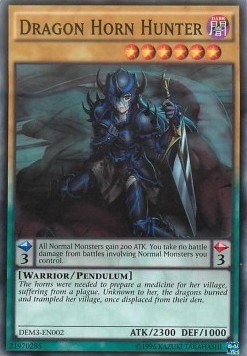
Dragon Horn Hunter
Common$9.60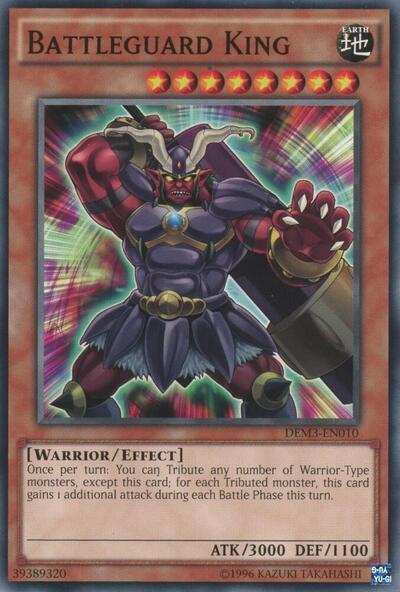
Battleguard King
Common$7.38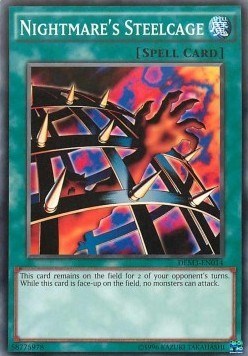
Nightmare's Steelcage
Common$7.17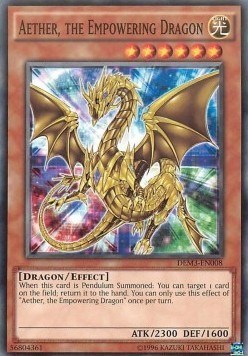
Aether, the Empowering Dragon
Common$6.25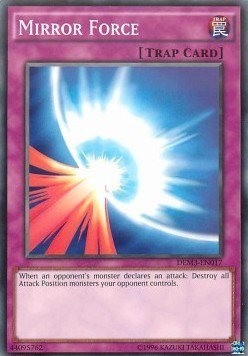
Mirror Force
Common$6.23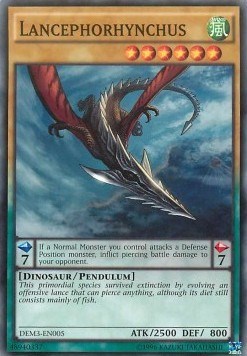
Lancephorhynchus
Common$6.09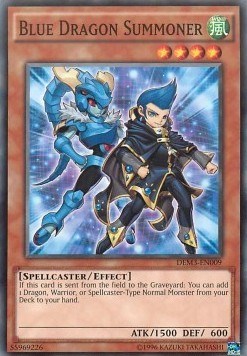
Blue Dragon Summoner
Common$5.98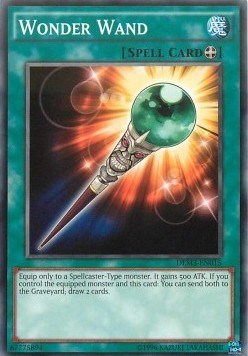
Wonder Wand
Common$5.89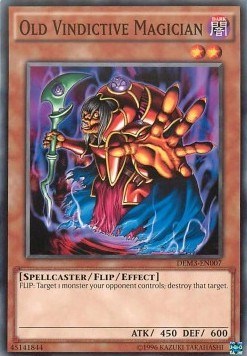
Old Vindictive Magician
Common$4.36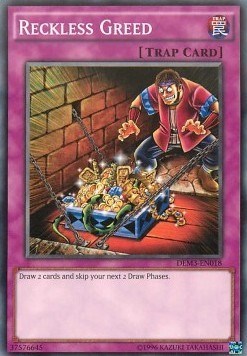
Reckless Greed
Common$4.05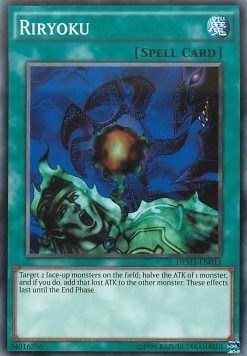
Riryoku
Common$3.01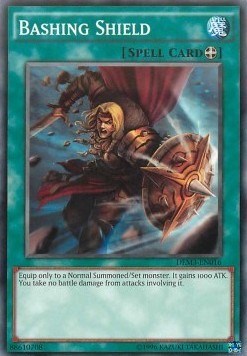
Bashing Shield
Common$1.41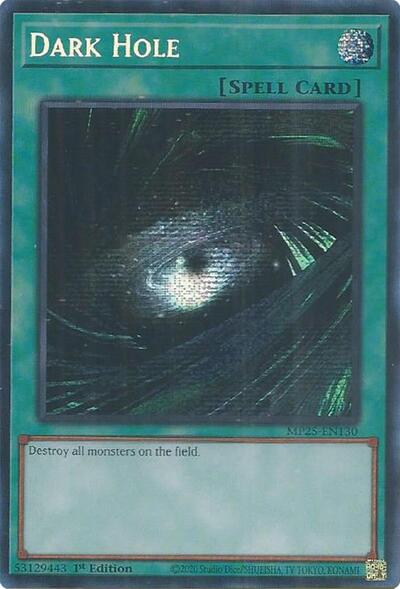
Dark Hole
Common$1.08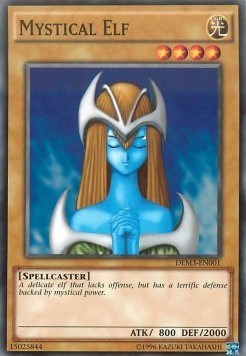
Mystical Elf
Common$0.82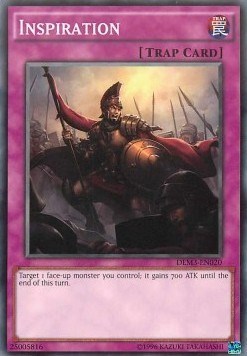
Inspiration
Common$0.58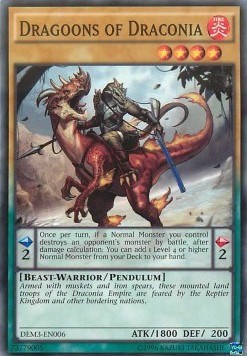
Dragoons of Draconia
Common$0.53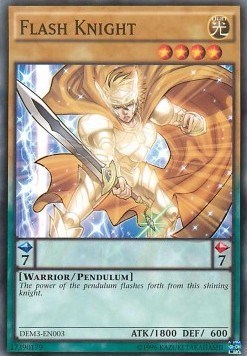
Flash Knight
Common$0.46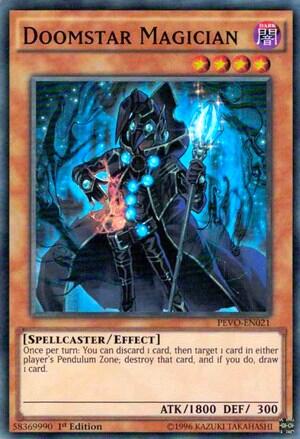
Doomstar Magician
Common$0.42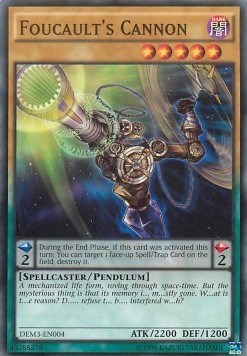
Foucault's Cannon
Common$0.27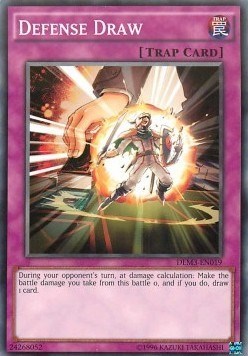
Defense Draw
Common—
In the set
20 singles tracked
- Common20 · 100%
How to read the set index
- What is the typical single?
- The median fair value of the set's Near Mint English singles — the price in the middle, so one chase card can't drag it up. Fair value comes from real sales only; the marketplace's Market Price is shown on card pages but never counted.
- What does the index line show?
- The Set Value Index: one Near Mint copy of every printing at fair value, compared week to week on the same printings, so it moves with the set's value — the chase cards most. It starts at 100; the 90-day figure is that line over the last quarter. Beside it, the typical card (every card counted the same, chases left out) and the chases on their own.
- How is popularity scored?
- Out of 100, against the rest of the game: how much the set's cards sell for, how many of them sell each week, how many cards it holds and how its index has moved. It ranks sets; it isn't a price.