

TCGP-1687 · Magic: The Gathering
Fourth Edition (Foreign White Border)
0 cards.
Released Apr 3, 1995
Set index · TCGP-1687
The index starts once a few weeks of sales collect.
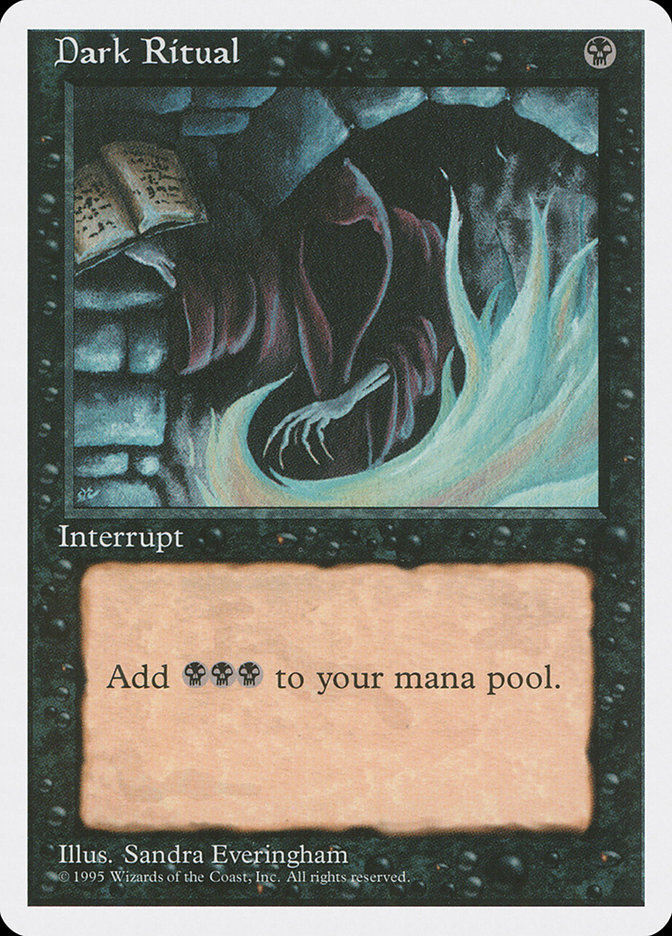
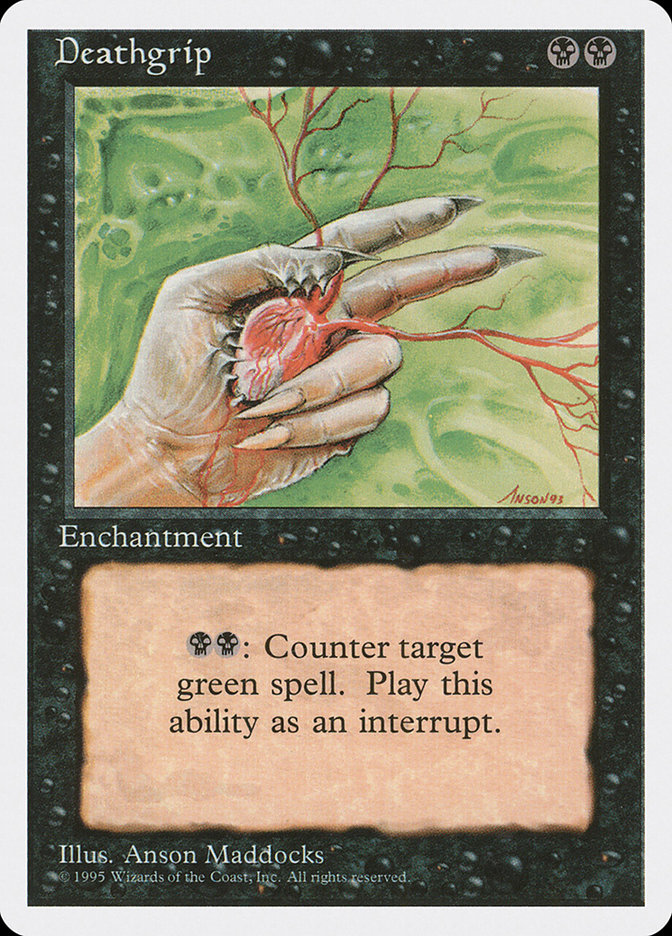
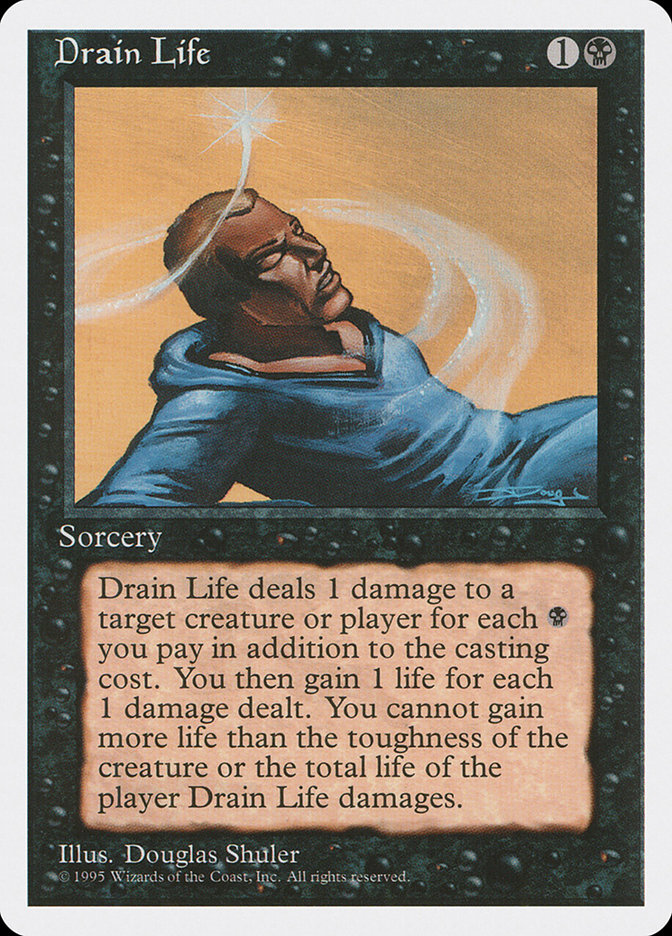
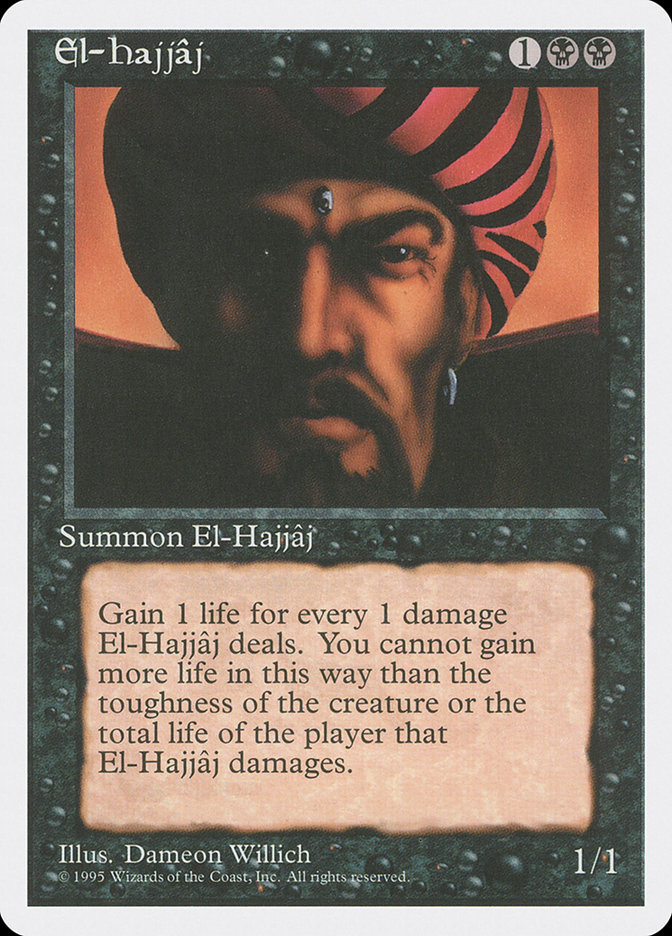
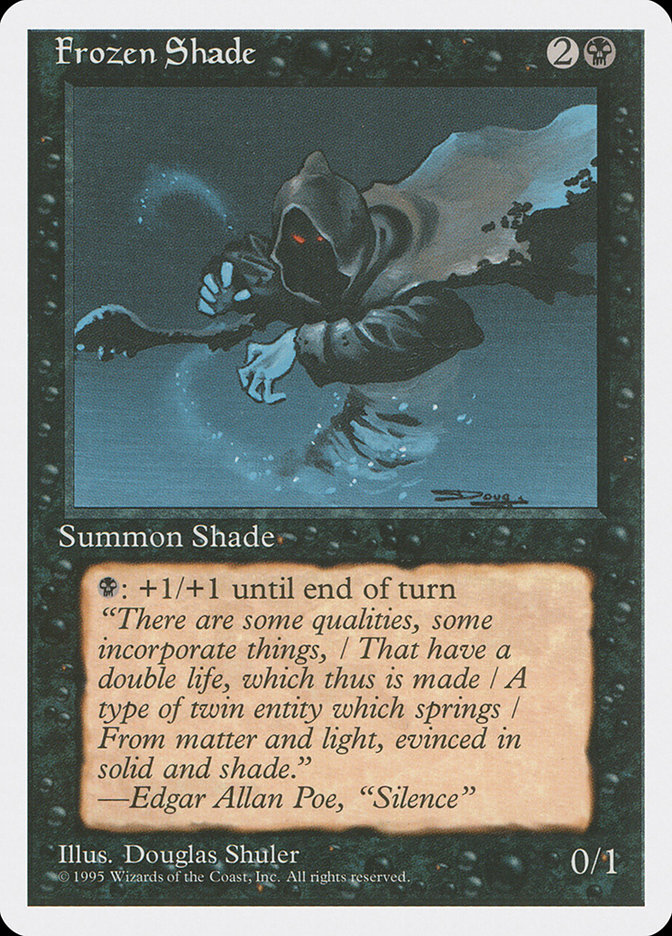
The 5 most valuable
- Cards
- 0
- Priced printings
- 0
- Sales a week
- 0.0
- Typical single, Near Mint
- —
- Popularity
- 0/100
- Standing
- #0
The index
A score that starts at 100 and moves with the set's fair value, compared on the same printings week to week.
One Near Mint copy of every printing at fair value; the chase cards move it most.
The index line fills in as weekly prices collect.
Cards
0 of 376 valued in Near Mint
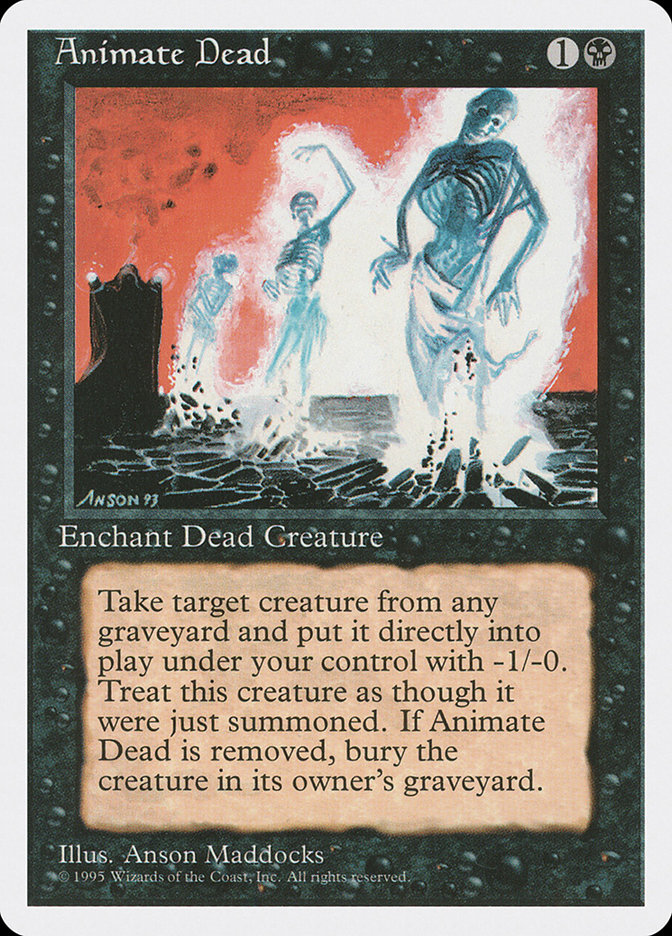
Animate Dead
U—Dark Ritual
C—Deathgrip
U—Drain Life
C—El-Hajjaj
R—Frozen Shade
C—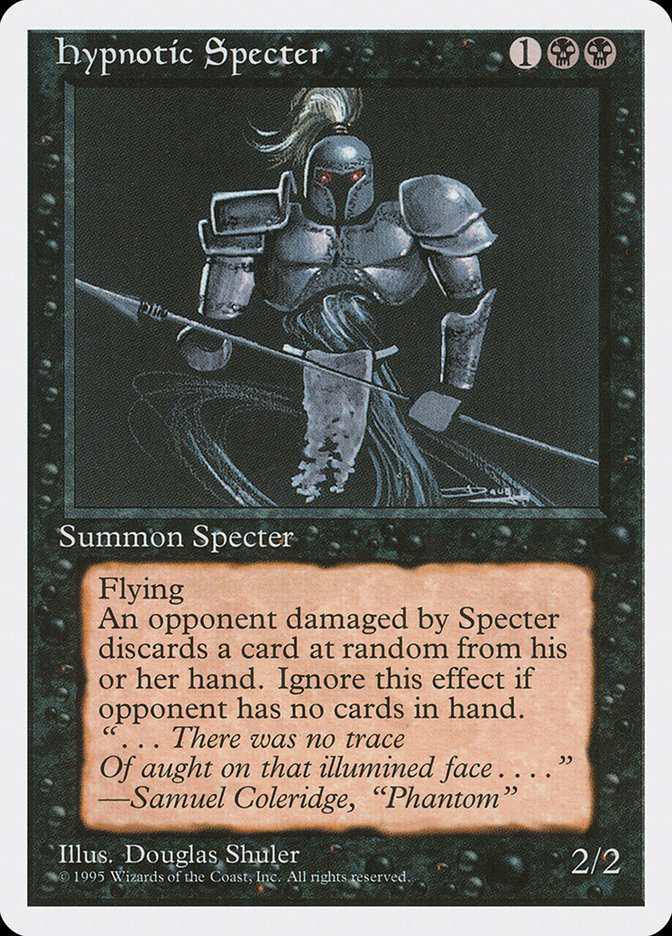
Hypnotic Specter
U—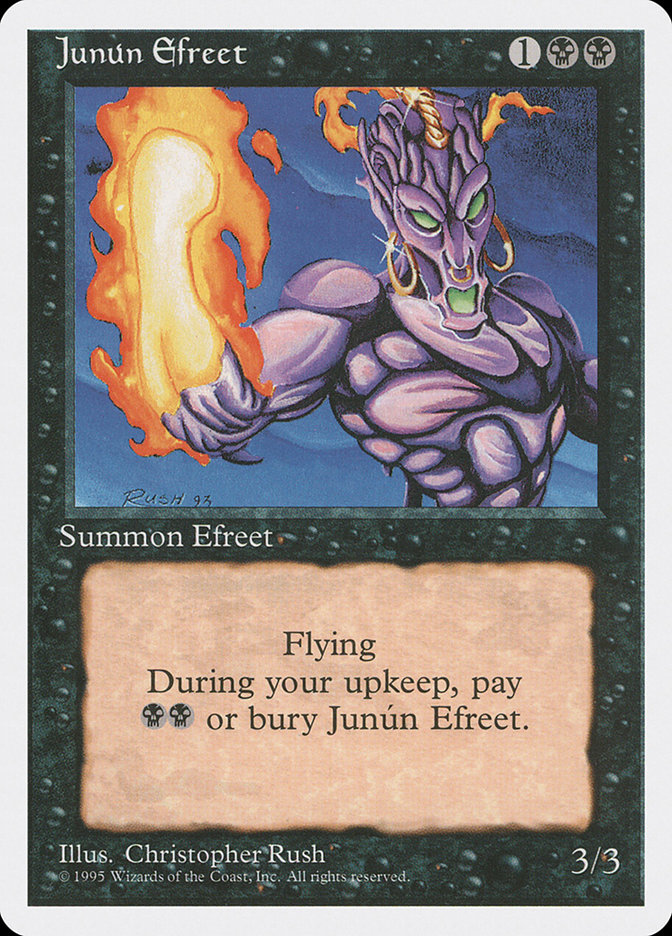
Junun Efreet
U—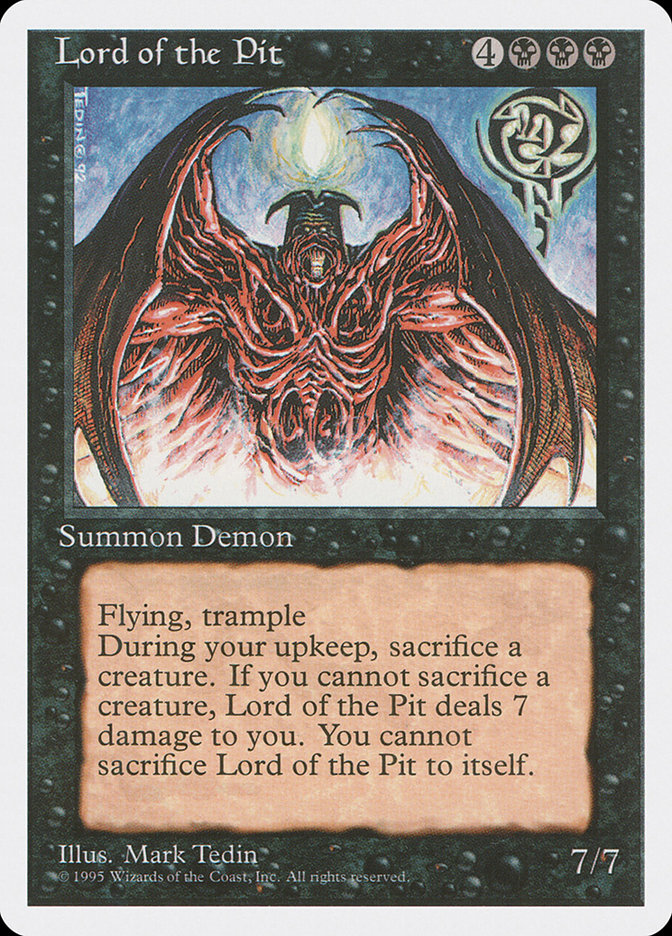
Lord of the Pit
R—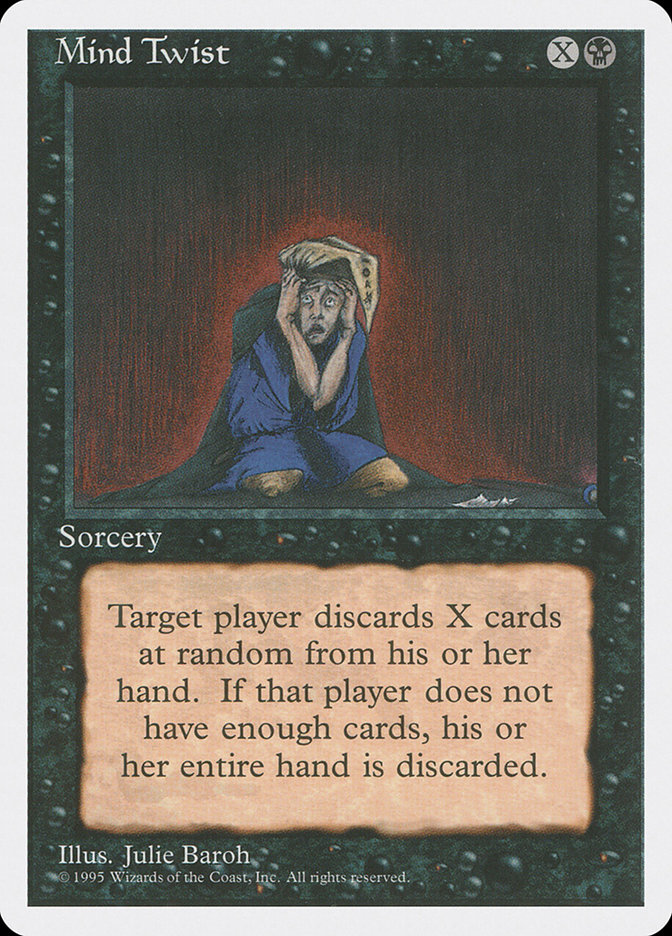
Mind Twist
R—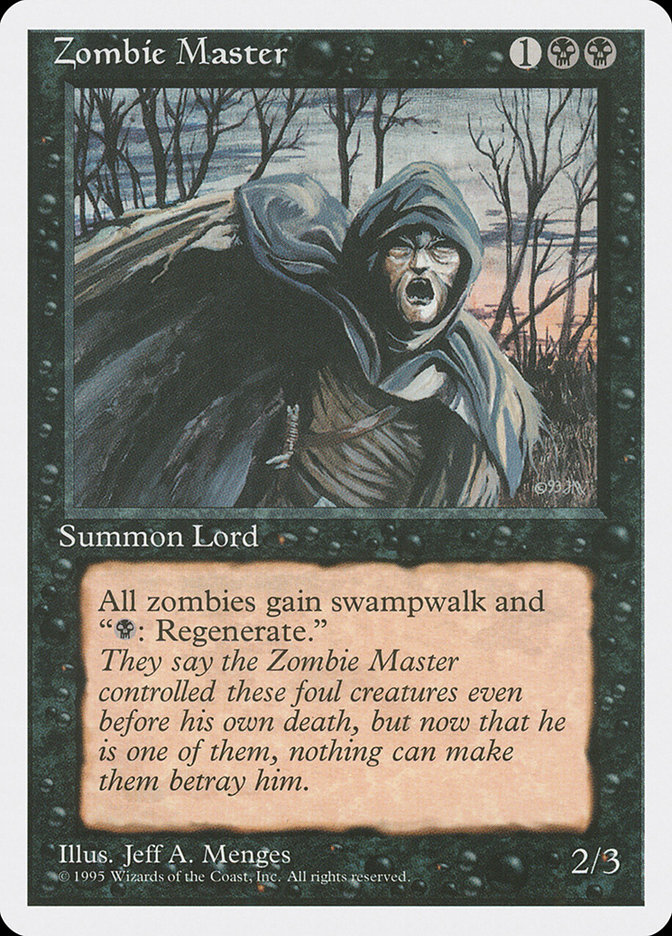
Zombie Master
R—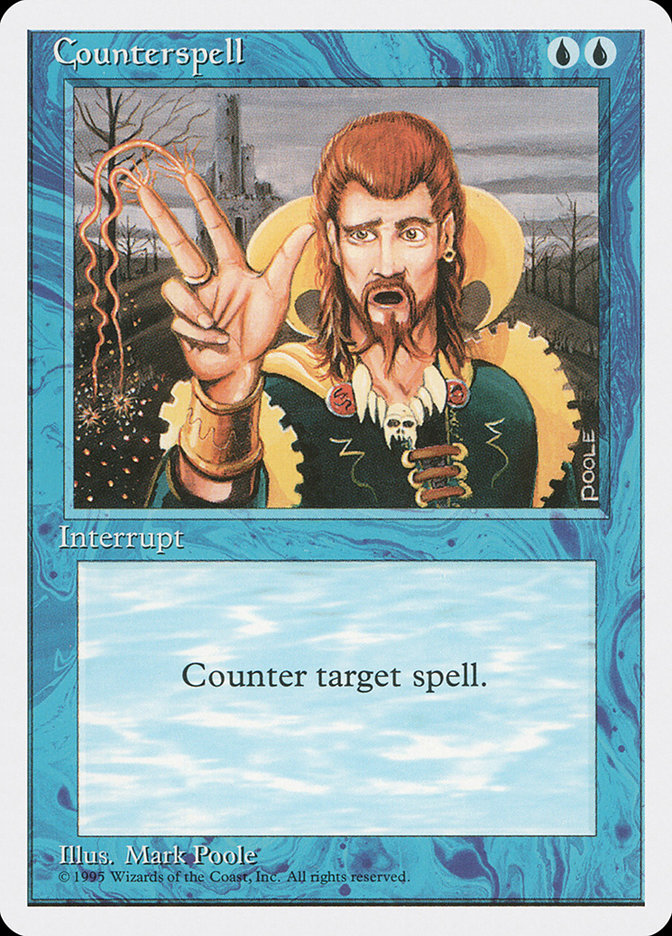
Counterspell
U—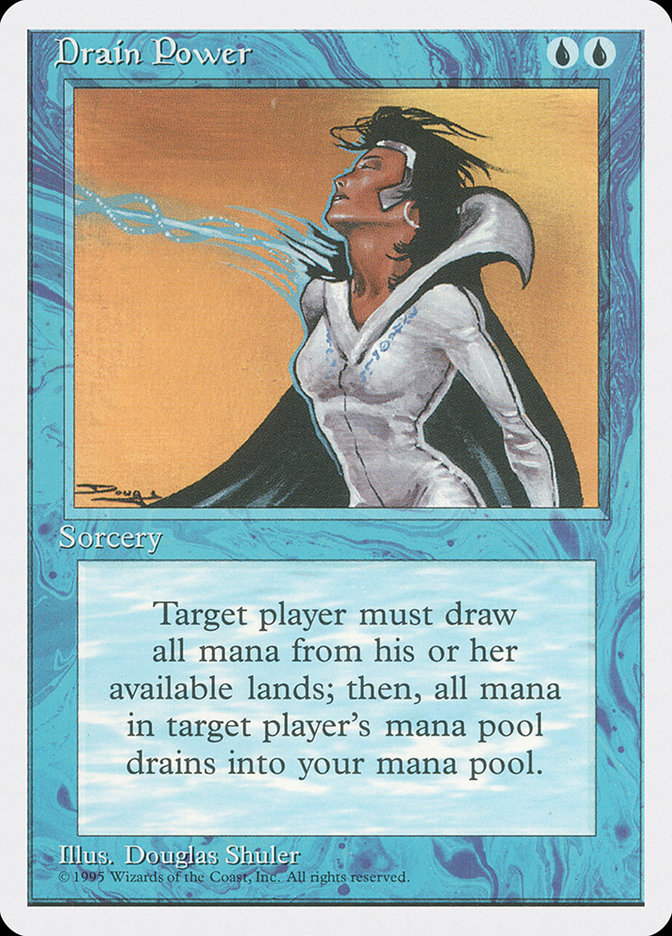
Drain Power
R—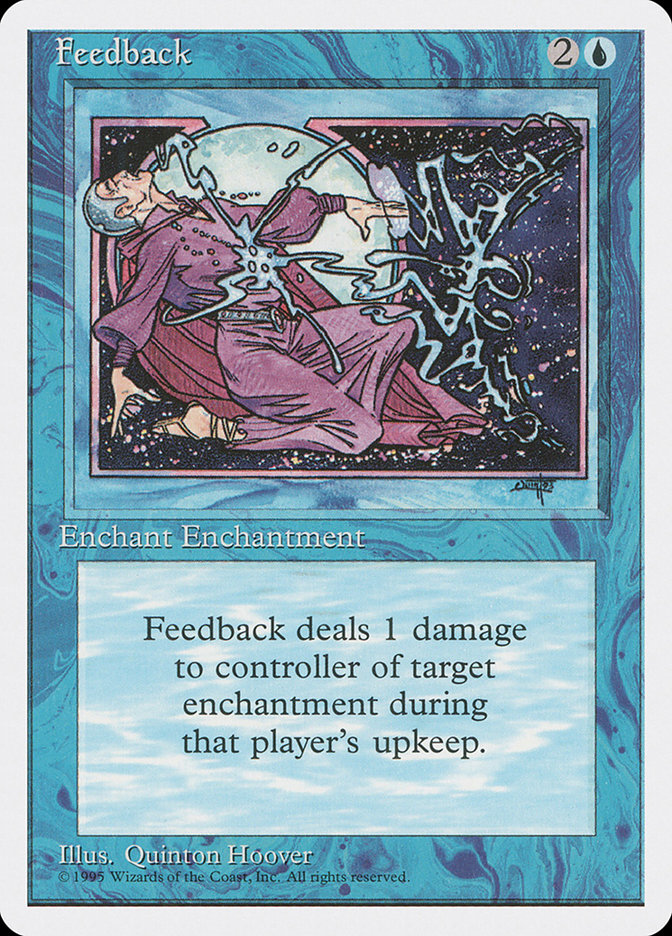
Feedback
U—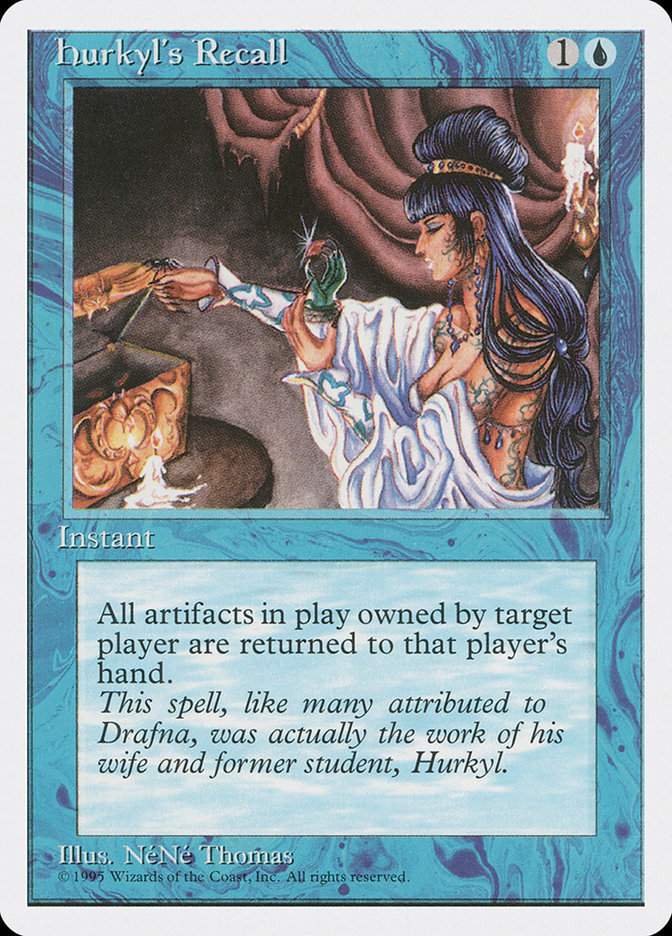
Hurkyl's Recall
R—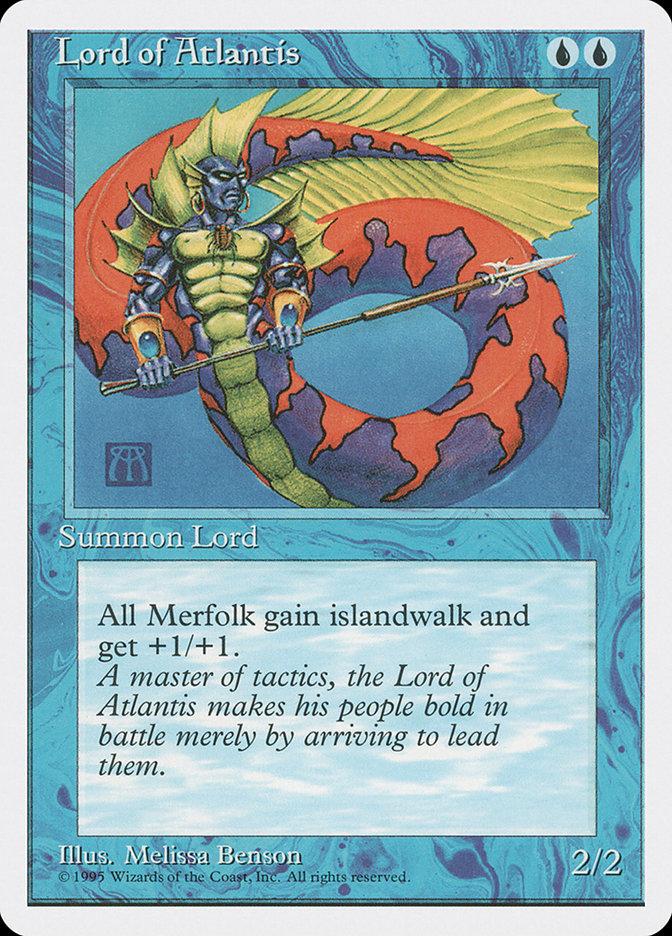
Lord of Atlantis
R—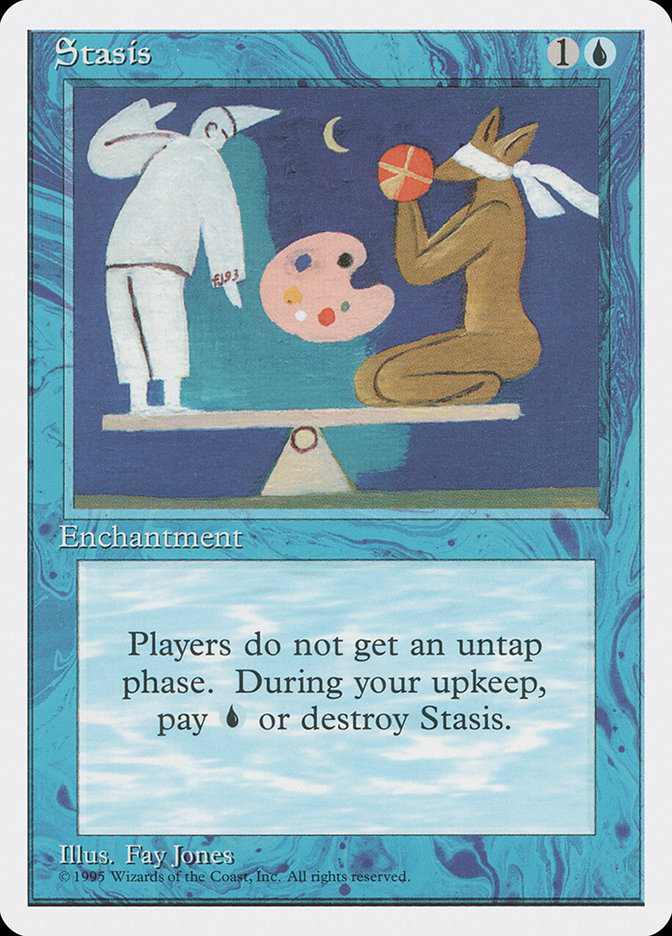
Stasis
R—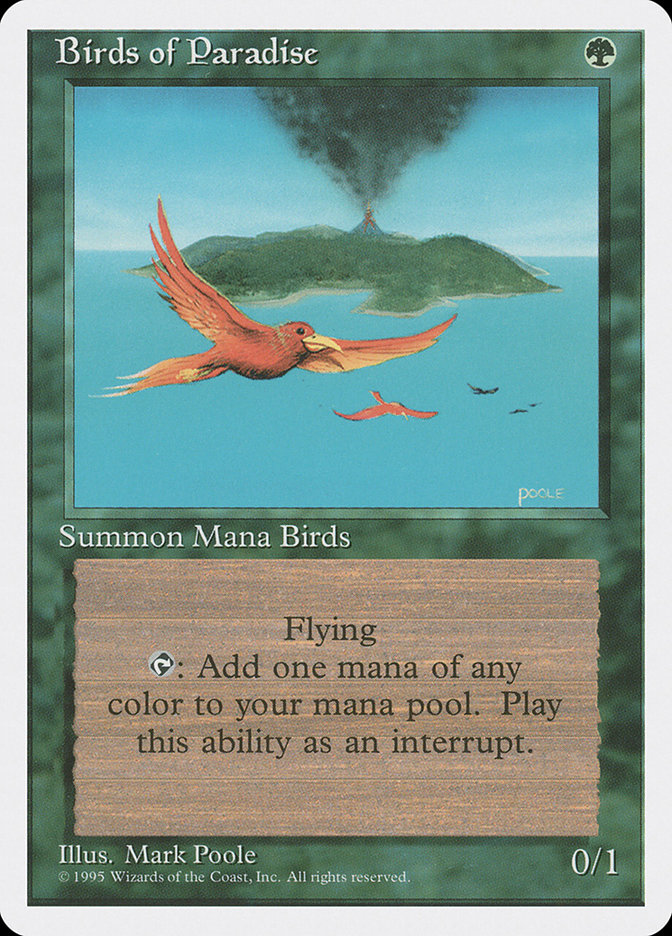
Birds of Paradise
R—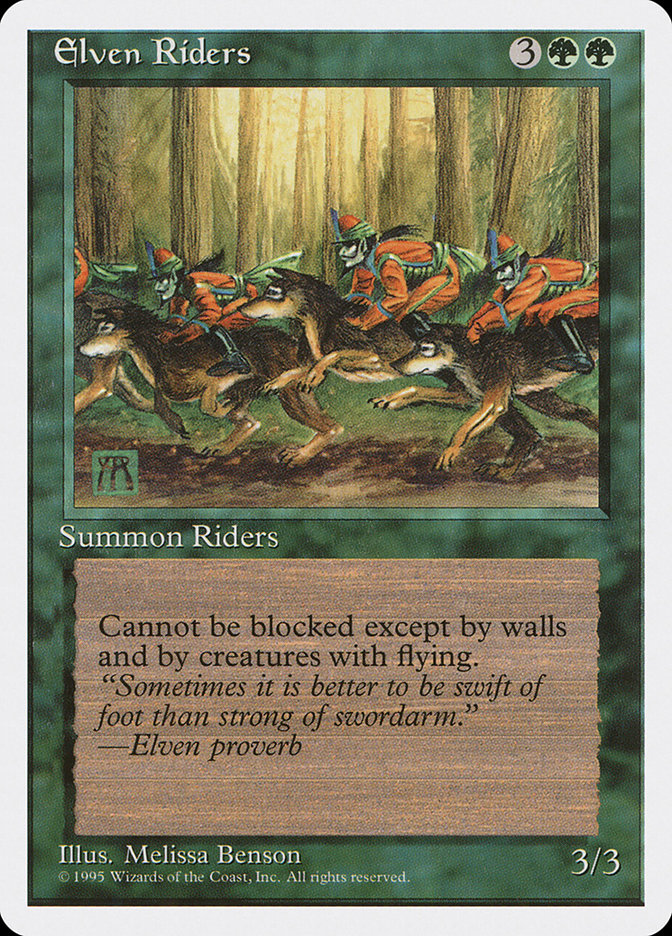
Elven Riders
U—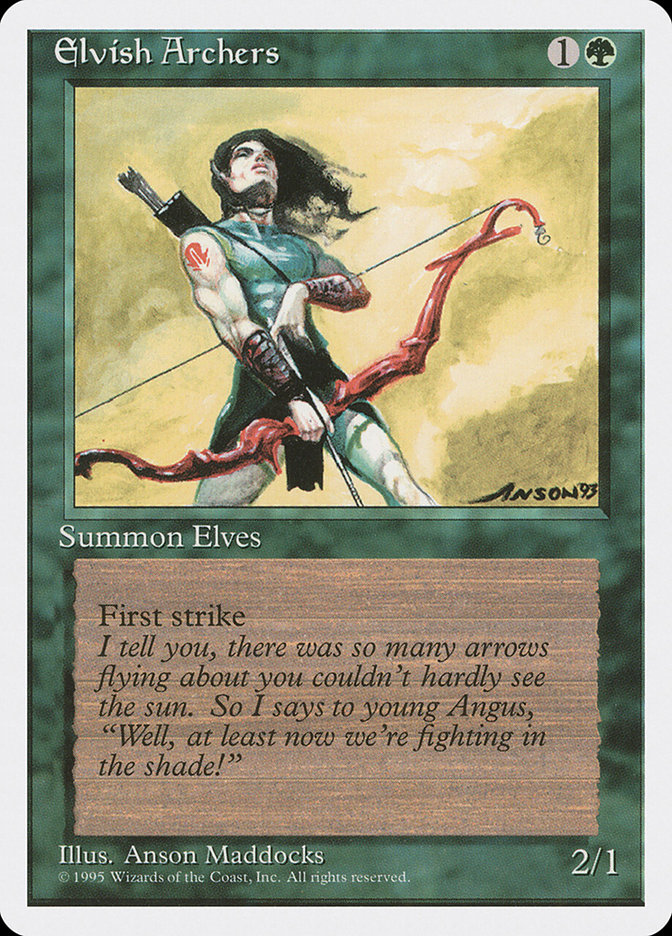
Elvish Archers
R—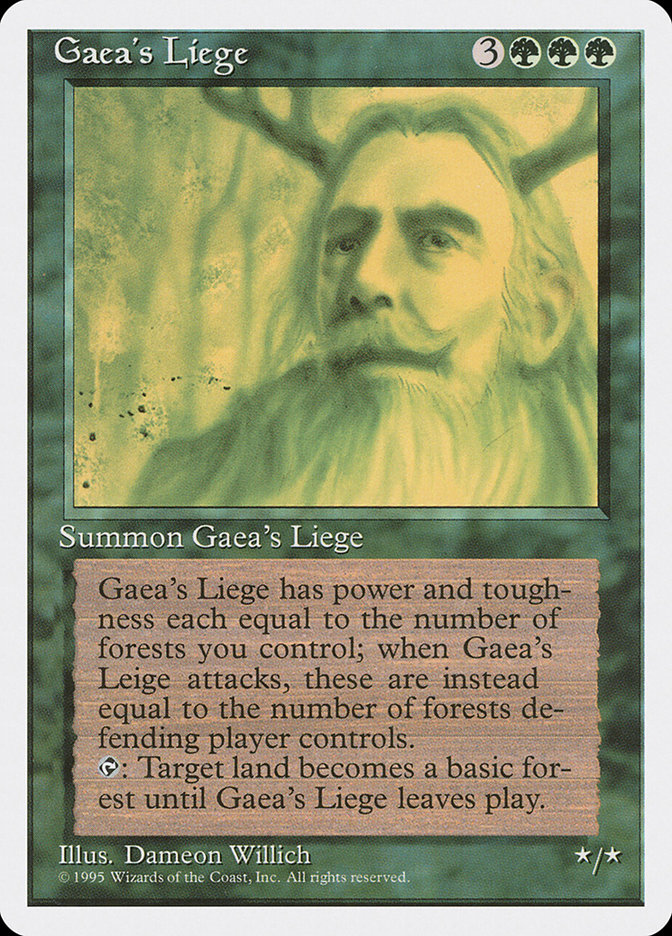
Gaea's Liege
R—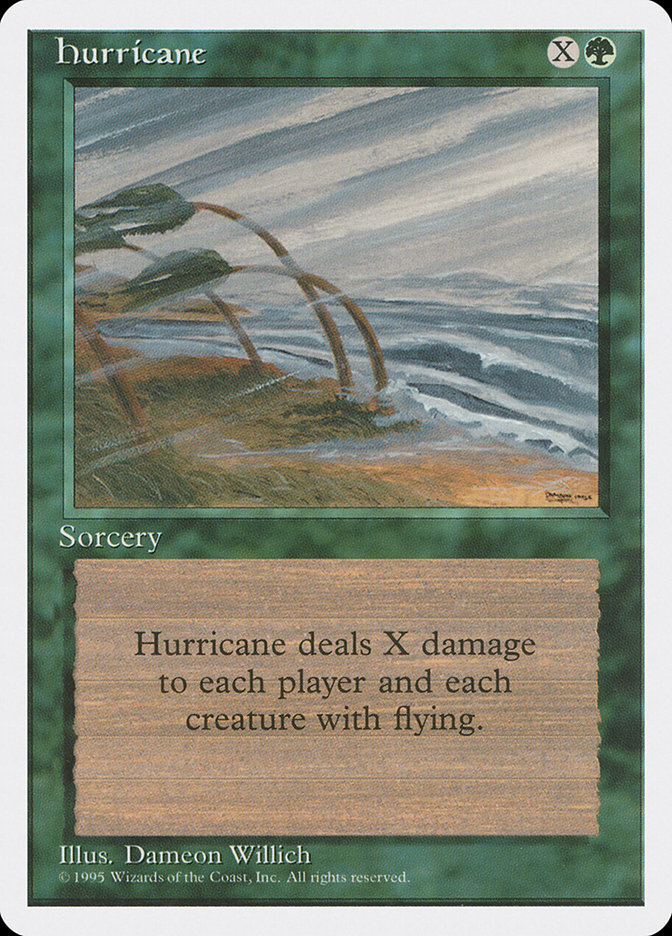
Hurricane
U—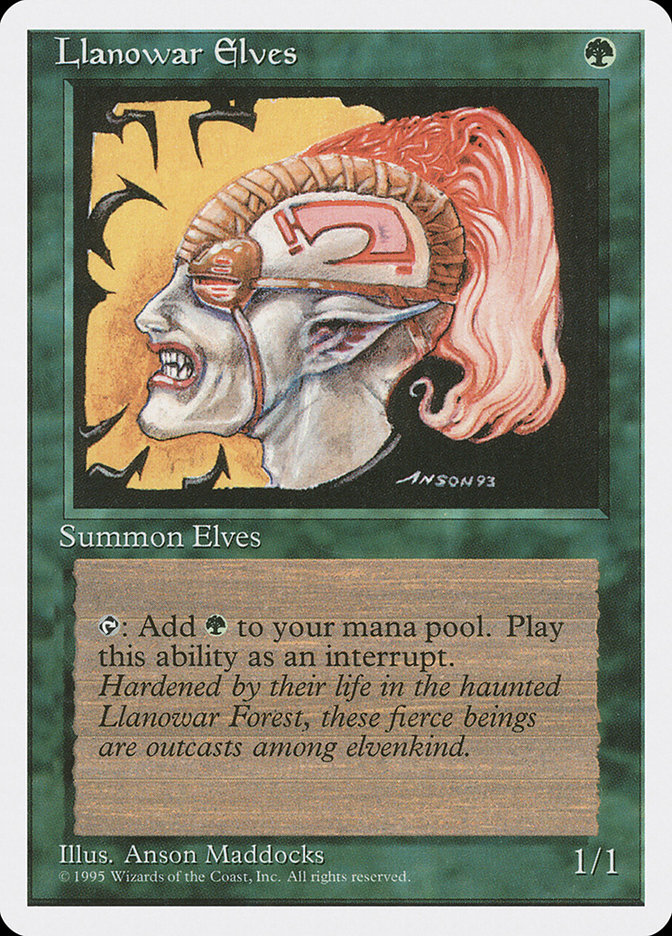
Llanowar Elves
C—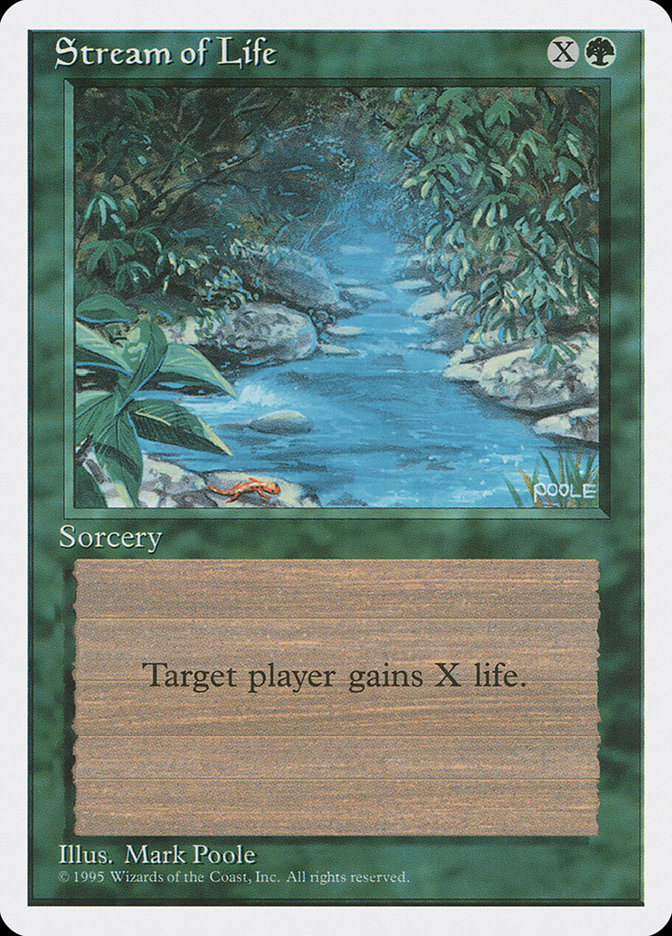
Stream of Life
C—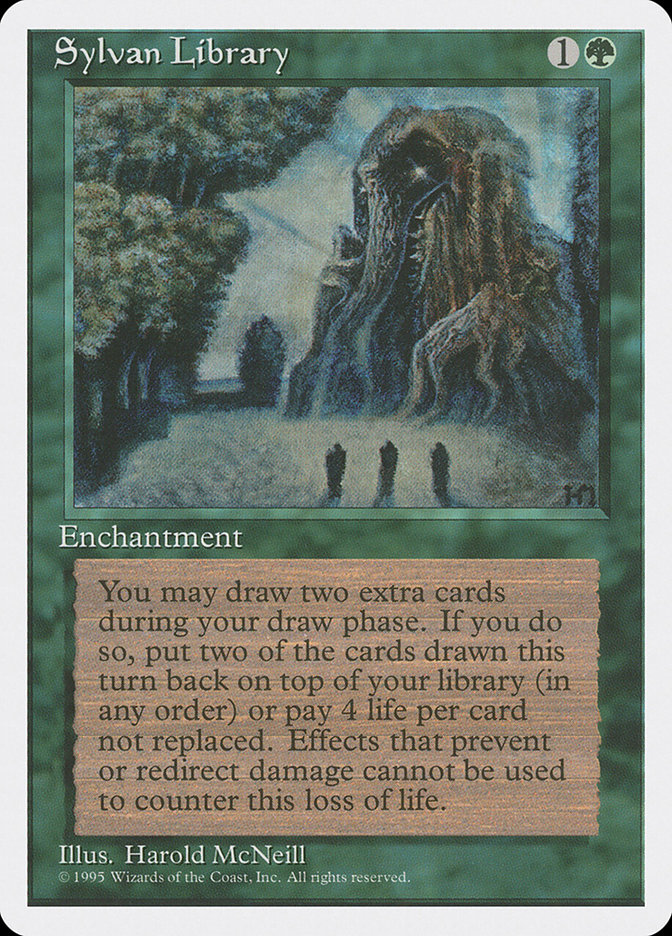
Sylvan Library
R—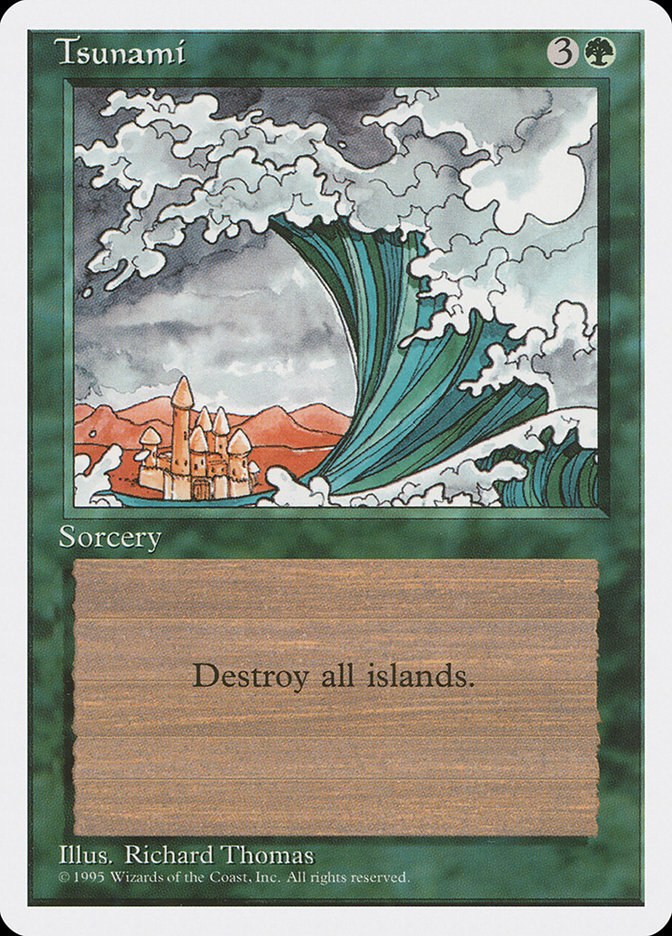
Tsunami
U—
Forest (B)
L—Forest (C)
L—Forest (A)
L—
Island (B)
L—Island (A)
L—Island (C)
L—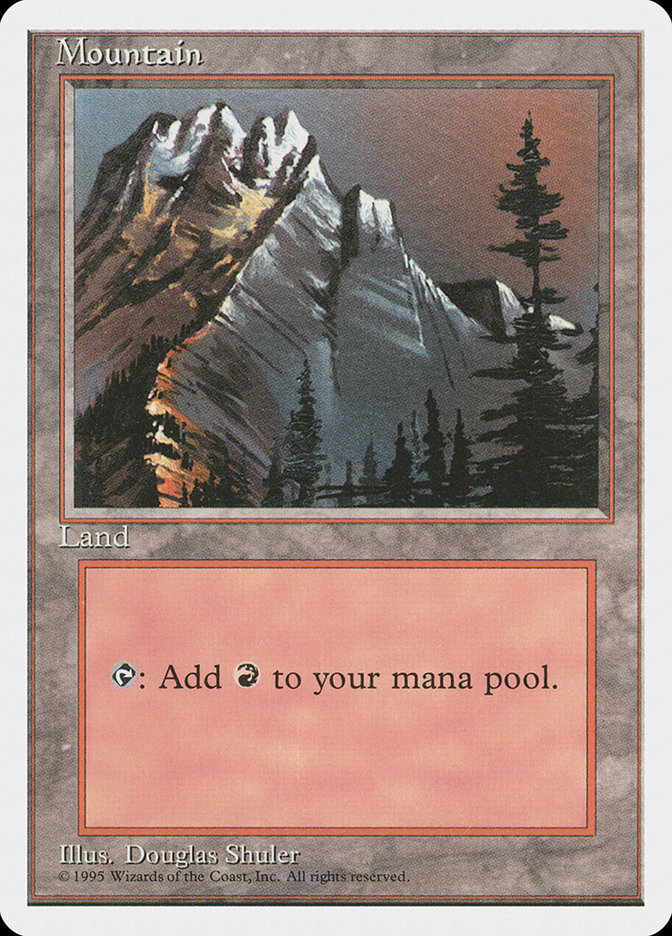
Mountain (C)
L—Mountain (A)
L—Mountain (B)
L—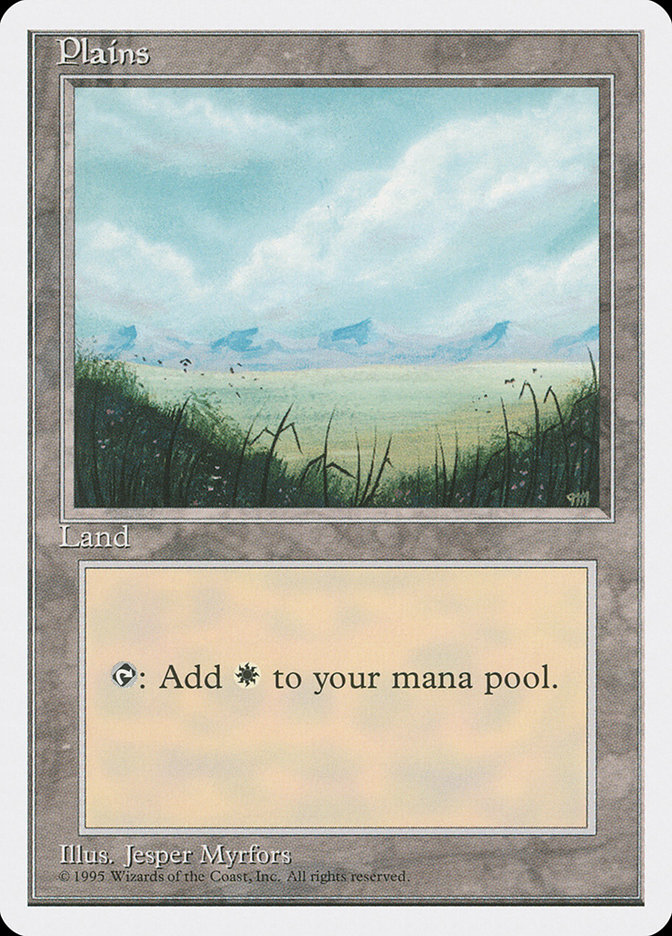
Plains (C)
L—Plains (B)
L—Plains (A)
L—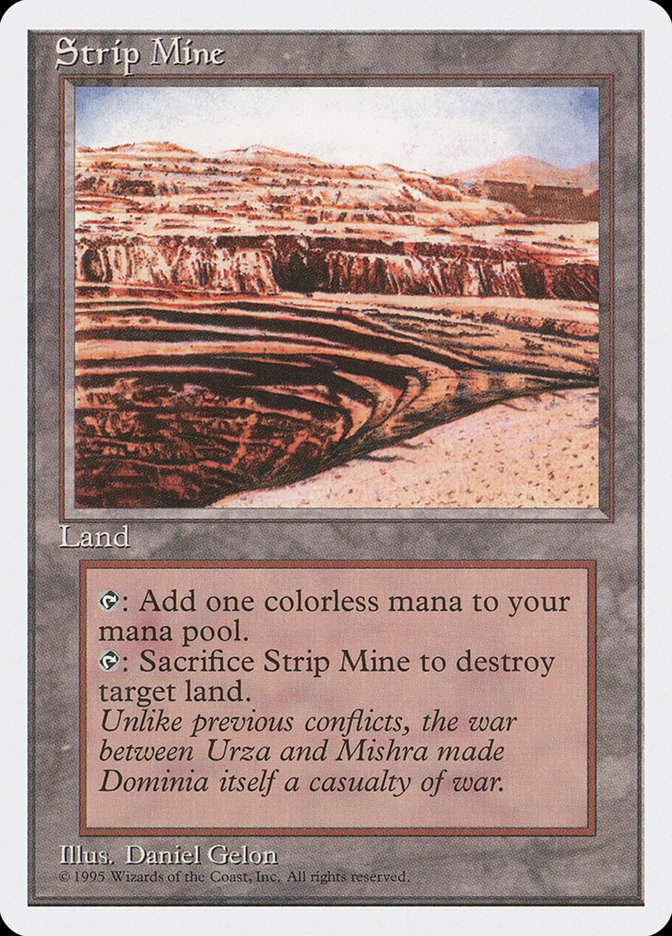
Strip Mine
U—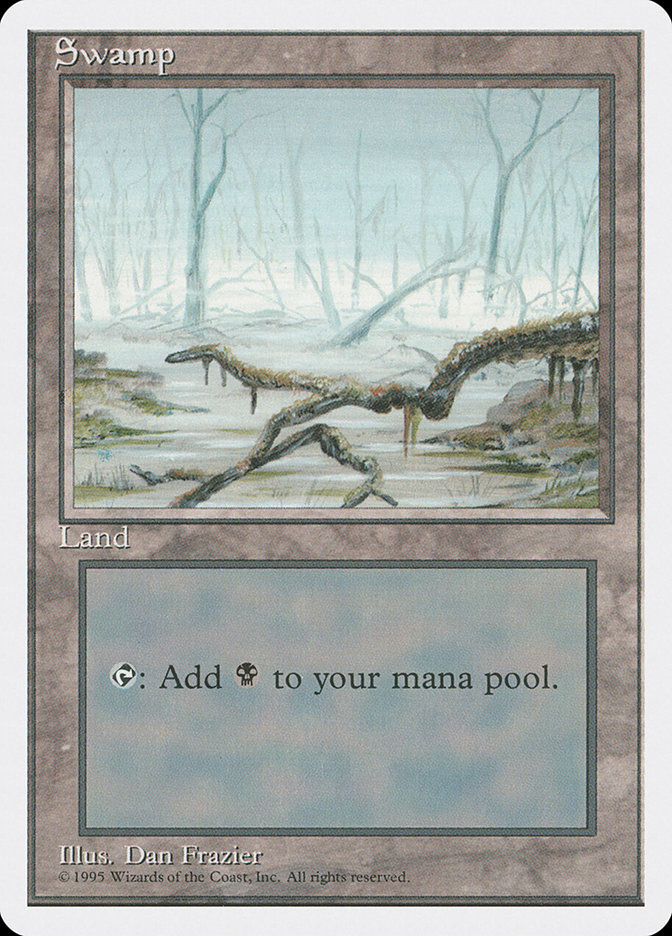
Swamp (B)
L—
In the set
376 singles tracked
- U121 · 32%
- C120 · 32%
- R120 · 32%
- L15 · 4%
How to read the set index
- What is the typical single?
- The median fair value of the set's Near Mint English singles — the price in the middle, so one chase card can't drag it up. Fair value comes from real sales only; the marketplace's Market Price is shown on card pages but never counted.
- What does the index line show?
- The Set Value Index: one Near Mint copy of every printing at fair value, compared week to week on the same printings, so it moves with the set's value — the chase cards most. It starts at 100; the 90-day figure is that line over the last quarter. Beside it, the typical card (every card counted the same, chases left out) and the chases on their own.
- How is popularity scored?
- Out of 100, against the rest of the game: how much the set's cards sell for, how many of them sell each week, how many cards it holds and how its index has moved. It ranks sets; it isn't a price.