


LEB · Magic: The Gathering
Beta Edition
292 cards, led by Mox Ruby at $7,178.50.
Released Oct 4, 1993
Set index · LEB
103.42
+3.42 (+3.42%)1Y
- 1W
- +0.13%
- 1M
- +6.24%
- 1Y
- +3.42%
52W low 97.34high 103.42


The 5 most valuable · $2,661.46 – $7,178.50
- Cards
- 292
- Priced printings
- 292
- Sales a week
- 38
- Typical single, Near Mint
- $39.99
- Popularity
- 82/100
- Standing
- #29
The index
A score that starts at 100 and moves with the set's fair value, compared on the same printings week to week.
One Near Mint copy of every printing at fair value; the chase cards move it most.
Master set value
one of every printing · fair value · Nov 11, 2026
- NM
- $59,683.85
- 292 of 292 priced · 70% from sales
- LP
- $45,841.75
- 292 of 292 priced · 77% from sales
- MP
- $35,859.92
- 292 of 292 priced · 84% from sales
- HP
- $28,194.27
- 292 of 292 priced · 78% from sales
- DMG
- $23,066.05
- 292 of 292 priced · 70% from sales
Near Mint was $48,631.21 on Aug 30, 2026 (+22.7%). Totals move when printings are added or first priced; the index above doesn't.
Sealed
Every way Beta Edition was sold, priced.
3 products
Starter Deck
Beta Edition Starter Deck
- Market Price
- —
- MSRP
- $7.95*
What's inside
InsideReported
- 1×LEB 'starter' pack (random cards; MTGJSON booster type 'starter')
- 1×Beta starter rulebook
* Standard MSRP for that product type, or a bundle's count × that price.
Cards
292 of 301 valued in Near Mint

Mox Ruby
R$7,178.50
Tropical Island
R$3,380.70
Taiga
R$3,062.45
Time Walk
R$3,021.25
Bayou
R$2,661.46
Scrubland
R$2,050.23
Gauntlet of Might
R$1,393.54
Wrath of God
R$1,321.36
Copy Artifact
R$1,294.49
Jayemdae Tome
R$1,276.59
Mind Twist
R$1,169.52
Armageddon
R$1,031.28
Birds of Paradise
R$954.15
Sol Ring
U$814.15
Counterspell
U$796.24
Winter Orb
R$764.44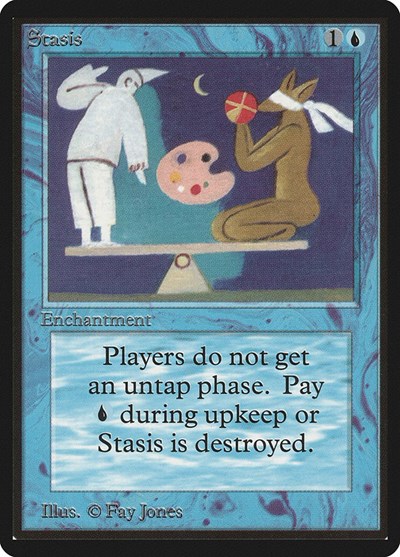
Stasis
R$724.69
Swords to Plowshares
U$682.20
Demonic Tutor
U$592.20
Sedge Troll
R$558.29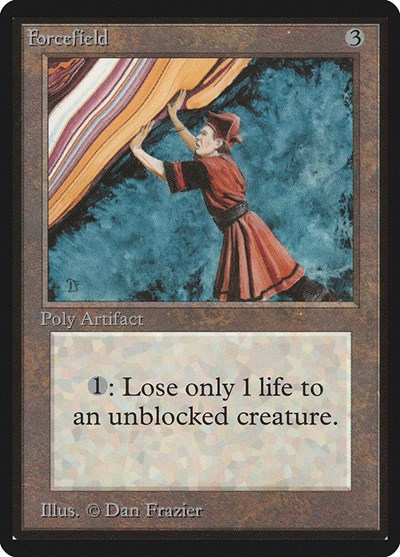
Forcefield
R$554.98
Wheel of Fortune
R$538.43
Royal Assassin
R$534.64
Earthquake
R$530.83
Underground Sea
R$455.23
Volcanic Island
R$454.61
Mana Vault
R$450.07
Hypnotic Specter
U$444.27
Mana Flare
R$444.04
Goblin King
R$416.88
Lord of the Pit
R$415.36
Fork
R$414.41
Natural Selection
R$413.93
Icy Manipulator
U$404.89
Will-o'-the-Wisp
R$402.69
Serra Angel
U$398.80
Lightning Bolt
C$387.94
Animate Dead
U$382.54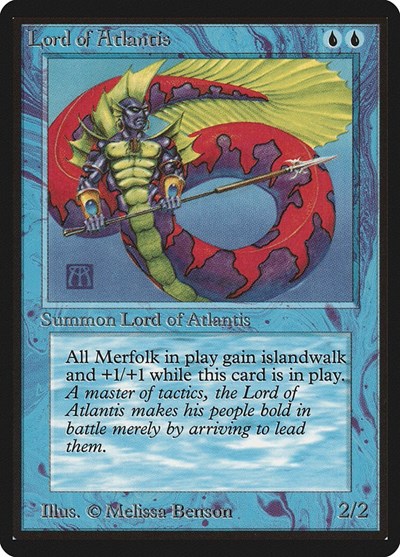
Lord of Atlantis
R$364.06
Plateau
R$361.79
In the set
301 singles tracked
- R116 · 39%
- U95 · 32%
- C75 · 25%
- L15 · 5%
How to read the set index
- What is the typical single?
- The median fair value of the set's Near Mint English singles — the price in the middle, so one chase card can't drag it up. Fair value comes from real sales only; the marketplace's Market Price is shown on card pages but never counted.
- What does the index line show?
- The Set Value Index: one Near Mint copy of every printing at fair value, compared week to week on the same printings, so it moves with the set's value — the chase cards most. It starts at 100; the 90-day figure is that line over the last quarter. Beside it, the typical card (every card counted the same, chases left out) and the chases on their own.
- How is popularity scored?
- Out of 100, against the rest of the game: how much the set's cards sell for, how many of them sell each week, how many cards it holds and how its index has moved. It ranks sets; it isn't a price.