


S99 · Magic: The Gathering
Starter 1999
173 cards, led by Grim Tutor at $114.49.
Released Jul 1, 1999
Set index · S99
83.61
−16.39 (−16.39%)1Y
- 1W
- +3.66%
- 1M
- −9.37%
- 1Y
- −16.39%
52W low 80.66high 100.06


The 5 most valuable · $17.58 – $114.49
- Cards
- 173
- Priced printings
- 173
- Sales a week
- 23
- Typical single, Near Mint
- $0.43
- Popularity
- 34/100
- Standing
- #340
The index
A score that starts at 100 and moves with the set's fair value, compared on the same printings week to week.
One Near Mint copy of every printing at fair value; the chase cards move it most.
Master set value
one of every printing · fair value · Nov 10, 2026
- NM
- $429.74
- 173 of 173 priced · 99% from sales
- LP
- $314.17
- 173 of 173 priced · 100% from sales
- MP
- $274.53
- 173 of 173 priced · 100% from sales
- HP
- $225.09
- 173 of 173 priced · 88% from sales
- DMG
- $201.74
- 173 of 173 priced · 54% from sales
Near Mint was $523.98 on Aug 30, 2026 (-18.0%). Totals move when printings are added or first priced; the index above doesn't.
Sealed
Every way Starter 1999 was sold, priced.
8 products
Preconstructed Deck
Theme Deck - Blinding Fury
- Market Price
- —
- MSRP
- —
What's inside
InsideReported
- 1×Theme Deck: Blinding Fury (40 cards)
Preconstructed Deck
Theme Deck - Deadly Instinct
- Market Price
- —
- MSRP
- —
What's inside
InsideReported
- 1×Theme Deck: Deadly Instinct (40 cards)
Preconstructed Deck
Theme Deck - Goblin Assault
- Market Price
- —
- MSRP
- —
What's inside
InsideReported
- 1×Theme Deck: Goblin Assault (40 cards)
Preconstructed Deck
Theme Deck - Impaler
- Market Price
- —
- MSRP
- —
What's inside
InsideReported
- 1×Theme Deck: Impaler (40 cards)
Preconstructed Deck
Theme Deck - Time Curse
- Market Price
- —
- MSRP
- —
What's inside
InsideReported
- 1×Theme Deck: Time Curse (40 cards)
Booster Pack
Demo Game Booster Pack
- Market Price
- $41.24
- MSRP
- $2.99*
- Against MSRP
- ▲ 1279% vs MSRP
Other
Starter Game
- Market Price
- —
- MSRP
- —
What's inside
Inside
- 2×40-card preconstructed theme decks
- 1×Angel of Light poster
- 1×play guide with Step-by-step instructions
- 2×playmats
- 2×scorekeeping beads
- 1×Rulebook
* Standard MSRP for that product type, or a bundle's count × that price.
Cards
173 of 173 valued in Near Mint
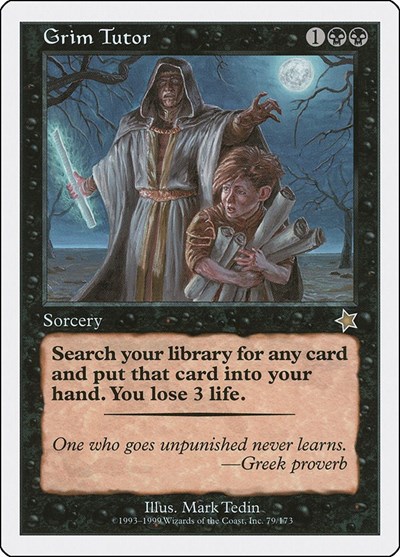
Grim Tutor
R$114.49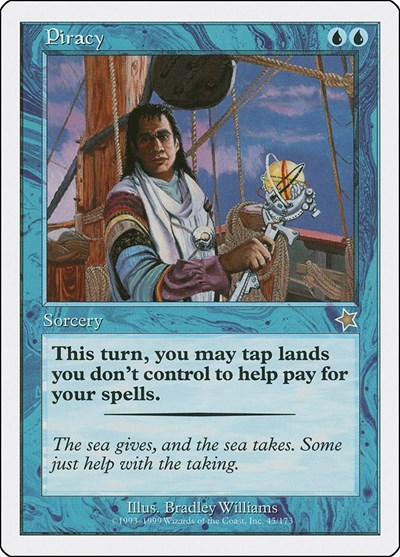
Piracy
R$59.71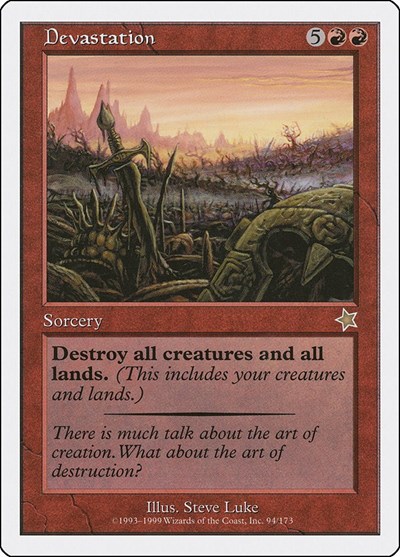
Devastation
R$19.44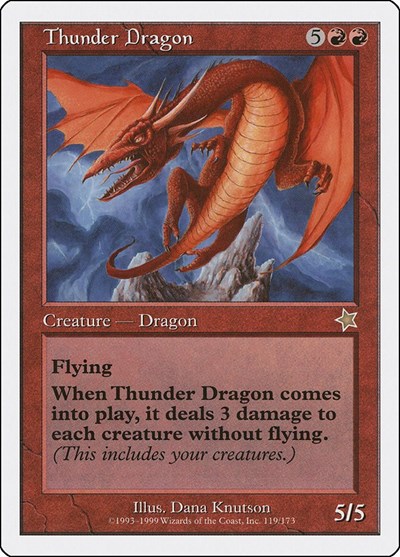
Thunder Dragon
R$18.99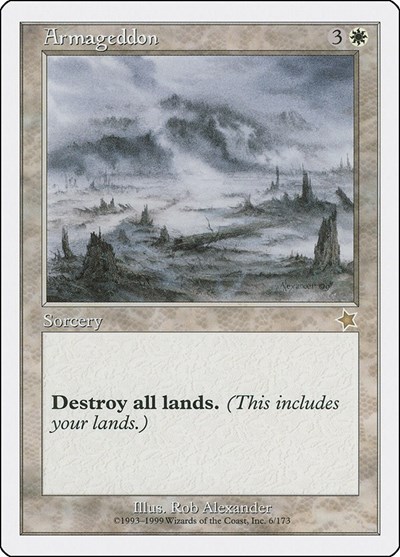
Armageddon
R$17.58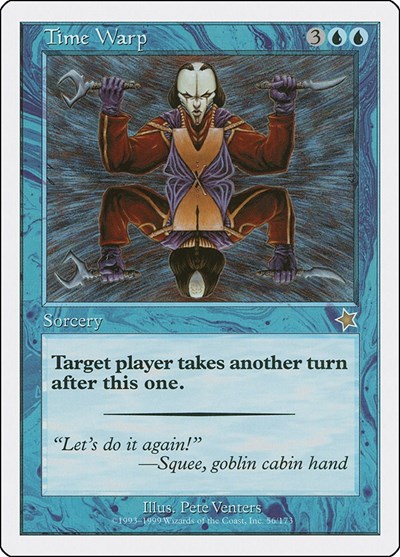
Time Warp
R$12.43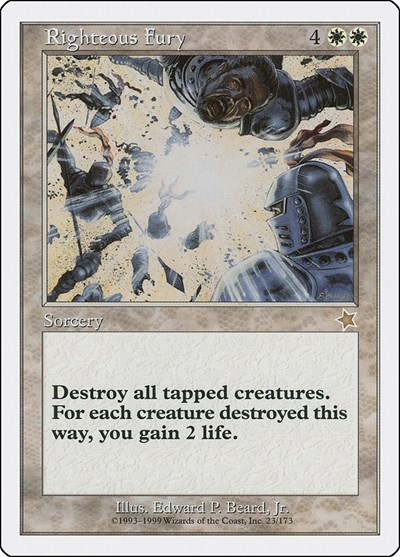
Righteous Fury
R$11.51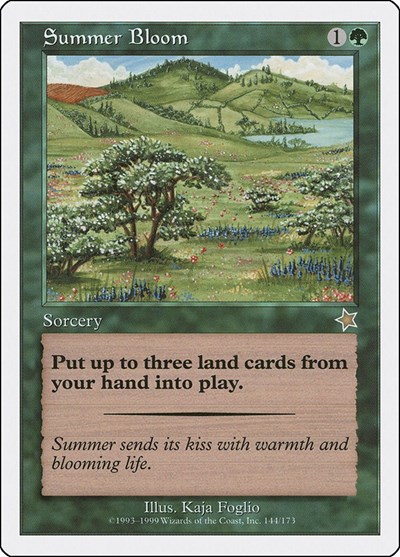
Summer Bloom
R$9.51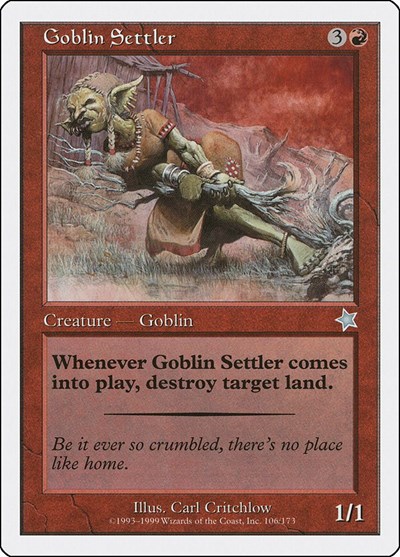
Goblin Settler
U$8.64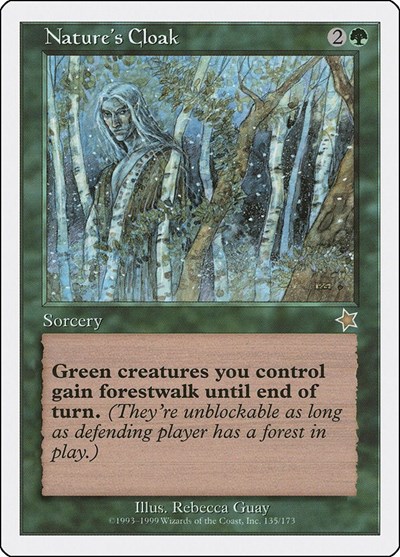
Nature's Cloak
R$8.09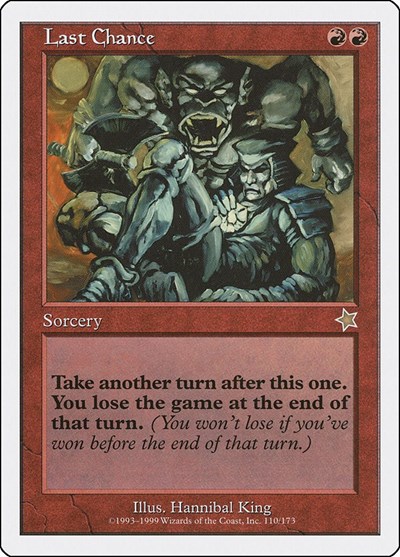
Last Chance
R$7.52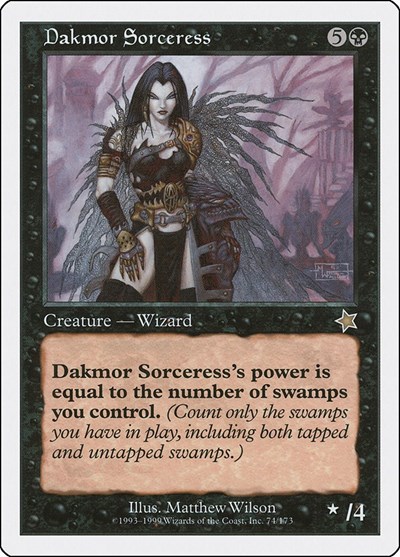
Dakmor Sorceress
R$6.78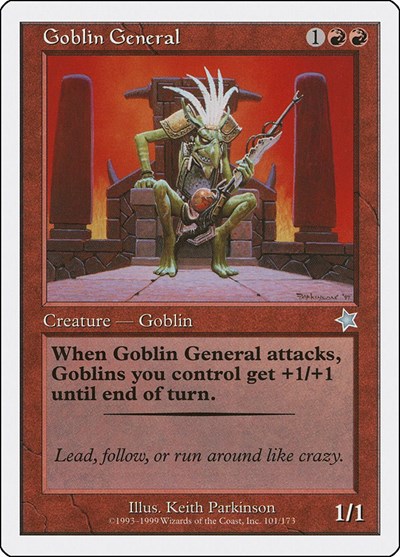
Goblin General
U$5.96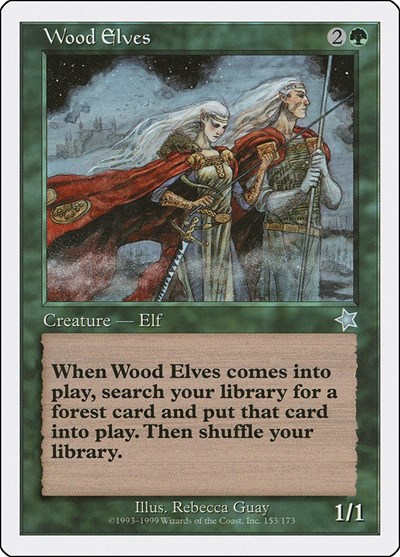
Wood Elves
U$5.93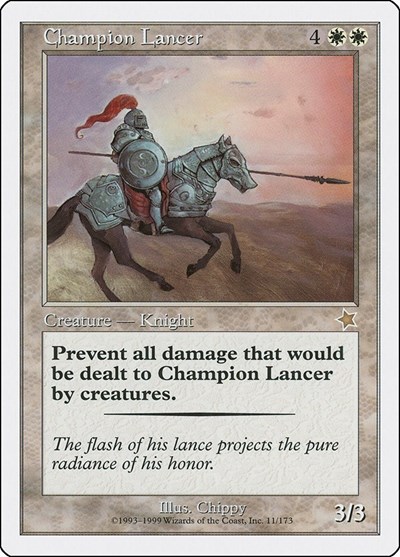
Champion Lancer
R$5.47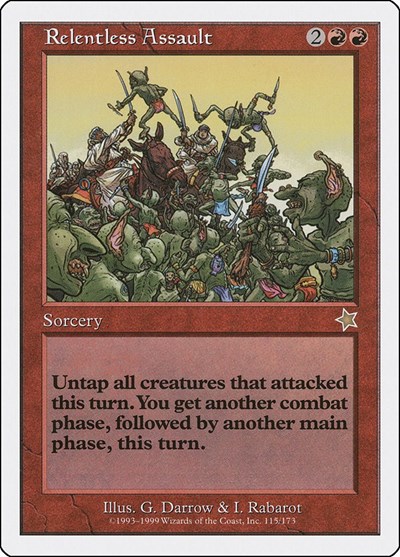
Relentless Assault
R$5.36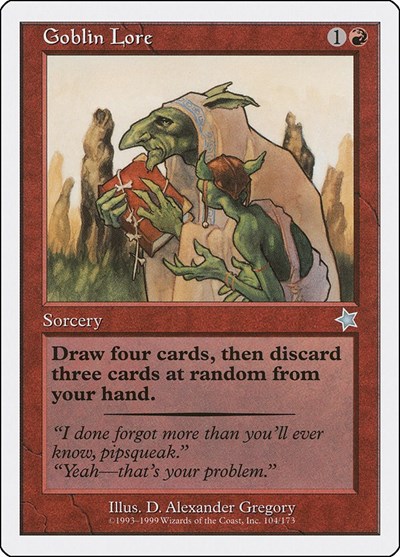
Goblin Lore
U$4.77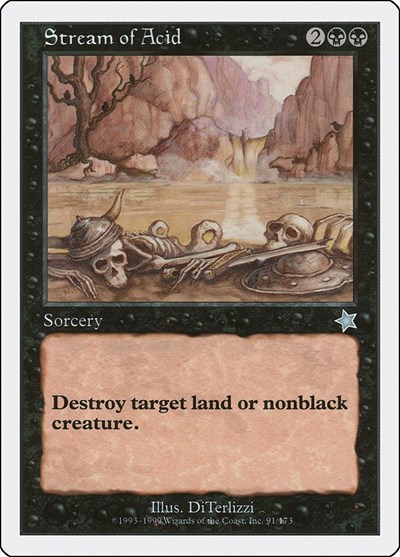
Stream of Acid
U$4.69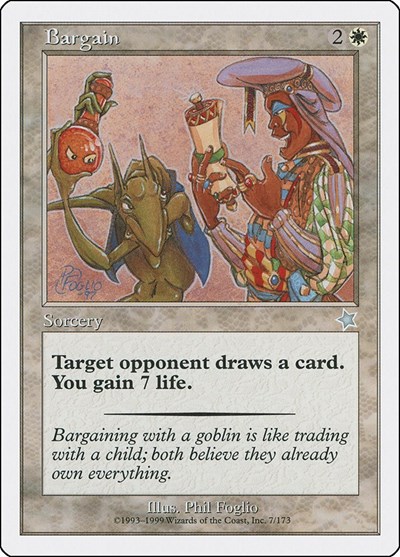
Bargain
U$4.19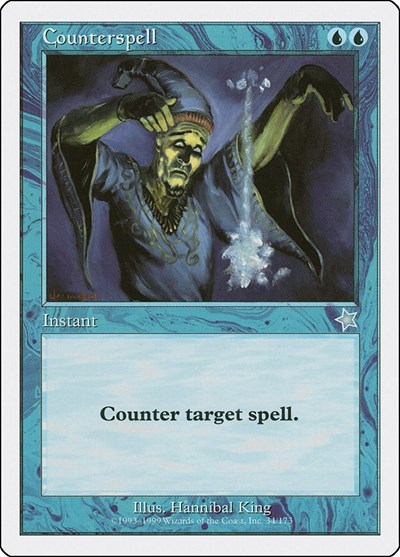
Counterspell
U$3.89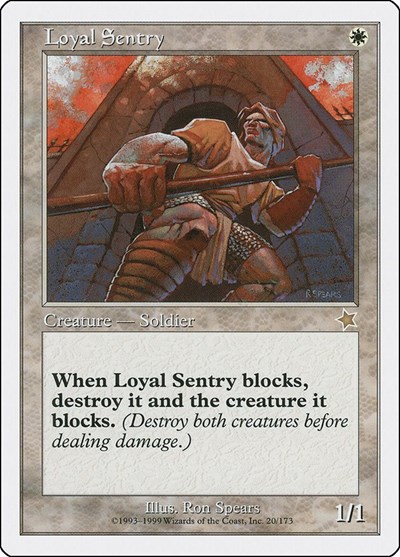
Loyal Sentry
R$3.64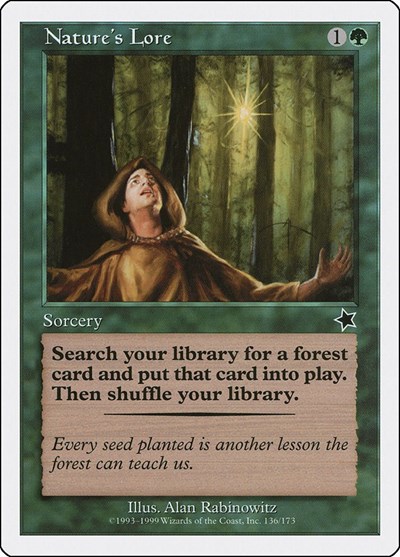
Nature's Lore
C$3.53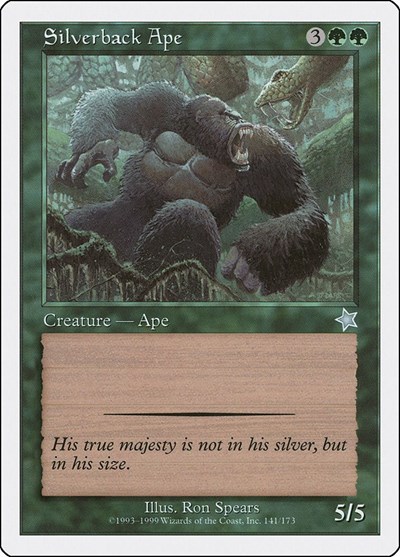
Silverback Ape
U$3.51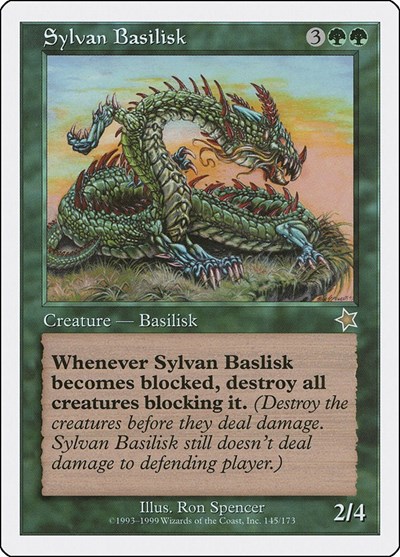
Sylvan Basilisk
R$2.96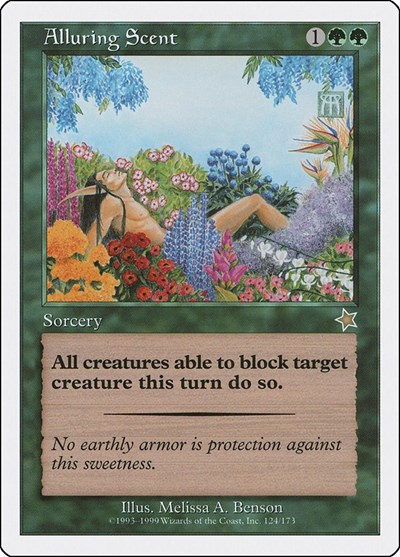
Alluring Scent
R$2.85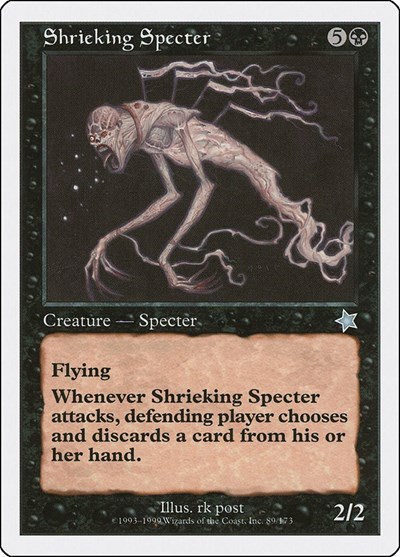
Shrieking Specter
U$2.72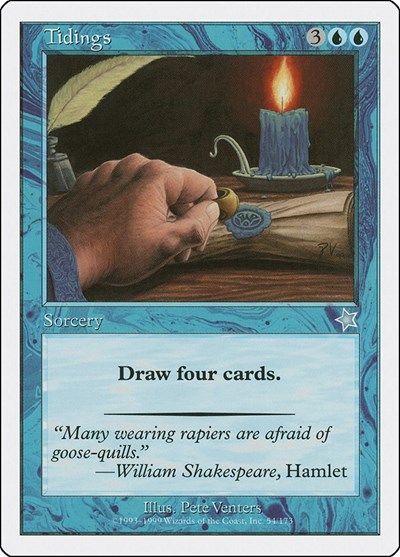
Tidings
U$2.49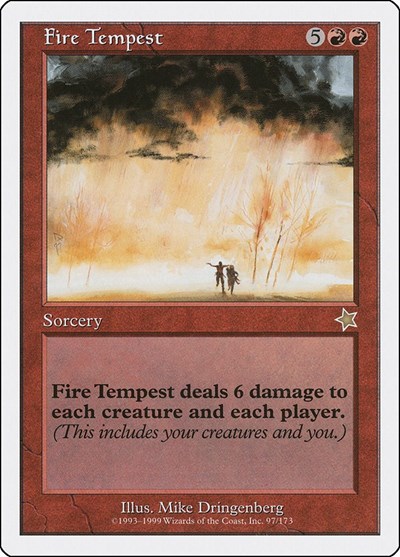
Fire Tempest
R$2.42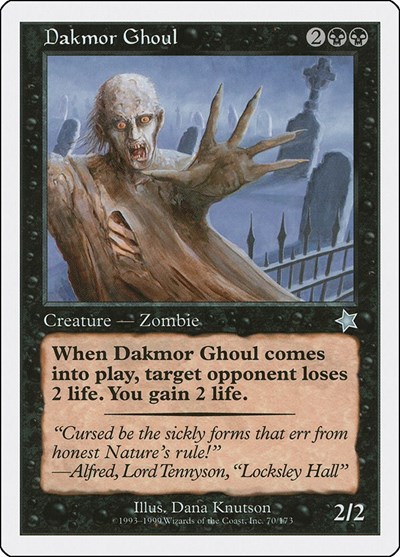
Dakmor Ghoul
U$2.32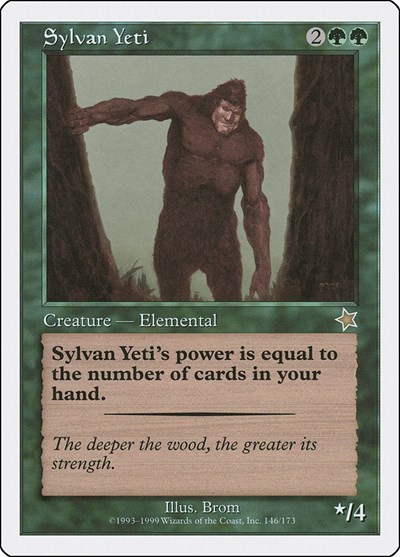
Sylvan Yeti
R$2.15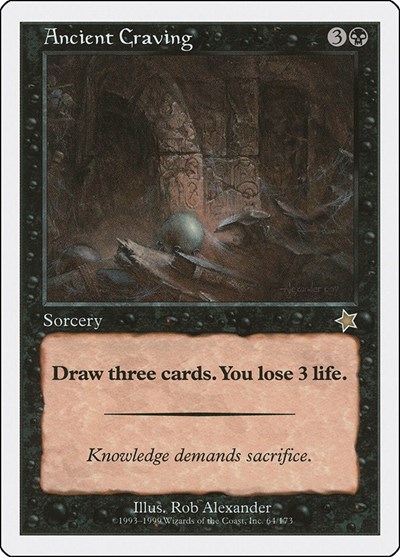
Ancient Craving
R$1.96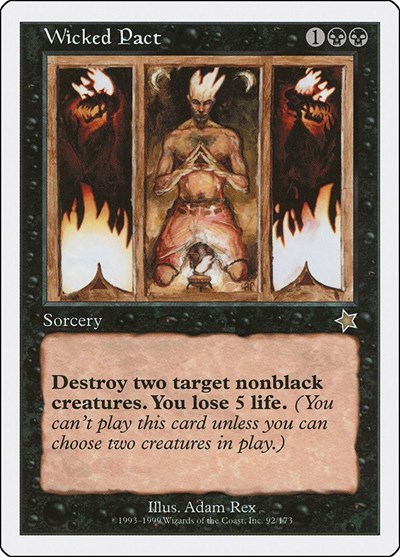
Wicked Pact
R$1.96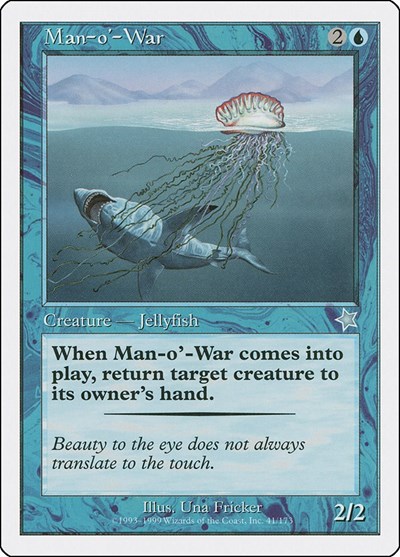
Man-o'-War
U$1.88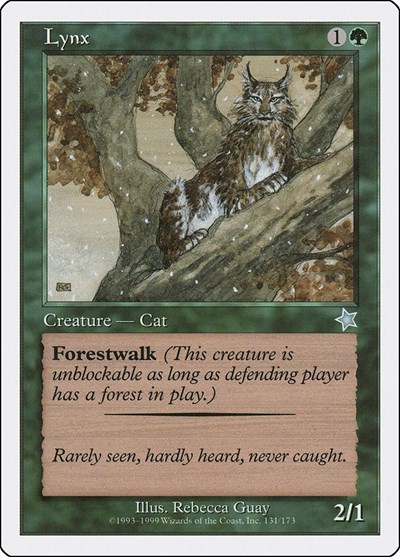
Lynx
U$1.63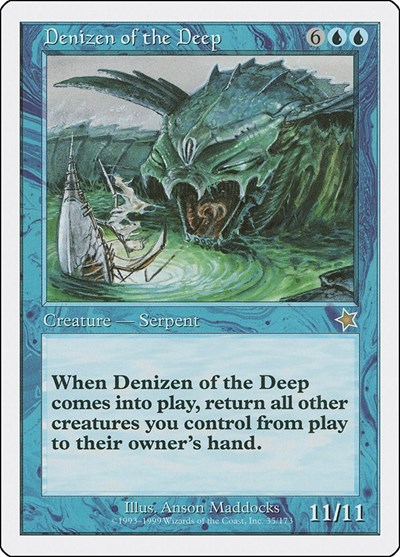
Denizen of the Deep
R$1.58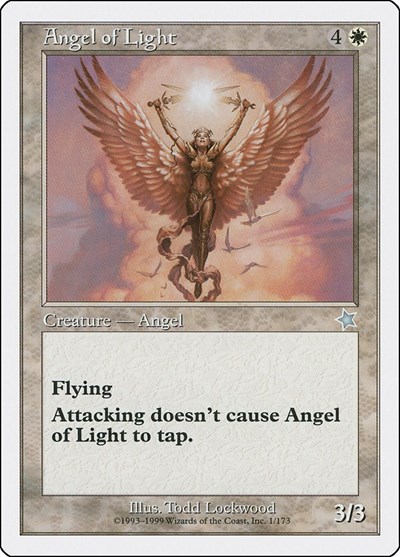
Angel of Light
U$1.54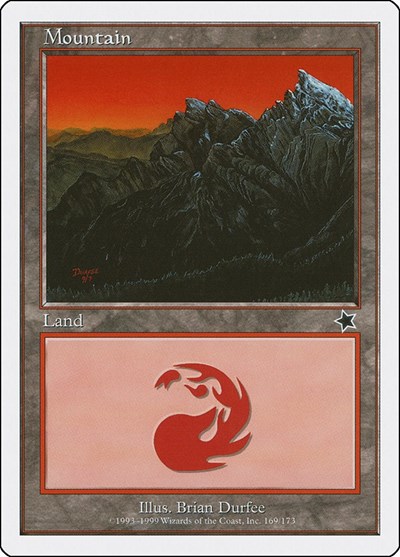
Mountain (169)
L$1.48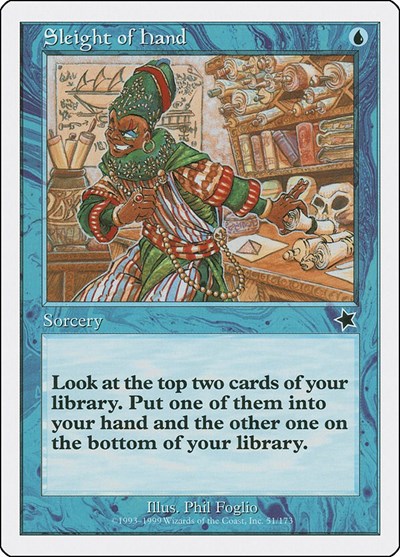
Sleight of Hand
C$1.41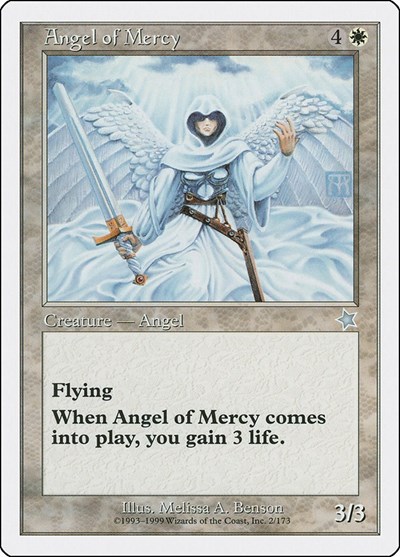
Angel of Mercy
U$1.29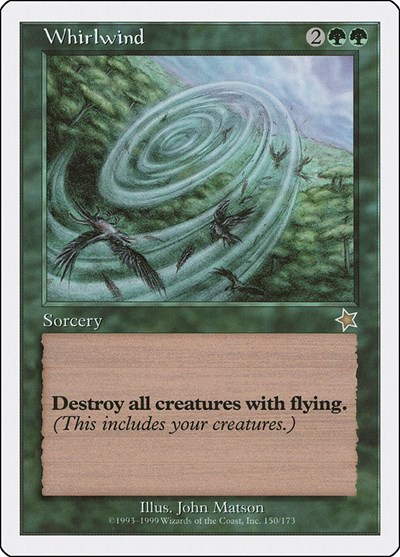
Whirlwind
R$1.19
In the set
173 singles tracked
- C61 · 35%
- U55 · 32%
- R37 · 21%
- L20 · 12%
How to read the set index
- What is the typical single?
- The median fair value of the set's Near Mint English singles — the price in the middle, so one chase card can't drag it up. Fair value comes from real sales only; the marketplace's Market Price is shown on card pages but never counted.
- What does the index line show?
- The Set Value Index: one Near Mint copy of every printing at fair value, compared week to week on the same printings, so it moves with the set's value — the chase cards most. It starts at 100; the 90-day figure is that line over the last quarter. Beside it, the typical card (every card counted the same, chases left out) and the chases on their own.
- How is popularity scored?
- Out of 100, against the rest of the game: how much the set's cards sell for, how many of them sell each week, how many cards it holds and how its index has moved. It ranks sets; it isn't a price.