

PPOTJ · Magic: The Gathering
Promo Pack: Outlaws of Thunder Junction
86 cards, led by Terror of the Peaks at $32.38.
Released Apr 19, 2024
Set index · PPOTJ
88.05
−11.95 (−11.95%)1Y
- 1W
- −0.39%
- 1M
- −6.41%
- 1Y
- −11.95%


The 5 most valuable · $7.02 – $32.38
- Cards
- 86
- Priced printings
- 172
- Sales a week
- 69
- Typical single, Near Mint
- $0.94
- Popularity
- 48/100
- Standing
- #235
The index
A score that starts at 100 and moves with the set's fair value, compared on the same printings week to week.
One Near Mint copy of every printing at fair value; the chase cards move it most.
Master set value
one of every printing · fair value · Nov 10, 2026
- NM
- $553.18
- 172 of 172 priced · 98% from sales
- LP
- $477.84
- 172 of 172 priced · 98% from sales
- MP
- $419.71
- 172 of 172 priced · 80% from sales
- HP
- $369.63
- 172 of 172 priced · 44% from sales
- DMG
- $323.62
- 172 of 172 priced · 9% from sales
Near Mint was $612.21 on Aug 30, 2026 (-9.6%). Totals move when printings are added or first priced; the index above doesn't.
Cards
86 of 86 valued in Near Mint
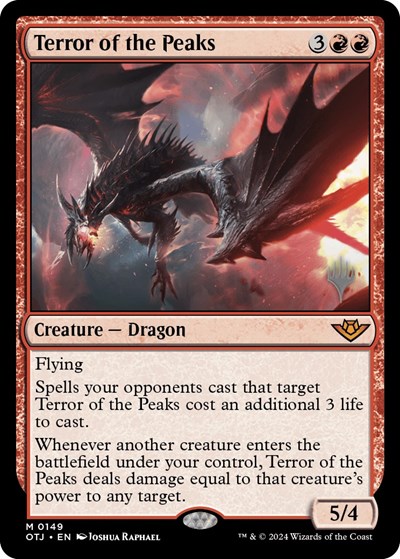
Terror of the Peaks
M$32.38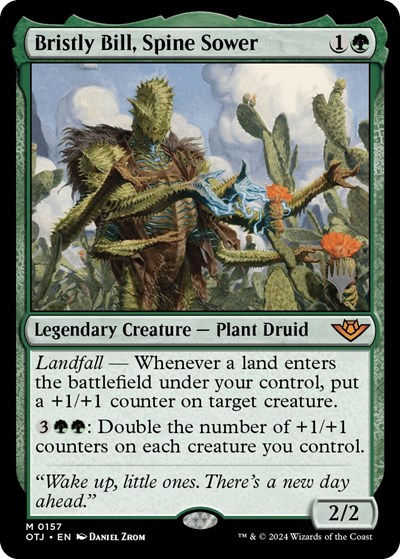
Bristly Bill, Spine Sower
M$29.20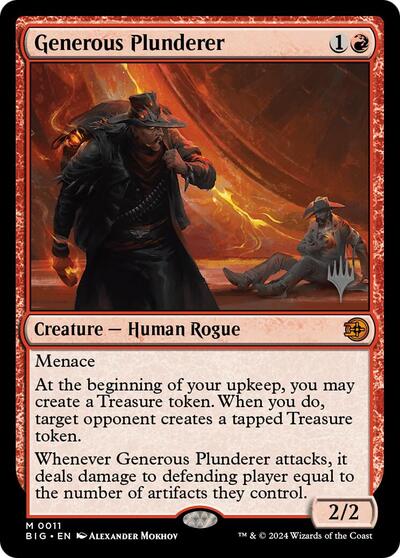
Generous Plunderer
M$19.29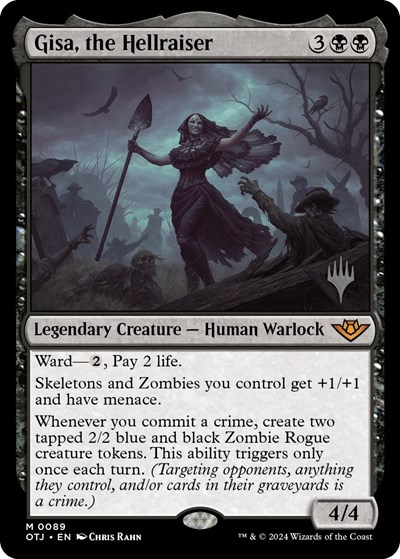
Gisa, the Hellraiser
M$9.66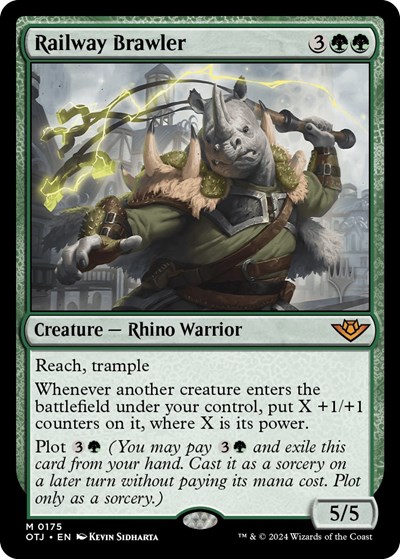
Railway Brawler
M$7.52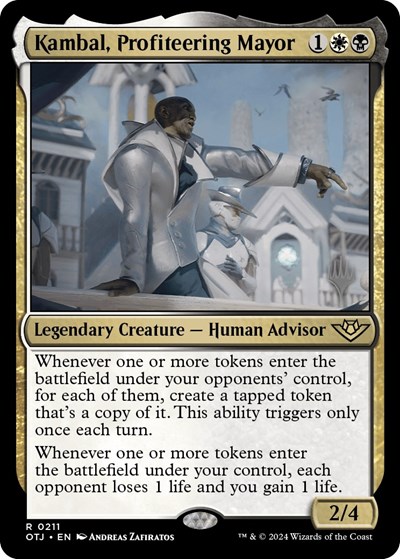
Kambal, Profiteering Mayor
R$7.14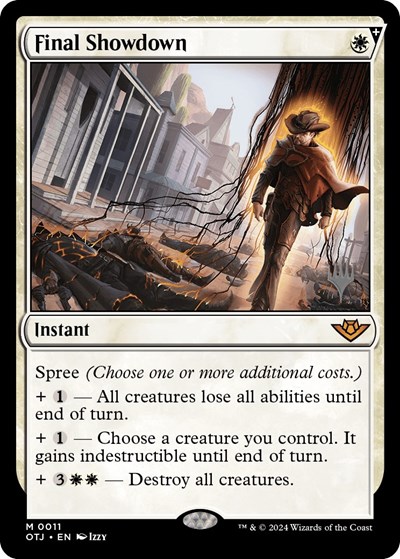
Final Showdown
M$7.02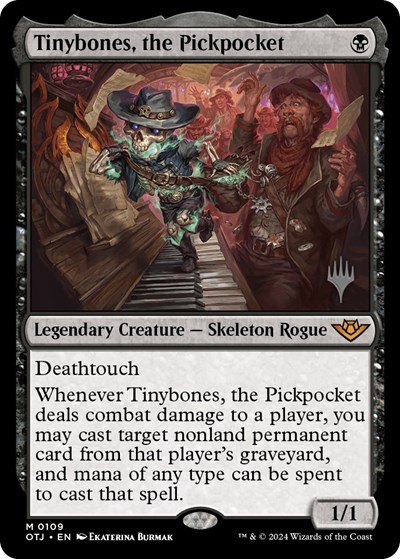
Tinybones, the Pickpocket
M$6.76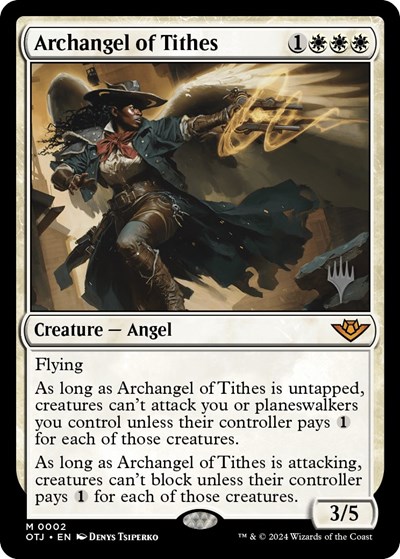
Archangel of Tithes
M$6.75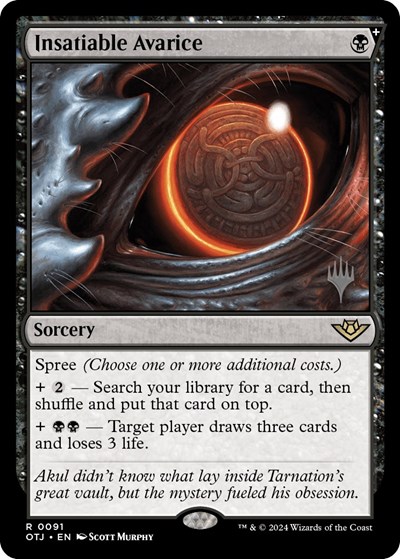
Insatiable Avarice
R$6.26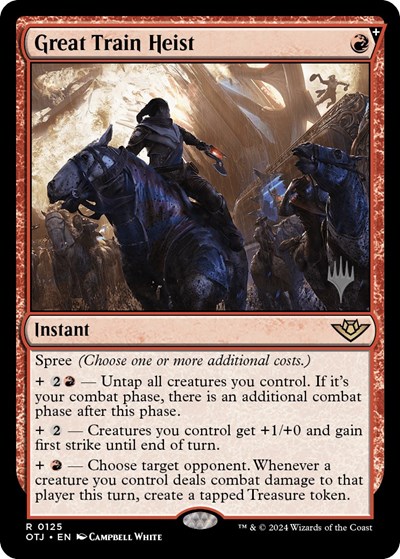
Great Train Heist
R$6.23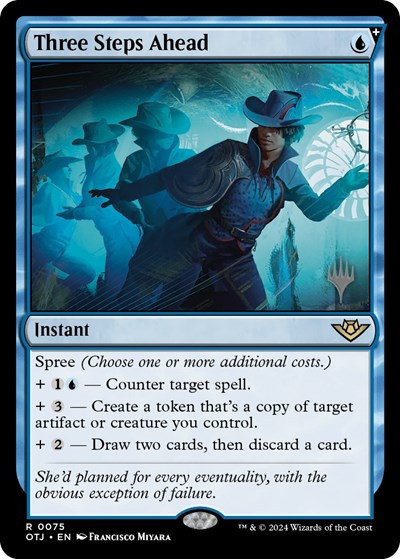
Three Steps Ahead
R$6.09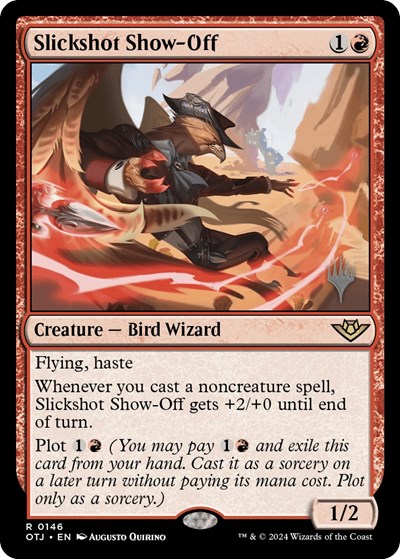
Slickshot Show-Off
R$5.96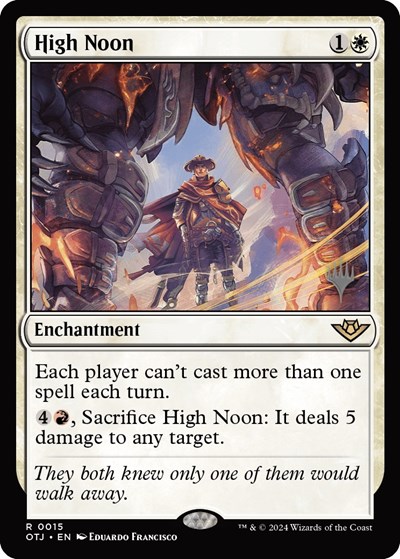
High Noon
R$5.92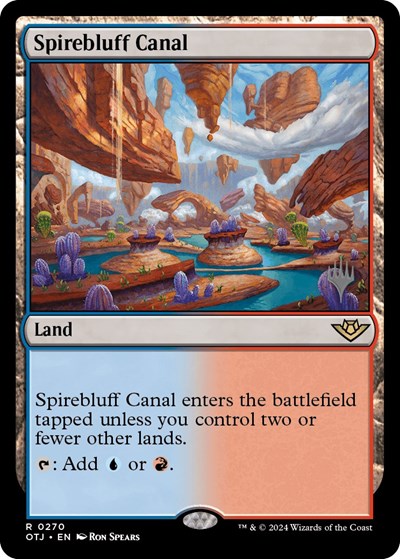
Spirebluff Canal
R$5.92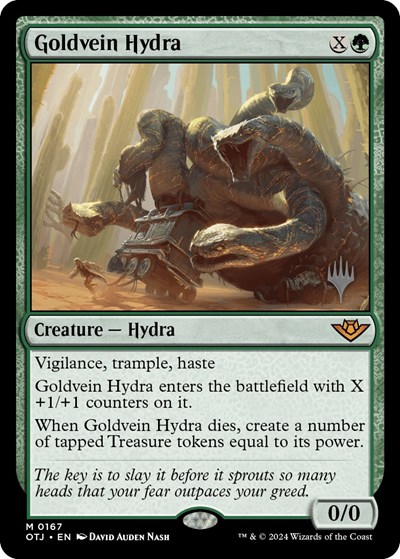
Goldvein Hydra
M$5.43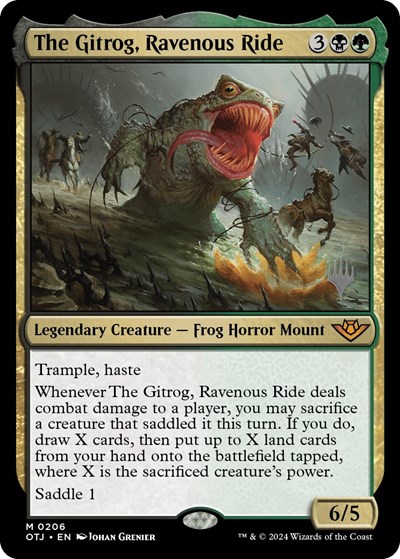
The Gitrog, Ravenous Ride
M$5.05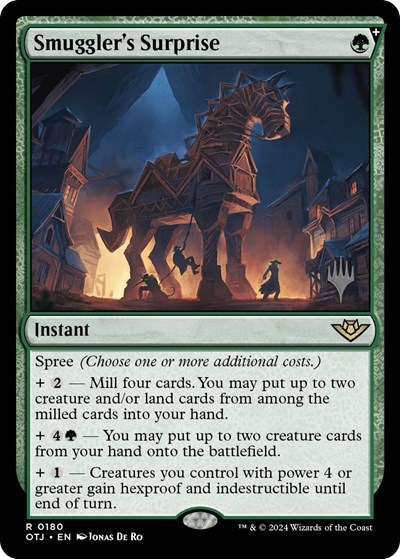
Smuggler's Surprise
R$4.28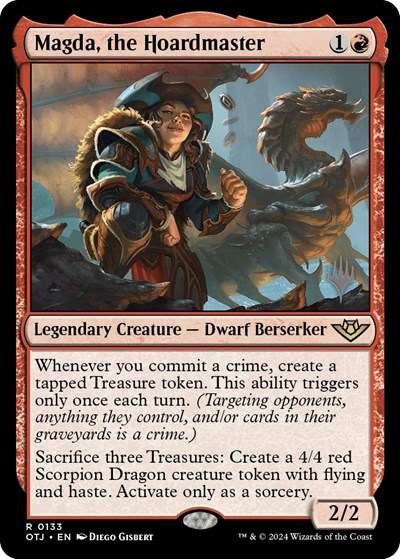
Magda, the Hoardmaster
R$4.19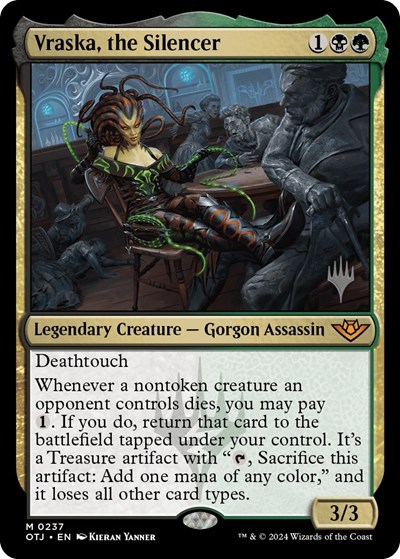
Vraska, the Silencer
M$4.06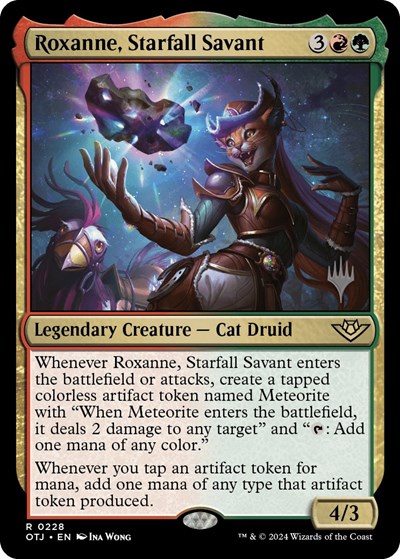
Roxanne, Starfall Savant
R$3.76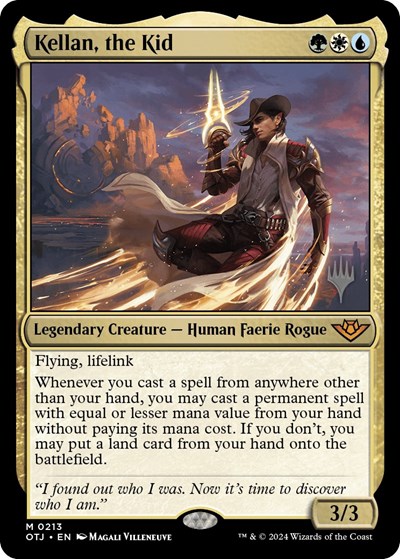
Kellan, the Kid
M$3.68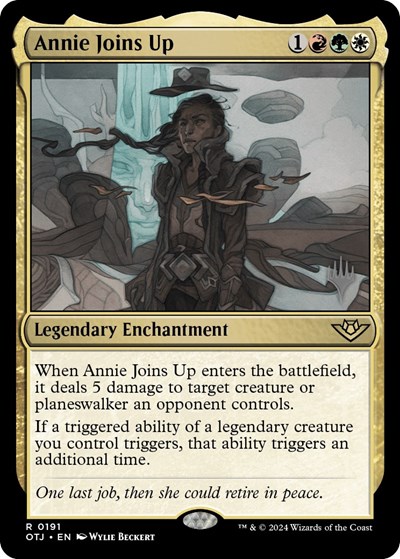
Annie Joins Up
R$3.30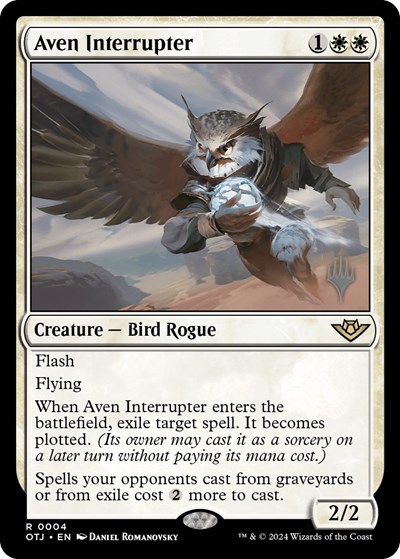
Aven Interrupter
R$3.15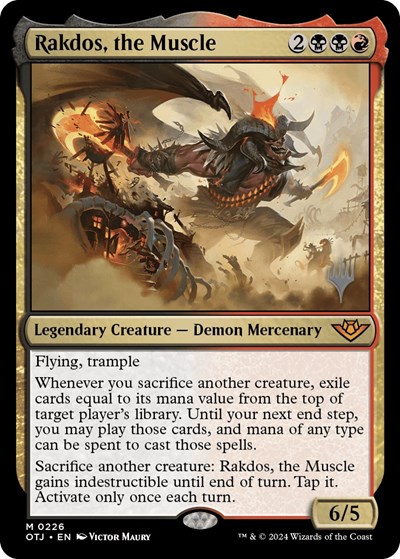
Rakdos, the Muscle
M$3.12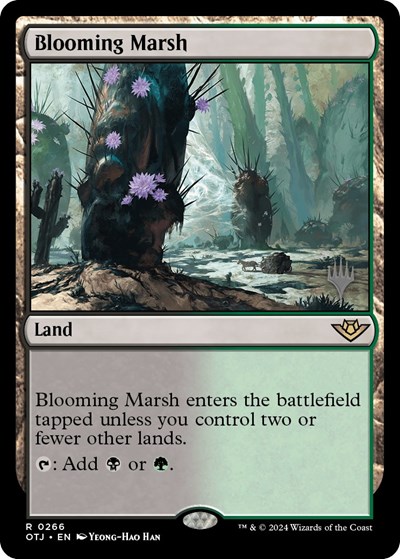
Blooming Marsh
R$2.98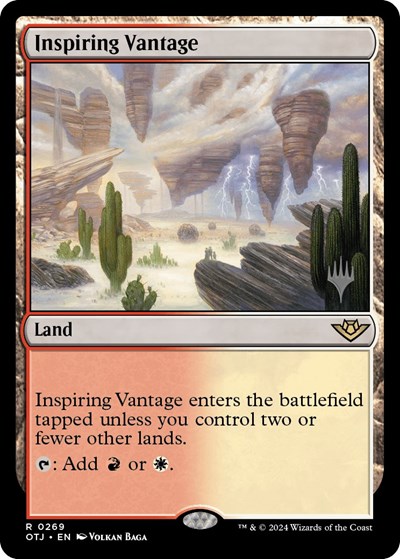
Inspiring Vantage
R$2.49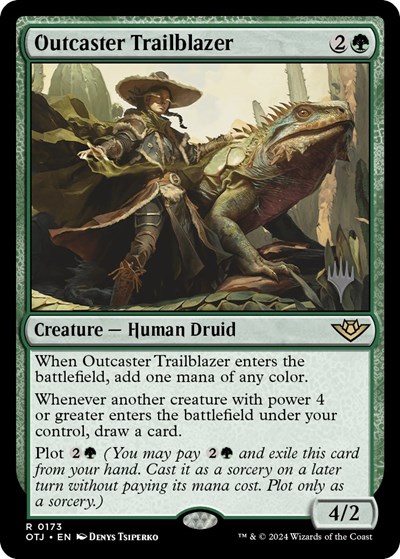
Outcaster Trailblazer
R$2.40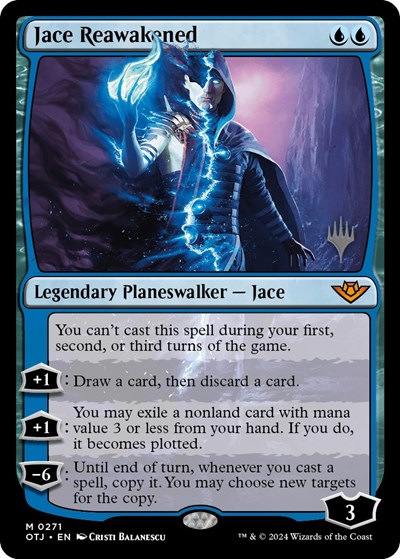
Jace Reawakened
M$2.37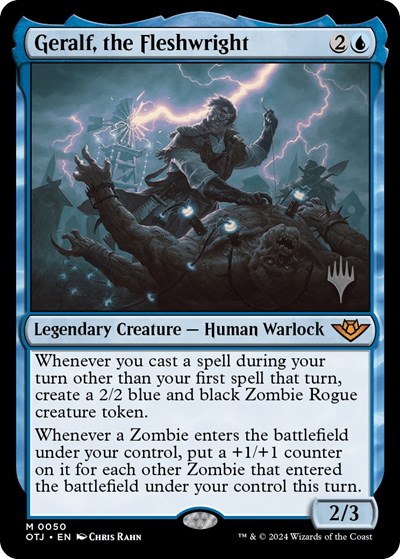
Geralf, the Fleshwright
M$2.22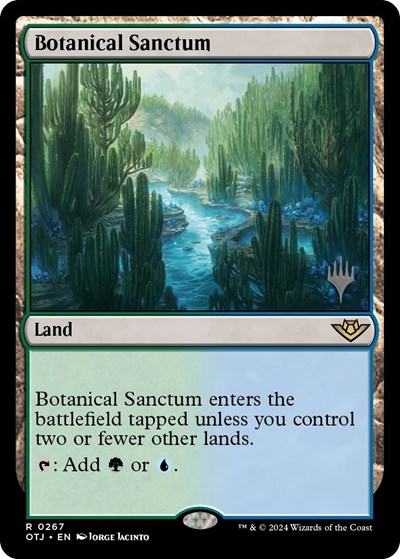
Botanical Sanctum
R$1.49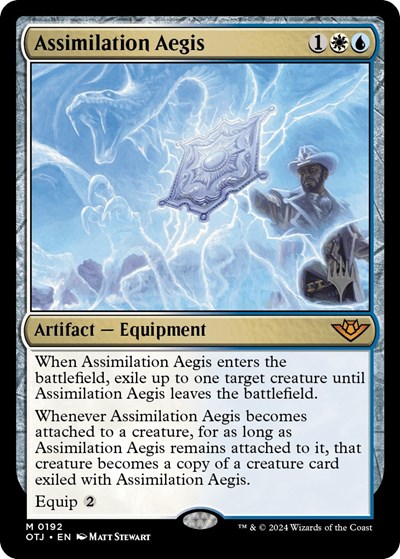
Assimilation Aegis
M$1.48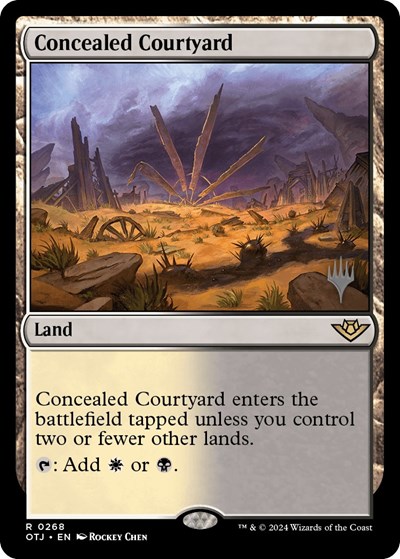
Concealed Courtyard
R$1.42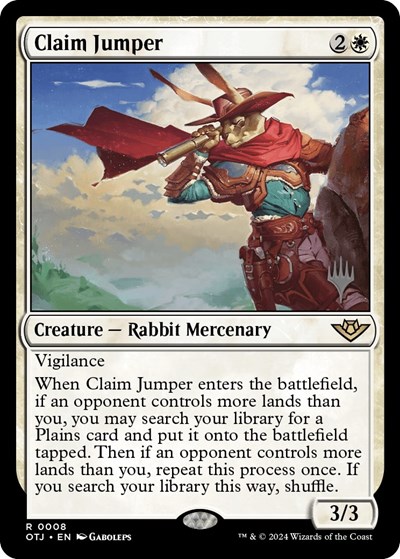
Claim Jumper
R$1.30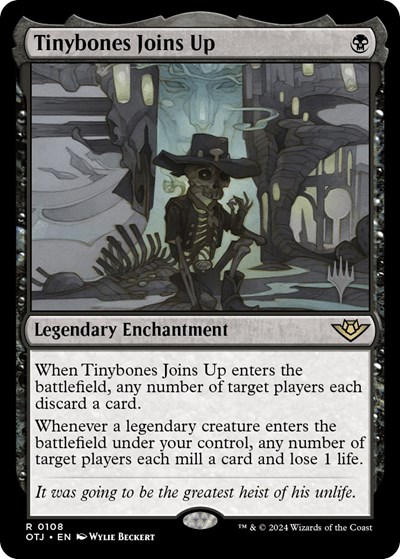
Tinybones Joins Up
R$1.08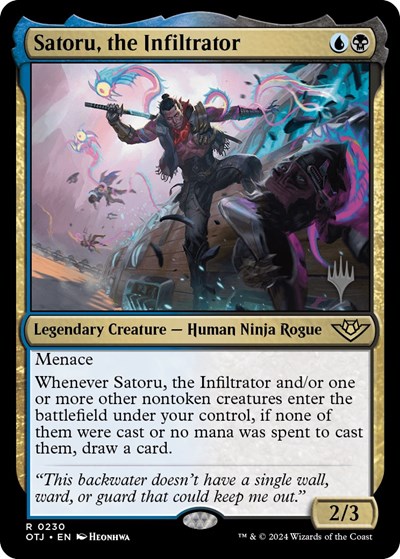
Satoru, the Infiltrator
R$0.90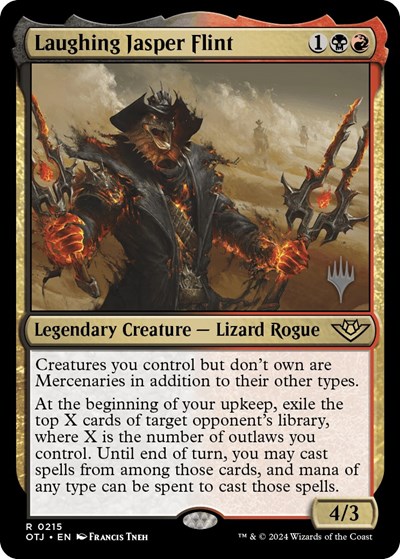
Laughing Jasper Flint
R$0.85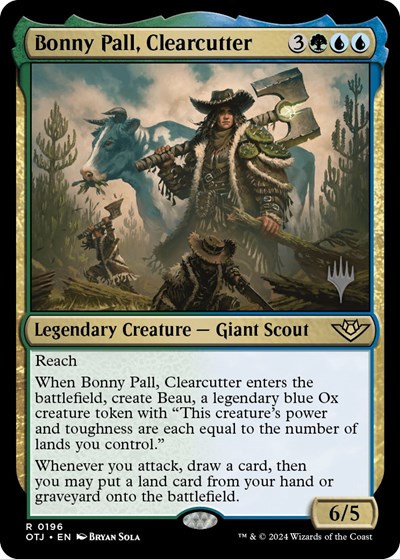
Bonny Pall, Clearcutter
R$0.81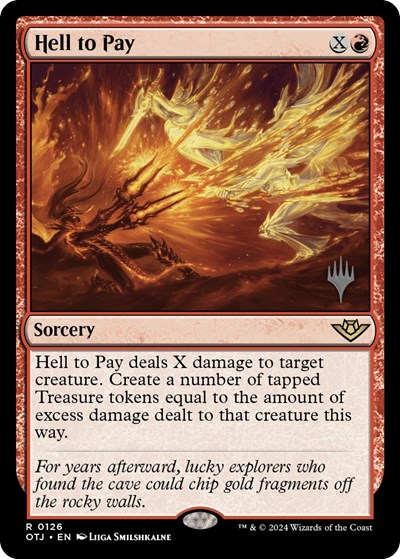
Hell to Pay
R$0.76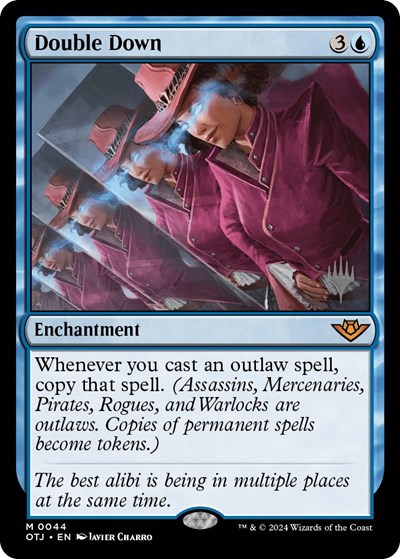
Double Down
M$0.75
In the set
86 singles tracked
- R60 · 70%
- M21 · 24%
- P5 · 6%
How to read the set index
- What is the typical single?
- The median fair value of the set's Near Mint English singles — the price in the middle, so one chase card can't drag it up. Fair value comes from real sales only; the marketplace's Market Price is shown on card pages but never counted.
- What does the index line show?
- The Set Value Index: one Near Mint copy of every printing at fair value, compared week to week on the same printings, so it moves with the set's value — the chase cards most. It starts at 100; the 90-day figure is that line over the last quarter. Beside it, the typical card (every card counted the same, chases left out) and the chases on their own.
- How is popularity scored?
- Out of 100, against the rest of the game: how much the set's cards sell for, how many of them sell each week, how many cards it holds and how its index has moved. It ranks sets; it isn't a price.