

Booster Pack
Mystery Booster Commander Edition - Booster Pack
- Market Price
- $32.30
- MSRP
- —
- Loose
- $32.30
- Each, in the sealed product
- $19.22

MBC · Magic: The Gathering
80 cards, led by Pearl Collector at $426.31.
Released Oct 19, 2026
Set index · MBC
94.01
−5.99 (−5.99%)1Y
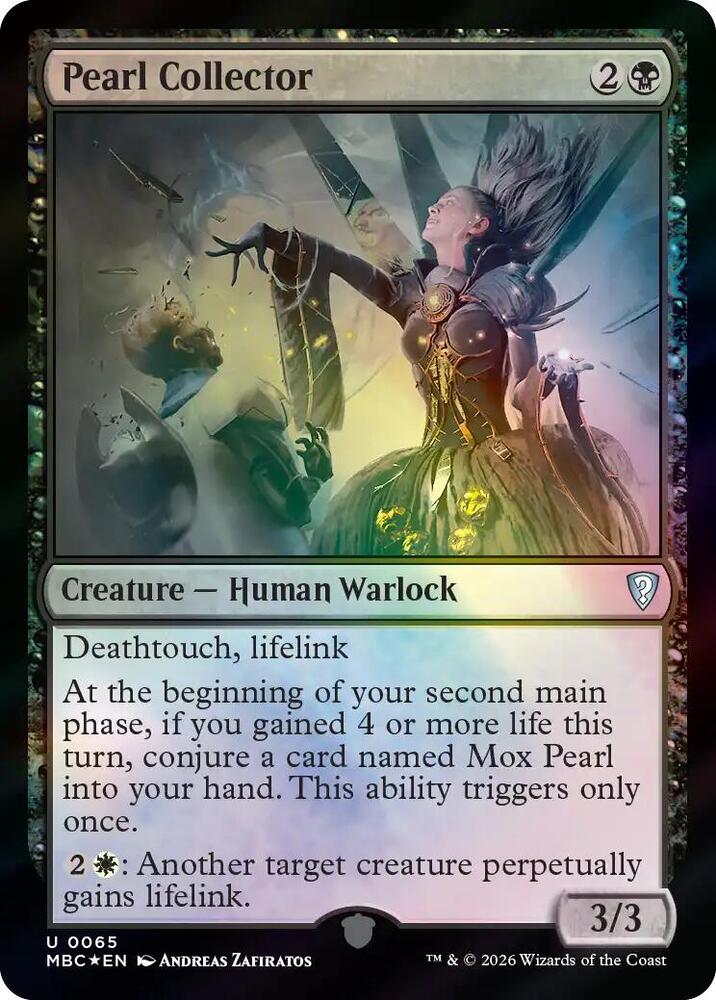
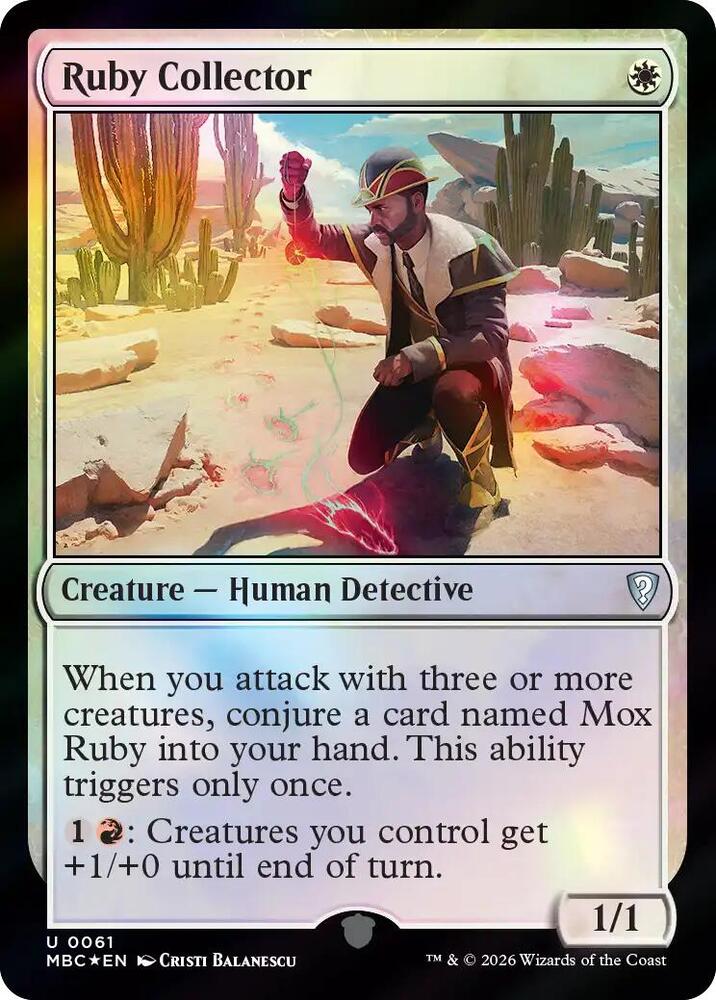
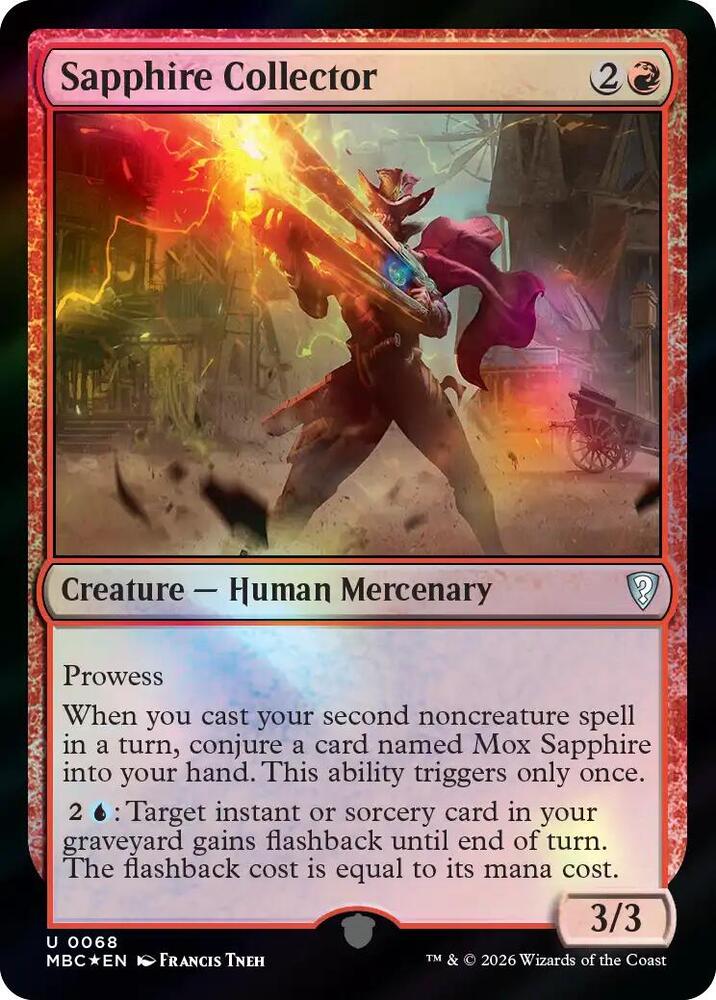
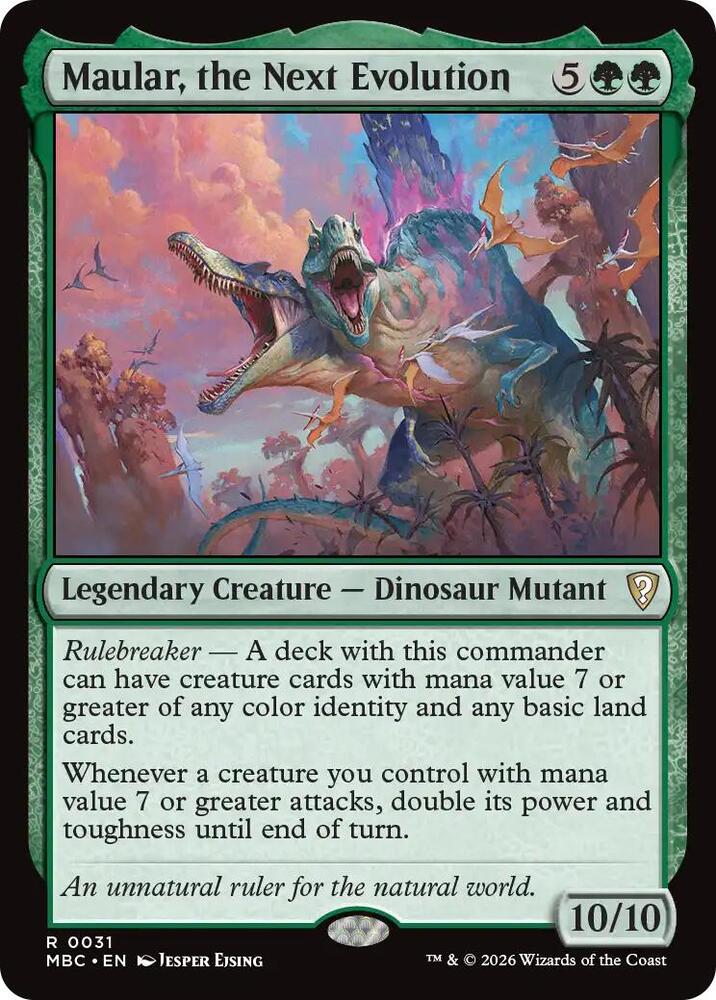
The 5 most valuable · $53.70 – $426.31
A score that starts at 100 and moves with the set's fair value, compared on the same printings week to week.
One Near Mint copy of every printing at fair value; the chase cards move it most.
one of every printing · fair value · Nov 10, 2026
Near Mint was $2,555.60 on Oct 25, 2026 (+177.9%). Totals move when printings are added or first priced; the index above doesn't.
Every way Mystery Booster Commander Edition was sold, priced.
2 products
Booster Pack
Display
Inside
79 of 80 valued in Near Mint
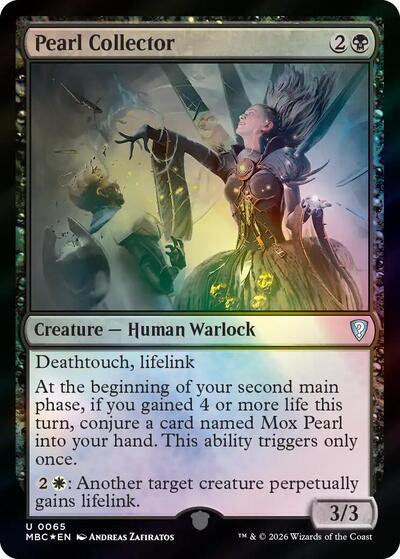
Pearl Collector
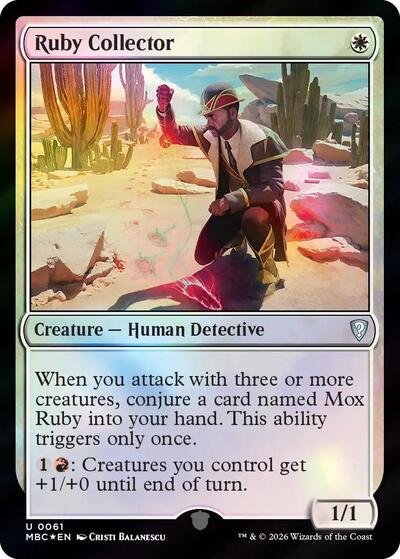
Ruby Collector
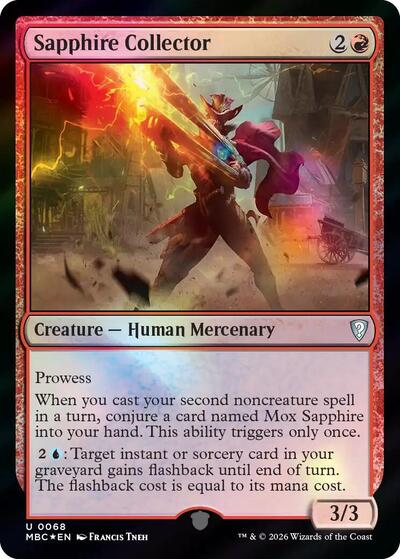
Sapphire Collector
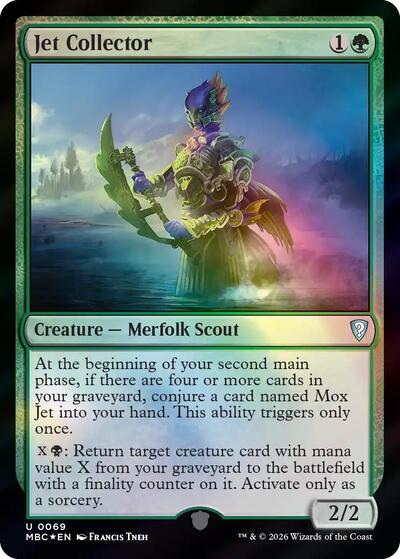
Jet Collector
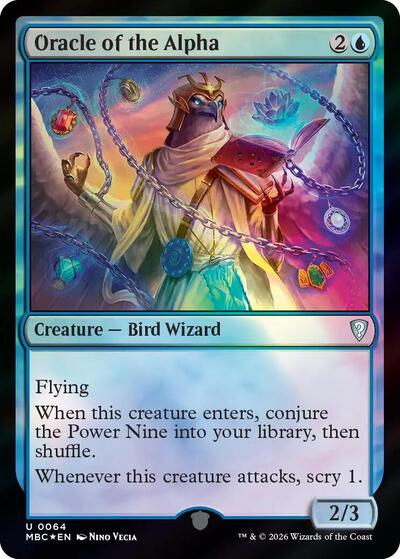
Oracle of the Alpha
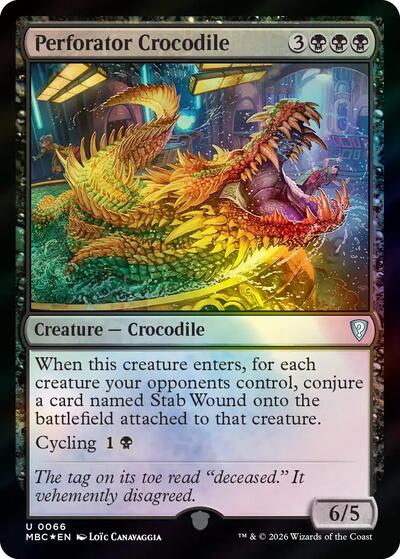
Perforator Crocodile
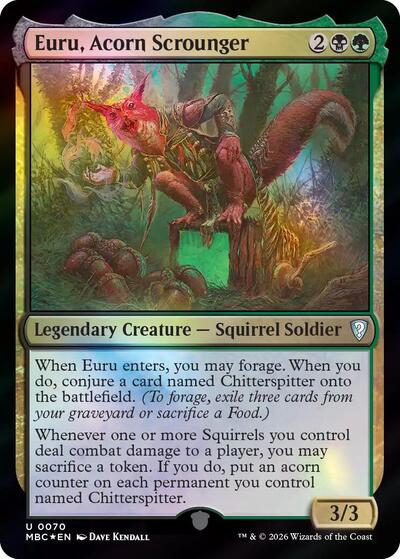
Euru, Acorn Scrounger
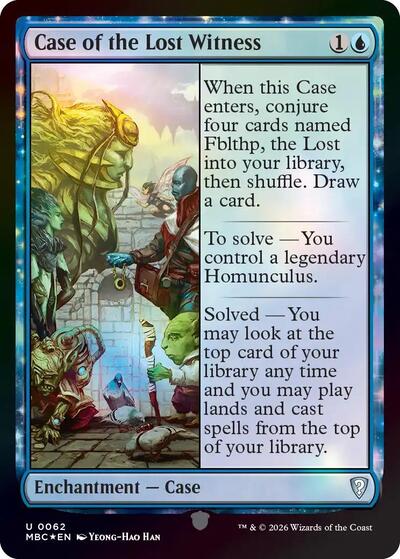
Case of the Lost Witness
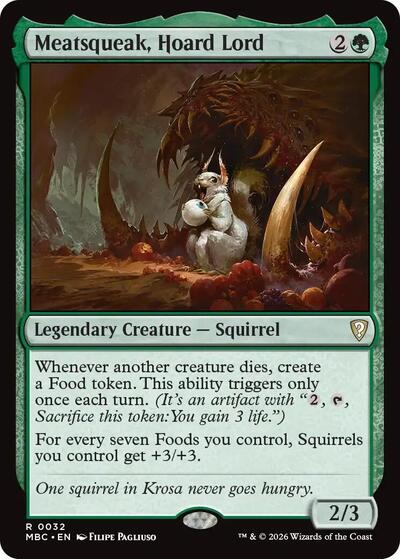
Meatsqueak, Hoard Lord
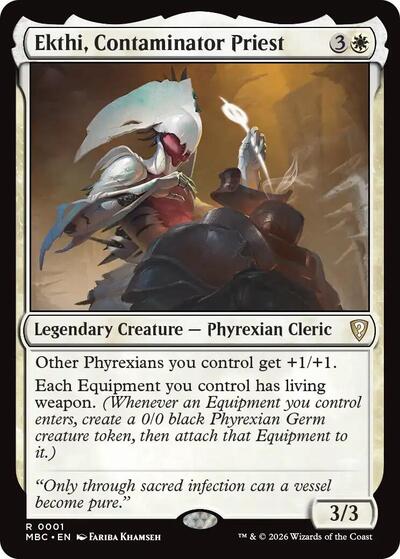
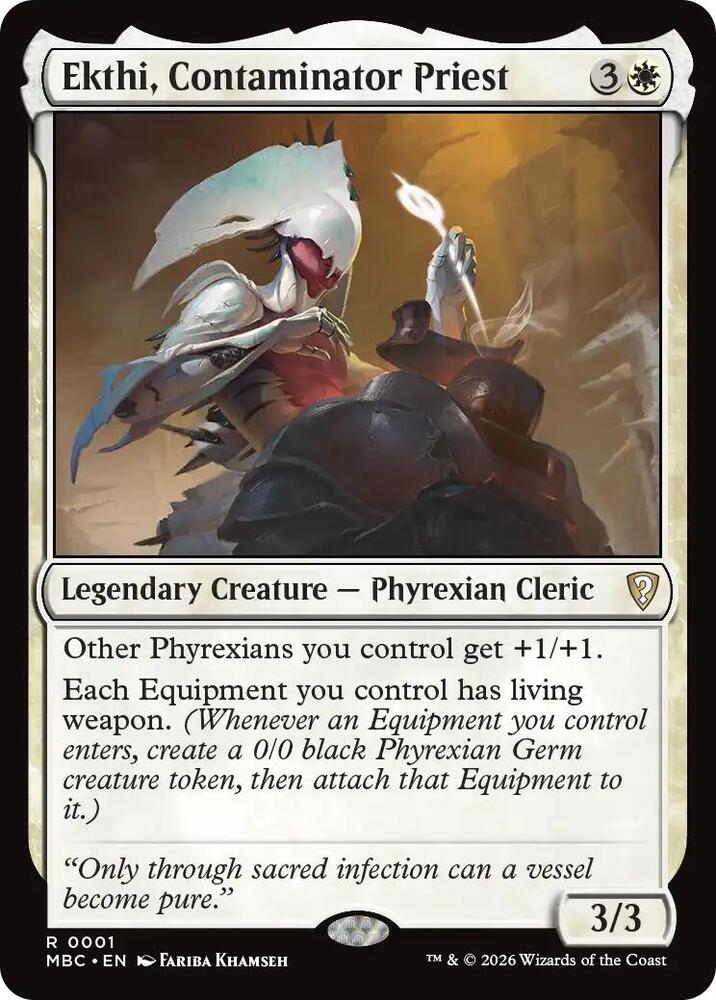
Ekthi, Contaminator Priest
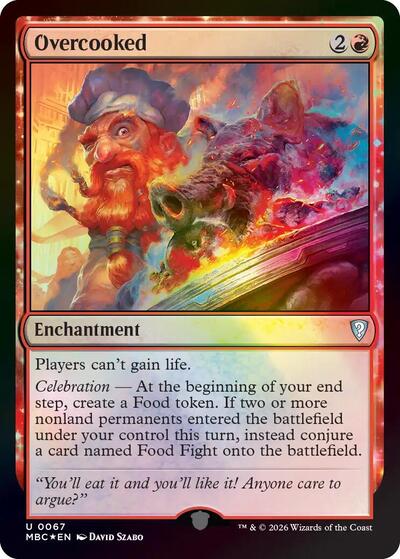
Overcooked
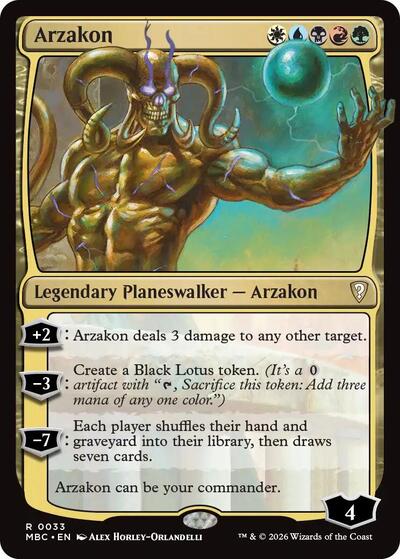
Arzakon
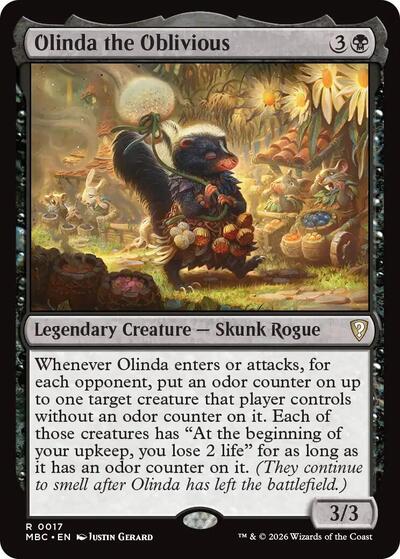
Olinda the Oblivious
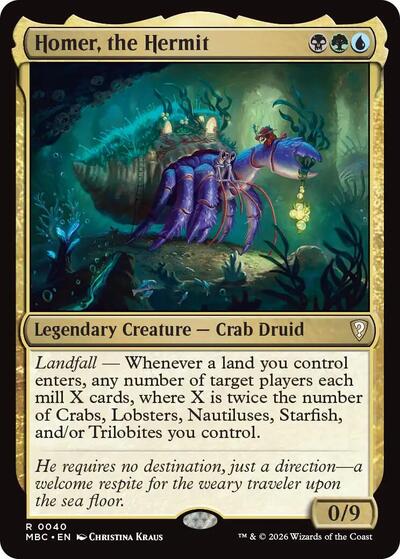
Homer, the Hermit
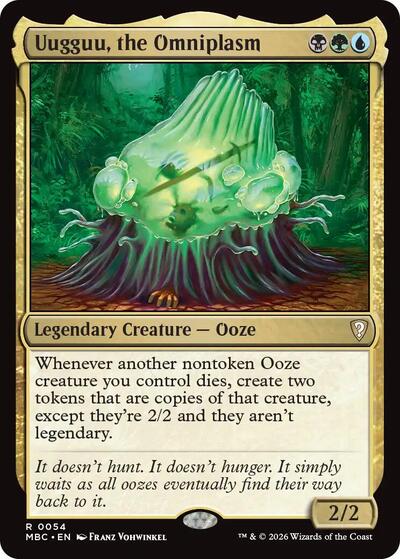
Uugguu, the Omniplasm
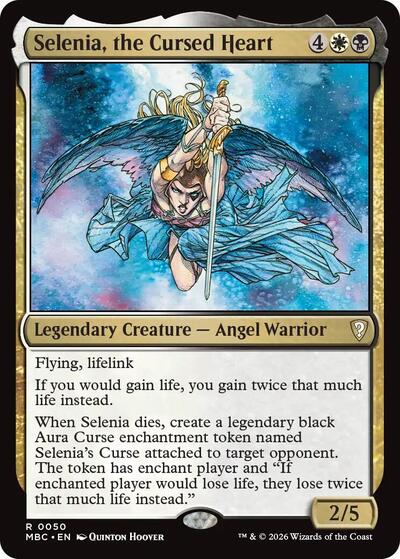
Selenia, the Cursed Heart
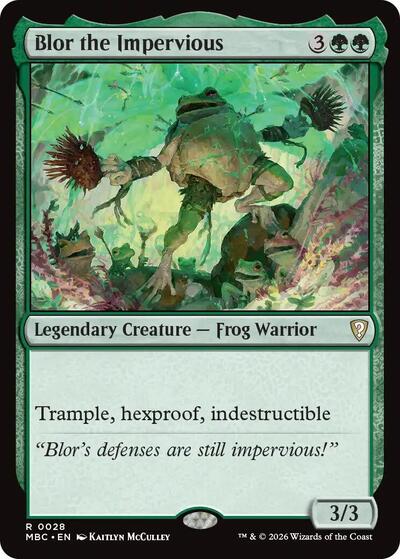
Blor the Impervious
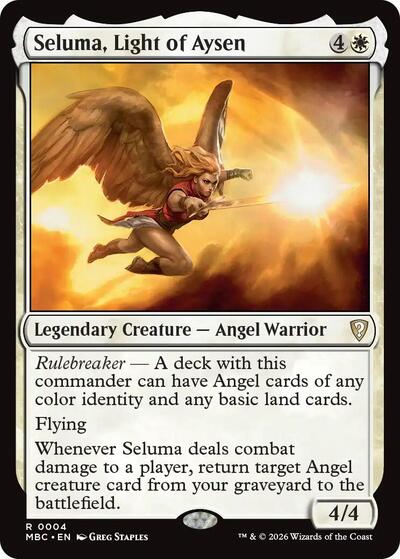
Seluma, Light of Aysen
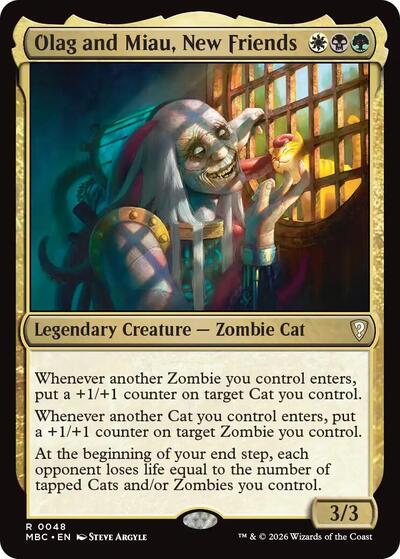
Olag and Miau, New Friends
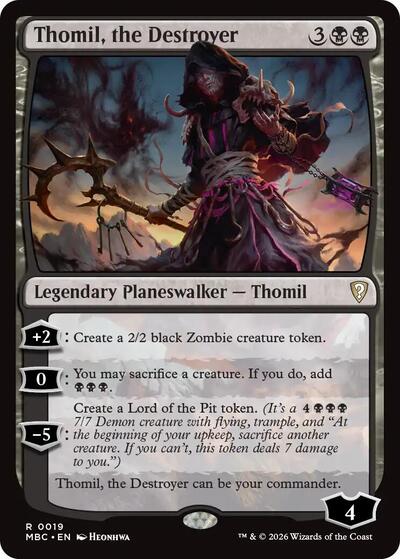
Thomil, the Destroyer
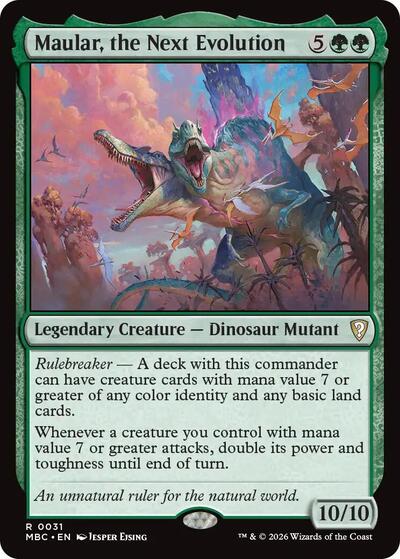
Maular, the Next Evolution
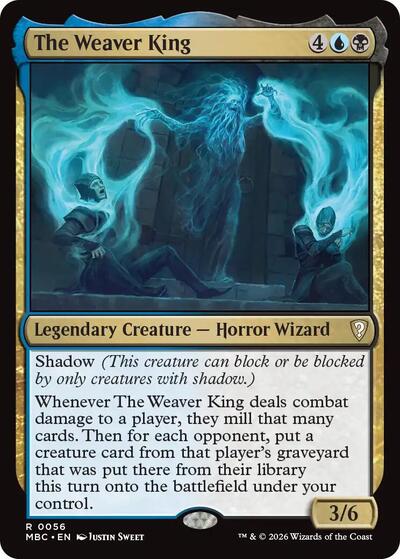
The Weaver King

Whtz, the Bibliophile
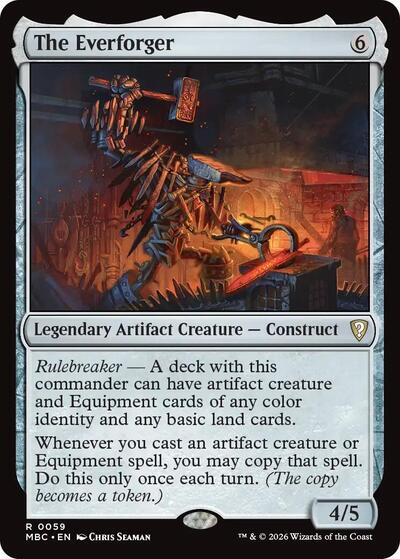
The Everforger
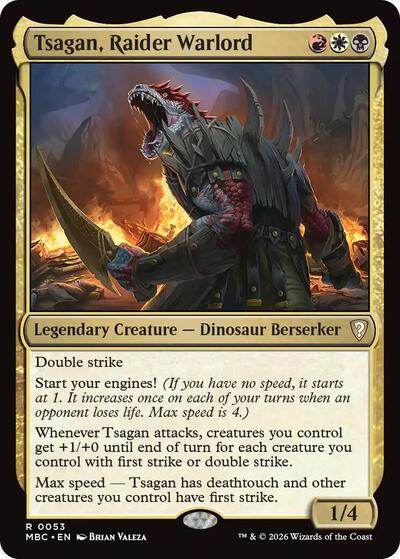
Tsagan, Raider Warlord
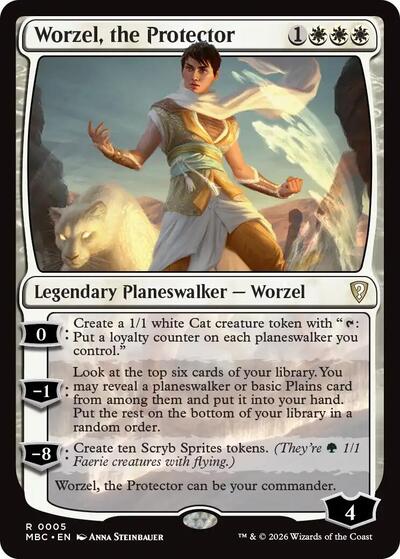
Worzel, the Protector
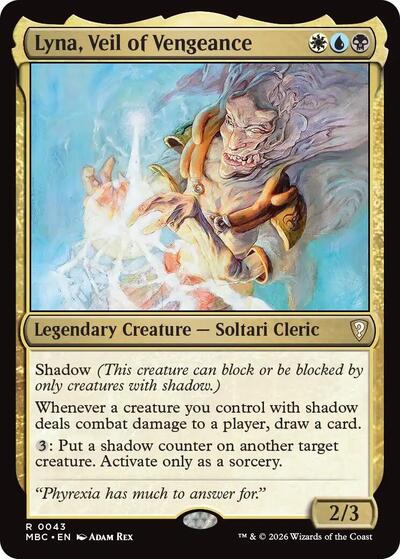
Lyna, Veil of Vengeance
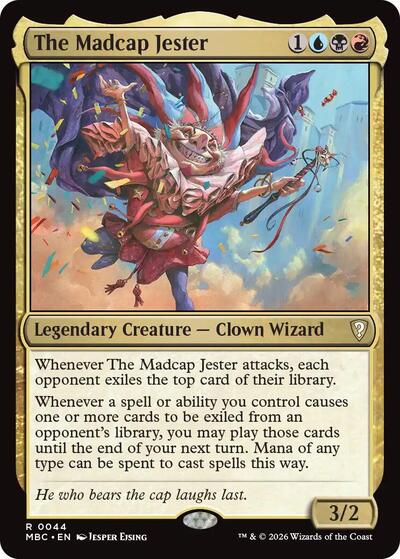
The Madcap Jester
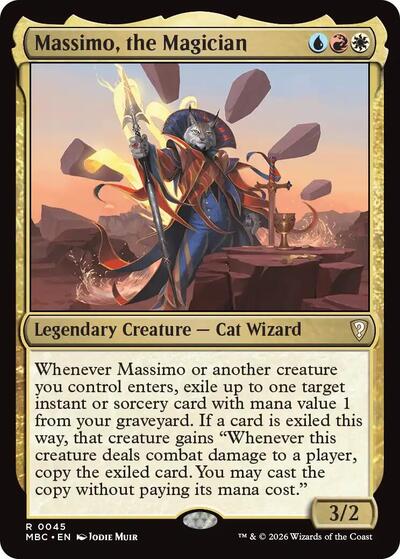
Massimo, the Magician
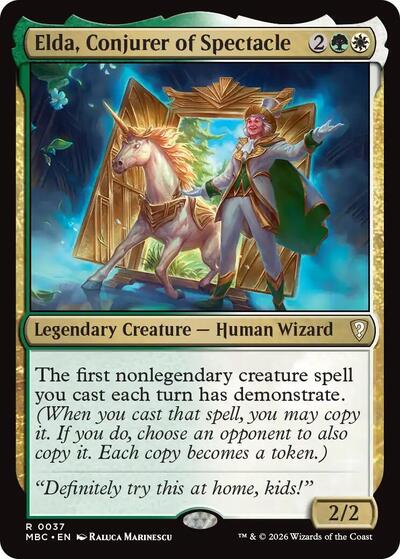
Elda, Conjurer of Spectacle
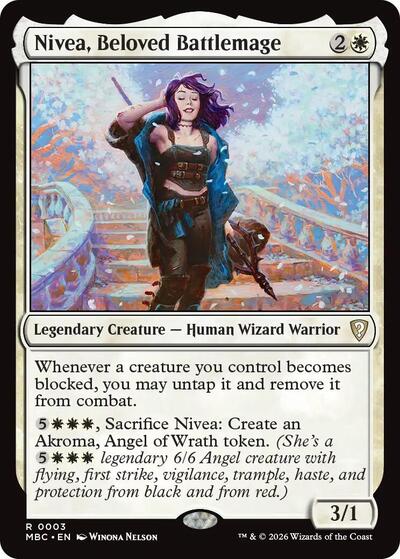
Nivea, Beloved Battlemage
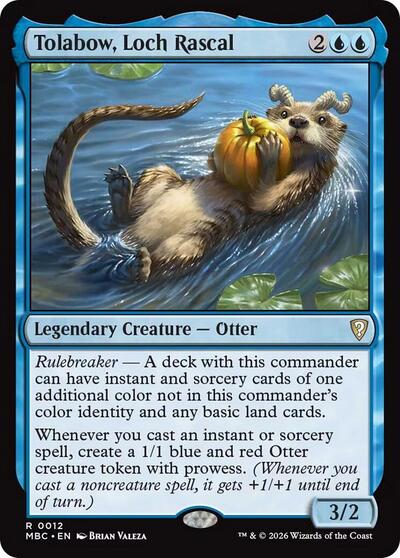
Tolabow, Loch Rascal
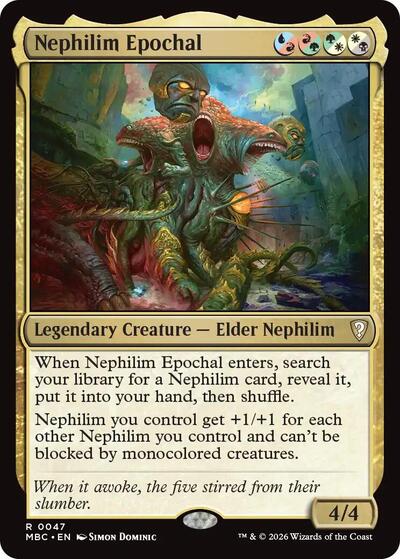
Nephilim Epochal
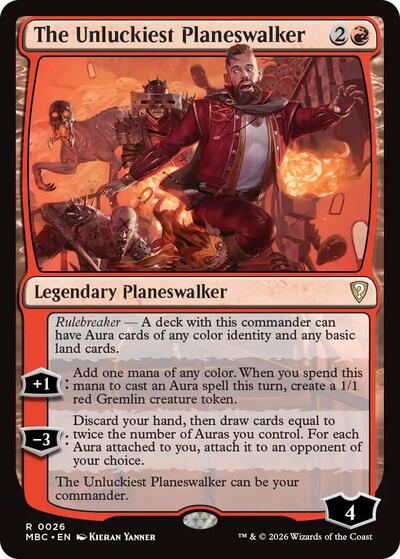
The Unluckiest Planeswalker
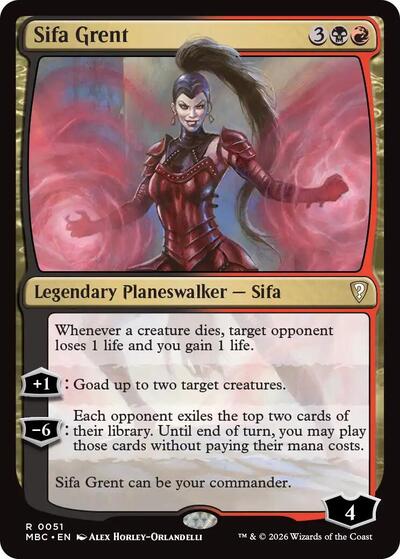
Sifa Grent
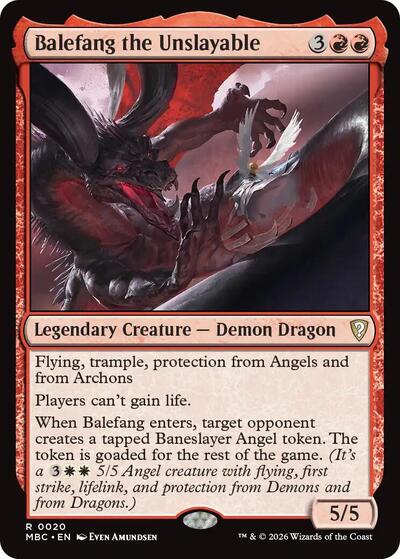
Balefang the Unslayable
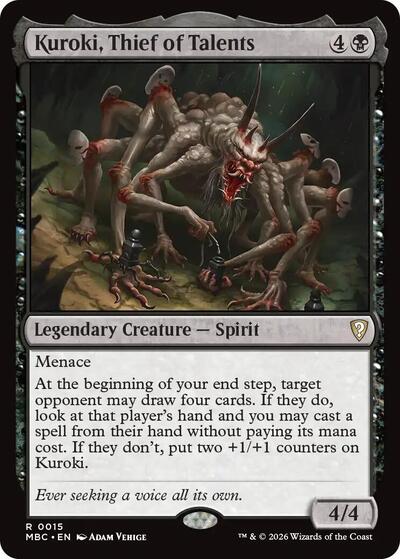
Kuroki, Thief of Talents
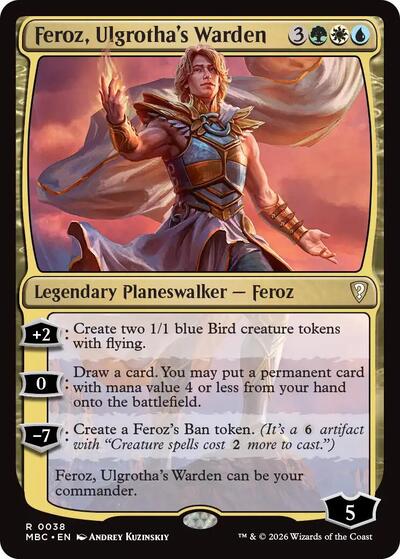
Feroz, Ulgrotha's Warden
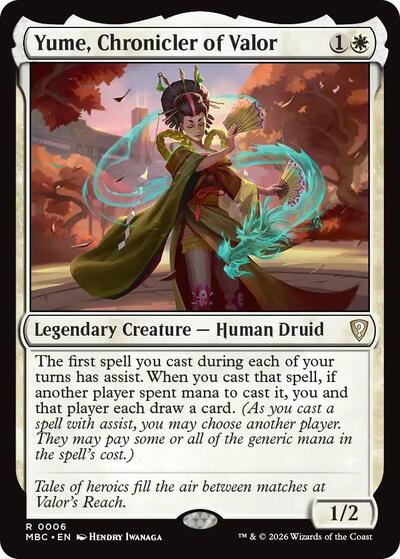
Yume, Chronicler of Valor
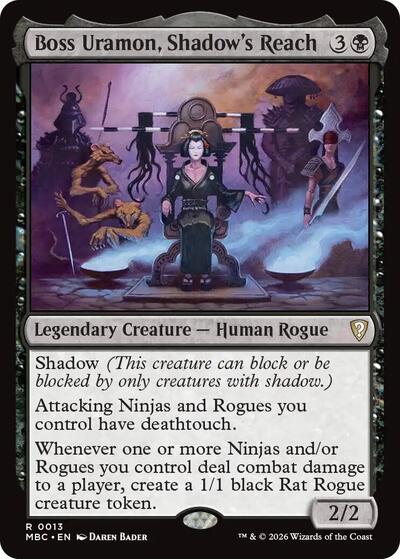
Boss Uramon, Shadow's Reach
80 singles tracked