

SI · Pokémon Japan
SI: Start Deck 100
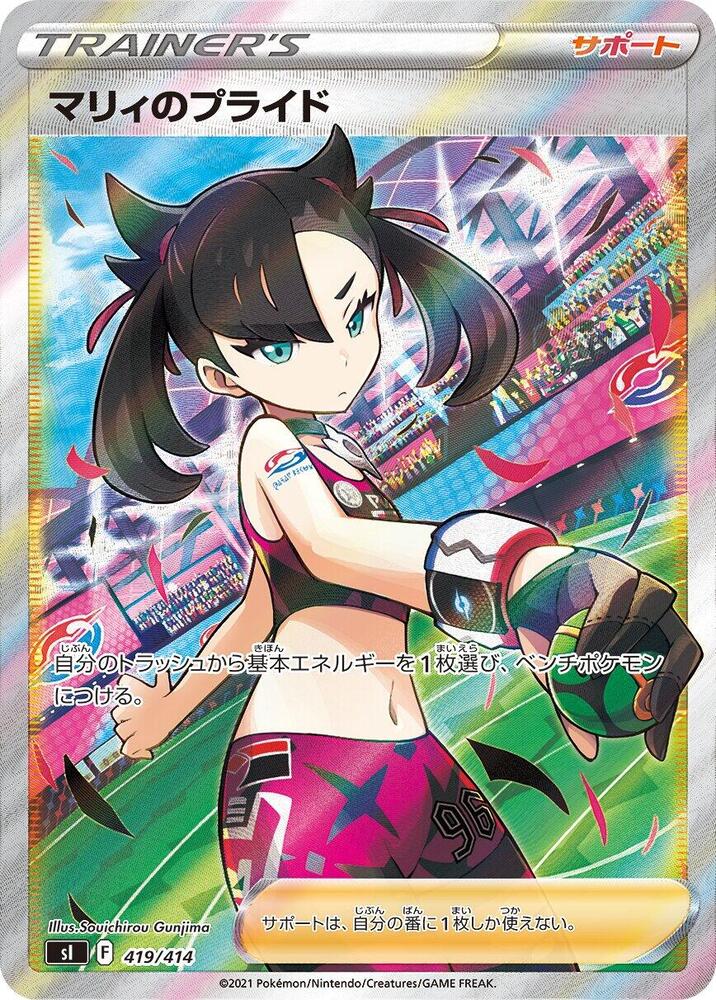
0 cards, led by Marnie's Pride - 419/414 at $123.33.
Released Dec 17, 2021
Set index · SI
105.88
+5.88 (+5.88%)1Y
- 1W
- +0.02%
- 1M
- +1.02%
- 1Y
- +5.88%
52W low 100.00high 106.08


The 5 most valuable · $27.25 – $123.33
- Cards
- 0
- Priced printings
- 0
- Sales a week
- 0.0
- Typical single, Near Mint
- —
- Popularity
- 0/100
- Standing
- #0
The index
A score that starts at 100 and moves with the set's fair value, compared on the same printings week to week.
One Near Mint copy of every printing at fair value; the chase cards move it most.
Master set value
one of every printing · fair value · Nov 10, 2026
- NM
- $2,539.14
- 482 of 482 priced · 65% from sales
- LP
- $2,020.44
- 482 of 482 priced · 50% from sales
- MP
- $1,544.57
- 482 of 482 priced · 25% from sales
- HP
- $1,164.82
- 482 of 482 priced · 8% from sales
- DMG
- $999.30
- 482 of 482 priced · 2% from sales
Near Mint was $2,412.87 on Aug 30, 2026 (+5.2%). Totals move when printings are added or first priced; the index above doesn't.
Sealed
Every way SI: Start Deck 100 was sold, priced.
2 products
Starter Deck
Start Deck 100
- Market Price
- —
- MSRP
- —
What's inside
InsideReported
- 1×deck (60 cards; 1 of 100 decks at random)
- 1×damage-counter / marker sheet
Cards
462 of 522 valued in Near Mint
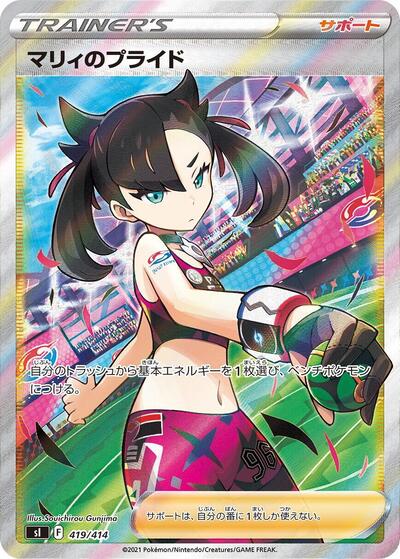
Marnie's Pride - 419/414
419/414$123.33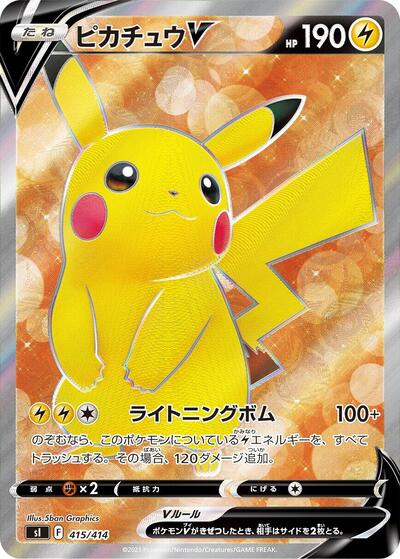
Pikachu V - 415/414
415/414$47.24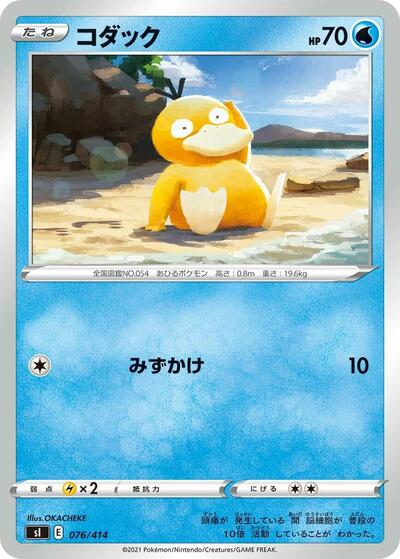
Psyduck (Mirror Holofoil)
076/414$35.81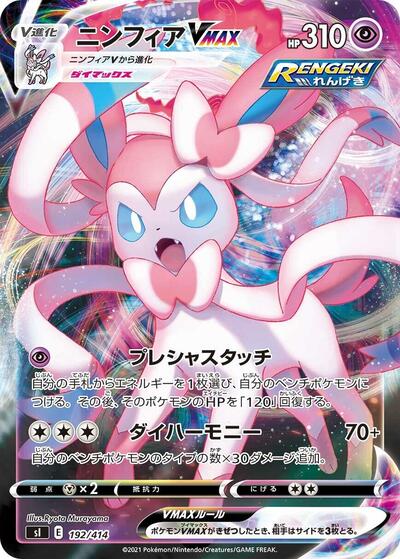
Sylveon VMAX
192/414$30.48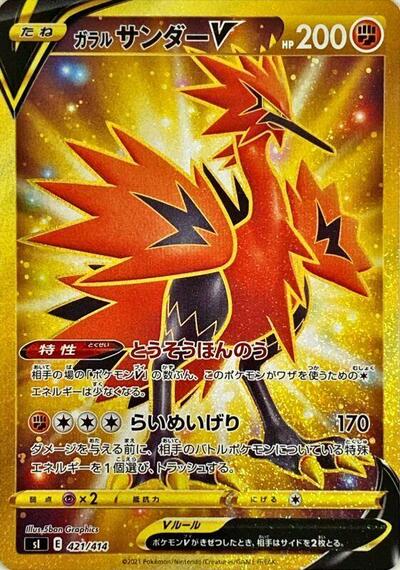
Galarian Zapdos V - 421/414
421/414$27.25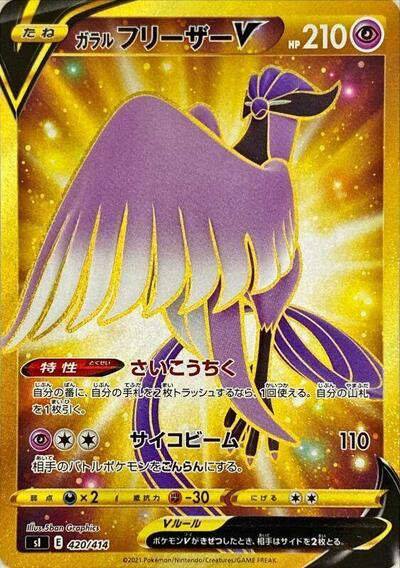
Galarian Articuno V - 420/414
420/414$26.94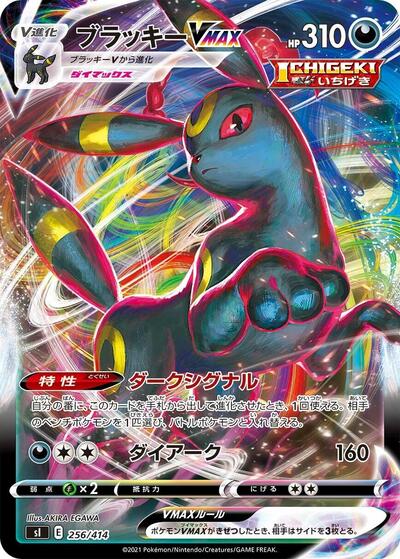
Umbreon VMAX
256/414$25.57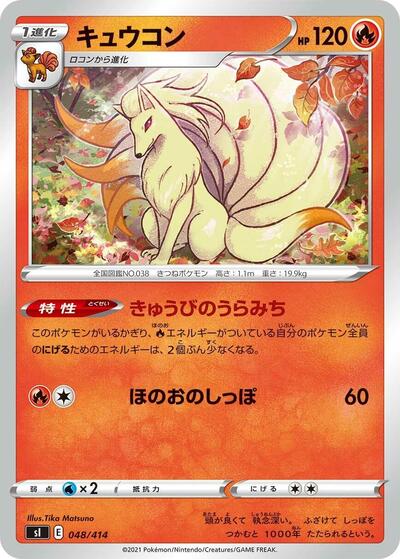
Ninetales - 048/414
048/414$24.02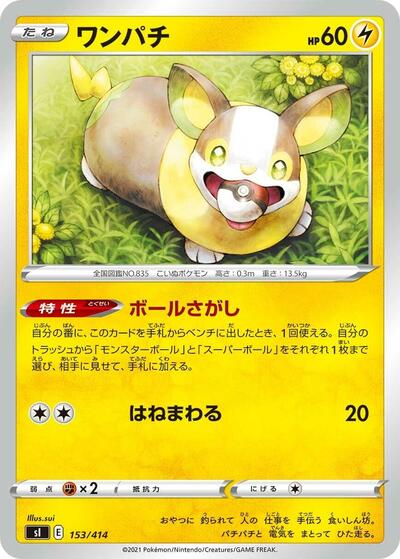
Yamper (Mirror Holofoil)
153/414$23.03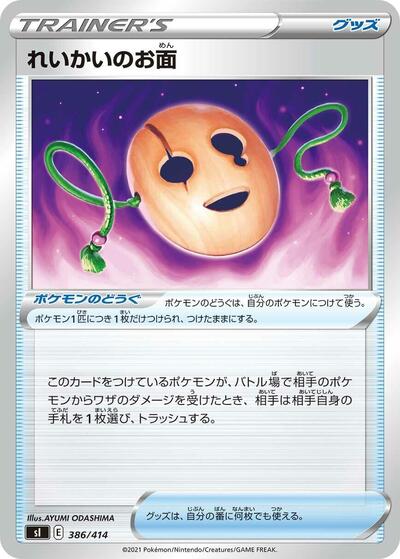
Spirit Mask (Mirror Holofoil)
386/414$21.00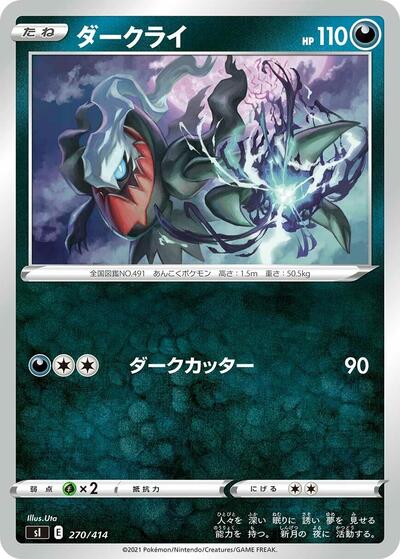
Darkrai (Mirror Holofoil)
270/414$20.20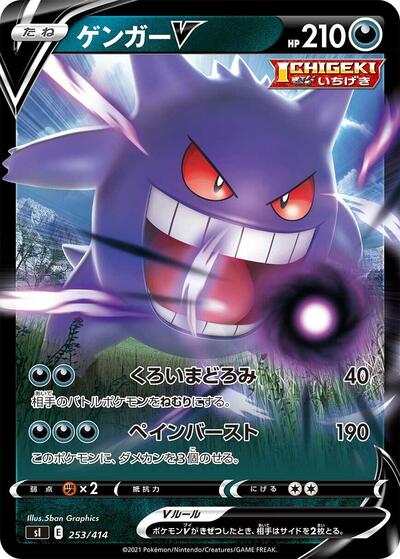
Gengar V
253/414$19.78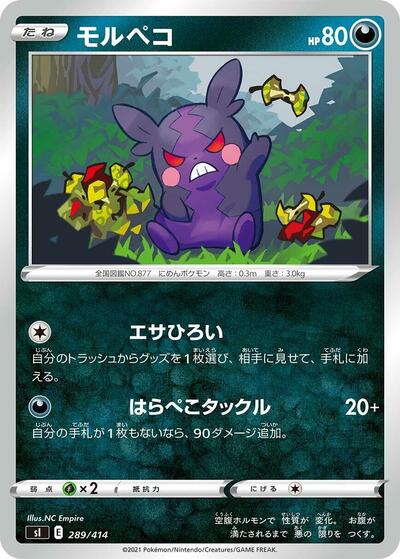
Morpeko - 289/414
289/414$18.24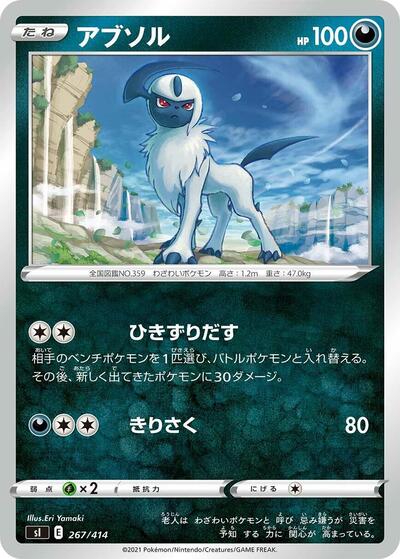
Absol (Mirror Holofoil)
267/414$17.77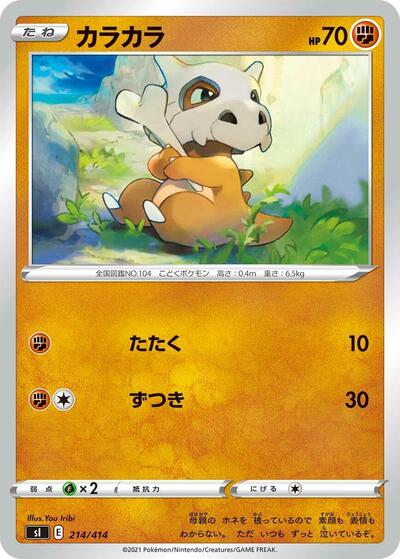
Cubone
214/414$17.69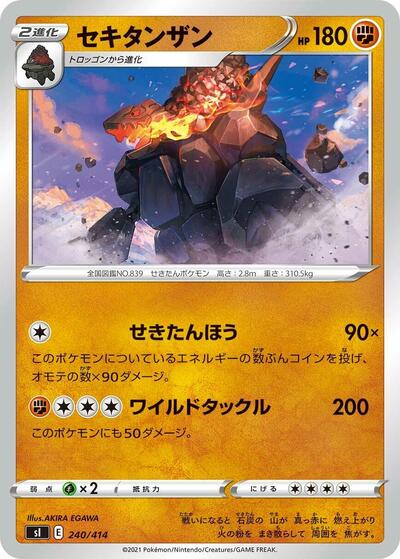
Coalossal (Mirror Holofoil)
240/414$15.10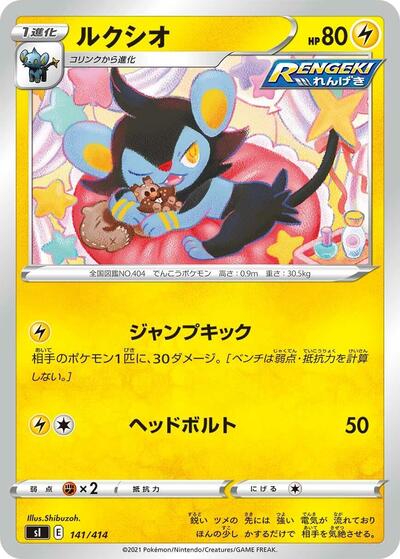
Luxio
141/414$14.99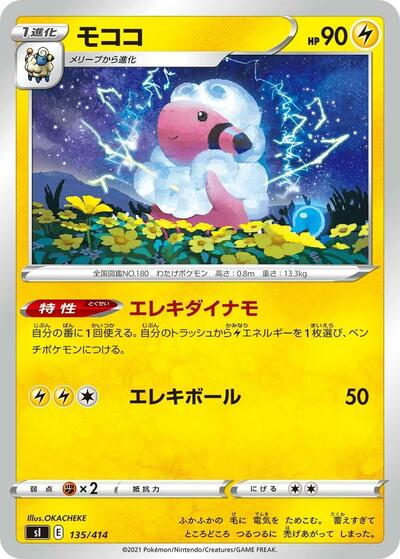
Flaaffy - 135/414
135/414$14.86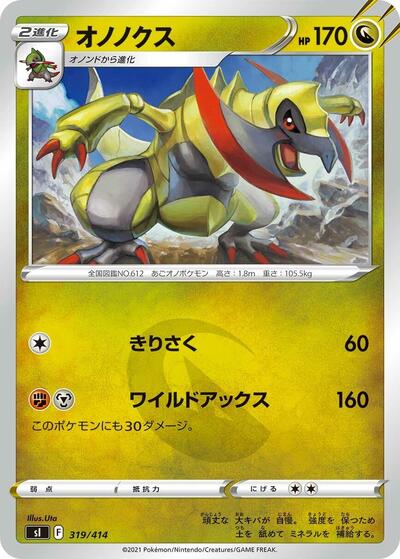
Haxorus (Mirror Holofoil)
319/414$14.68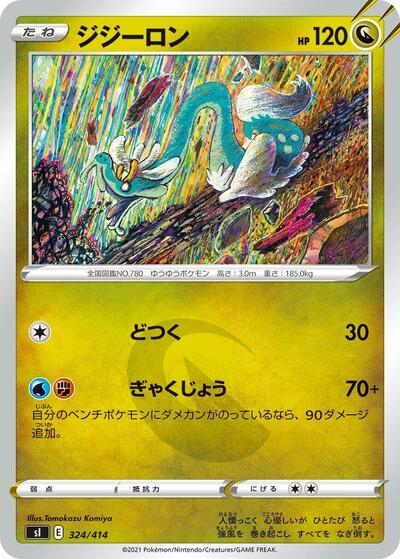
Drampa - 234/414
324/414$14.59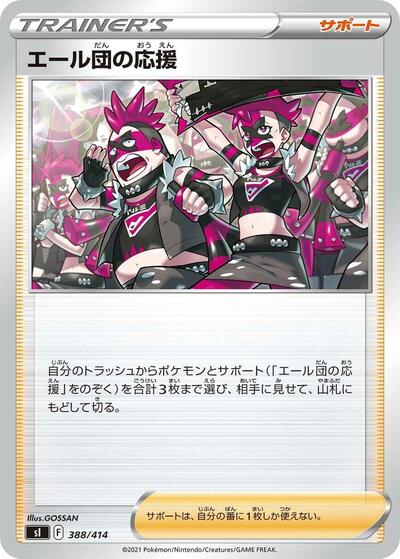
Team Yell's Cheer (Mirror Holofoil)
388/414$14.54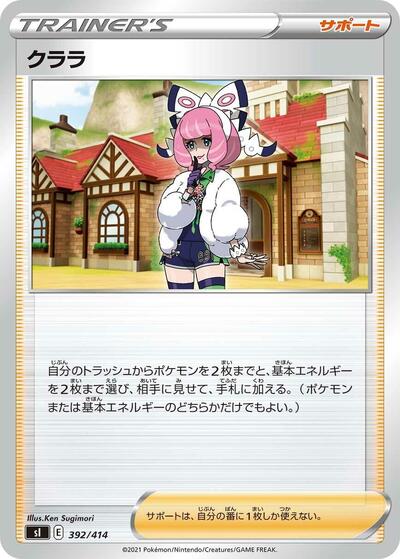
Klara (Mirror Holofoil)
392/414$14.54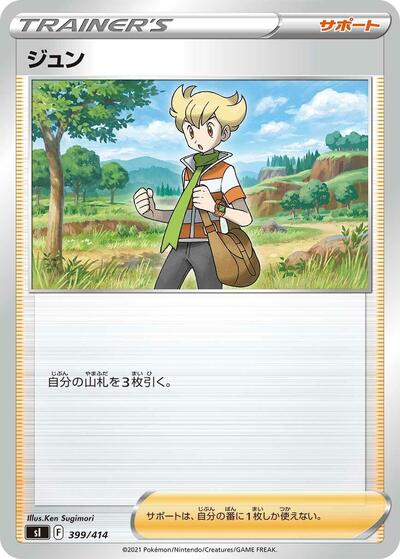
Barry (Mirror Holofoil)
399/414$14.54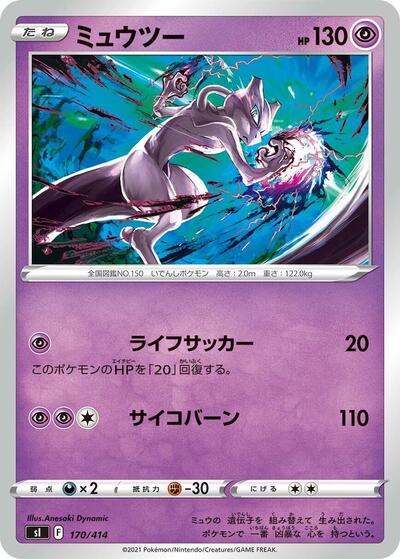
Mewtwo (Mirror Holofoil)
170/414$14.52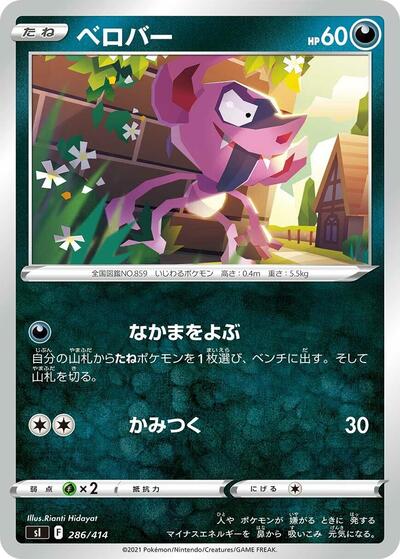
Impidimp (Mirror Holofoil)
286/414$14.50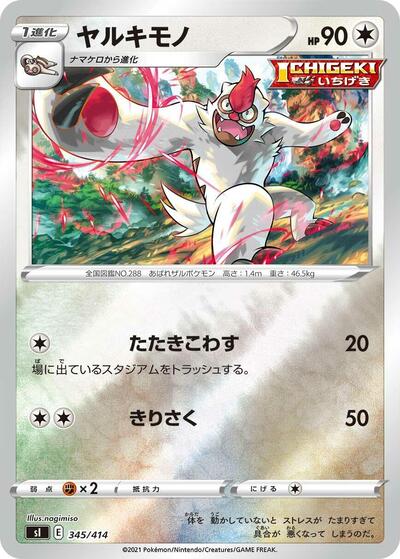
Vigoroth (Mirror Holofoil)
345/414$14.27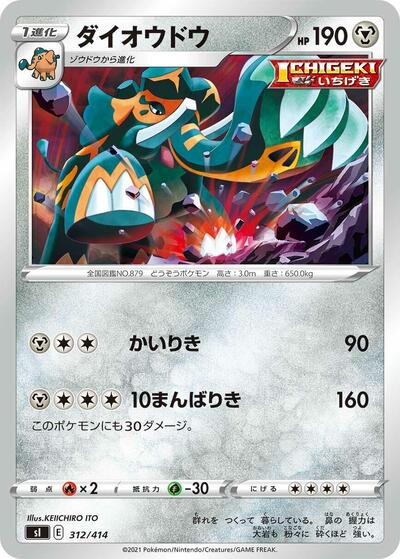
Copperajah
312/414$14.17Psyduck
076/414$13.99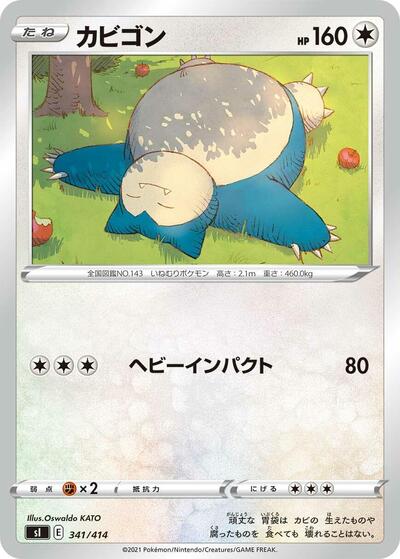
Snorlax - 341/414
341/414$13.24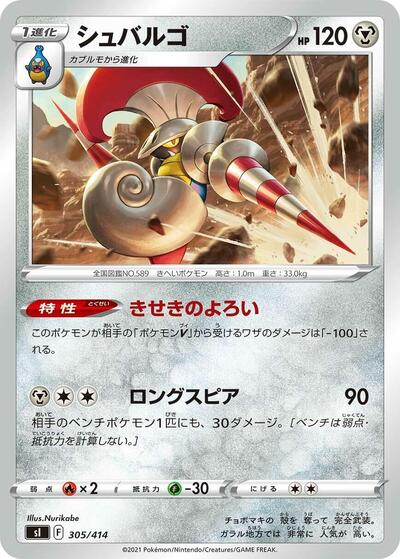
Escavalier (Mirror Holofoil)
305/414$13.00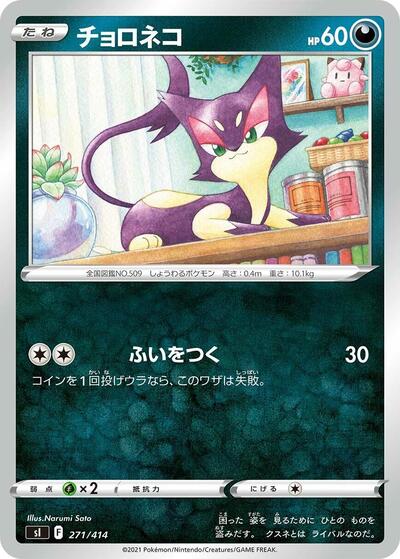
Purrloin (Mirror Holofoil)
271/414$12.81
Cook (Mirror Holofoil)
393/414$12.68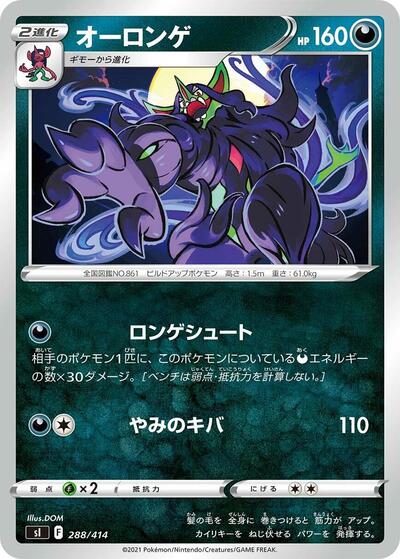
Grimmsnarl (Mirror Holofoil)
288/414$12.43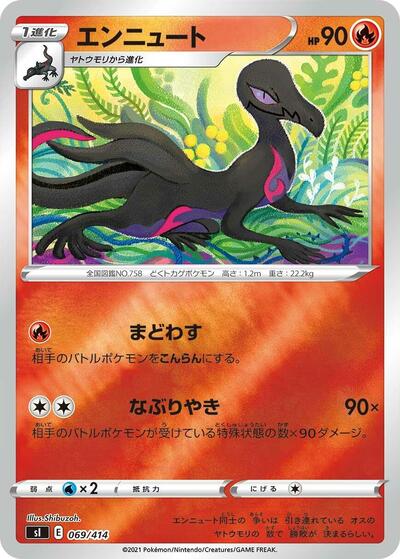
Salazzle (Mirror Holofoil)
069/414$12.21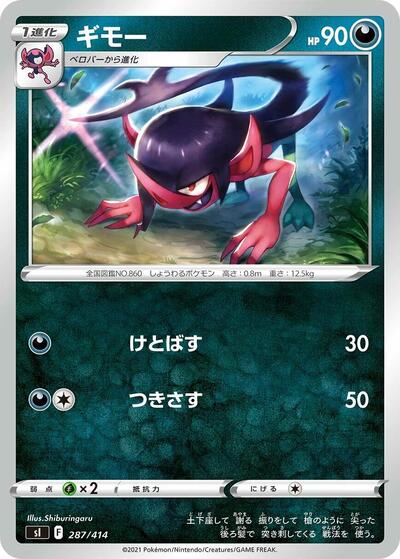
Morgrem (Mirror Holofoil)
287/414$11.67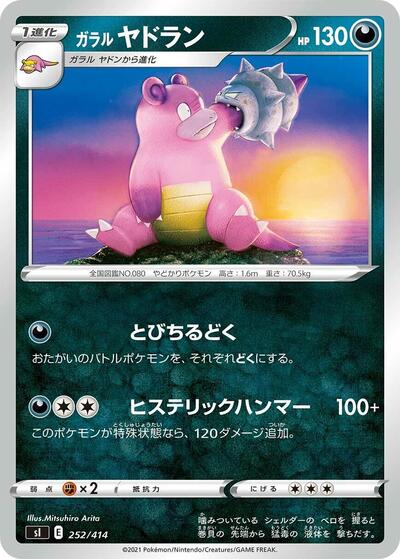
Galarian Slowbro (Mirror Holofoil)
252/414$11.31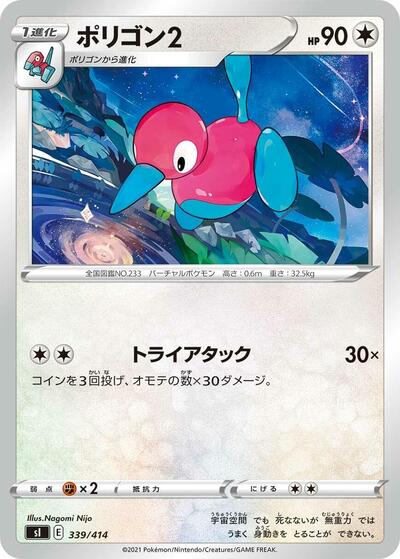
Porygon2
339/414$11.24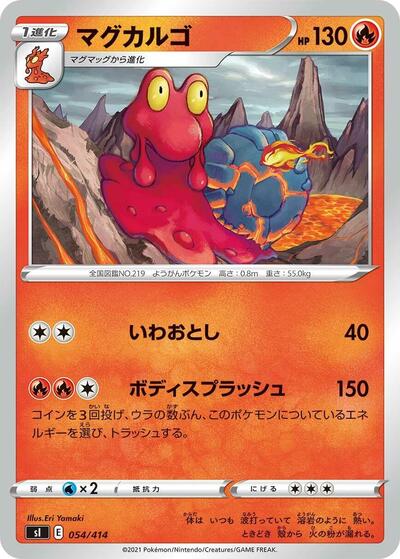
Magcargo (Mirror Holofoil)
054/414$11.22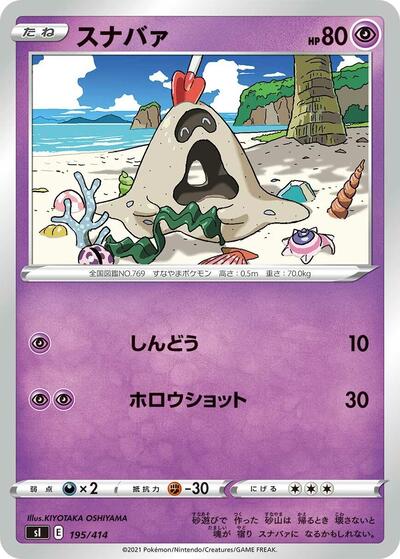
Sandygast
195/414$11.14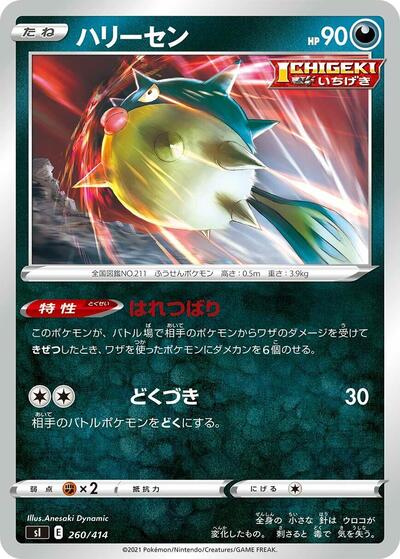
Qwilfish (Mirror Holofoil)
260/414$11.11
In the set
522 singles tracked
- Unlisted517 · 99%
- Common5 · 1%
How to read the set index
- What is the typical single?
- The median fair value of the set's Near Mint English singles — the price in the middle, so one chase card can't drag it up. Fair value comes from real sales only; the marketplace's Market Price is shown on card pages but never counted.
- What does the index line show?
- The Set Value Index: one Near Mint copy of every printing at fair value, compared week to week on the same printings, so it moves with the set's value — the chase cards most. It starts at 100; the 90-day figure is that line over the last quarter. Beside it, the typical card (every card counted the same, chases left out) and the chases on their own.
- How is popularity scored?
- Out of 100, against the rest of the game: how much the set's cards sell for, how many of them sell each week, how many cards it holds and how its index has moved. It ranks sets; it isn't a price.