

DRLG · Yu-Gi-Oh!
Dragons of Legend
51 cards, led by Dark Magician Girl the Dragon Knight at $24.83.
Released Apr 25, 2014
Set index · DRLG
87.42
−12.58 (−12.58%)1Y
- 1W
- −1.13%
- 1M
- −6.81%
- 1Y
- −12.58%
52W low 86.66high 101.60


The 5 most valuable · $4.15 – $24.83
- Cards
- 51
- Priced printings
- 102
- Sales a week
- 34
- Typical single, Near Mint
- $0.48
- Popularity
- 54/100
- Standing
- #254
The index
A score that starts at 100 and moves with the set's fair value, compared on the same printings week to week.
One Near Mint copy of every printing at fair value; the chase cards move it most.
Master set value
one of every printing · fair value · Nov 11, 2026
- NM
- $204.59
- 102 of 102 priced · 100% from sales
- LP
- $149.15
- 102 of 102 priced · 100% from sales
- MP
- $132.25
- 102 of 102 priced · 93% from sales
- HP
- $105.51
- 102 of 102 priced · 61% from sales
- DMG
- $88.77
- 102 of 102 priced · 33% from sales
Near Mint was $230.13 on Aug 30, 2026 (-11.1%). Totals move when printings are added or first priced; the index above doesn't.
Sealed
Every way Dragons of Legend was sold, priced.
4 products
- Booster Box
Booster Box
Booster Box [Unlimited Edition]
- Market Price
- —
- MSRP
- —
What's inside
Inside
- 24×Booster Pack [Unlimited Edition]
- Booster Pack
Booster Pack
Booster Pack [Unlimited Edition]
- Market Price
- —
- MSRP
- $3.99
Cards
51 of 51 valued in Near Mint
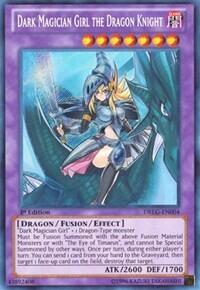
Dark Magician Girl the Dragon Knight
Secret Rare$24.83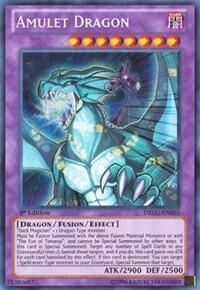
Amulet Dragon
Secret Rare$13.36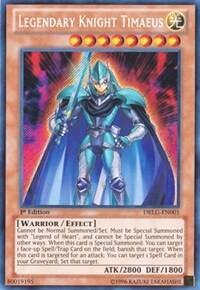
Legendary Knight Timaeus
Secret Rare$10.67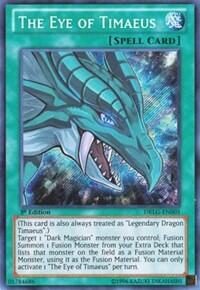
The Eye of Timaeus
Secret Rare$8.78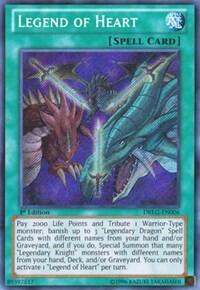
Legend of Heart
Secret Rare$4.15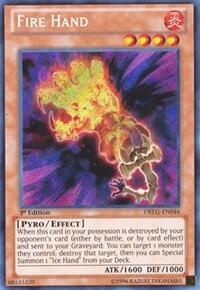
Fire Hand
Secret Rare$2.54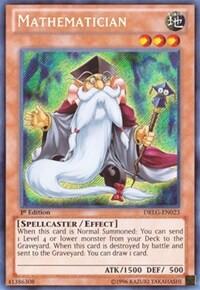
Mathematician
Secret Rare$2.15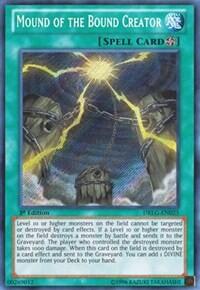
Mound of the Bound Creator
Secret Rare$2.06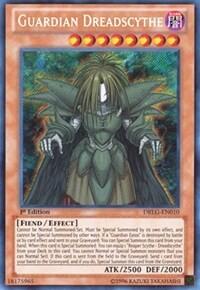
Guardian Dreadscythe
Secret Rare$1.94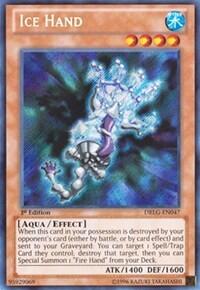
Ice Hand
Secret Rare$1.91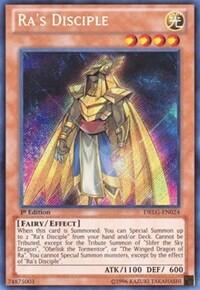
Ra's Disciple
Secret Rare$1.86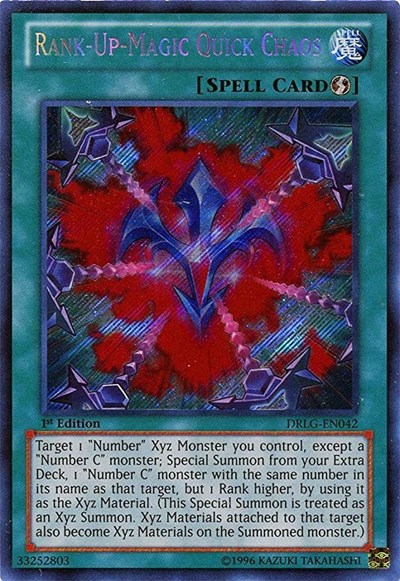
Rank-Up-Magic Quick Chaos
Secret Rare$1.80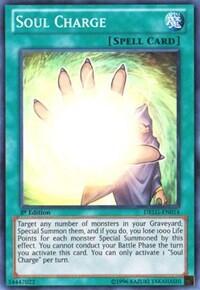
Soul Charge
Super Rare$1.52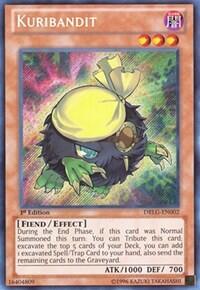
Kuribandit
Secret Rare$0.97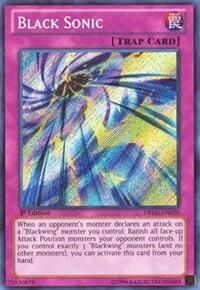
Black Sonic
Secret Rare$0.92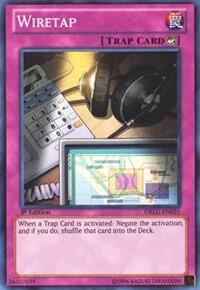
Wiretap
Super Rare$0.74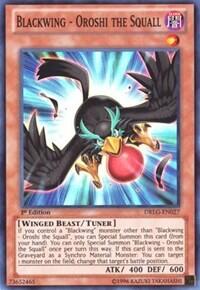
Blackwing - Oroshi the Squall
Super Rare$0.71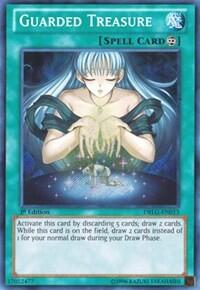
Guarded Treasure
Secret Rare$0.63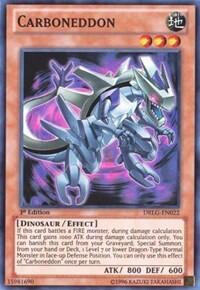
Carboneddon
Super Rare$0.51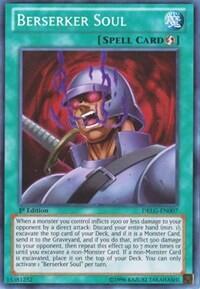
Berserker Soul
Secret Rare$0.50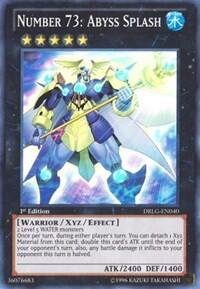
Number 73: Abyss Splash
Super Rare$0.50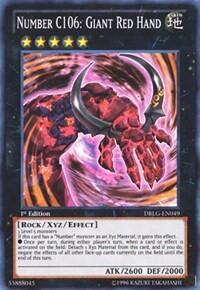
Number C106: Giant Red Hand
Super Rare$0.50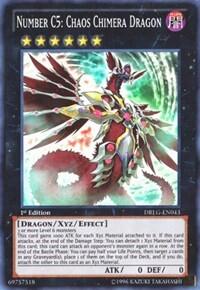
Number C5: Chaos Chimera Dragon
Super Rare$0.48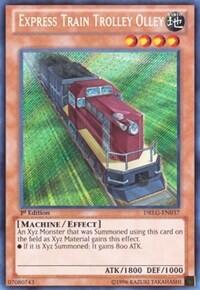
Express Train Trolley Olley
Secret Rare$0.47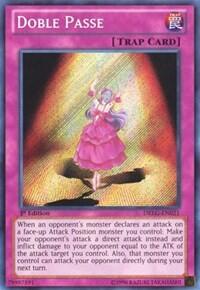
Doble Passe
Secret Rare$0.46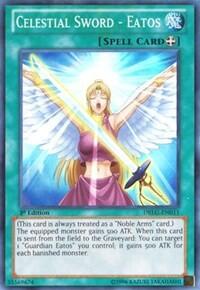
Celestial Sword - Eatos
Super Rare$0.45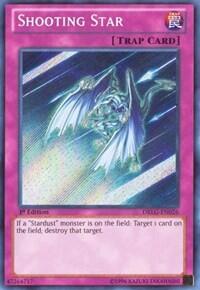
Shooting Star
Secret Rare$0.45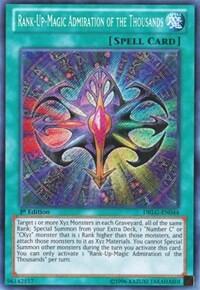
Rank-Up-Magic Admiration of the Thousands
Secret Rare$0.40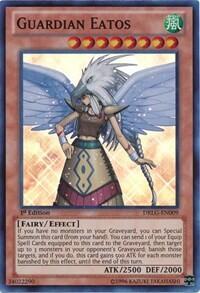
Guardian Eatos
Super Rare$0.35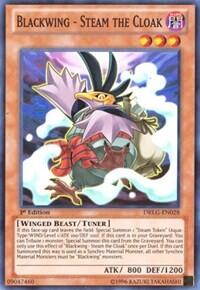
Blackwing - Steam the Cloak
Super Rare$0.35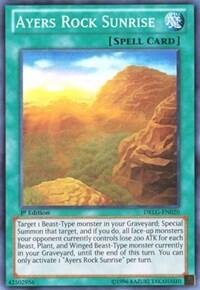
Ayers Rock Sunrise
Super Rare$0.32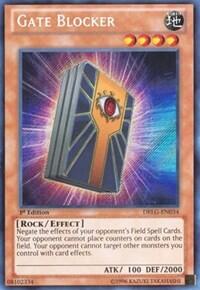
Gate Blocker
Secret Rare$0.30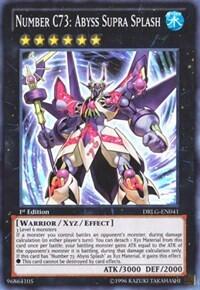
Number C73: Abyss Supra Splash
Super Rare$0.29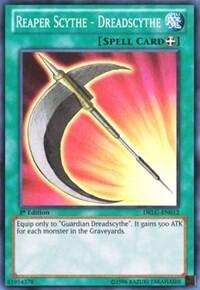
Reaper Scythe - Dreadscythe
Super Rare$0.25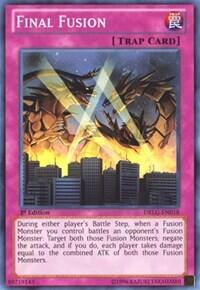
Final Fusion
Super Rare$0.25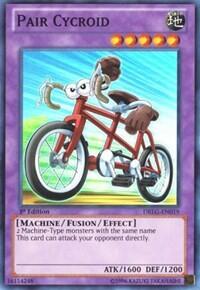
Pair Cycroid
Super Rare$0.25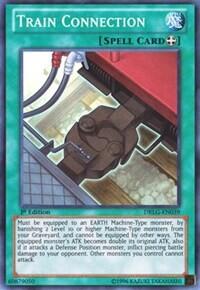
Train Connection
Super Rare$0.25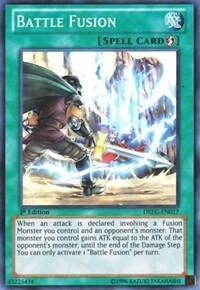
Battle Fusion
Super Rare$0.23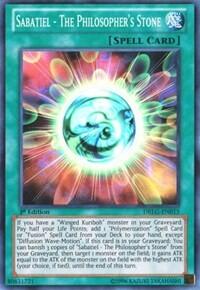
Sabatiel - The Philosopher's Stone
Super Rare$0.22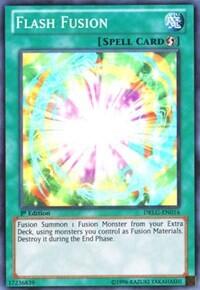
Flash Fusion
Super Rare$0.21
In the set
51 singles tracked
- Super Rare30 · 59%
- Secret Rare21 · 41%
How to read the set index
- What is the typical single?
- The median fair value of the set's Near Mint English singles — the price in the middle, so one chase card can't drag it up. Fair value comes from real sales only; the marketplace's Market Price is shown on card pages but never counted.
- What does the index line show?
- The Set Value Index: one Near Mint copy of every printing at fair value, compared week to week on the same printings, so it moves with the set's value — the chase cards most. It starts at 100; the 90-day figure is that line over the last quarter. Beside it, the typical card (every card counted the same, chases left out) and the chases on their own.
- How is popularity scored?
- Out of 100, against the rest of the game: how much the set's cards sell for, how many of them sell each week, how many cards it holds and how its index has moved. It ranks sets; it isn't a price.