

Booster Pack
Code of the Duelist Booster Pack
- Market Price
- $2.30
- MSRP
- —
- Loose
- $2.30
- Each, in the sealed product
- $2.36
COTD · Yu-Gi-Oh!
105 cards, led by Firewall Dragon at $8.96.
Released Aug 3, 2017
Set index · COTD
55.94
−44.06 (−44.06%)1Y


The 5 most valuable · $0.11 – $8.96
A score that starts at 100 and moves with the set's fair value, compared on the same printings week to week.
One Near Mint copy of every printing at fair value; the chase cards move it most.
one of every printing · fair value · Nov 13, 2026
Near Mint was $175.50 on Aug 30, 2026 (-49.0%). Totals move when printings are added or first priced; the index above doesn't.
Every way Code of the Duelist was sold, priced.
4 products
Booster Pack
Booster Box
Inside
Display
Code of the Duelist: Special Edition Display
Inside
Collection Box
Code of the Duelist: Special Edition Box
$3.31 per pack
Inside
105 of 105 valued in Near Mint
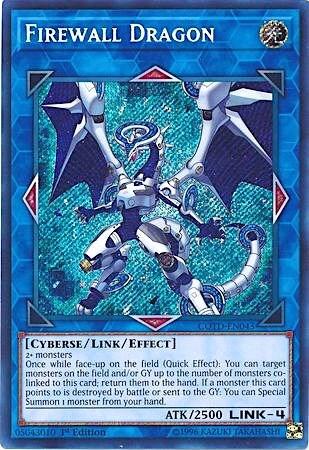
Firewall Dragon
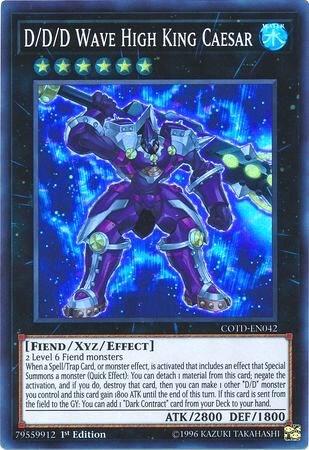
D/D/D Wave High King Caesar
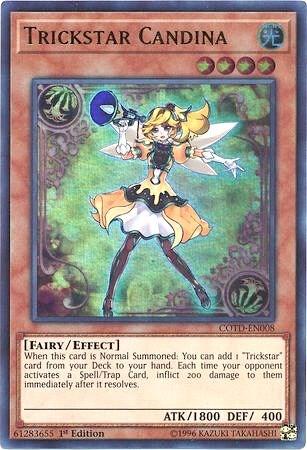
Trickstar Candina
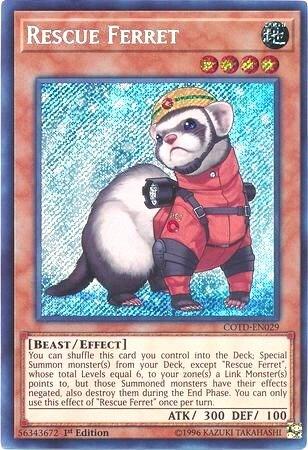
Rescue Ferret
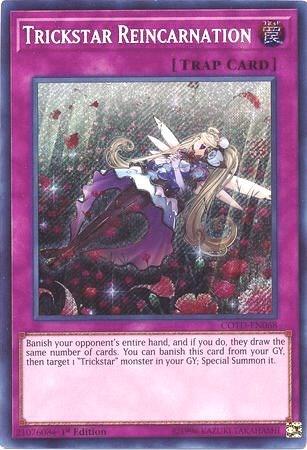
Trickstar Reincarnation
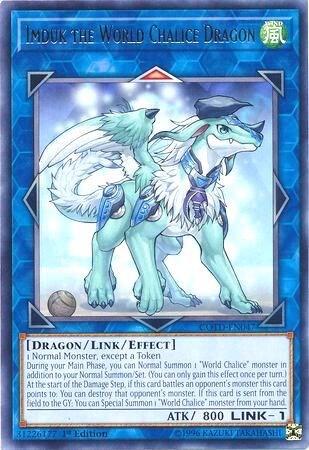
Imduk the World Chalice Dragon
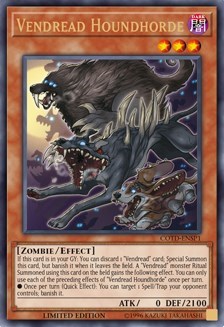
Vendread Houndhorde (COTD-ENSP1)
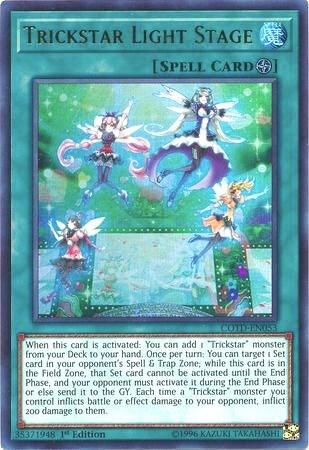
Trickstar Light Stage
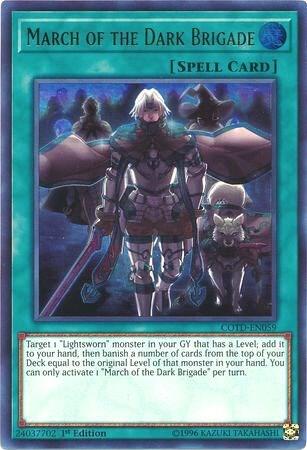
March of the Dark Brigade
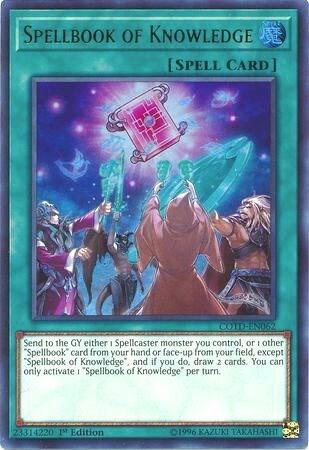
Spellbook of Knowledge
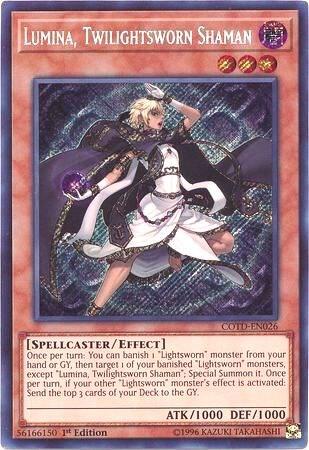
Lumina, Twilightsworn Shaman
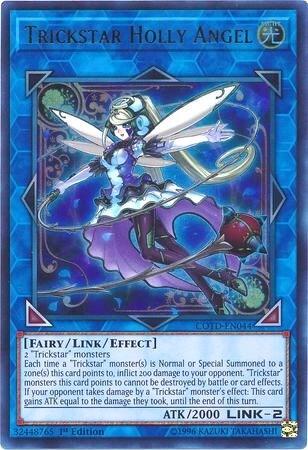
Trickstar Holly Angel
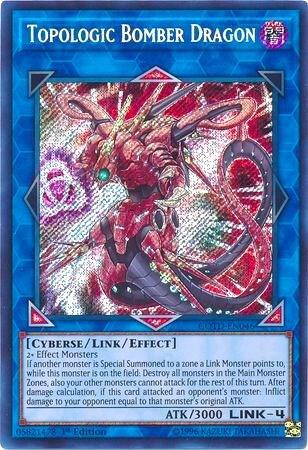
Topologic Bomber Dragon
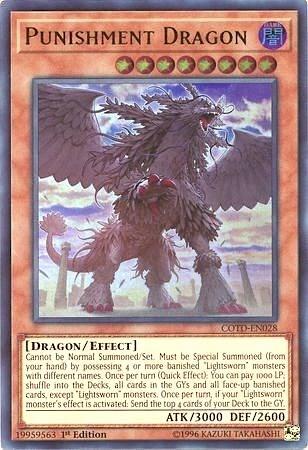
Punishment Dragon
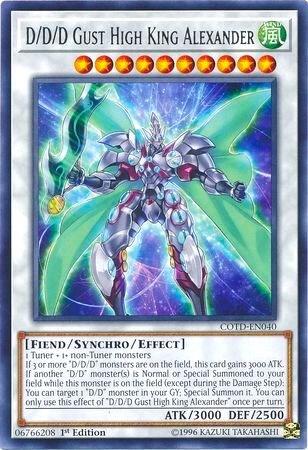
D/D/D Gust High King Alexander
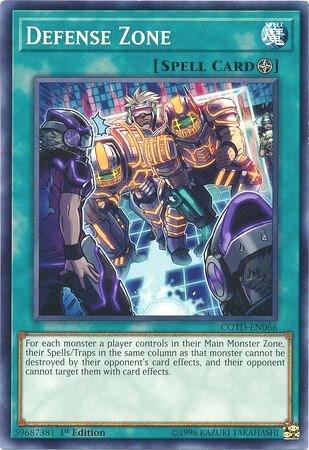
Defense Zone
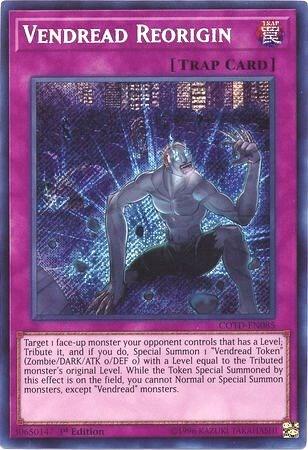
Vendread Reorigin
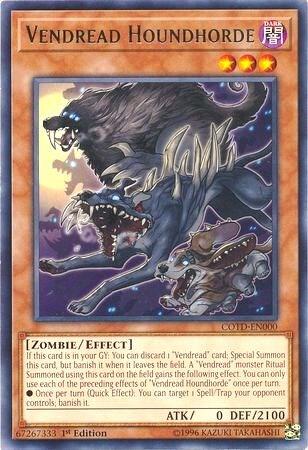
Vendread Houndhorde
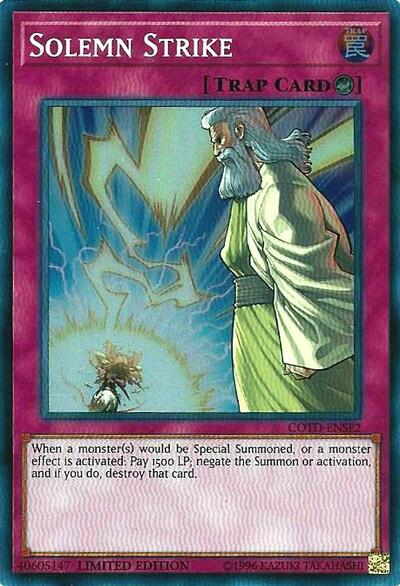
Solemn Strike
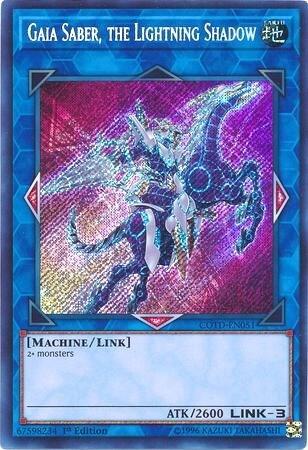
Gaia Saber, the Lightning Shadow
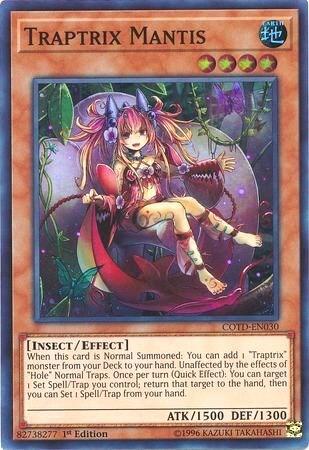
Traptrix Mantis
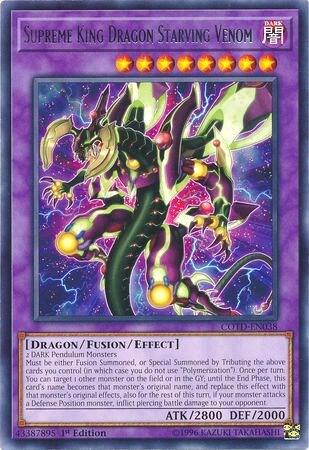
Supreme King Dragon Starving Venom
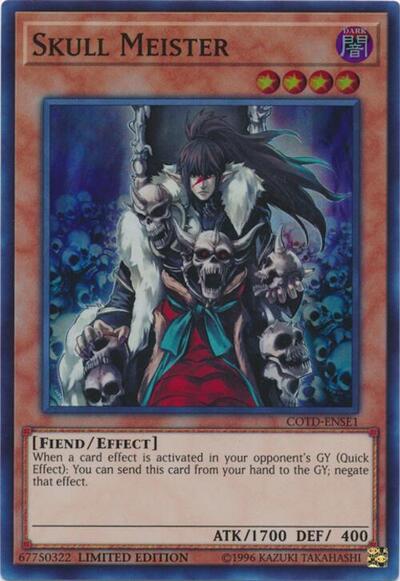
Skull Meister
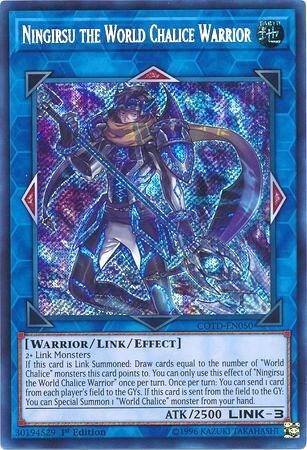
Ningirsu the World Chalice Warrior
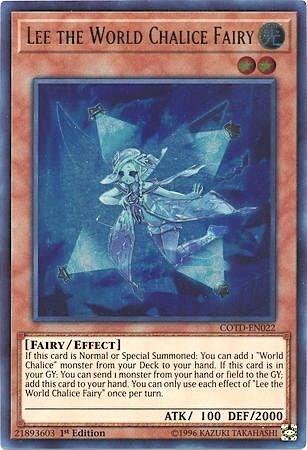
Lee the World Chalice Fairy
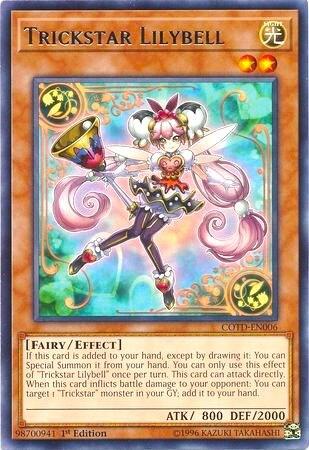
Trickstar Lilybell
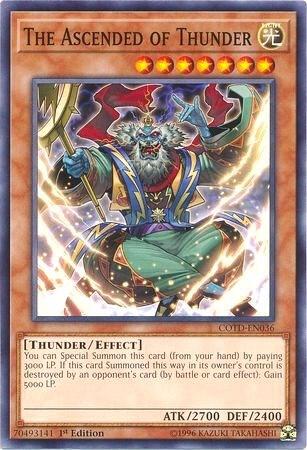
The Ascended of Thunder
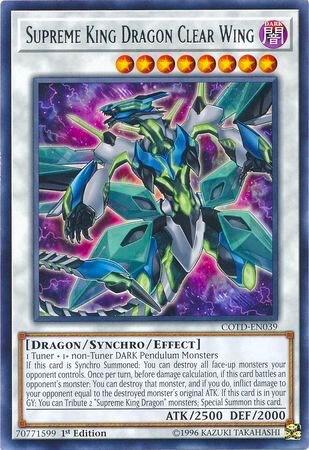
Supreme King Dragon Clear Wing
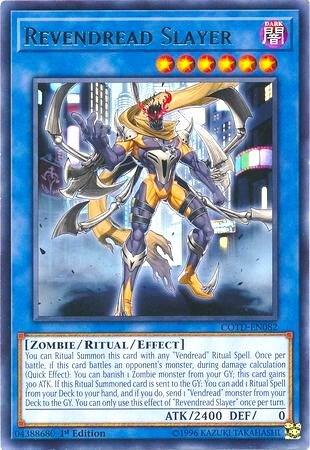
Revendread Slayer
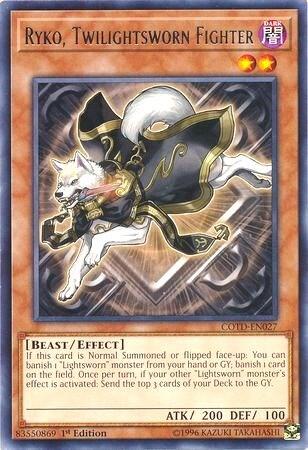
Ryko, Twilightsworn Fighter
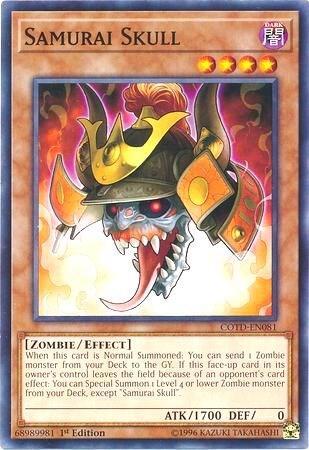
Samurai Skull
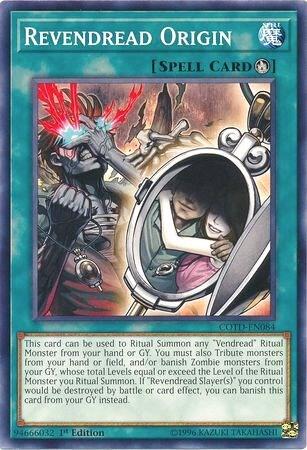
Revendread Origin
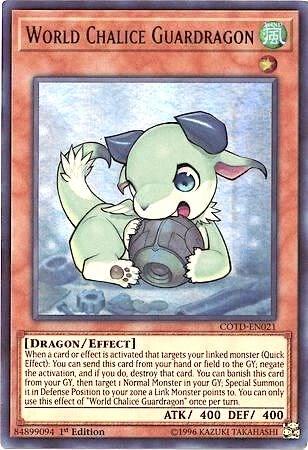
World Chalice Guardragon
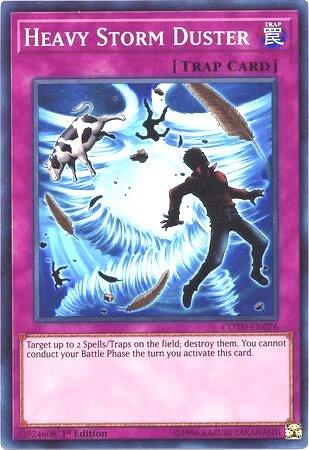
Heavy Storm Duster
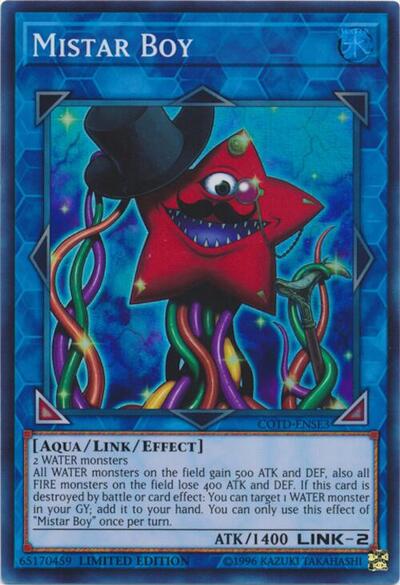
Mistar Boy
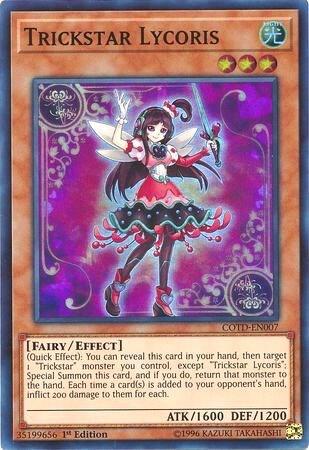
Trickstar Lycoris
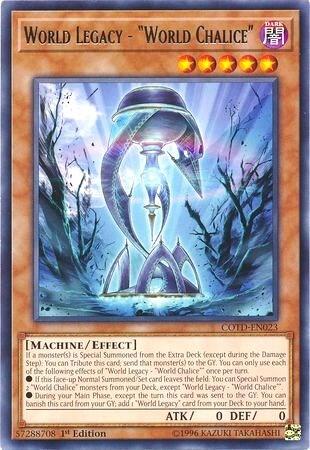
World Legacy - "World Chalice"
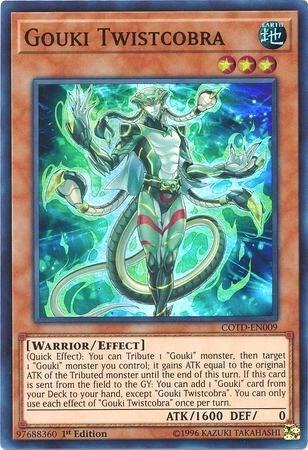
Gouki Twistcobra
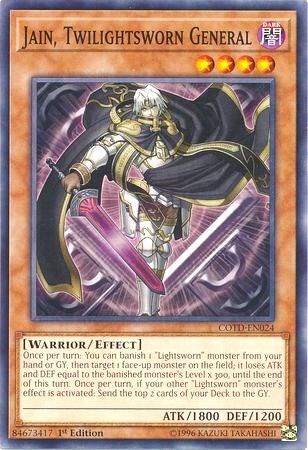
Jain, Twilightsworn General
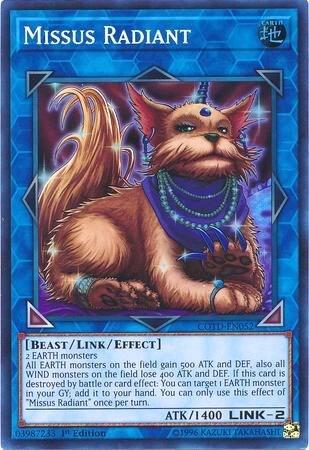
Missus Radiant
105 singles tracked