

Booster Pack
Classic Sixth Edition - Booster Pack
- Market Price
- $45.70
- MSRP
- $2.99*
- Against MSRP
- ▲ 1428% vs MSRP
- Loose
- $45.70
- Each, in the sealed product
- $52.78

6ED · Magic: The Gathering
348 cards, led by Vampiric Tutor at $65.84.
Released Apr 21, 1999
Set index · 6ED
73.37
−26.63 (−26.63%)1Y


The 5 most valuable · $21.74 – $65.84
A score that starts at 100 and moves with the set's fair value, compared on the same printings week to week.
One Near Mint copy of every printing at fair value; the chase cards move it most.
one of every printing · fair value · Nov 10, 2026
Near Mint was $847.67 on Aug 30, 2026 (-28.7%). Totals move when printings are added or first priced; the index above doesn't.
Every way Classic Sixth Edition was sold, priced.
5 products
Booster Pack
Booster Box
InsideReported
Starter Deck
Two-Player Starter Deck
Inside
Starter Deck
Two-Player Starter Set Box
Inside
Booster Pack
Tournament Pack
InsideReported
* Standard MSRP for that product type, or a bundle's count × that price.
348 of 348 valued in Near Mint
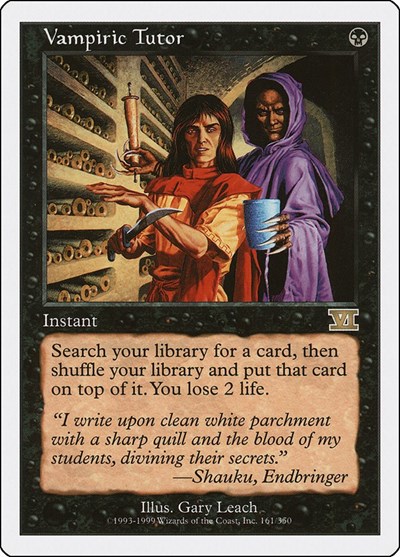
Vampiric Tutor
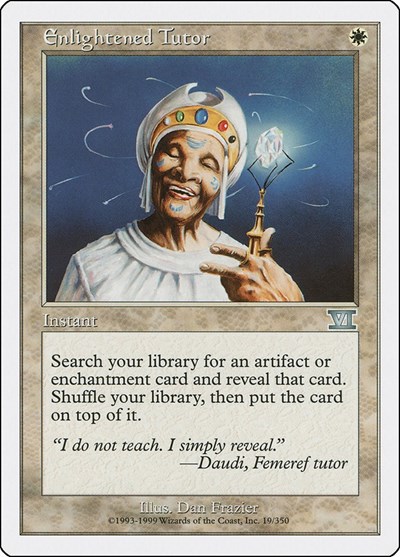
Enlightened Tutor
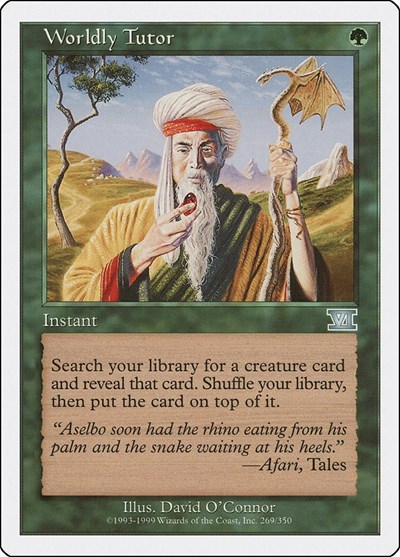
Worldly Tutor
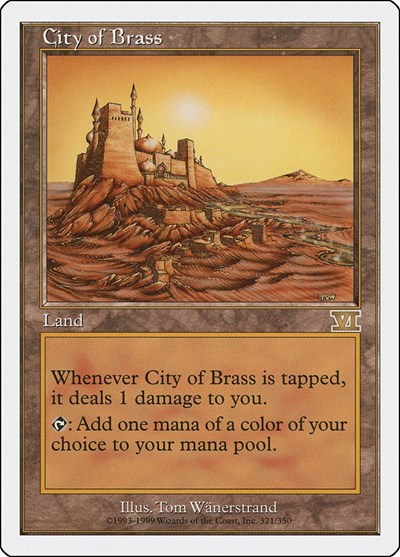
City of Brass
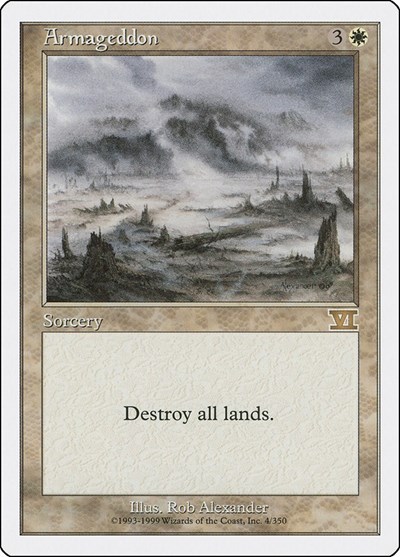
Armageddon
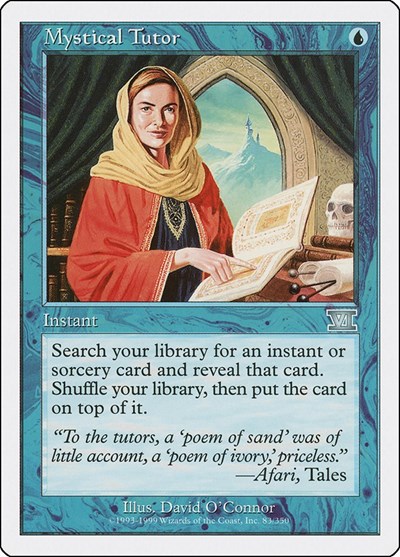
Mystical Tutor
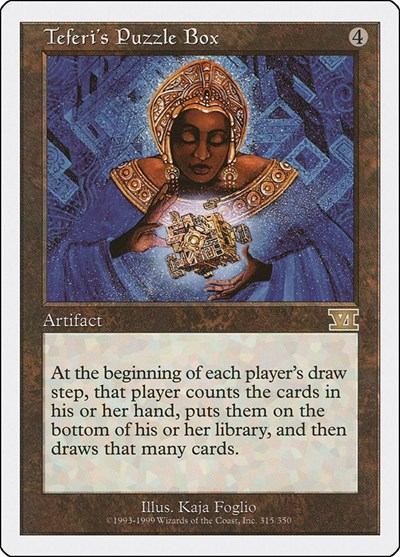
Teferi's Puzzle Box
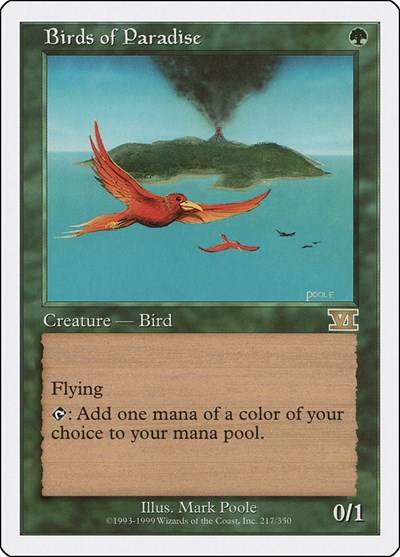
Birds of Paradise
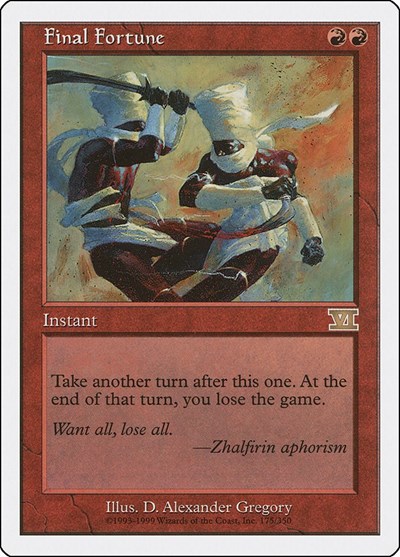
Final Fortune
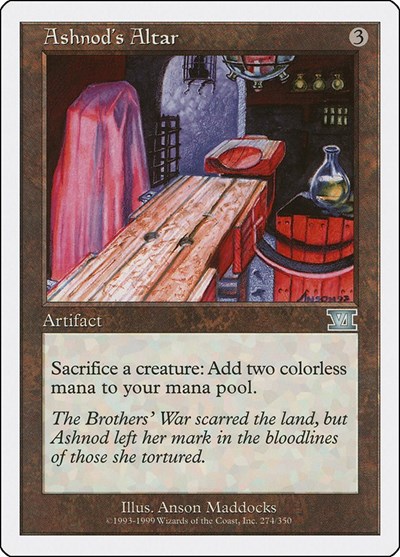
Ashnod's Altar
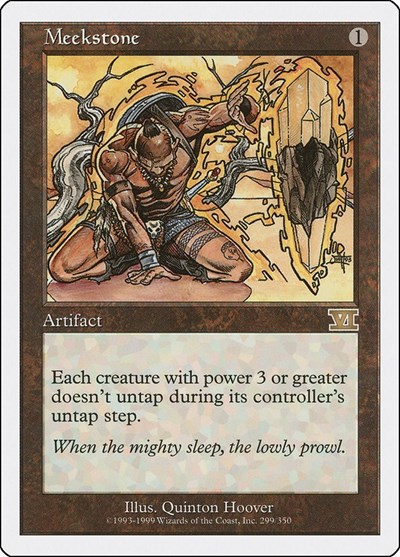
Meekstone
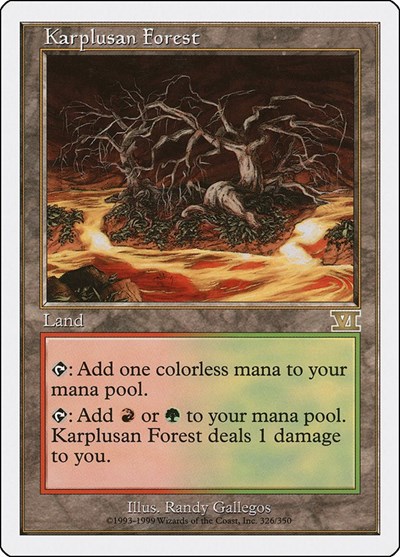
Karplusan Forest
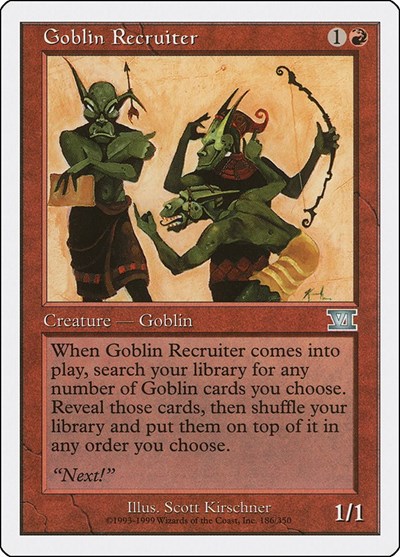
Goblin Recruiter
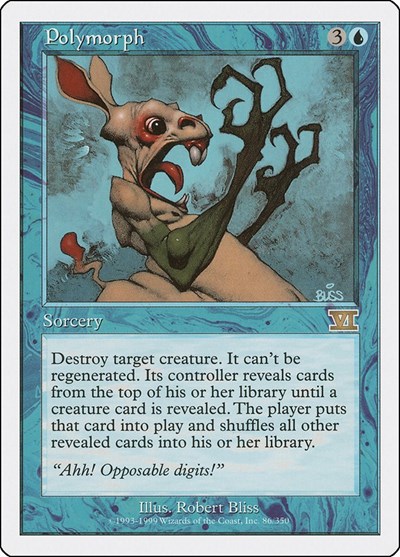
Polymorph
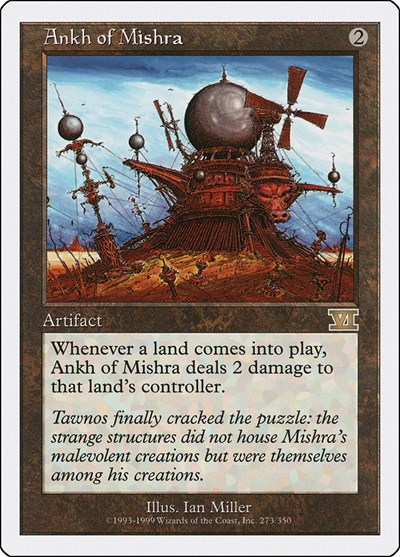
Ankh of Mishra

Howling Mine
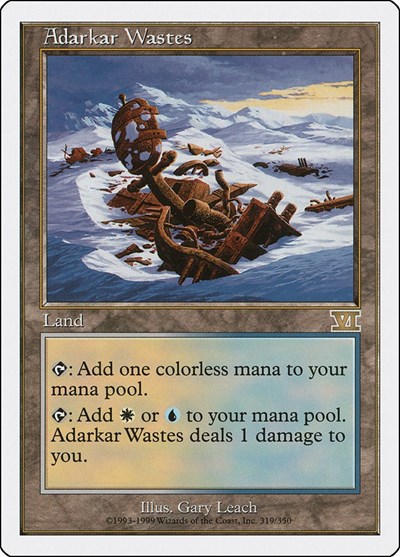
Adarkar Wastes
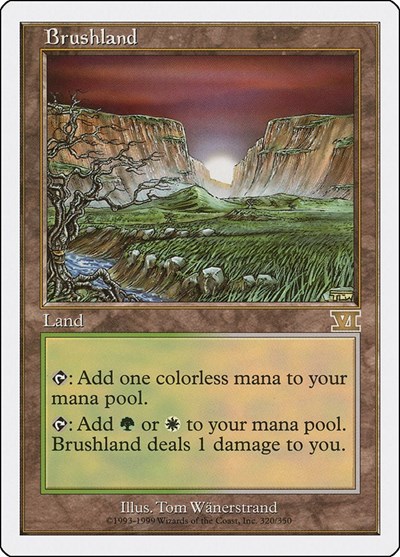
Brushland
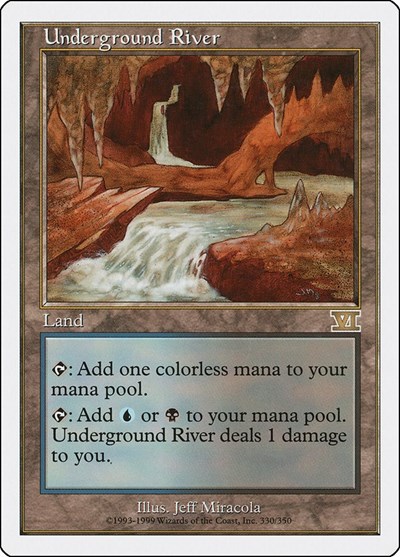
Underground River
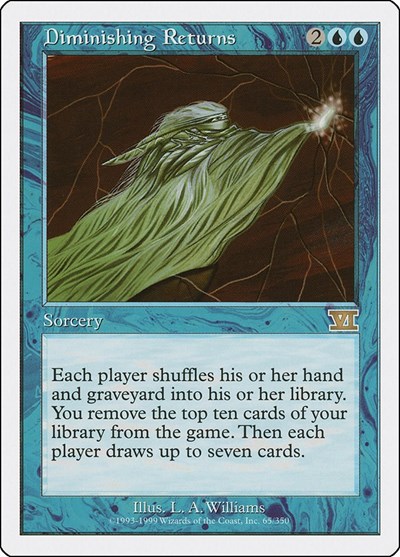
Diminishing Returns
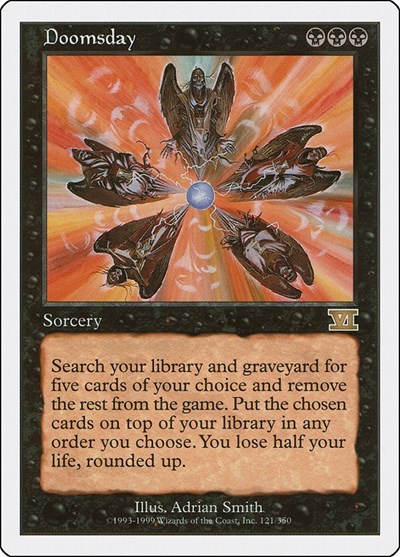
Doomsday
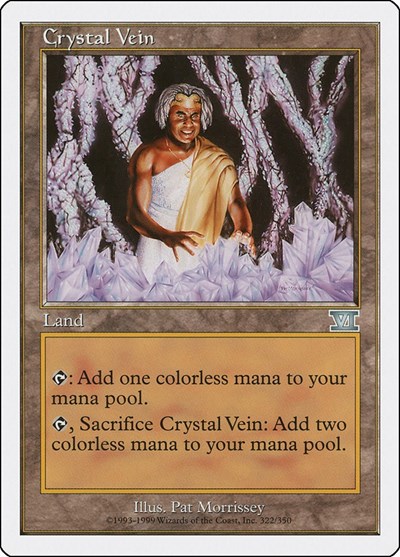
Crystal Vein
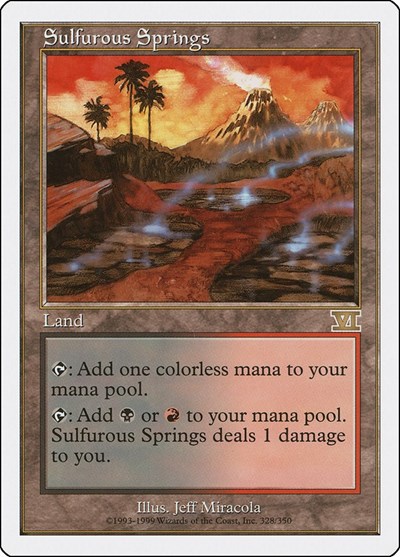
Sulfurous Springs
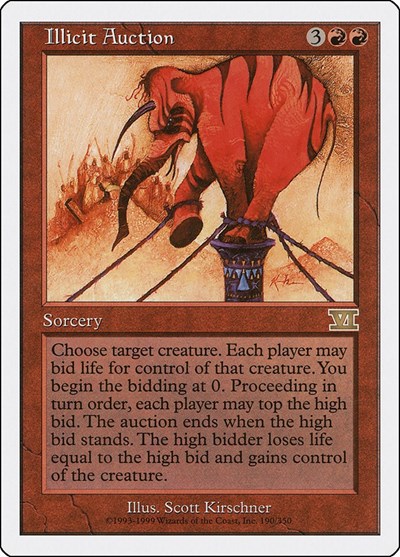
Illicit Auction
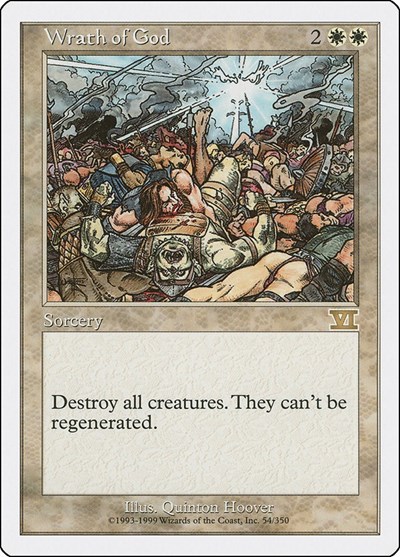
Wrath of God
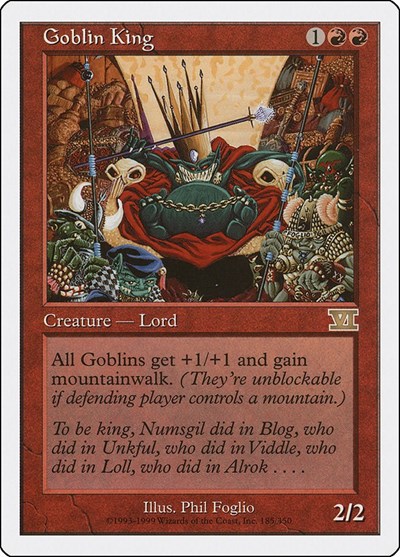
Goblin King
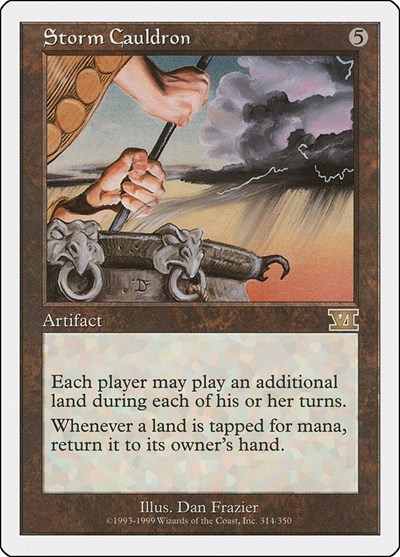
Storm Cauldron
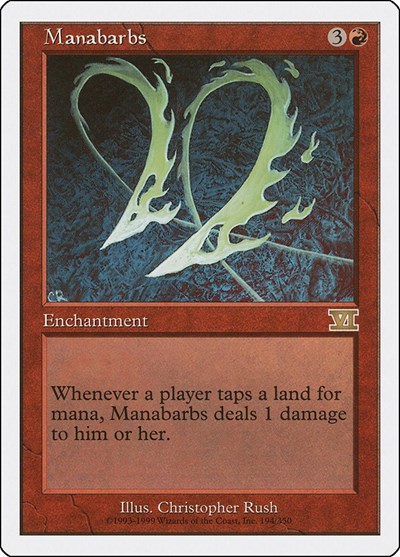
Manabarbs
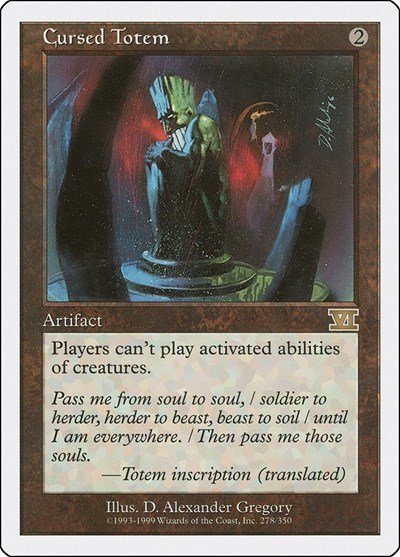
Cursed Totem
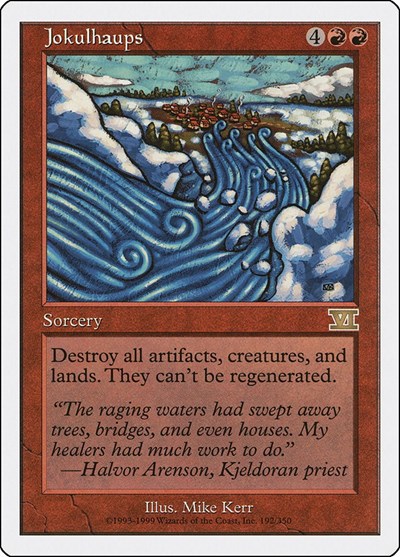
Jokulhaups
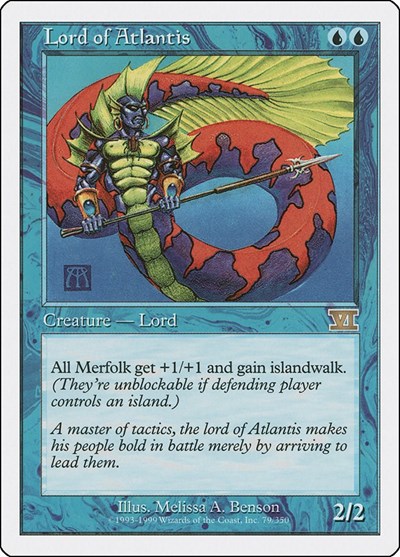
Lord of Atlantis
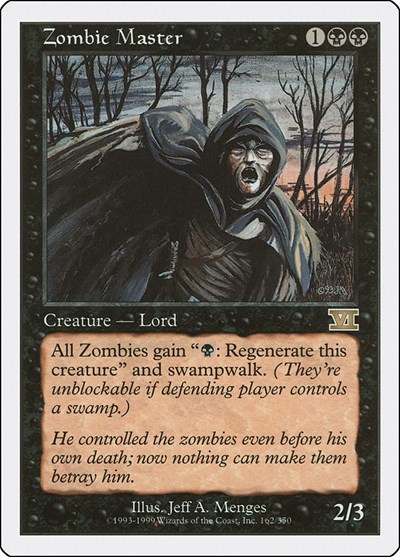
Zombie Master
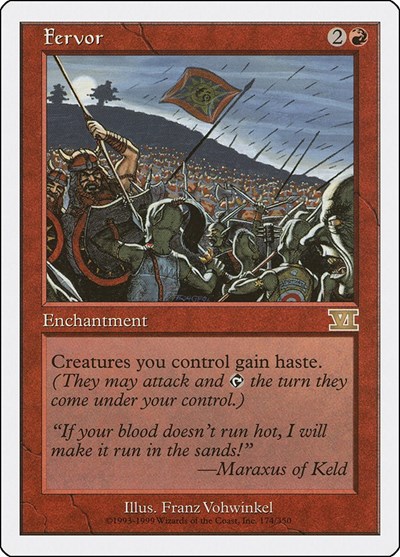
Fervor
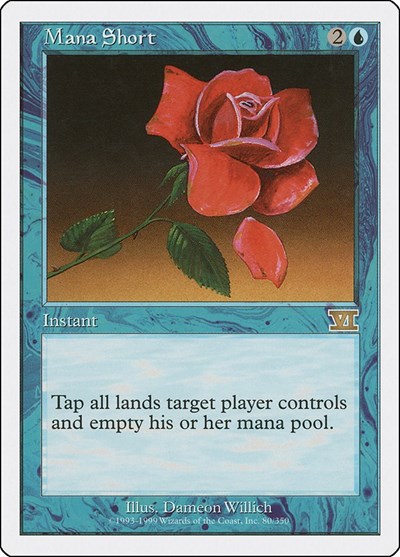
Mana Short
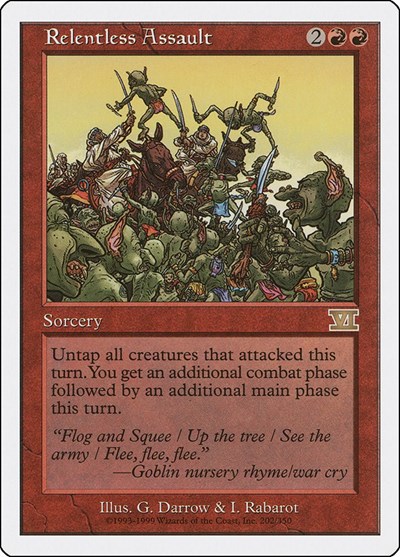
Relentless Assault
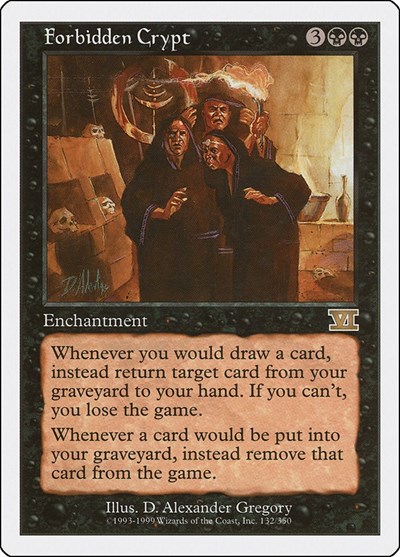
Forbidden Crypt
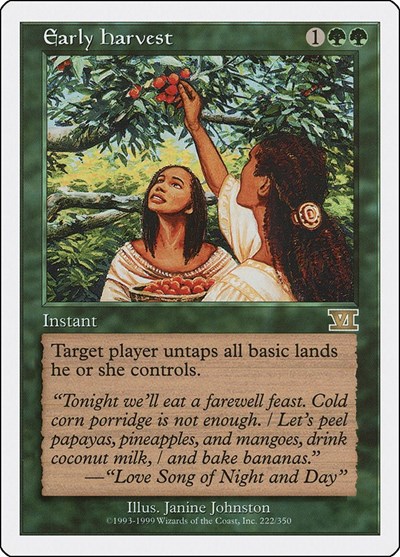
Early Harvest
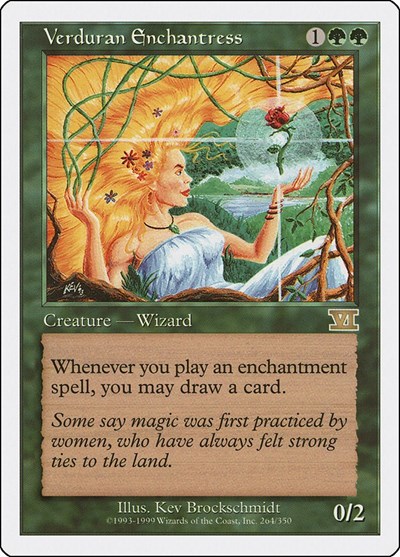
Verduran Enchantress
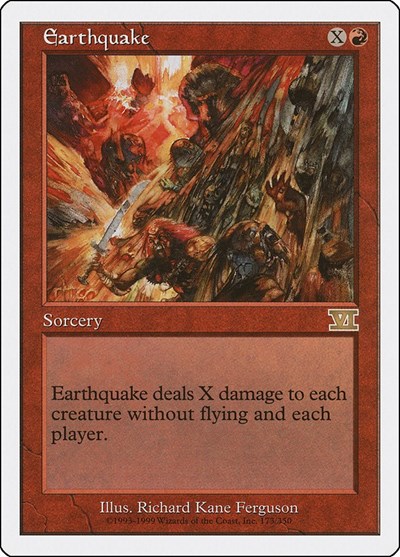
Earthquake
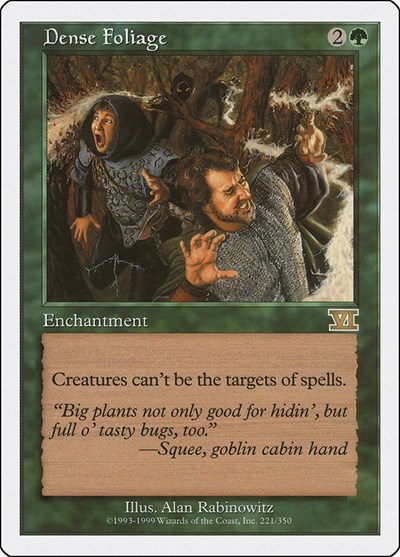
Dense Foliage
348 singles tracked