


 BS2 · Pokémon
Base Set 2
130 cards, led by Charizard at $492.00.
Released Feb 24, 2000
Set index · BS2
107.30
+7.30 (+7.30%)1Y
- 1W
- +6.37%
- 1M
- +4.21%
- 1Y
- +7.30%
52W low 93.87high 107.30


The 5 most valuable · $58.69 – $492.00
- Cards
- 130
- Priced printings
- 130
- Sales a week
- 207
- Set value
- $1,803
- Popularity
- 57/100
- Standing
- #95
The index
A score that starts at 100 and moves with the set's fair value, compared on the same printings week to week.
One Near Mint copy of every printing at fair value; the chase cards move it most.
Master set value
one of every printing · fair value · Nov 15, 2026
- NM
- $1,802.99
- 130 of 130 priced · 100% from sales
- LP
- $1,031.01
- 130 of 130 priced · 100% from sales
- MP
- $754.62
- 130 of 130 priced · 100% from sales
- HP
- $632.19
- 130 of 130 priced · 100% from sales
- DMG
- $428.47
- 130 of 130 priced · 100% from sales
Near Mint was $1,631.84 on Aug 30, 2026 (+10.5%). Totals move when printings are added or first priced; the index above doesn't.
Sealed
Every way Base Set 2 was sold, priced.
7 products
Preconstructed Deck
Theme Deck - "Grass Chopper"
- Market Price
- —
- MSRP
- —
Preconstructed Deck
Theme Deck - "Hot Water"
- Market Price
- —
- MSRP
- —
Preconstructed Deck
Theme Deck - "Lightning Bug"
- Market Price
- $235.00
- MSRP
- —
Preconstructed Deck
Theme Deck - "Psych Out"
- Market Price
- —
- MSRP
- —
Starter Deck
2-Player CD-ROM Starter Set
- Market Price
- $174.76
- MSRP
- —
Cards
130 of 130 valued in Near Mint
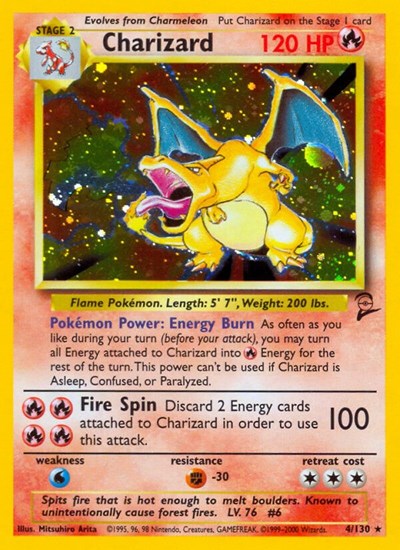
Charizard
Holo Rare$492.00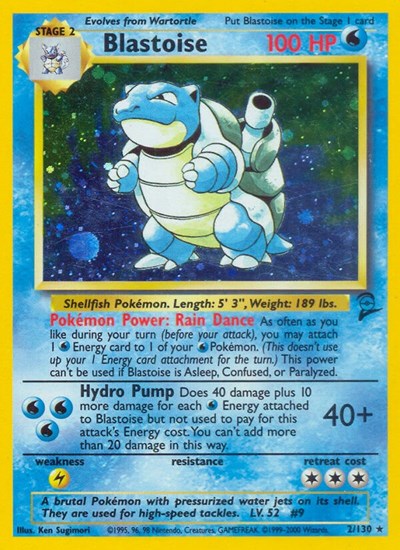
Blastoise
Holo Rare$157.41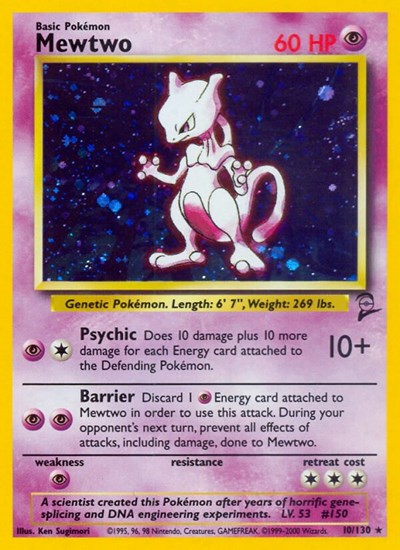
Mewtwo
Holo Rare$124.27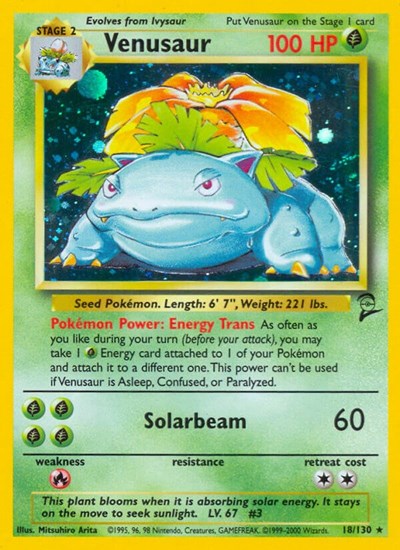
Venusaur
Holo Rare$111.66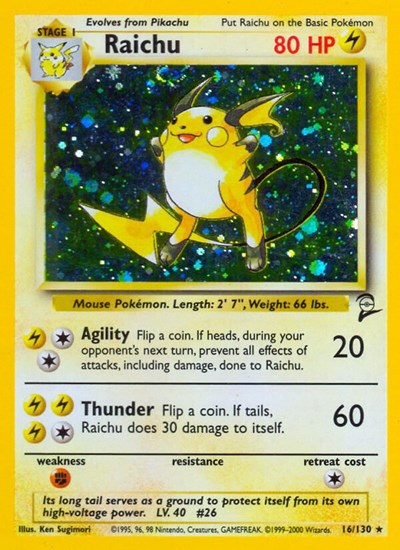
Raichu
Holo Rare$58.69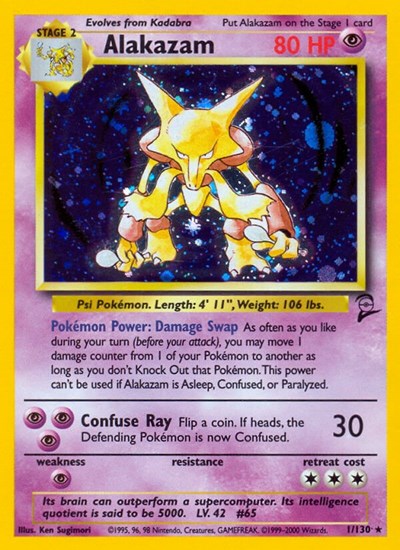
Alakazam
Holo Rare$57.88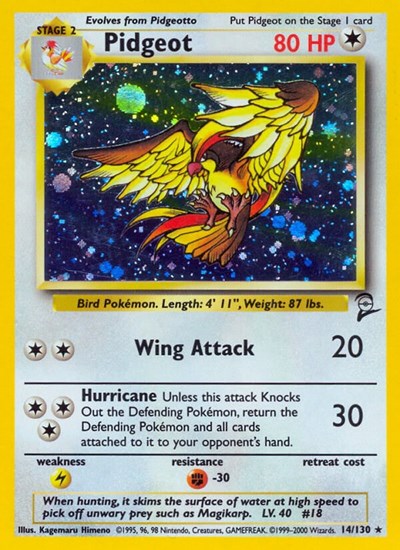
Pidgeot
Holo Rare$53.13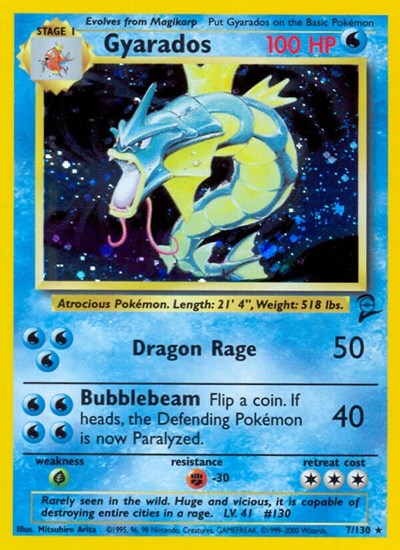
Gyarados
Holo Rare$51.71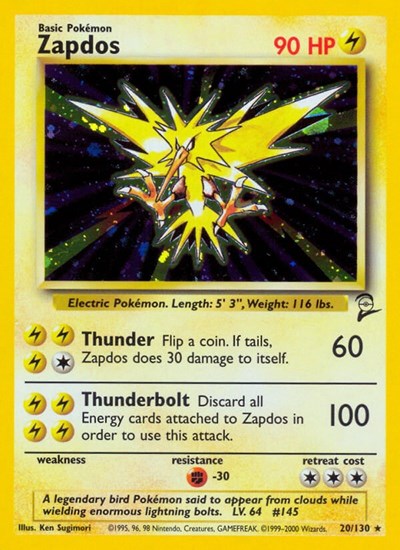
Zapdos
Holo Rare$50.06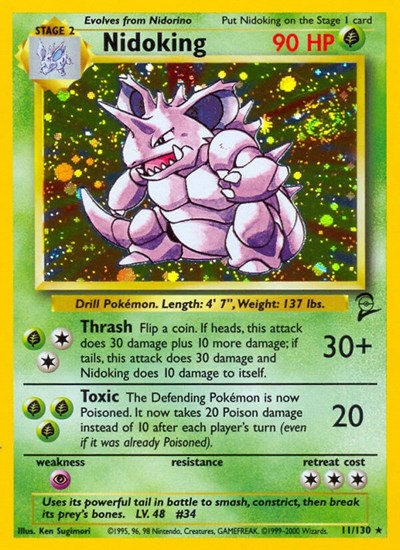
Nidoking
Holo Rare$41.66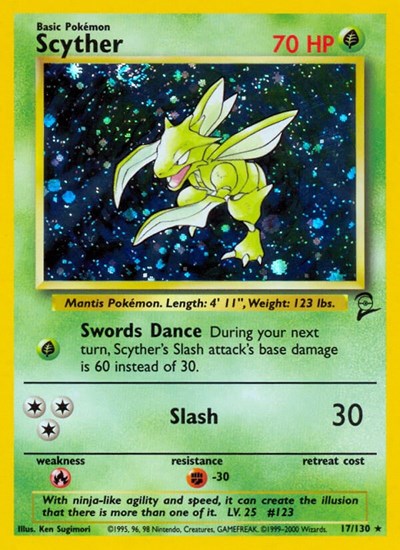
Scyther
Holo Rare$40.90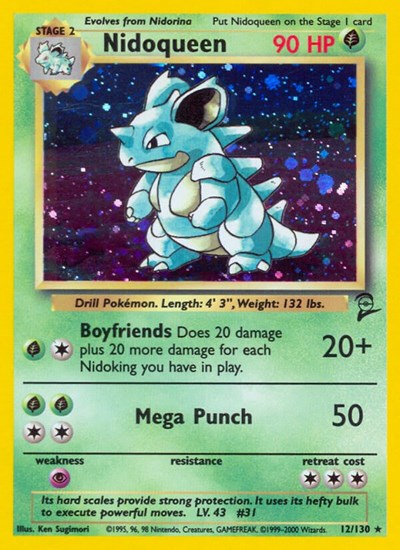
Nidoqueen
Holo Rare$37.61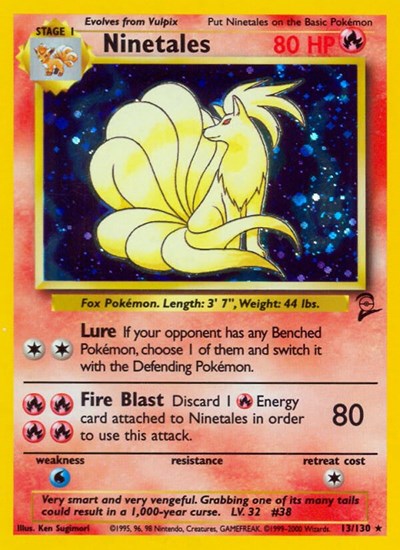
Ninetales
Holo Rare$36.82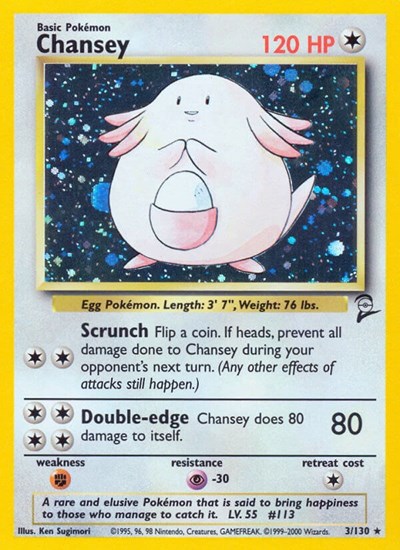
Chansey
Holo Rare$35.69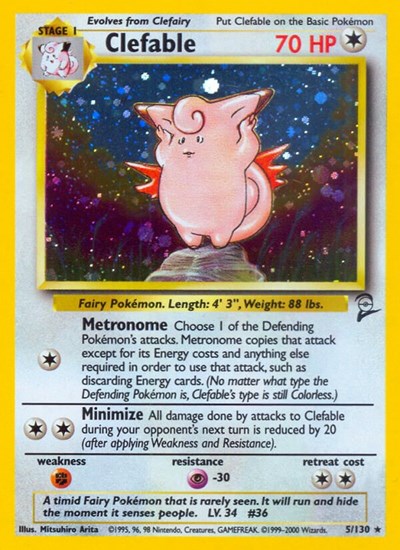
Clefable
Holo Rare$35.61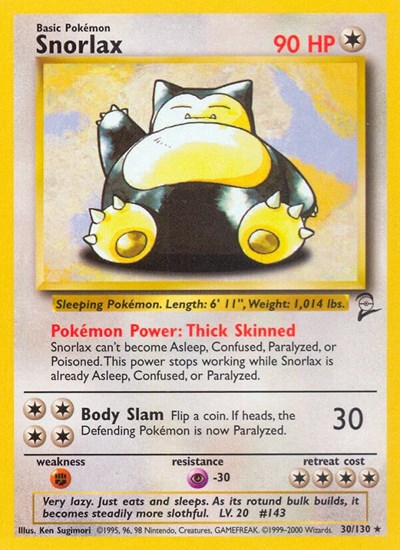
Snorlax
Rare$34.93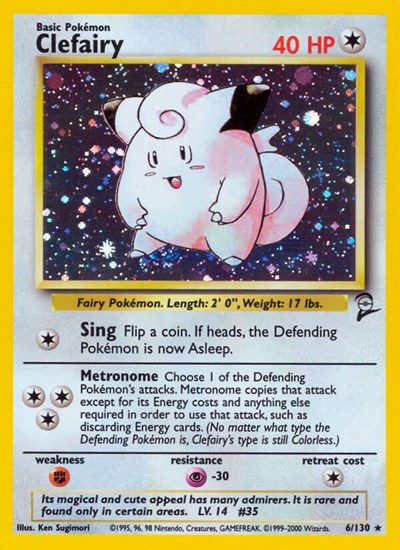
Clefairy
Holo Rare$30.26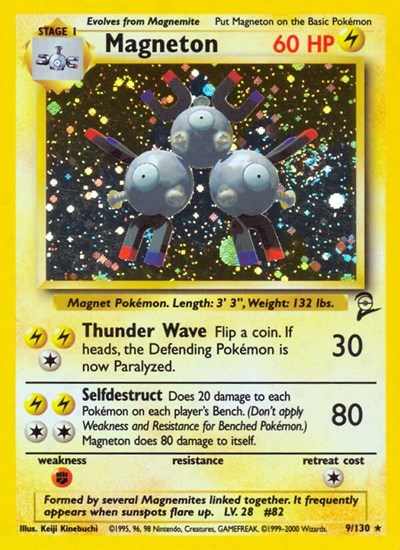
Magneton
Holo Rare$28.99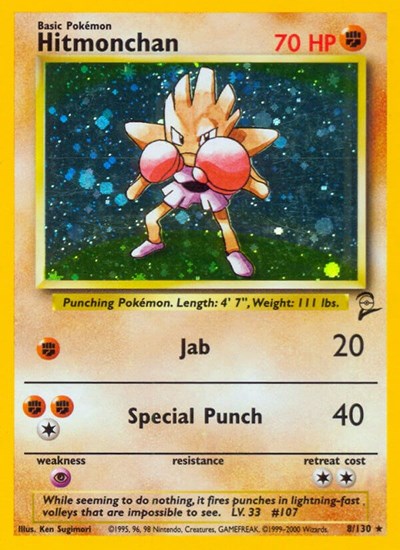
Hitmonchan
Holo Rare$26.85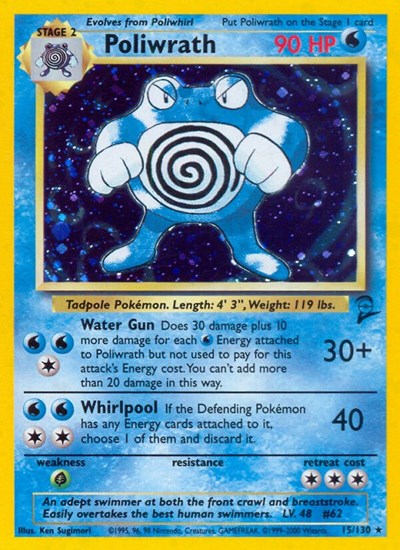
Poliwrath
Holo Rare$23.98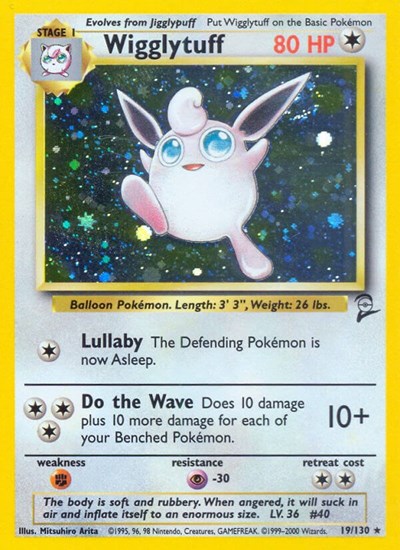
Wigglytuff
Holo Rare$23.09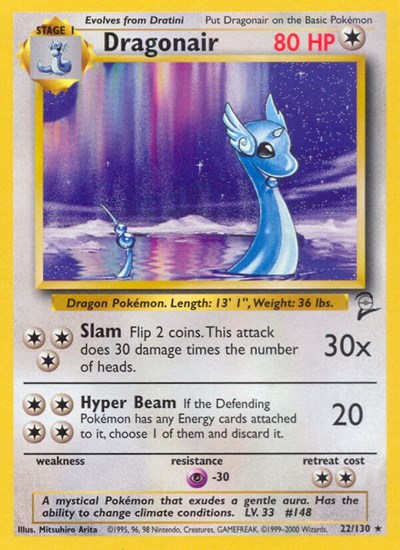
Dragonair
Rare$17.08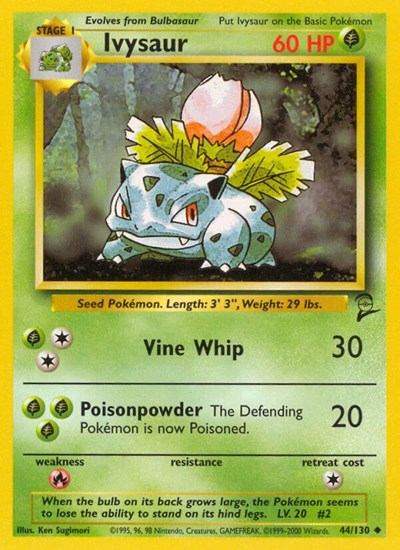
Ivysaur
Uncommon$7.42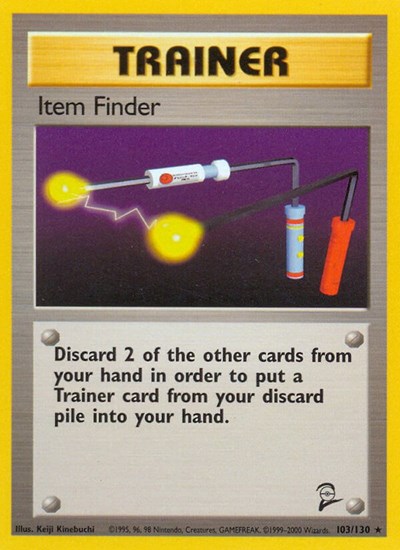
Item Finder
Rare$7.34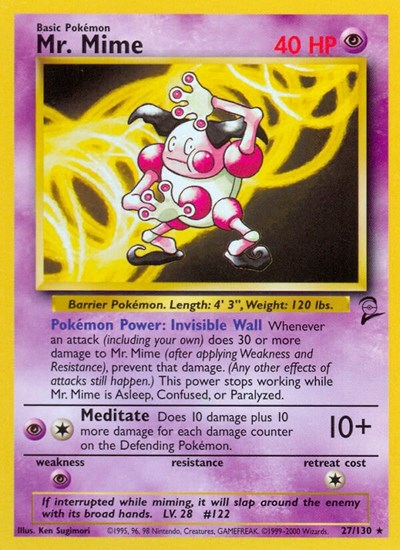
Mr. Mime
Rare$6.76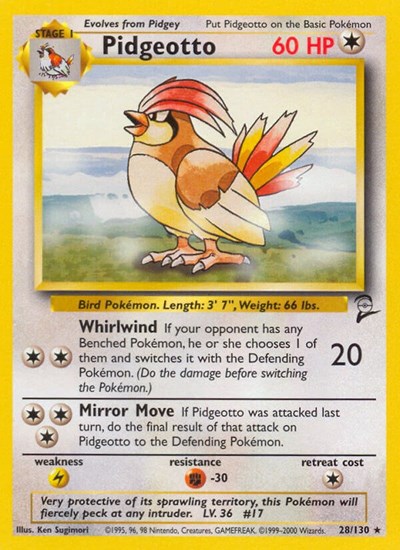
Pidgeotto
Rare$6.60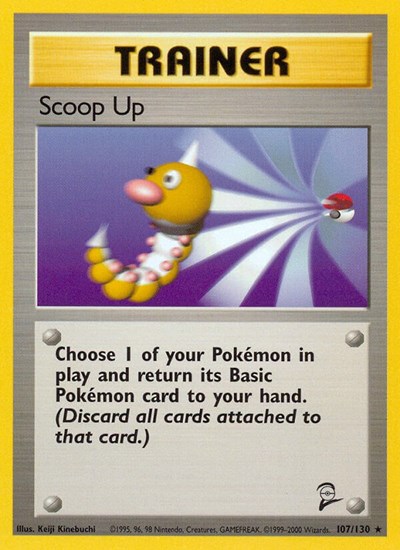
Scoop Up
Rare$5.97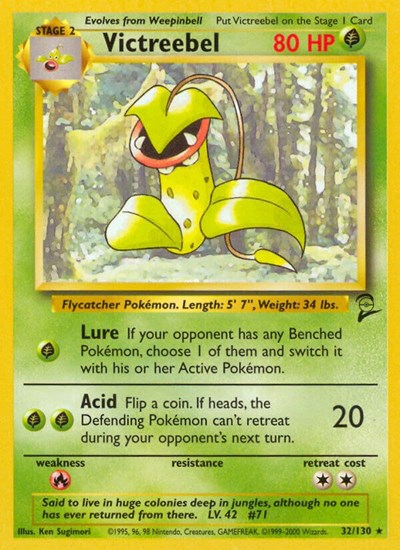
Victreebel
Rare$5.81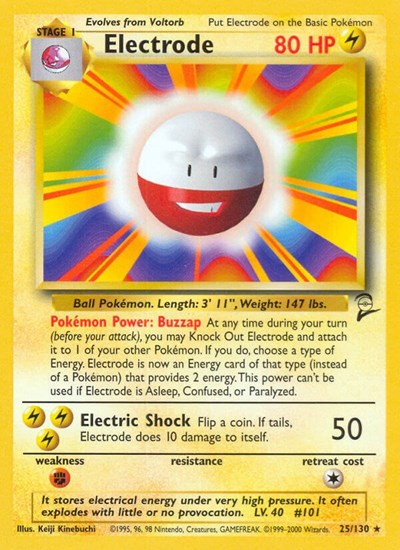
Electrode
Rare$5.66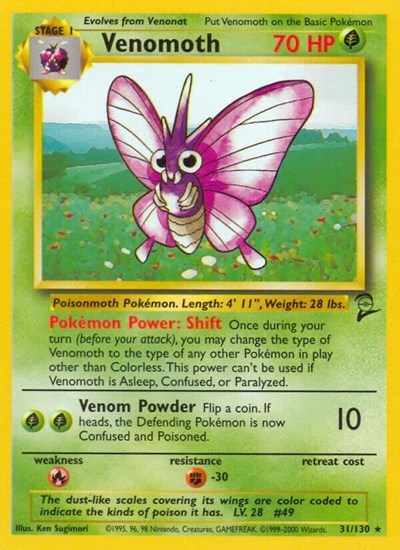
Venomoth
Rare$5.37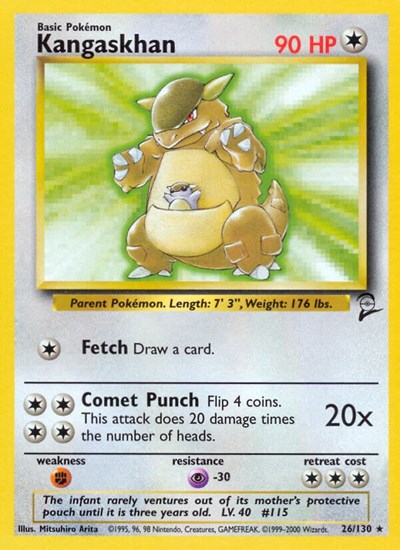
Kangaskhan
Rare$5.09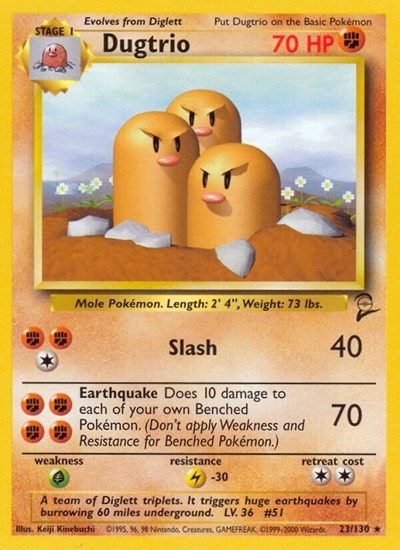
Dugtrio
Rare$5.00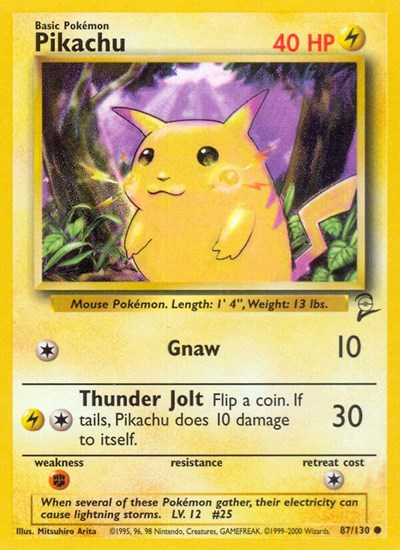
Pikachu
Common$4.96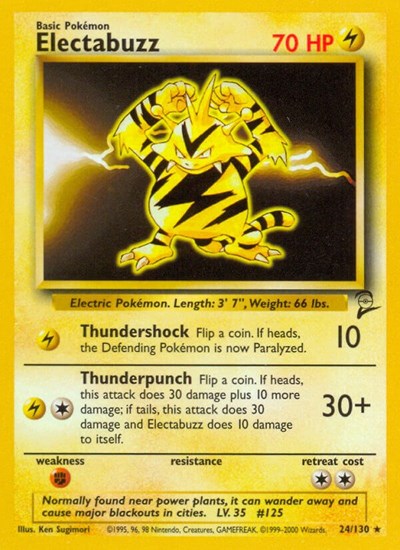
Electabuzz
Rare$4.61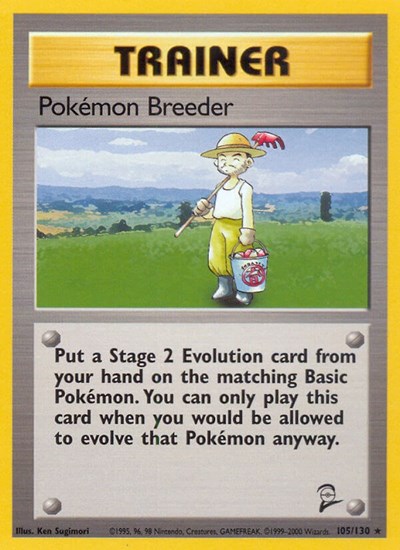
Pokemon Breeder
Rare$4.50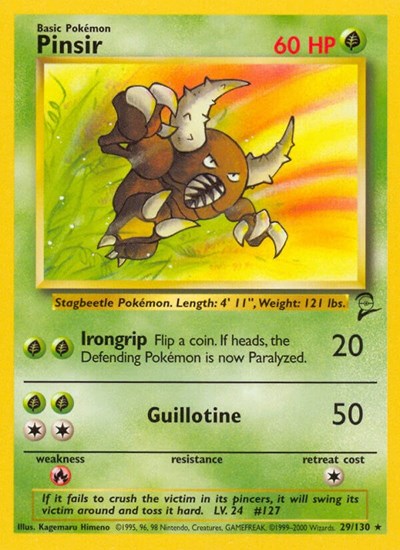
Pinsir
Rare$4.44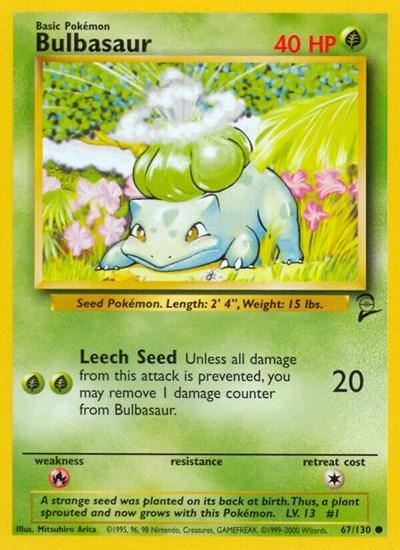
Bulbasaur
Common$4.23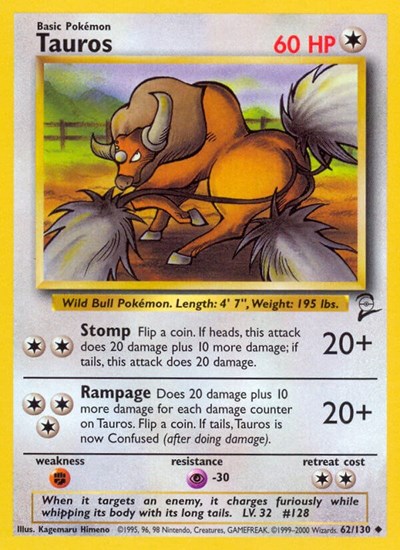
Tauros
Uncommon$4.03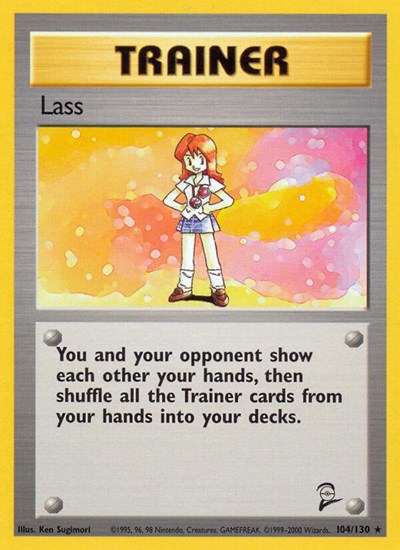
Lass
Rare$3.74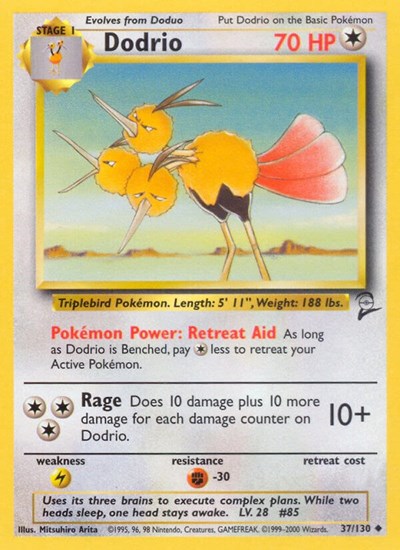
Dodrio
Uncommon$3.71
In the set
130 singles tracked
- Common48 · 37%
- Uncommon42 · 32%
- Holo Rare20 · 15%
- Rare20 · 15%
How to read the set index
- What is the set value?
- What it costs to own one Near Mint copy of every printing in the set, at fair value. Fair value comes from real sales only; the marketplace's Market Price is shown on card pages but never counted.
- What does the index line show?
- The Set Value Index: one Near Mint copy of every printing at fair value, compared week to week on the same printings, so it moves with the set's value — the chase cards most. It starts at 100; the change beside the set value is that line over 30 days, or over 7 for a set too new for a month. Beside it, the set without the chases (every card counted the same) and the chases on their own.
- How is popularity scored?
- Out of 100, against the rest of the game: how much the set's cards sell for, how many of them sell each week, how many cards it holds and how its index has moved. It ranks sets; it isn't a price.