

TCGP-24204 · Pokémon Japan
Pokemon Card Fan Club
0 cards, led by Dark Persian at $47.05.
Set index · TCGP-24204
The index starts once a few weeks of sales collect.


The 5 most valuable
- Cards
- 0
- Priced printings
- 0
- Sales a week
- 0.0
- Set value
- $114.20
- Popularity
- 0/100
- Standing
- #0
The index
A score that starts at 100 and moves with the set's fair value, compared on the same printings week to week.
One Near Mint copy of every printing at fair value; the chase cards move it most.
The index line fills in as weekly prices collect.
Master set value
one of every printing · fair value · Nov 15, 2026
- NM
- $114.20
- 2 of 2 priced · 100% from sales
- LP
- $82.00
- 2 of 2 priced · 100% from sales
- MP
- $47.17
- 2 of 2 priced · 100% from sales
- HP
- $43.07
- 2 of 2 priced · 50% from sales
- DMG
- $37.10
- 2 of 2 priced · 100% from sales
Near Mint was $115.18 on Nov 1, 2026 (-0.9%). Totals move when printings are added or first priced; the index above doesn't.
Cards
2 of 10 valued in Near Mint
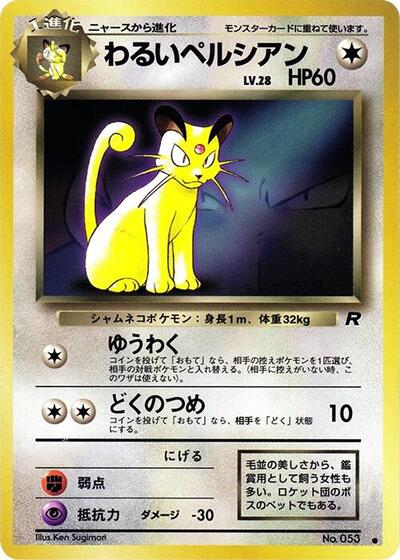
Dark Persian
None$47.05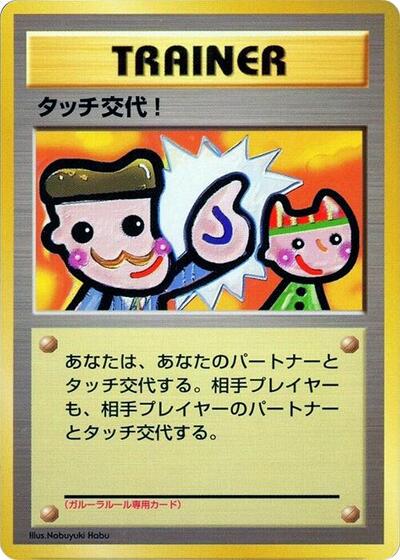
Touch Change!
None$39.55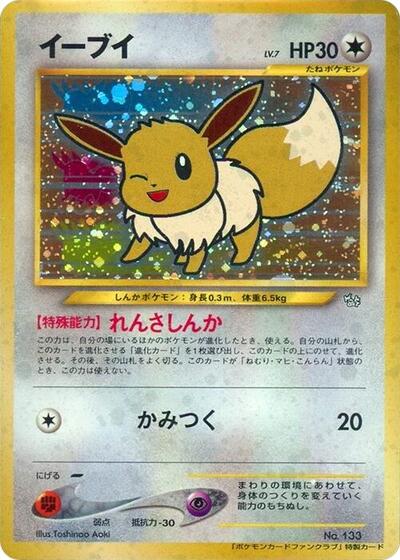
Eevee
None—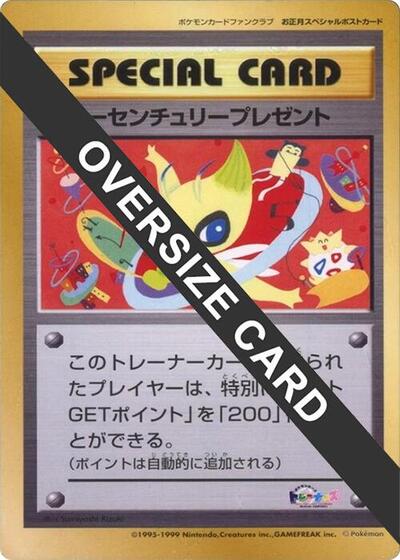
New Century Present (Jumbo)
None—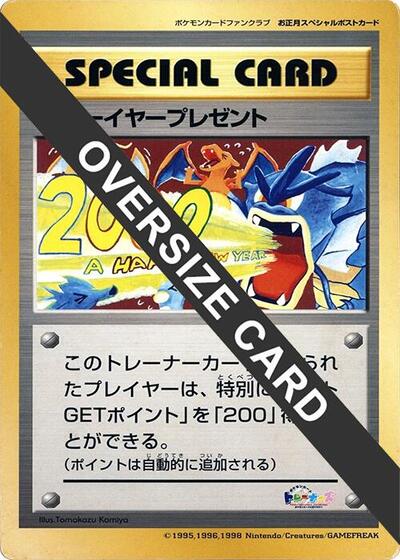
New Year Present (Jumbo)
None—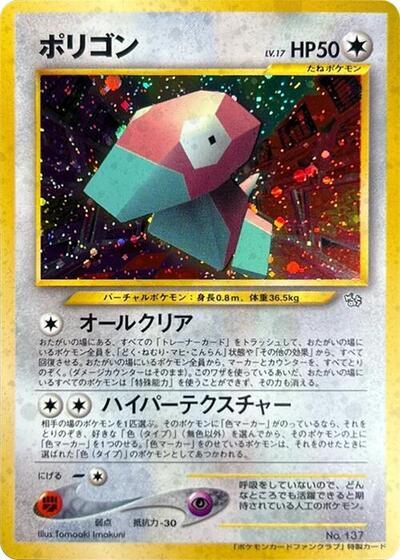
Porygon
None—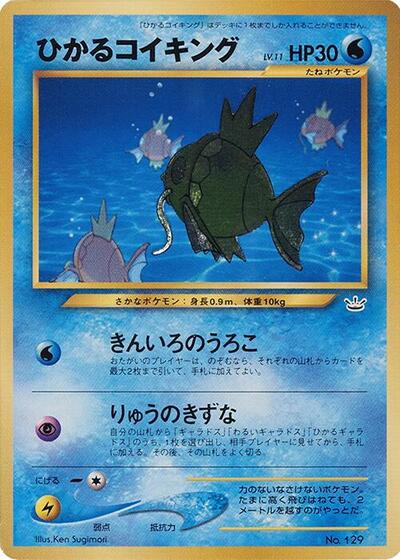
Shining Magikarp
None—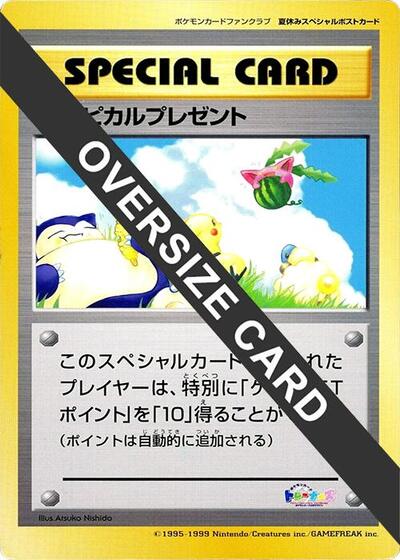
Tropical Present (Spring) (Jumbo)
None—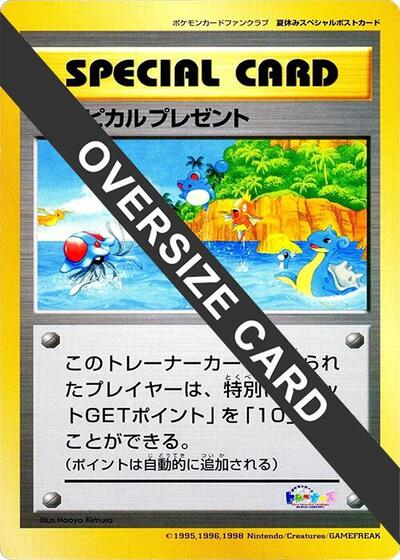
Tropical Present (Summer 1999) (Jumbo)
None—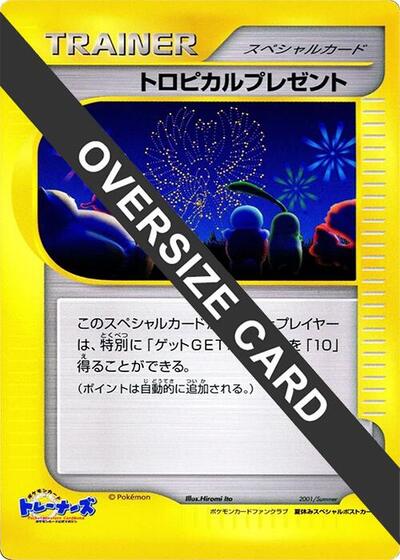
Tropical Present (Summer 2001) (Jumbo)
None—
In the set
10 singles tracked
- None10 · 100%
How to read the set index
- What is the set value?
- What it costs to own one Near Mint copy of every printing in the set, at fair value. Fair value comes from real sales only; the marketplace's Market Price is shown on card pages but never counted.
- What does the index line show?
- The Set Value Index: one Near Mint copy of every printing at fair value, compared week to week on the same printings, so it moves with the set's value — the chase cards most. It starts at 100; the change beside the set value is that line over 30 days, or over 7 for a set too new for a month. Beside it, the set without the chases (every card counted the same) and the chases on their own.
- How is popularity scored?
- Out of 100, against the rest of the game: how much the set's cards sell for, how many of them sell each week, how many cards it holds and how its index has moved. It ranks sets; it isn't a price.