

Starter Deck
5D's 2008 Starter Deck
- Market Price
- $66.16
- MSRP
- —
What's inside
Inside
- 43×cards: 1 Ultra Rare, 2 Super Rares, 40 Commons
5DS1-139 · Yu-Gi-Oh!
46 cards, led by Scrap-Iron Scarecrow at $2.85.
Released Aug 5, 2008
Set index · 5DS1-139
44.37
−55.63 (−55.63%)1Y


The 5 most valuable · $1.80 – $2.85
A score that starts at 100 and moves with the set's fair value, compared on the same printings week to week.
One Near Mint copy of every printing at fair value; the chase cards move it most.
one of every printing · fair value · Nov 11, 2026
Near Mint was $108.99 on Aug 30, 2026 (-46.0%). Totals move when printings are added or first priced; the index above doesn't.
Every way 5D's 2008 Starter Deck was sold, priced.
1 product
Starter Deck
5D's 2008 Starter Deck
Inside
46 of 46 valued in Near Mint
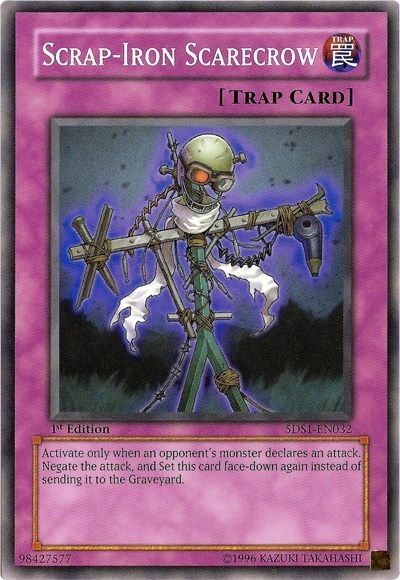
Scrap-Iron Scarecrow
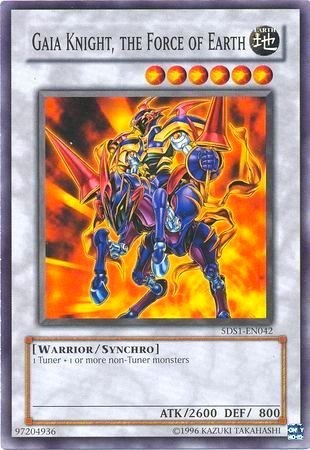
Gaia Knight, the Force of Earth
Colossal Fighter (SR)
Smashing Ground
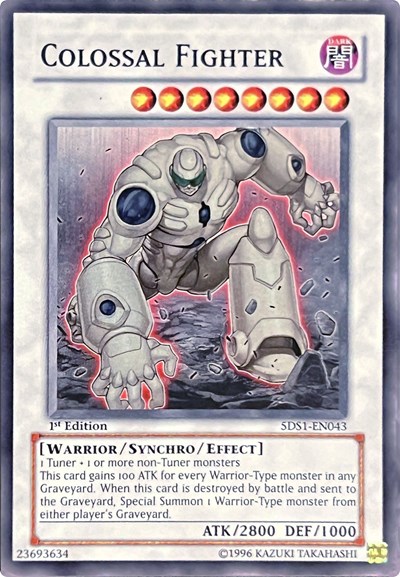
Colossal Fighter
Gaia Knight, the Force of Earth (Super Rare)
Lightning Vortex
Copycat
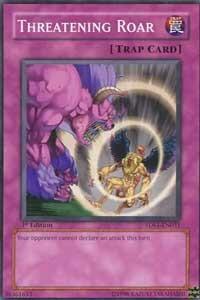
Threatening Roar
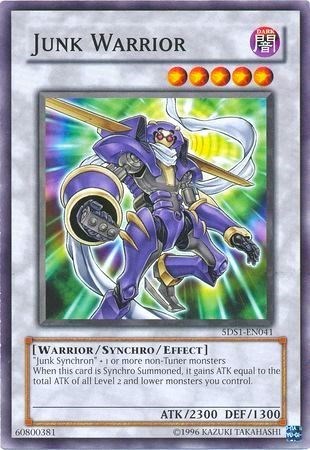
Junk Warrior
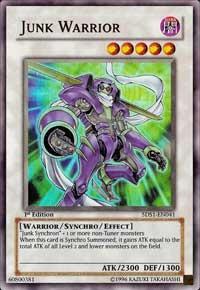
Junk Warrior (UR)
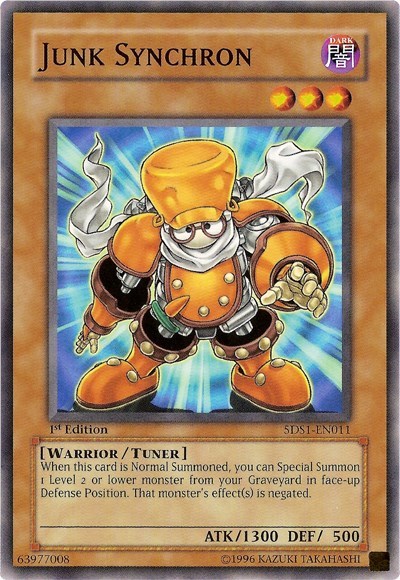
Junk Synchron
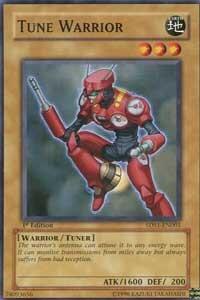
Tune Warrior
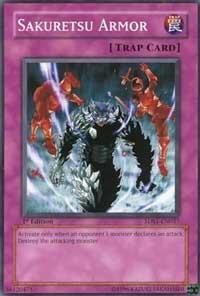
Sakuretsu Armor
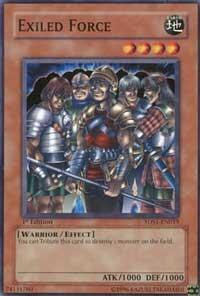
Exiled Force
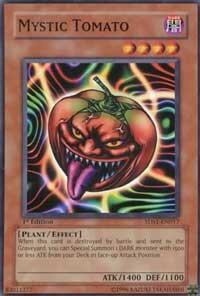
Mystic Tomato
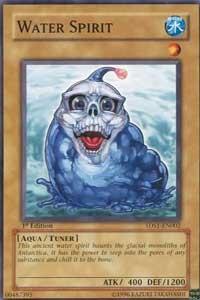
Water Spirit
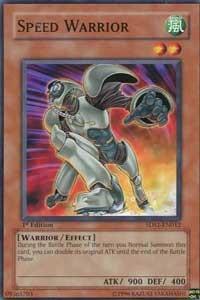
Speed Warrior
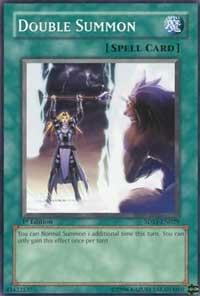
Double Summon
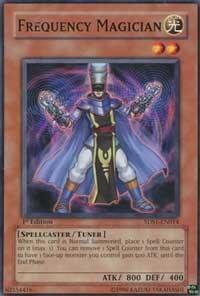
Frequency Magician
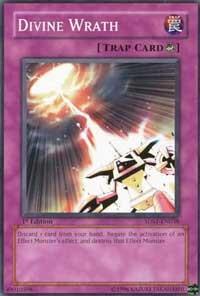
Divine Wrath
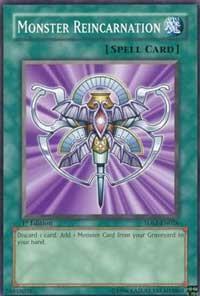
Monster Reincarnation
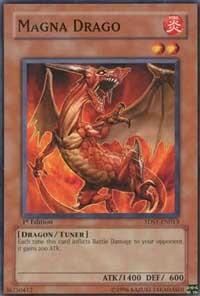
Magna Drago
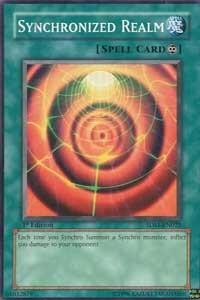
Synchronized Realm
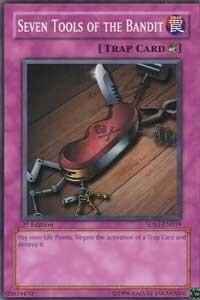
Seven Tools of the Bandit
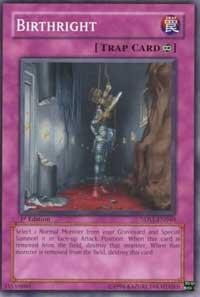
Birthright
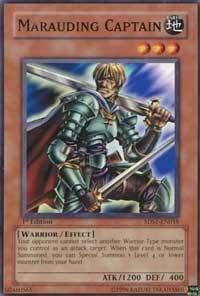
Marauding Captain
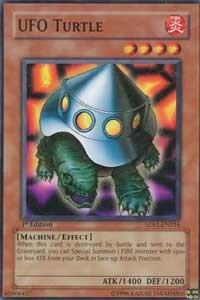
UFO Turtle
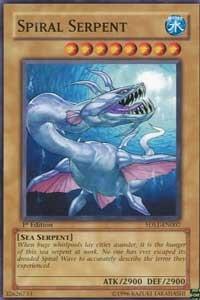
Spiral Serpent
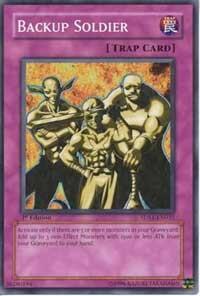
Backup Soldier
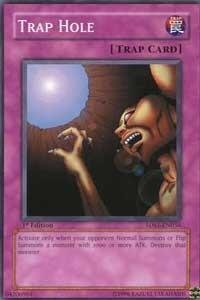
Trap Hole
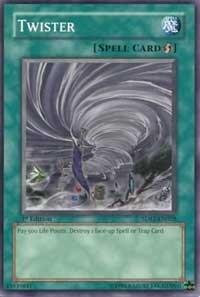
Twister
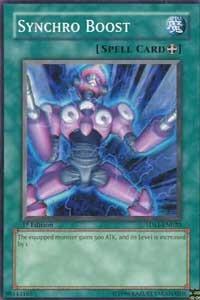
Synchro Boost
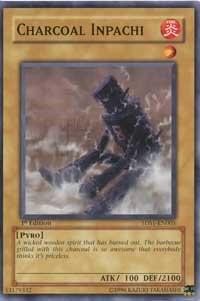
Charcoal Inpachi
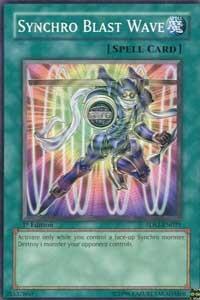
Synchro Blast Wave
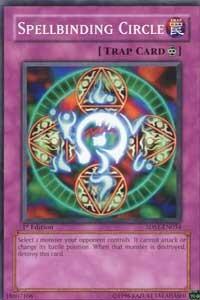
Spellbinding Circle
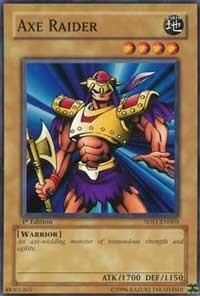
Axe Raider
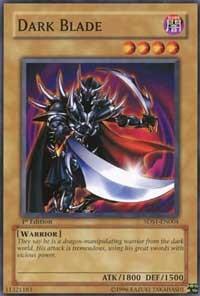
Dark Blade
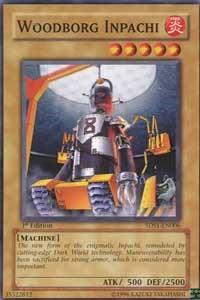
Woodborg Inpachi
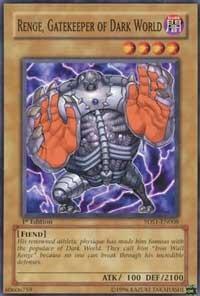
Renge, Gatekeeper of Dark World
46 singles tracked