

Starter Deck
Structure Deck
- Market Price
- $30.23
- MSRP
- —
What's inside
InsideReported
- 1×Preconstructed Deck of 40 cards
- 1×Rulebook
- 1×Dueling Guide
- 1×Playmat
SDOK · Yu-Gi-Oh!
39 cards, led by Phoenix Wing Wind Blast at $3.49.
Released Feb 8, 2013
Set index · SDOK
48.23
−51.77 (−51.77%)1Y


The 5 most valuable · $0.74 – $3.49
A score that starts at 100 and moves with the set's fair value, compared on the same printings week to week.
One Near Mint copy of every printing at fair value; the chase cards move it most.
one of every printing · fair value · Nov 10, 2026
Near Mint was $40.73 on Aug 30, 2026 (-57.6%). Totals move when printings are added or first priced; the index above doesn't.
Every way Structure Deck: Onslaught of the Fire Kings was sold, priced.
1 product
Starter Deck
Structure Deck
InsideReported
39 of 39 valued in Near Mint
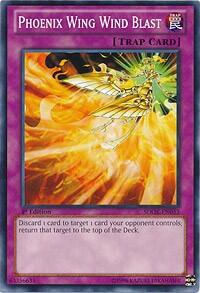
Phoenix Wing Wind Blast
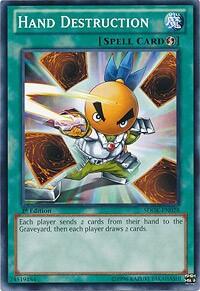
Hand Destruction
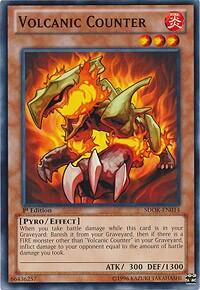
Volcanic Counter
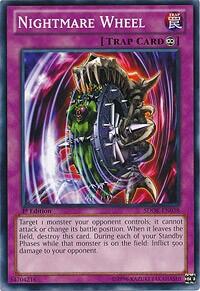
Nightmare Wheel
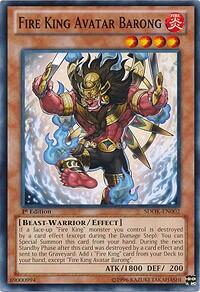
Fire King Avatar Barong
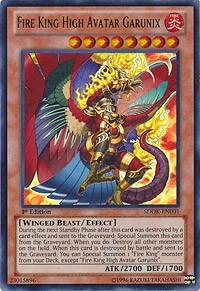
Fire King High Avatar Garunix
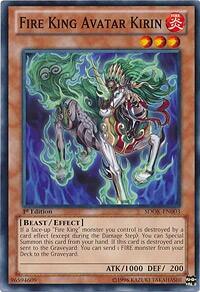
Fire King Avatar Kirin
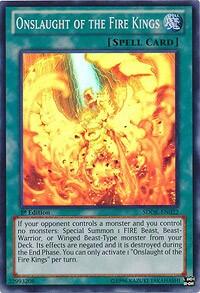
Onslaught of the Fire Kings
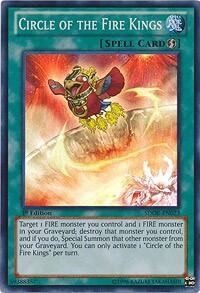
Circle of the Fire Kings
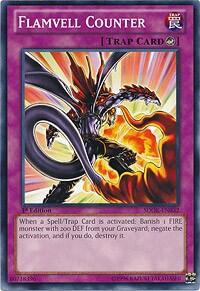
Flamvell Counter
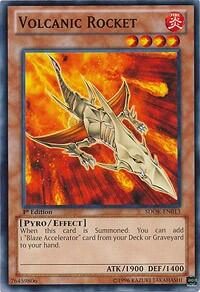
Volcanic Rocket
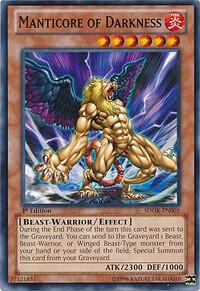
Manticore of Darkness
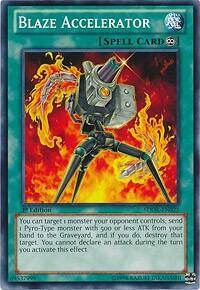
Blaze Accelerator
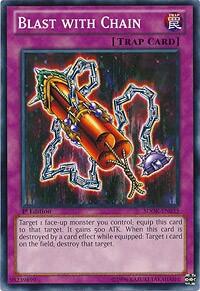
Blast with Chain
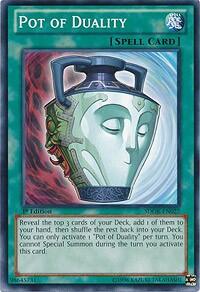
Pot of Duality
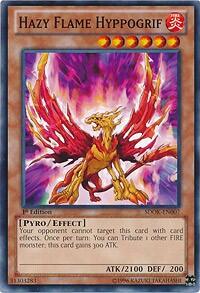
Hazy Flame Hyppogrif
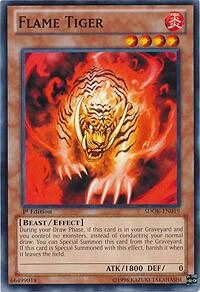
Flame Tiger
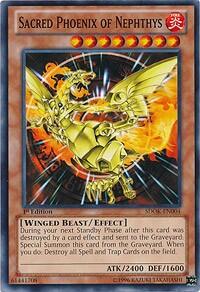
Sacred Phoenix of Nephthys
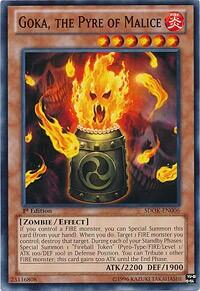
Goka, the Pyre of Malice
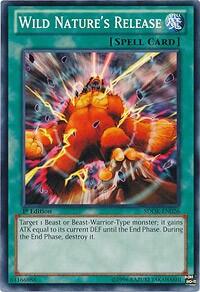
Wild Nature's Release
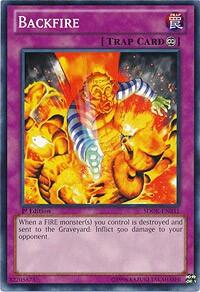
Backfire
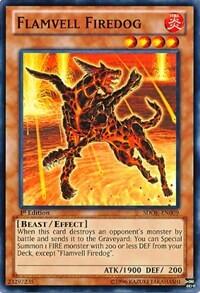
Flamvell Firedog
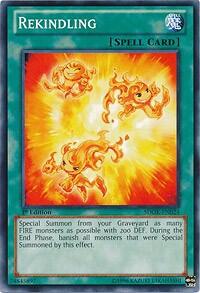
Rekindling
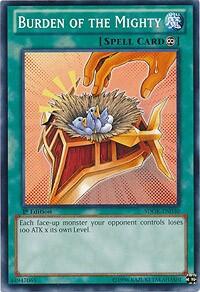
Burden of the Mighty
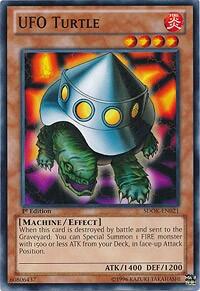
UFO Turtle
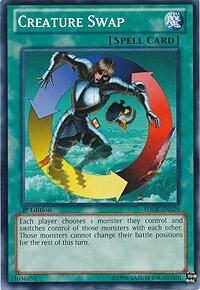
Creature Swap
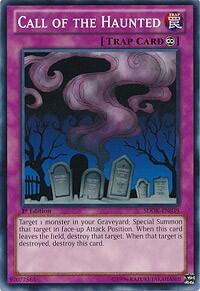
Call of the Haunted
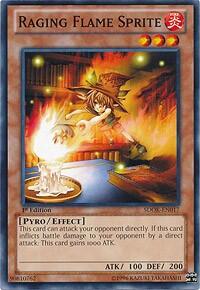
Raging Flame Sprite
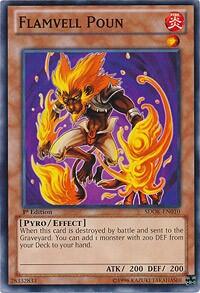
Flamvell Poun
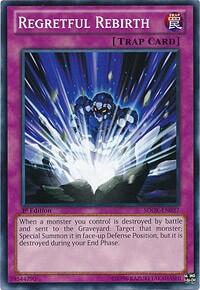
Regretful Rebirth
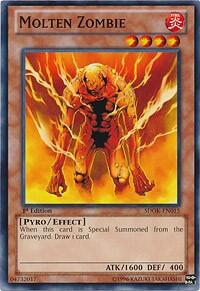
Molten Zombie
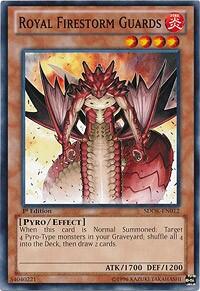
Royal Firestorm Guards
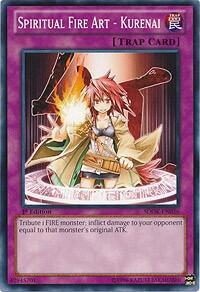
Spiritual Fire Art - Kurenai
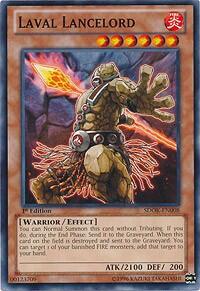
Laval Lancelord
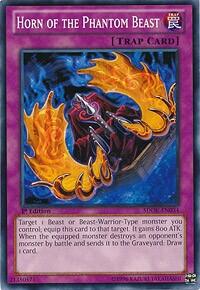
Horn of the Phantom Beast
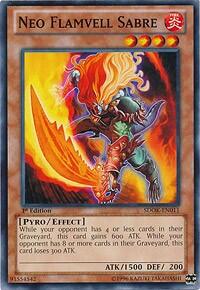
Neo Flamvell Sabre
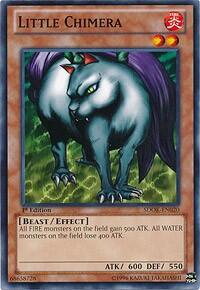
Little Chimera
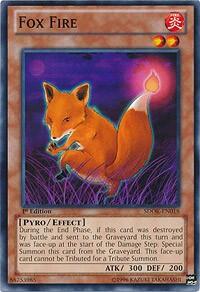
Fox Fire
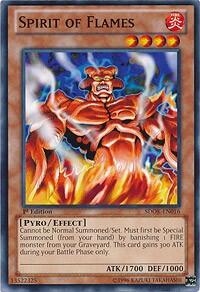
Spirit of Flames
39 singles tracked