

UP02 · Yu-Gi-Oh!
Ultimate Tournament Pack 2
50 cards, led by Red-Eyes Black Dragon at $119.94.
Released Nov 5, 2026
Set index · UP02
The index starts once a few weeks of sales collect.


The 5 most valuable · $47.16 – $119.94
- Cards
- 50
- Priced printings
- 44
- Sales a week
- 26
- Typical single, Near Mint
- $1.10
- Popularity
- 67/100
- Standing
- #112
The index
A score that starts at 100 and moves with the set's fair value, compared on the same printings week to week.
One Near Mint copy of every printing at fair value; the chase cards move it most.
The index line fills in as weekly prices collect.
Master set value
one of every printing · fair value · Nov 10, 2026
- NM
- $505.69
- 44 of 50 priced · 100% from sales
- LP
- $441.72
- 44 of 50 priced · 100% from sales
- MP
- $338.10
- 38 of 50 priced · 100% from sales
- HP
- $108.11
- 26 of 50 priced · 100% from sales
- DMG
- $19.74
- 1 of 50 priced · 100% from sales
Near Mint was $261.97 on Nov 8, 2026 (+93.0%). Totals move when printings are added or first priced; the index above doesn't.
Cards
45 of 50 valued in Near Mint
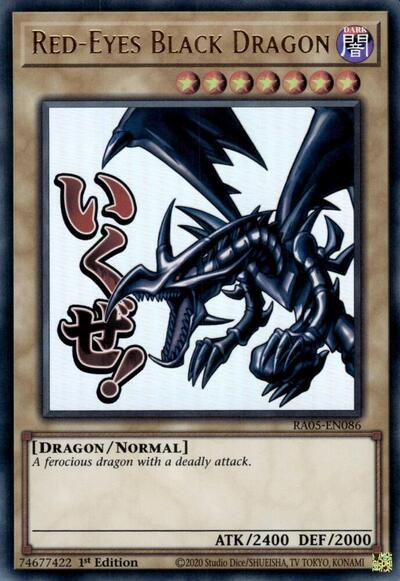
Red-Eyes Black Dragon
Ultimate Rare$119.94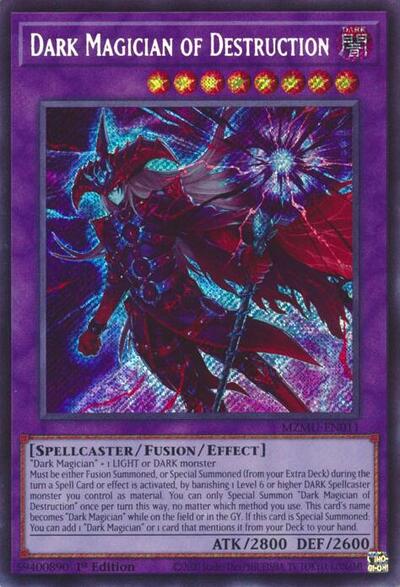
Dark Magician of Destruction
Ultimate Rare$117.75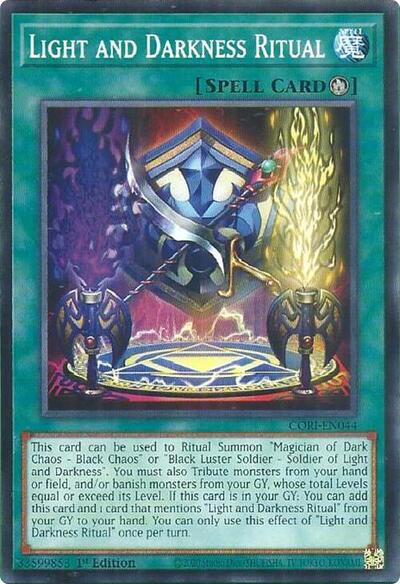
Light and Darkness Ritual
Ultimate Rare$88.69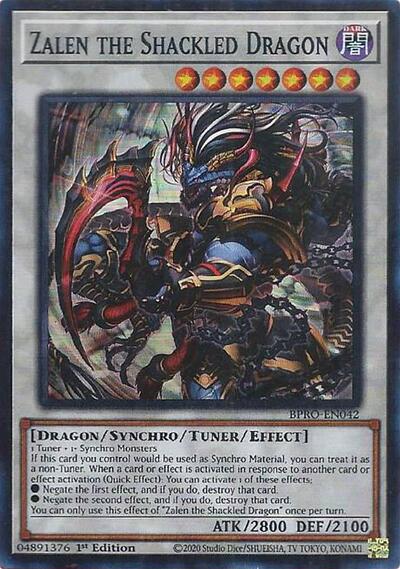
Zalen the Shackled Dragon
Ultimate Rare$52.86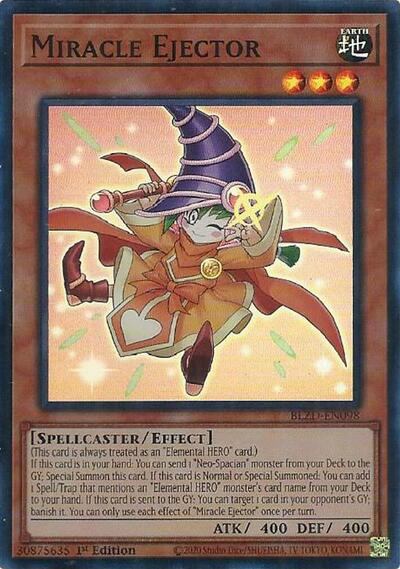
Miracle Ejector
Ultimate Rare$47.16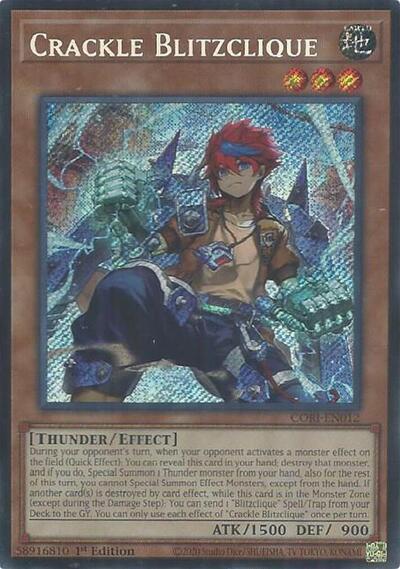
Crackle Blitzclique
Ultimate Rare$19.79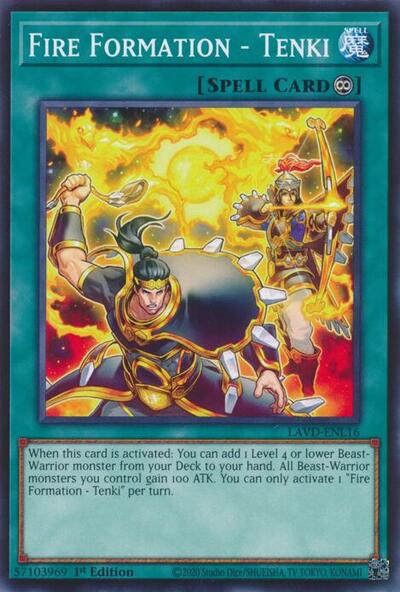
Fire Formation - Tenki
Super Rare$8.27
Fish Sonar
Super Rare$4.06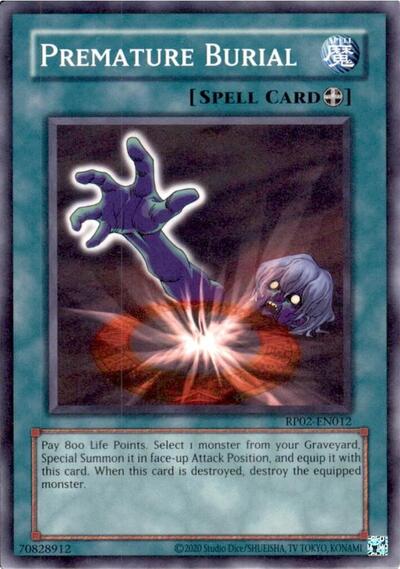
Premature Burial
Super Rare$3.49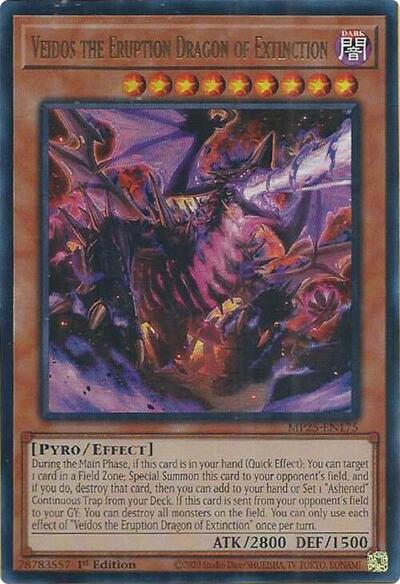
Veidos the Eruption Dragon of Extinction
Common$3.36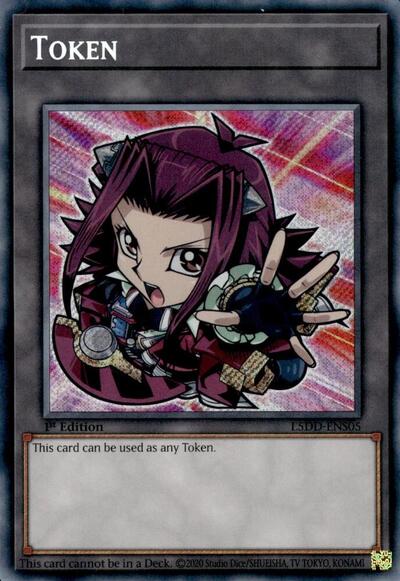
Token (card)
Super Rare$3.27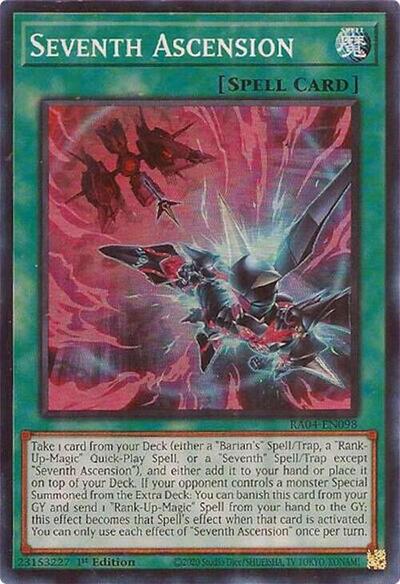
Seventh Ascension
Super Rare$2.47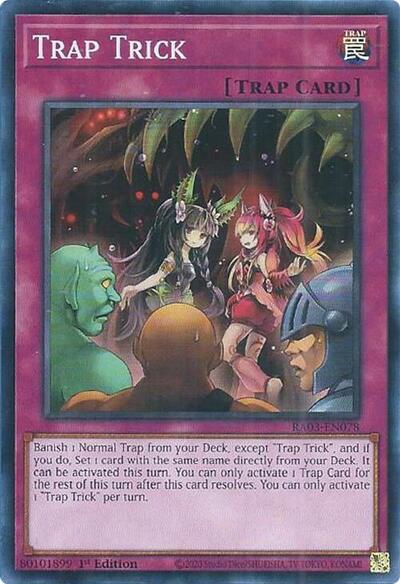
Trap Trick
Super Rare$2.01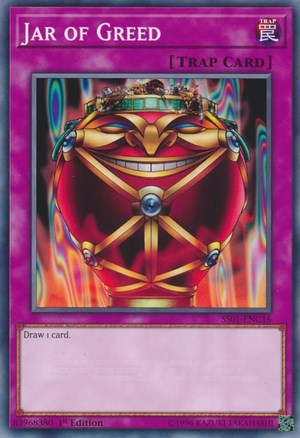
Jar of Greed
Common$2.00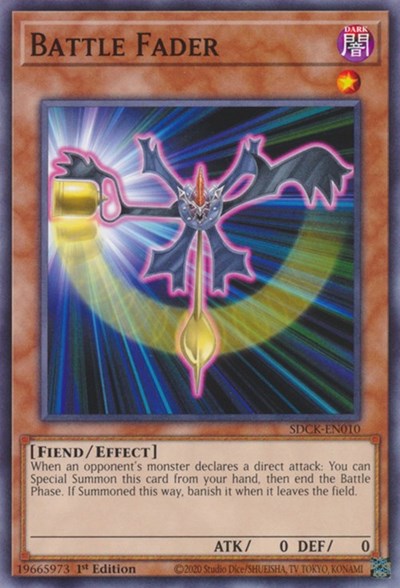
Battle Fader
Common$1.95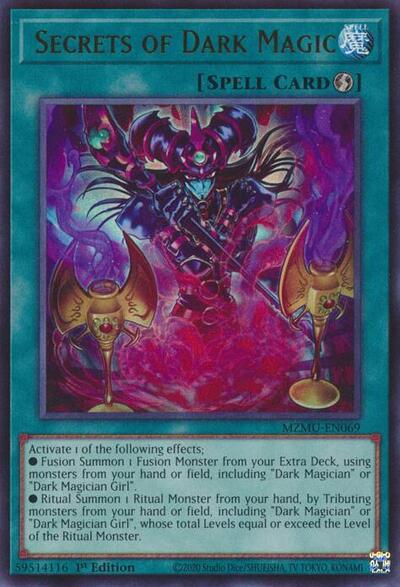
Secrets of Dark Magic
Super Rare$1.86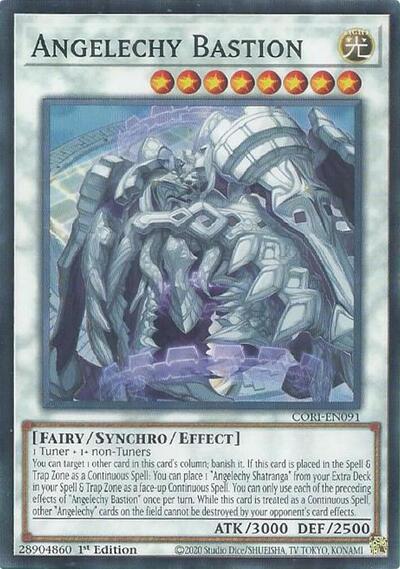
Angelechy Bastion
Super Rare$1.85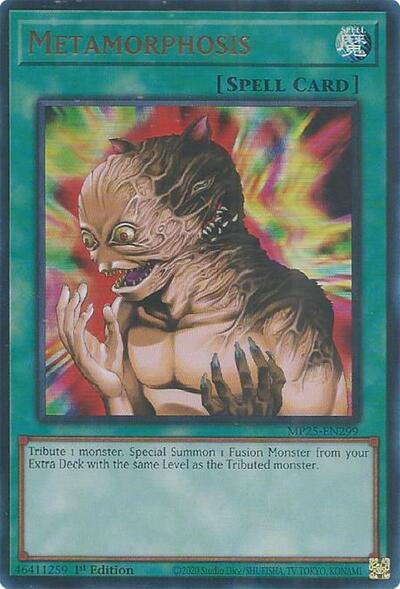
Metamorphosis
Common$1.73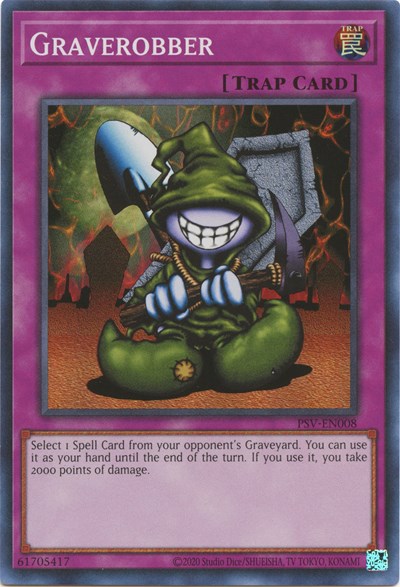
Graverobber
Super Rare$1.68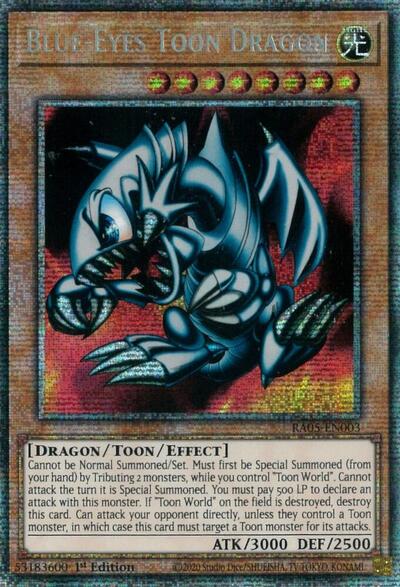
Blue-Eyes Toon Dragon
Common$1.57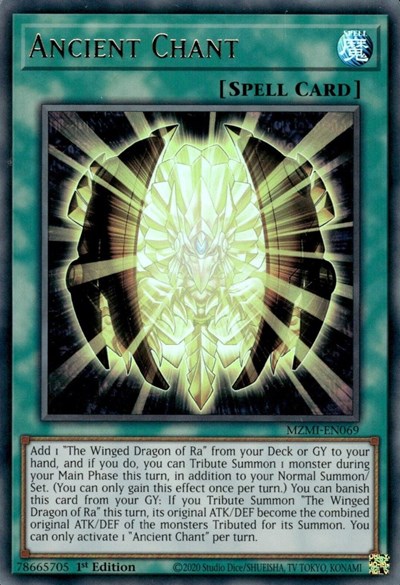
Ancient Chant
Super Rare$1.24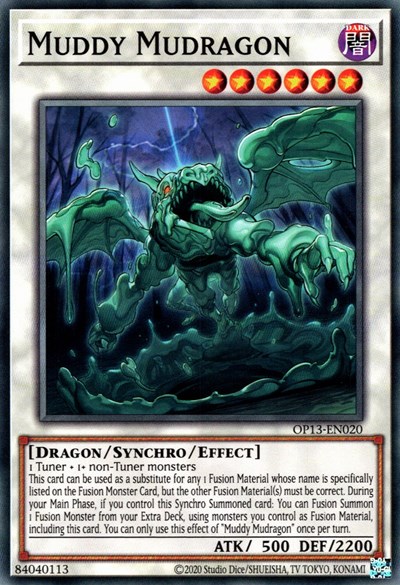
Muddy Mudragon
Super Rare$1.11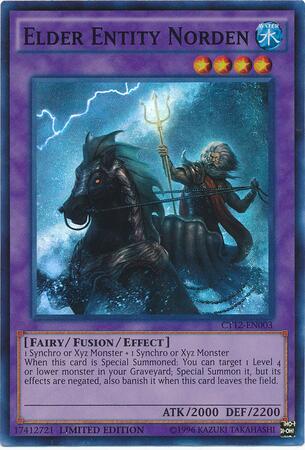
Elder Entity Norden
Common$0.99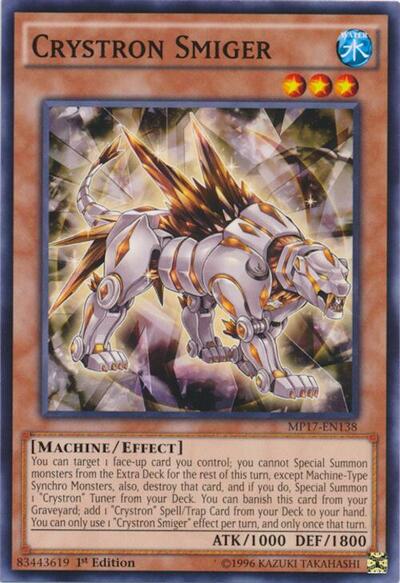
Crystron Smiger
Super Rare$0.93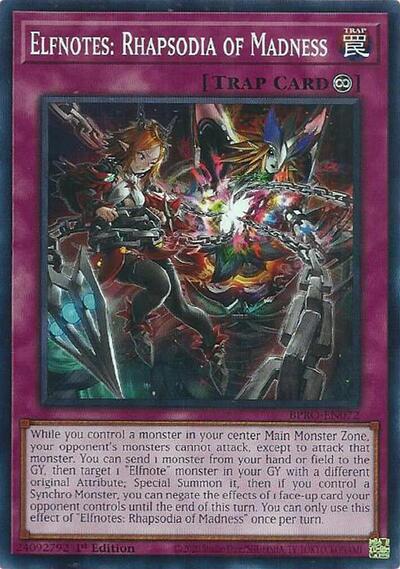
Elfnotes: Rhapsodia of Madness
Super Rare$0.84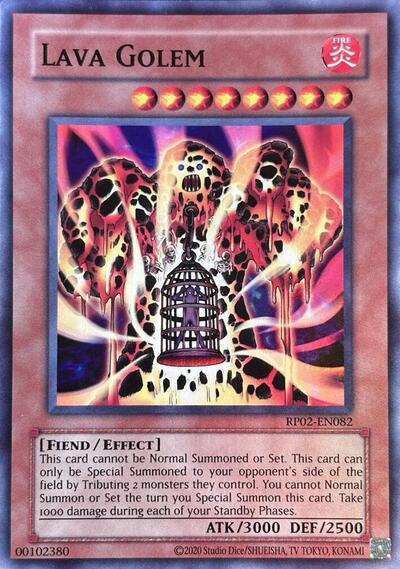
Lava Golem
Common$0.72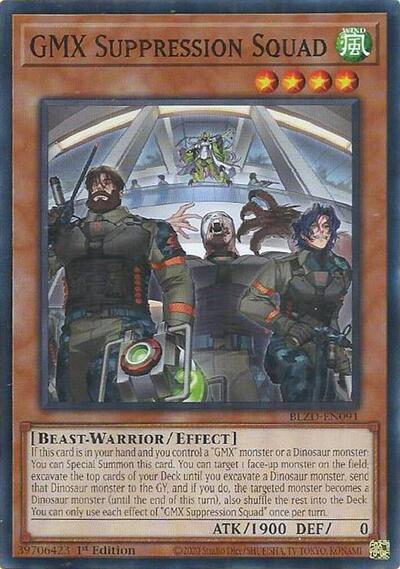
GMX Suppression Squad
Super Rare$0.63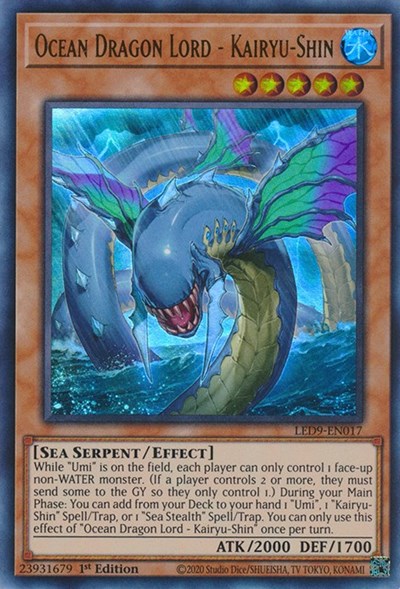
Ocean Dragon Lord - Kairyu-Shin
Common$0.63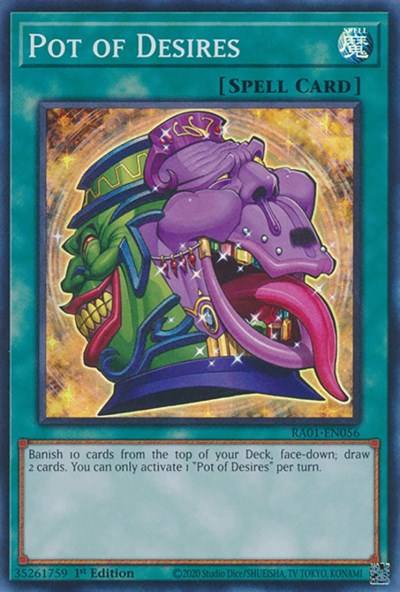
Pot of Desires
Common$0.62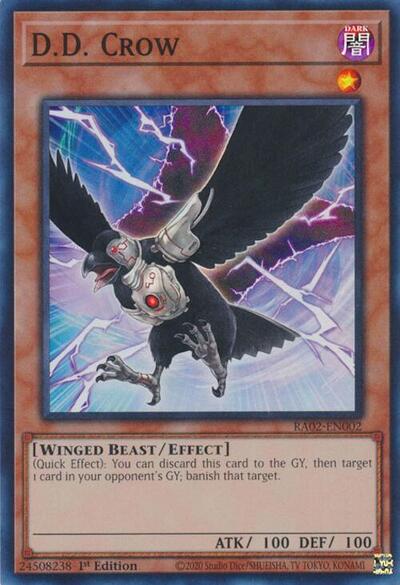
D.D. Crow
Common$0.60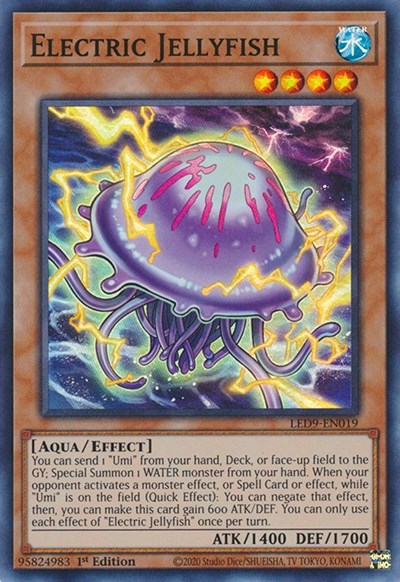
Electric Jellyfish
Common$0.59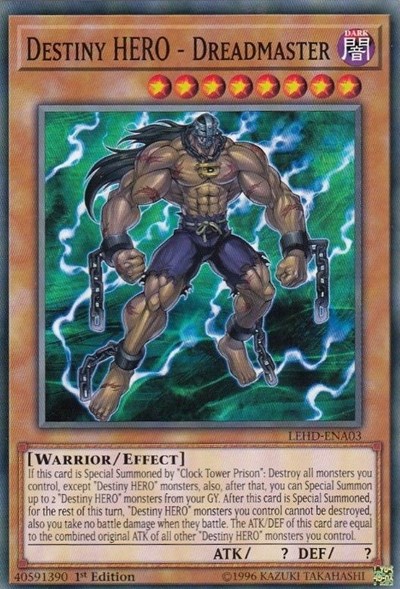
Destiny HERO - Dreadmaster
Common$0.55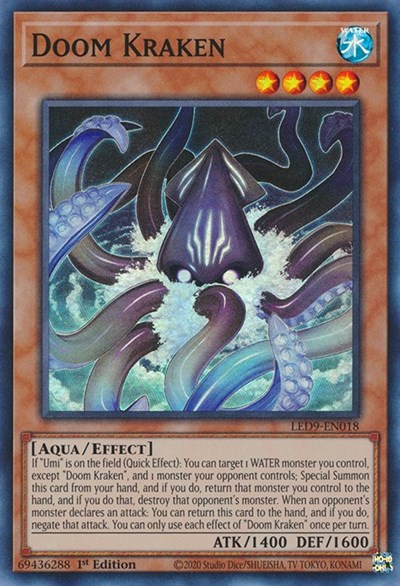
Doom Kraken
Common$0.55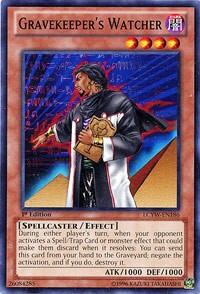
Gravekeeper's Watcher
Common$0.52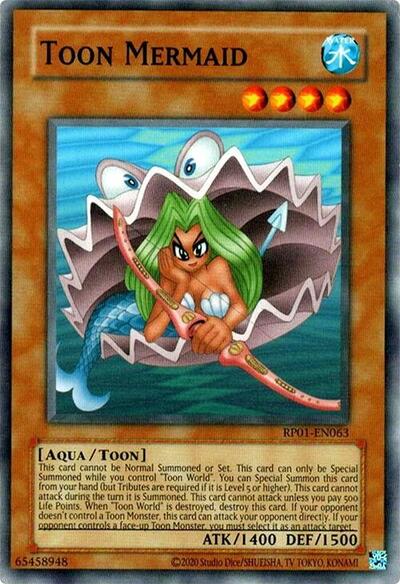
Toon Mermaid
Common$0.49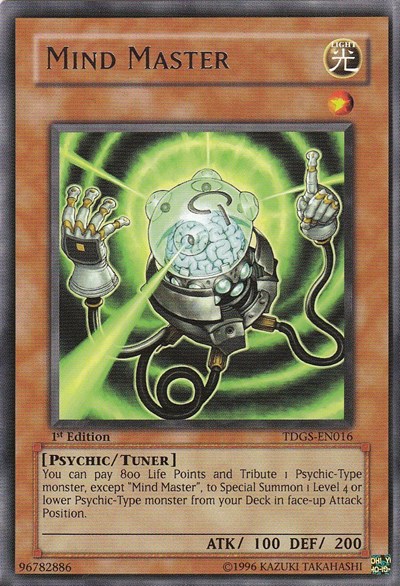
Mind Master
Common$0.49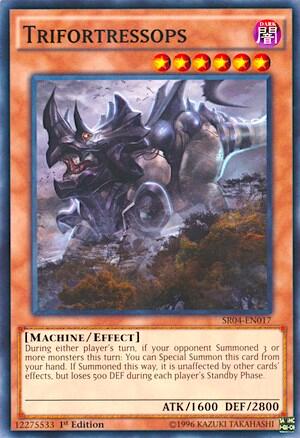
Trifortressops
Common$0.49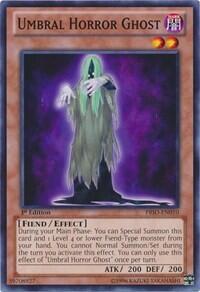
Umbral Horror Ghost
Common$0.49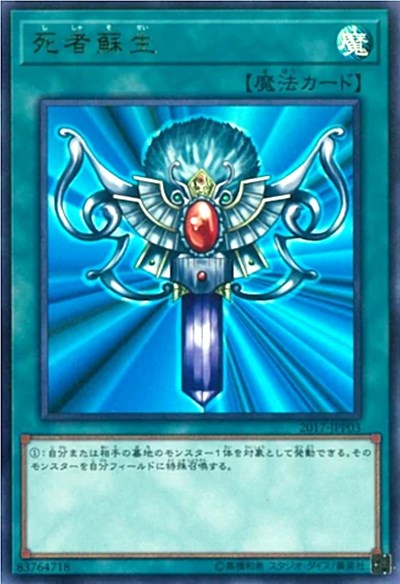
Monster Reborn
Common$0.49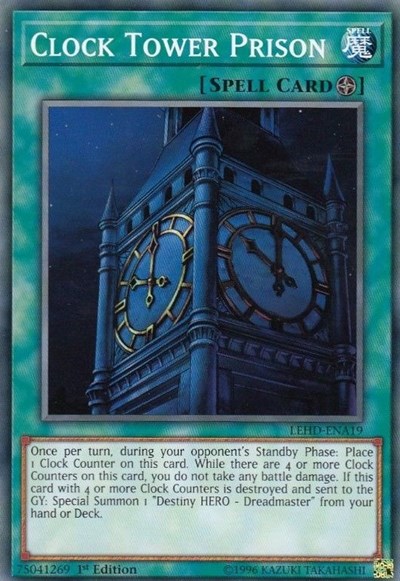
Clock Tower Prison
Common$0.49
In the set
50 singles tracked
- Common30 · 60%
- Super Rare14 · 28%
- Ultimate Rare6 · 12%
How to read the set index
- What is the typical single?
- The median fair value of the set's Near Mint English singles — the price in the middle, so one chase card can't drag it up. Fair value comes from real sales only; the marketplace's Market Price is shown on card pages but never counted.
- What does the index line show?
- The Set Value Index: one Near Mint copy of every printing at fair value, compared week to week on the same printings, so it moves with the set's value — the chase cards most. It starts at 100; the 90-day figure is that line over the last quarter. Beside it, the typical card (every card counted the same, chases left out) and the chases on their own.
- How is popularity scored?
- Out of 100, against the rest of the game: how much the set's cards sell for, how many of them sell each week, how many cards it holds and how its index has moved. It ranks sets; it isn't a price.