The first two weeks of a new set
Why chase cards fall right after release, what the bottom looks like, and why we never call a card in that window.
Tradewind Forecast · Thursday, November 5, 2026 · 1 min read
Almost every new set does the same thing. The first copies of the chase cards sell for a lot, because the people buying them want them first. Then boxes get opened, thousands of them, and every opened box adds copies. Prices fall until the opening slows down and players who were waiting start buying.
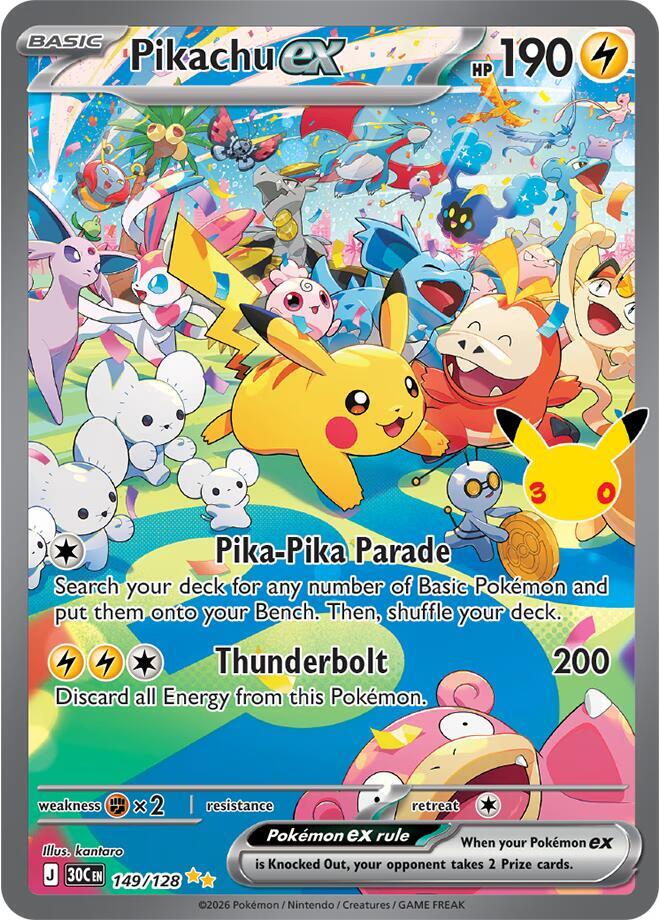
You could watch it three times this autumn. Pokémon's 30th Celebration came out on September 16; in its second week Pikachu ex 149/128 went from $168.99 to $61.15, and a week later Mew ex 158/128 fell from $327.19 to $97.56. Riftbound's Radiance came out on October 23; Akali (K/DA) went from $112.64 to $24.67 in days.


What the bottom looks like
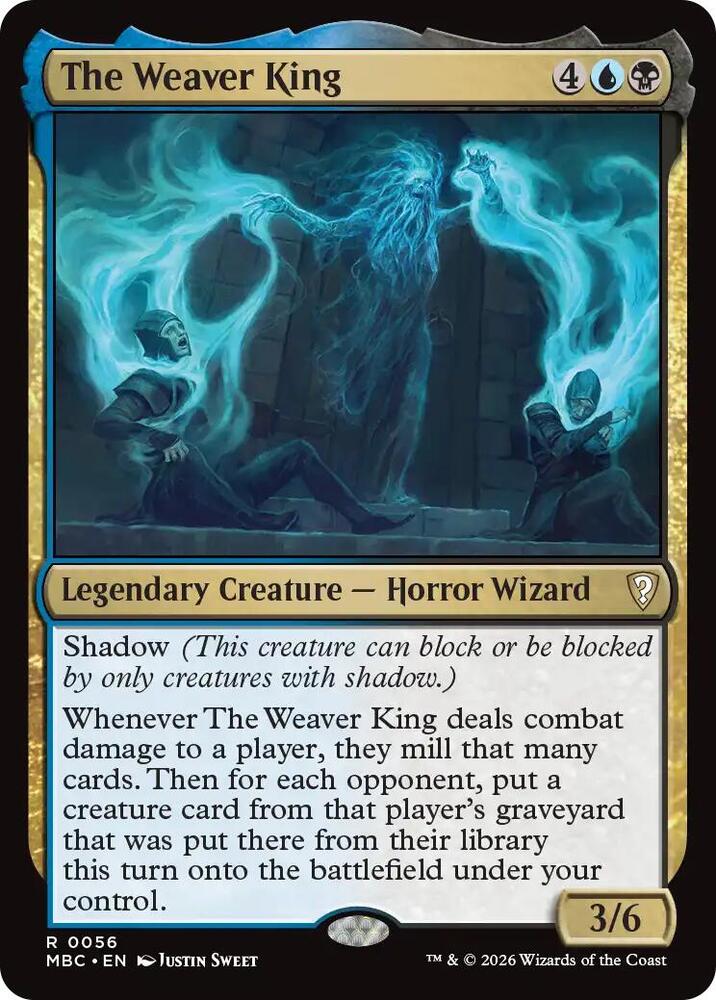
Magic's Mystery Booster Commander Edition shows the turn. Released October 19, The Weaver King fell from $50.99 to $9.54 by November 1 on 120 sales. The next week it came back to $20.68 on 96 sales.
The bottom usually shows up as three things together: sales stay busy, the price stops making new lows, and the cheapest copies start disappearing faster than new ones appear.
Every card shows the value we quoted on the day we wrote about it, and Tradewind's fair value for the same copy today.
Forecast is research, not financial advice. Card prices can fall as easily as they rise; past calls do not promise future ones. Every price is Tradewind's fair value from real sales, never a listing.